
I’ve tried dozens of cords over the past few years, and honestly, material matters way more than most beginners think. Cotton gives you that soft, forgiving grip: waxed cords lock into place for tiny knots; jute brings this stubborn, earthy texture that fights back. Each project demands something different.
So which five actually deserve your money in 2026? I’ll break down the cords I keep reordering, the ones I regret, and who each suits best.
NOANTA Natural Macrame Cord 3mm x 109 Yards

Made from Quality Cotton Fiber: People demand soft, durability, and strength for their macrame needs, and we keep sourcing the best raw material cotton fiber to help protect...
Wondering where to start if you’re after soft, manageable cord that won’t fight you every knot of the way?
I’ve been testing NOANTA’s Natural Macrame Cord, and it’s quickly become my go-to recommendation for beginners. This 3mm cotton cord spans 109 yards, giving you plenty of material to mess up (because you will, and that’s fine).
Material & Feel
The cotton fiber feels genuinely gentle against my fingers. No blisters, no angry red marks after a three-hour session.
It’s slightly twisted, which means you get flexibility without that floppy, frustrating looseness that makes knots slip and unravel. The balance here is spot-on.
What You Can Make
I’ve used this for wall hangings, plant hangers, and a slightly deformed dream catcher for my sister (she loved it, bless her). It also works for gift wrapping, jewelry, even pet toys.
Garden tying, packing material, general household stuff: it handles it all.
The Verdict
I’d recommend this for beginners and casual crafters who want quality without overthinking. Serious macrame artists might want something with more specialized texture options. For everyone else? Grab it and start knotting.
Best For: Beginners and casual crafters seeking soft, manageable cord for macrame projects without specialized texture requirements.
Pros:
- Gentle on hands with no blisters or irritation during extended use
- Slightly twisted construction provides ideal balance of flexibility and knot stability
- Versatile 109-yard length accommodates multiple project types and allows for mistakes
Cons:
- Limited texture options may not satisfy serious macrame artists
- 3mm thickness may be too thin for certain heavy-duty applications
- Natural cotton color lacks variety for projects requiring visual distinction
Recommended Products
Made from Quality Cotton Fiber: People demand soft, durability, and strength for their macrame needs, and we keep sourcing the best raw material cotton fiber to help protect our brand; Great basis for all your home decor,chrismas decor or macrame projects

Made from Quality Cotton Fiber: People demand soft, durability, and strength for their macrame needs, and we keep sourcing the best raw material cotton fiber to help protect our brand. Great basis for all your home decor or macrame projects

100% Natural Cotton & Eco-Friendly: Great cords starts with great raw material cotton yarn. HOMEBOBO craft cord made of 100% natural cotton, is biodegradable, odor-free and free of chemical dyes. Great basis for all your decor or craft projects.
PH PandaHall 100 Yards Waxed Cotton Cord (Burlywood)

Waxed Cord Roll: package includes 1 roll of burlywood waxed cord, about 1mm in diameter, 100yards(91m) in total length, long enough and you can cut into different lengths...
Need something that feels smooth against your skin while you’re knotting for hours? I found it. PH PandaHall’s waxed cotton cord in Burlywood glides through my fingers like butter, no snagging, no rough patches.
What Makes It Different
At 1mm, this cord is noticeably thinner than standard macrame rope. That means delicate work: micro-macrame, jewelry, tiny plant hangers.
The light wax coating gives it structure without stiffness. It holds knots beautifully, yet I can still untie mistakes without cursing.
The Reality Check
Here’s the thing: 100 yards sounds generous until you’re halfway through a wall hanging. I burned through my first roll faster than expected.
The non-stretch quality? Fantastic for precision. Frustrating when you need a little give.
Best For
Jewelry makers, bracelet enthusiasts, anyone doing detailed work. Skip this if you’re weaving large statement pieces. You’ll run out, you’ll grumble, you’ll order more.
My Verdict
I keep three spools stocked now. That says everything.
Best For: Jewelry makers, bracelet enthusiasts, and anyone doing detailed micro-macrame, beading, or delicate knotting work who prioritizes smooth handling and knot precision over large-scale projects.
Pros:
- Exceptionally smooth, butter-like texture that glides through fingers without snagging during extended knotting sessions
- Light wax coating provides ideal structure without stiffness, holding knots securely while remaining easy to untie for corrections
- Perfect 1mm thickness for delicate, precise work including micro-macrame, jewelry, and small decorative items
Cons:
- 100 yards depletes quickly for larger projects, requiring frequent repurchasing and stockpiling
- Non-stretch quality limits flexibility when slight give is needed for certain techniques or tension adjustments
- Too thin for substantial statement pieces like large wall hangings, making it impractical for bigger weaving projects
Recommended Products
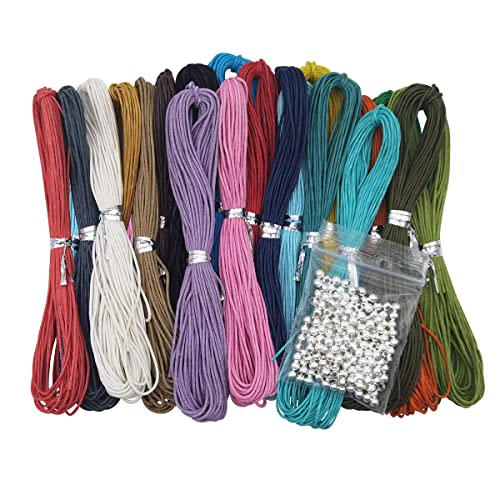
Package: 20 colors waxed cotton cord and 200 pieces silver tone metal beads.
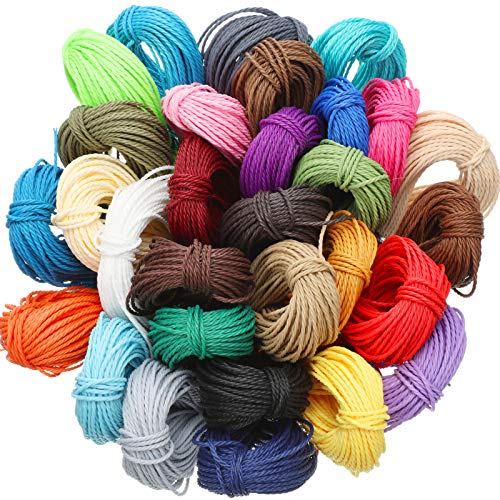
Package Inlcudes: 30 colors waxed polyester cord, each color polyester macrame cord is 32.8 ft/ 10 M, totally 984 ft/ 300 M

【Quantity and Multi-Colored】 You will GET 40 pieces of waxed threads in 40 different colors, sufficient quantity and rich colors for you to mix and match, easy to create beautiful bracelet
ZEAYEA 15 Rolls 3mm Macrame Cord (480 Yards, 15 Colors)

Natural Material: ZEAYEA Macrame Cord has no chemical flavor, you can use it safely. The cord thickness is 3mm, 4-Strand twisted, which is very sturdy and durable for using....
I’ve tried dozens of cotton cords, and ZEAYEA’s 15-roll set hits a sweet spot you rarely find: variety without sacrifice. You get 480 yards across 15 colors, each roll roughly 32 yards of 3mm four-strand twisted cotton. That’s enough to tackle multiple projects without staring at the same beige for weeks.
What Stands Out
The 4-strand twist gives this cord a balanced structure: soft enough for pet-friendly pieces, sturdy enough for plant hangers that actually hold plants.
I noticed no chemical smell right out of the package, and the colorfast claim holds up. Reds stay red, not pinkish casualties of sunlight.
The Catch
ZEAYEA notes roll sizes may look uneven, but length and thickness stay consistent. Fair warning: your “finished” wall hanging might weigh less than expected. This cord runs lightweight, which I love for dream catchers, though some crave that heavy drape for bohemian drama.
Who This Suits
Crafters wanting palette flexibility without buying bulk. Gift-givers (pretty packaging opportunity). Beginners testing styles across wall hangings, holiday decor, knitting experiments.
Verdict
Skip this if you need waxed abrasion resistance, like PH PandaHall’s burlywood offering. Grab it when color range trumps everything else. At roughly 32 yards per shade, you’ll know fast which colors earn reorder status.
Best For: Crafters who want a wide color variety for small-to-medium projects like wall hangings, plant hangers, and dream catchers without committing to bulk single-color spools.
Pros:
- 15-color variety supports creative flexibility and project matching without separate purchases
- Soft, chemical-free, pet-safe cotton with colorfast dyes that resist fading
- Lightweight and easy to work with, ideal for dream catchers and delicate pieces
Cons:
- Lightweight construction lacks the heavy drape some bohemian-style projects require
- Roll sizes appear visually uneven despite consistent length claims
- Not suitable for projects needing waxed or abrasion-resistant cord
Recommended Products
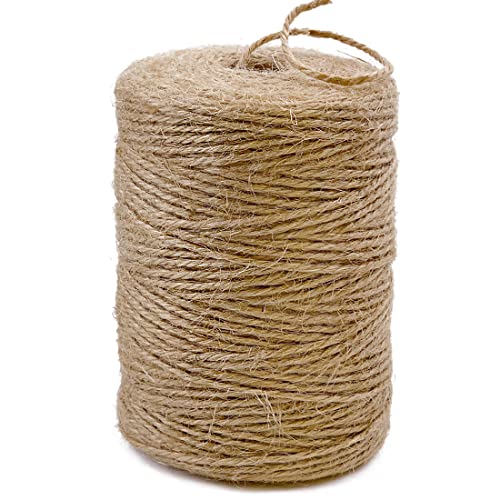
【NEW ARRIVAL】Bengal Imported 100% Natural Jute Twine String. 3 ply Φ/ 2 mm * 600 Feet (182M approx) twine. Larger amount, cost saving!!! Made of natural jute fiber, and won’t hurt environment.
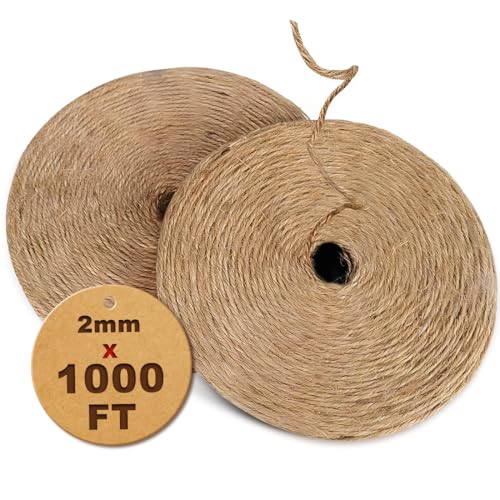
【PREMIUM CLASSIC TWINE】3 ply, 2 mm diameter, 1000 feet in size. Made from premium natural fibers originating in Bengal, our jute twine is strong, elastic, resistant to wear, and minimally shrinking. It is easy to use for various household tasks.

ULTRA-DURABLE AND SOFT TEXTURE: Heavy-duty 5mm or 8mm thickness ensures long-lasting strength, while a smooth, fray-resistant finish remains gentle for hands and pet paws
PerkHomy Natural Jute Twine 600 Feet for Crafts
【NEW ARRIVAL】Bengal Imported 100% Natural Jute Twine String. 3 ply Φ/ 2 mm * 600 Feet (182M approx) twine. Larger amount, cost saving!!! Made of natural jute fiber, and...
Who’s after that earthy, rustic look without breaking the bank? I’ve found your answer: PerkHomy Natural Jute Twine. This Bengal-imported, 100% natural jute gives you 600 feet of 2mm, 3-ply fiber, perfect for that farmhouse aesthetic everyone chases.
Let’s talk specs. At 2mm (about 1/12 inch), it’s thinner than the ZEAYEA cord I just covered. That means tighter knots, finer detail work, and way more texture in your finished piece. The natural tone varies slightly, which I actually prefer, no two projects look identical. It’s eco-friendly and biodegradable, and thankfully lacks that extreme stinky smell cheap jute often carries.
Here’s where it shines, and where it doesn’t:
Best for:
- Gift wrap, photo hangers, rural wedding decor
- Garden tying, greenhouse work, bonsai projects
- Quick macrame accents, not large wall hangings
Skip it if:
- You need cushiony, soft cord for chunky pieces
- You’re after bold colors, this is strictly natural
Abrasion and rain resistant? Sure. But let’s be real, this stuff can scratch sensitive hands during long sessions. Wear gloves, or don’t, your call.
My verdict: I reach for this when I want organic, imperfect charm. That 600-foot spool lasts forever. For pure macrame beginners though? Maybe start with cotton cord. This twine demands patience.
Bottom line: Perfect for crafters wanting realistic, outdoorsy details without the boutique price tag.
Best For: Crafters and gardeners seeking a natural twine for rustic decorations, gift wrapping, and light-duty tying projects who value eco-friendly materials and don’t mind a coarser texture.
Pros:
- 600 feet of biodegradable, eco-friendly natural jute
- Thinner 2mm, 3-ply construction allows for tighter knots and finer detail work in crafts
- Abrasion and rain resistant for reliable use in gardening, greenhouses, and outdoor decor
Cons:
- Coarse texture can scratch sensitive hands during extended use without gloves
- Limited to natural tone only, no color options available for bold or varied projects
- Too thin and stiff for large macrame wall hangings or chunky, soft-cord projects
Recommended Products
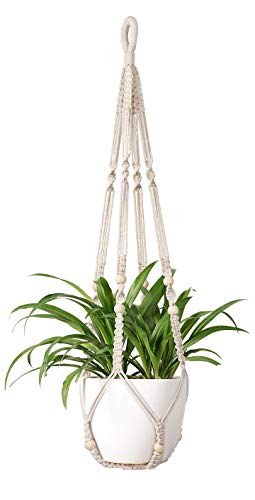

High Quality: Handmade by our artisans, made from cotton cord woven design

【Simple & Fashion】 This is simple yet stylish macromay plant hanger, it save much space of your shelf or desk. Great decoration for your office, bedroom, living room, balcony or patio. This beauty macrame hanger would be gracing your home or office.
Macrame Cord 4mm x 328 Yards Natural Cotton Rope

100% Natural Cotton & Eco-friendly: Great cords starts with great raw material cotton yarn. HOMEBOBO craft cord made of 100% natural and unbleached cotton, is biodegradable,...
The natural color and 3-strand twist make this cord a standout for crafters who want versatility without fuss. I twisted, knotted, and untied this HOMEBOBO spool across multiple projects, and it handles like a dream.
Why the twist matters: That 3-strand construction, meaning three cotton strands twisted together, gives you strength without rigidity. You get flexibility for complex knots plus easy undoing when you miscount.
(We’ve all been there at 2 a.m.)
The numbers I’m working with: 4mm diameter, 328 yards, 100% unbleached cotton. No chemical dyes, no weird factory smell. It’s soft enough for baby-safe wall hangings but sturdy enough for loaded plant hangers.
Packaging that actually works: Spool-wrapped with OPP bag coverage. It ships organized and stays that way. No tangled nightmare when you unwrap.
Real applications I’ve tested: Dream catchers, fringe curtains, gift wrapping, even dog toy prototypes. The natural tone complements bohemian, modern, and farmhouse aesthetics equally.
My verdict: Beginners craving forgiveness in their knots; eco-conscious makers avoiding synthetic guilt; anyone tackling large projects where yardage matters. At roughly 984 feet, you’re not running mid-project.
Best For: Beginners, eco-conscious crafters, and anyone tackling large macrame projects who need a forgiving, high-yardage natural cotton cord that handles knots beautifully.
Pros:
- Exceptional knot forgiveness—3-strand twist allows easy untying and reworking without fraying or stiffness
- Substantial 328-yard spool eliminates mid-project supply runs, making it ideal for large-scale pieces
- Chemical-free, unbleached cotton with no odor; safe for baby nurseries and pet toys
Cons:
- Natural color limits palette options for crafters wanting bold or dyed aesthetics without additional processing
- 4mm thickness may be too bulky for intricate micro-macrame or fine jewelry work
- Cotton’s inherent absorbency makes it unsuitable for outdoor projects exposed to moisture or humidity without treatment
Recommended Products

💝 Single Strand Twisted Rope: Macrame rope is made out of cotton yarn, soft and smooth. Single strand cotton macrame cord is continuous twist of many tiny strands, holds knots well, doesn't come unwound, and is very easy to work with.

SINGLE STRAND TWISTED 3MM CORD – Soft in the hand, strong in the knot. Each skein holds 93 yards (279 ft / 85 m) and weighs 8.8 oz (250 g), in a 3 mm (about 1/8 in) single-strand twisted cotton macrame rope.
Factors to Consider When Choosing String for Macrame
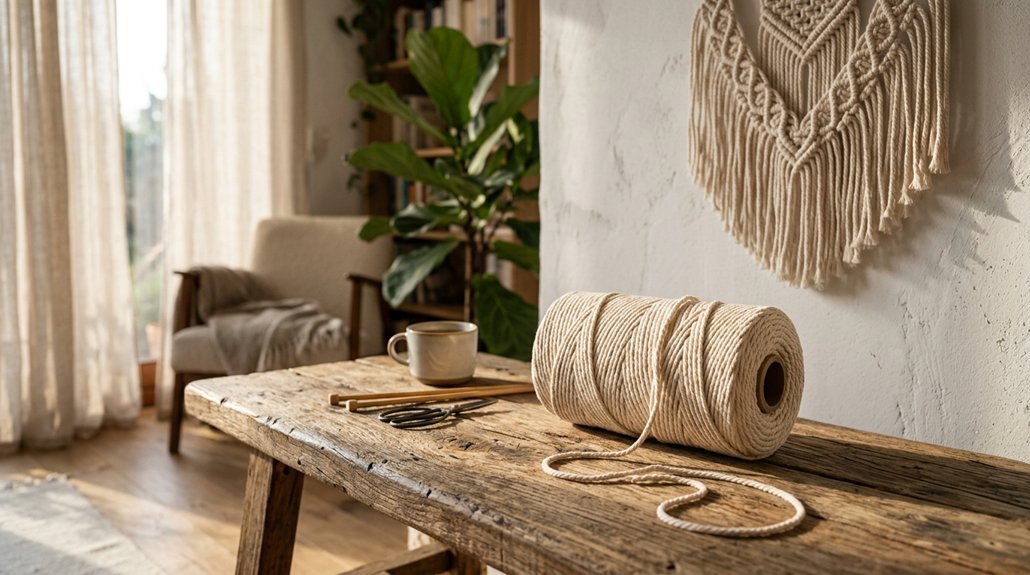
I’ll pick my macrame string based on five things that actually matter: what it’s made of, how thick it is, how it’s twisted together, what color I’m feeling, and how much length I’ll realistically need.
Trust me, getting any of these wrong leads to headaches, floppy wall hangings, or that special frustration of running out three knots from the finish line. Let’s break down each factor so you don’t waste money on cord that fights you instead of working with you.
Recommended Products

Soft, Sturdy Cord for Crafts: This 3 mm macrame cord is super soft, sturdy, and easy to work with. The natural macrame cord 3 mm features amazing shades of yarn for beautiful knots. The ends of macrame string can form pretty, fluffy, and waving tassels. This macrame rope is friendly to both beginners and advanced

✿ Quality Natural Cotton Cord: 3mm*109 yards macrame cotton craft cord, the cotton macrame rope is very soft, No chemical dyes. Durable that will be easy to work with. No scraps or recycled fabric, biodegradable, odor-free. Macrame Cord 3mm is the great cord starts with great raw material cotton yarn

ENOUGH LENGTH -- 3mm X 547yard( about 500 meters ). Enough for making some wide and long size Macrame crafts.Our twisted cotton string is cut to length and packaged in spools, opp bag covered, keep it in stable and beautiful shape when shipped, easy to organize, prevent to mess when unraveled to use.
Material Composition
Choosing the right string for your macrame project isn’t just about picking a pretty color, it’s about understanding what you’re actually working with.
I always reach for 100% cotton when I want that soft, natural hand-feel against my fingers. It’s biodegradable, odor-free, and screams eco-friendly without trying too hard. That said, waxed cotton has its place. The coating adds durability and keeps knots locked tight, minus the stretch that ruins your tension.
Jute? It’s coarser, more rustic. I use it for outdoor pieces or when I want that farmhouse vibe.
Twisted cords, especially four-strand variants, balance flexibility and sturdiness beautifully. Fewer tangles, cleaner knots.
For heavy-duty or outdoor decor, blends work. For delicate wall hangings, pure cotton wins. What matters most: matching material to purpose.
Cord Diameter
Material composition gets you started, but I’ve learned the hard way that cord diameter can make or break a piece before I’ve even tied the first knot.
Standard cords run 1mm to 4mm. I reach for 3mm or 4mm on wall hangings and plant hangers: beefy knots, fast coverage. Delicate jewelry? That’s 1mm territory.
Here’s what frustrates me: thicker cords fight back. They’re stiff, they resist tight knots, and my hands ache after an hour. Thin cords? Slippery little things. They’ll undo themselves if I don’t double-check every square knot.
Watch for inconsistent diameter. I’ve bought cheap cord that ballooned mid-spool, wrecking my pattern’s symmetry. Fewer strands cover width with thick cord, but drape suffers.
My verdict: beginners, grab 3mm. It’s forgiving without being bulky. Detail obsessives, you’ll fight with 1mm, but the payoff’s gorgeous.
Twist Type
How much does twist really matter? More than you’d think, honestly.
The Basics
I categorize macrame cords as 3-strand or 4-strand twisted. Each behaves differently in your hands.
3-Strand vs. 4-Strand
Three-strand twists offer solid pulling resistance. Your knots stay put; that’s the trade-off for slightly stiffer handling.
Four-strand twists? Softer, smoother, less friction when you’re tightening knots repeatedly. My fingers prefer these for long sessions.
Finding Balance
Slightly twisted cords attempt the best of both worlds: flexibility plus sturdiness. They work across varied techniques without frustrating you.
What Actually Changes
Twist level directly impacts two things: how easily you knot, and how your finished piece drapes. Tighter twists hold structure; looser ones flow better.
My Verdict
Beginners: start with 4-strand. Precision crafters: 3-strand’s your friend. Want versatility? Grab that slightly twisted middle ground.
Color Selection
So let’s talk about what actually matters when you’re staring down walls of cord and trying to decide between that perfect sage green and a bold terracotta.
Mood Matching
I always start with where my piece will live. Natural neutrals blend beautifully in minimalist spaces, while bold hues make plant hangers pop against white walls.
Ask yourself: do I want calm or drama?
Light-Fastness Matters
Here’s where I’ve learned the hard way. Cheap dyes fade fast in sunlight, and “colorfast” means the dye won’t bleed when you work with damp hands.
Check labels for light-fast ratings, or you’ll watch your terracotta turn peach in six months.
Consistency Check
Grab multiple rolls of the same color. Hold them together in daylight. Slight variations can look intentional: glaring mismatches ruin everything.
Final Verdict: Test small sections before committing. Seriously, you’ll thank me.
Length Requirements
Why does every project seem to need either way more cord than I bought, or leaves me drowning in leftover scraps?
I’ve learned millimeter thickness and yardage per spool decide how many passes I can squeeze out. For big wall hangings, I grab 328-yard spools. Fewer restocking trips, less headache. Small pieces like keychains? 30, 32 yards keeps waste down.
Here’s what trips people up: knots eat length. Dense patterns with deep spacing devour cord fast. Fringe alone can steal yards I didn’t plan for.
When I mix colors, I map each one precisely. Nothing kills momentum like pausing to reorder that perfect sage green mid-knot.
My rule now? Buy 20% extra for the nervous makers among us. Better than the alternative.
Strength Rating
Strength Rating
What exactly keeps a macrame piece from snapping mid-knot or sagging into a sad heap six months later? I’ve learned it’s all about strength rating, and honestly, it matters more than most beginners think.
Fiber type plays huge role. Cotton gives you reliable tensile strength with minimal stretch, while jute brings rustic charm but tends to weaken faster under stress. I’ve watched jute projects fray where cotton holds steady.
Construction changes everything. Twisted 3-strand cord laughs at tension that would snap single strand alternatives. The multiple strands share load, simple physics working in your favor.
Thickness directly correlates with durability. My 4mm pieces handle weighted plant hangers without complaint, though I’ll admit they fight back during intricate knots. For delicate wall hangings, 2mm-3mm strikes my preferred balance.
Waxed coating? Game changer for beaded work. That extra abrasion resistance means knots stay locked, not slipping loose after weeks of handling.
Bottom line: match strength to purpose. Heavy loads demand thick, multi-strand construction. Decorative pieces forgive thinner choices.
Texture Feel
The feel of cord against my palms, hour after hour, can make or break a macrame session. Texture isn’t just luxury, it’s survival.
Soft vs. Firm: What’s Your Project?
Natural cotton cords feel like a gentle hug. Jute? That’s a firmer handshake, more grip, more texture. I’ve finished a cotton plant hanger with zero blisters, but that same delicacy won’t hold a structured basket upright.
Construction Matters
A 3- or 4-strand twist hits my sweet spot: flexible enough to forgive mistakes, sturdy enough to keep shape. Too loose, and knots collapse. Too tight, and my hands cramp.
Waxed: Smooth Operator
Waxed coatings let knots glide without snagging. Frustrating tangles? Gone. But wax can feel slippery, almost artificial. Not my favorite for meditative knotting.
My Verdict
Soft cords for wall hangings and gentle pieces. Firmer stuff when you need structure that fights back. Your hands will thank you, either way.
Eco Credentials
My fingers have spent hours sifting through cords, but lately I’ve started asking harder questions: where did this come from, and what happens when I’m done with it?
I now reach for natural fibers first. Cotton and jute biodegrade, unlike synthetic stuff that’ll outlive my grandkids. I look for “unbleached” or “natural color” labels, fewer chemicals, less dye runoff.
Certifications help cut through greenwashing noise. I verify claims about harmful substance testing, not just trust the packaging pretty words.
Packaging matters too. Recyclable wraps beat plastic blisters every time. Non-toxic, odor-free materials? Non-negotiable for my small apartment projects.
Here’s my quick checklist:
- Natural fibers (cotton, jute, hemp)
- Unbleached or lightly dyed
- Verified certifications
- Biodegradable or recyclable end-of-life
For beginners: start basic cotton. Eco-purists: hunt certified organic. Tight budget? Unbleached cotton hits the sweet spot.