
Last spring, my neighbor’s tomato seedlings all collapsed from damping-off disease because she used regular garden soil. I learned the hard way too, back when I started.
That’s why I’ve tested every major seed starter mix on the market. The difference between a fluffy, sterile blend and dense, pathogen-heavy dirt can make or break your entire growing season. Some formulas hold moisture like a sponge: others drain too fast and leave roots gasping.
I will walk you through which products actually deliver on their promises, and which ones left me frustrated at my kitchen table, staring at trays of failed germination.
Miracle-Gro Indoor Potting Mix for Seed Starting, 8 qt. (2-Pack)

Miracle-Gro Indoor Potting Mix for Seed Starting grows stronger roots for seeding success (vs unfed when used as directed) This lightweight potting mix is enriched with plant...
This stuff comes in a 2-pack, eight quarts per bag, which fills about three of those standard 72-cell trays. I’ve found that’s plenty for a modest spring garden, though you’ll burn through both bags fast if you’re ambitious with tomatoes and peppers.
What Makes It Different
Miracle-Gro’s mix skips compost and bark entirely. That’s huge. Fungus gnats, those tiny flying nightmares, love decomposing organic matter. This blend starves them out from day one.
It’s also noticeably lighter than standard potting soil, so seeds don’t struggle against dense, compacted medium. The built-in plant food gives seedlings a head start. I’ve seen stronger root development compared to unfed mixes, especially with finicky herbs like rosemary.
The Catch
It’s not organic if that matters to you. And that “moist but not sunny” instruction? You’ll need to stay on top of watering; this stuff dries faster than peat-heavy alternatives.
Verdict
Perfect for beginners who want fewer pests and don’t mind synthetic fertilizers. Skip it if you’re strictly organic.
Best For: Beginners starting vegetable, flower, or herb seeds who want to minimize fungus gnats and prefer a lightweight, pre-fertilized mix.
Pros:
- Prevents fungus gnats by excluding compost and bark that harbor them
- Lightweight texture prevents seedling roots from struggling against compacted soil
- Built-in plant food promotes stronger root development compared to unfed mixes
Cons:
- Not suitable for gardeners who require strictly organic growing media
- Dries faster than peat-heavy alternatives, requiring more attentive watering
- Limited quantity (two 8-qt bags) may be insufficient for ambitious or large-scale seed starting projects
Recommended Products

NUTRIENT-RICH, NATURAL, AND ORGANIC SOIL: Grow a bountiful garden in your home with the Back to the Roots All-Purpose Natural and Organic Peat-Free 3-in-1 Seed Starting Mix, packed with the nutrients needed for your plants, flowers, and vegetables to thrive
Miracle-Gro Indoor Potting Mix for Seed Starting grows stronger roots for seeding success (vs unfed when used as directed)

Back to the Roots Organic Seed Starting Mix 6 Quarts
NUTRIENT-RICH, NATURAL, AND ORGANIC SOIL: Grow a bountiful garden in your home with the Back to the Roots All-Purpose Natural and Organic Peat-Free 3-in-1 Seed Starting Mix,...
Back to the Roots 3-in-1 Seed Starting Mix delivers exactly what I’d want if I’m starting seeds in 2026: peat-free, organic, and genuinely foolproof.
This 6-quart bag packs mycorrhizae (beneficial fungi that help roots drink and eat better), coconut coir for moisture retention, and yucca extract to prevent drowning or drying out. The dolomitic limestone keeps pH balanced so nutrients actually reach your plants.
I love that it’s 100% USA-made and peat-free. Peatlands store massive carbon; skipping them matters. The “Grow One Give One” campaign lets me tag a photo to donate a kit to classrooms, which feels nice without being preachy.
The packaging looks gift-ready, and the zero-risk guarantee means they’ll replace a dud bag. No pricing here, but six quarts handles plenty of herbs, veggies, and flowers.
Verdict: Perfect for eco-conscious beginners who want organic results without the peat guilt.
Best For: Eco-conscious beginners who want organic, peat-free seed starting with built-in moisture control and nutrient support.
Pros:
- Peat-free formula with coconut coir and yucca extract for superior moisture management without environmental guilt
- Contains mycorrhizae and dolomitic limestone to actively improve root health and nutrient uptake
- Zero-risk guarantee with “Grow One Give One” campaign adds value and social impact
Cons:
- 6-quart size may be insufficient for large-scale gardening projects
- Premium peat-free and organic ingredients likely command higher price point than conventional mixes
- Specific nutrient ratios or NPK values not specified for users seeking precise fertilizer control
Recommended Products

Includes 10lb block of Back to the Roots compressed Coconut Coir that expands to 51qt of potting soil. A balanced pH, which means it’s truly all-purpose. Use alone or as an amendment for anything in a pot or in the ground — vegetables, flowers, herbs, and even starting seeds.
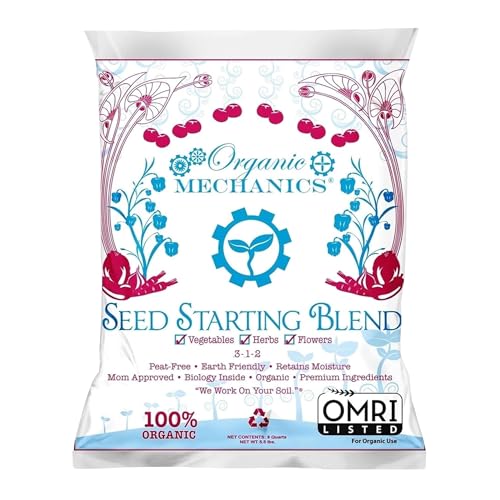
Convenient 8 qt Bag – The perfect organic seed starting mix for both indoor and outdoor gardening projects
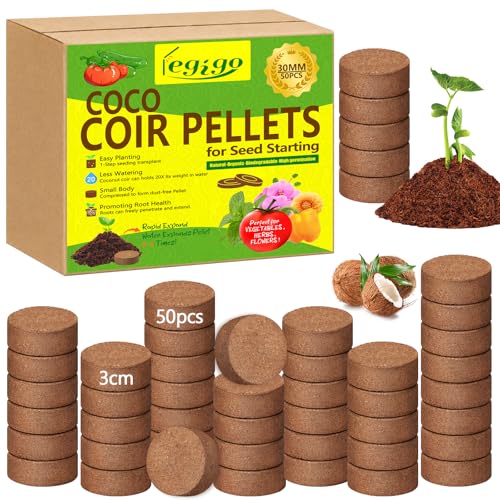
Value Package: You will receive 50 pcs sustainable raw coco coir peat, sized 1.22 inches in diameter and height 0.5 inches; Coco coir potting soil is compressed into a compact small block that is easy to store; You just need to soak a few coco soil discs at a time depending on the plant
Back to The Roots Organic Seed Starting Block (12 Quarts)

Includes Back to the Roots Compressed Seed Starting Potting Mix that expands to 12qt of soil. A balanced pH, which means it’s truly all-purpose. Use alone or as an...
Looking for a seed starter that won’t break the bank or your back?
I found it. Back to The Roots delivers a compressed block that explodes into 12 quarts of fluffy, peat-free mix. No hauling heavy bags, no storage headaches. Just add water, watch it expand, and you’re planting.
The OMRI listing means it’s legit organic, no sketchy chemicals hiding in there.
Balanced pH handles whatever you’re throwing at it: tomatoes, zinnias, basil, whatever. I’ve used it straight in trays and mixed it into garden beds; both ways work.
Their “Grow One Give One” thing? Actually kind of cool. Snap a photo, they donate a kids’ kit to a classroom.
Now here’s the catch: this stuff’s compressed. That means planning ahead, which I sometimes forget. (Whoops.)
Verdict: Apartment gardeners and small-space growers, this is your jam. Already bought the 6-quart version? Upgrade. You’ll thank yourself come March.
Best For: Apartment gardeners and small-space growers who want a lightweight, organic, peat-free seed starting mix that stores easily and expands on demand.
Pros:
- Compressed block expands to 12 quarts, eliminating heavy bags and storage issues
- OMRI Listed for certified organic growing with no sketchy chemicals
- Versatile balanced pH works for vegetables, herbs, flowers, in trays or garden beds
Cons:
- Requires planning ahead since it’s compressed and needs time to expand
- Single 12-quart size may not suit large-scale gardeners
- “Grow One Give One” program requires photo submission to activate donation
Recommended Products
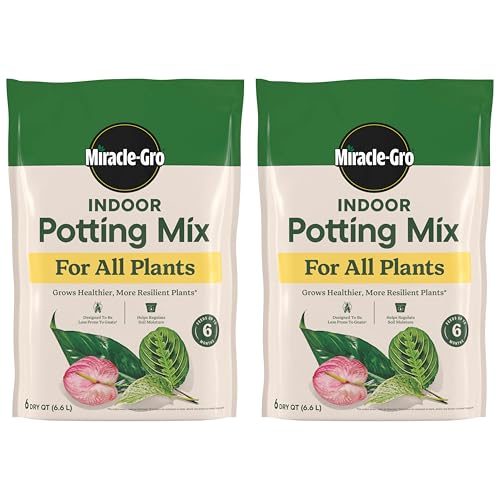
Miracle-Gro Indoor Potting Mix for All Plants feeds houseplants for up to 6 months and grows healthier, more resilient plants (vs unfed when used as directed)
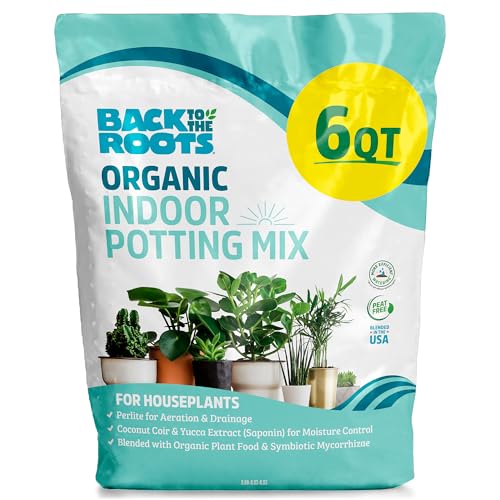
Includes 6qt of Back to the Roots Indoor Potting Mix. Our Potting Mix contains organic yucca extract that aids in retaining moisture in the soil which keeps your indoor plants happy and healthy

Miracle-Gro Indoor Potting Mix for All Plants feeds houseplants for up to 6 months and grows healthier, more resilient plants (vs unfed when used as directed)
Legigo 200 Pcs 30mm Peat Pellets Seed Starter Soil Pods

What You Get: Each package includes 200 pcs 30 mm peat pellets, these come in a compressed round shape, once water is added they grow significantly; Easy to use, perfect for...
Who’s starting seeds on a budget? I’ve found your answer. The Legigo 200 Pcs 30mm Peat Pellets Seed Starter Soil Pods deliver serious value without cutting corners.
What You’re Getting
These compressed peat rounds expand to roughly 1.12 inches wide and 0.4 inches tall when you soak them in warm water, hitting about 1.4 inches after full absorption. Don’t use hot water; you’ll tear the netting.
At 200 pieces per pack, you’re set for multiple growing seasons.
Why I Like Them
The peat material retains moisture beautifully while allowing roots to breathe. When your seedlings outgrow their pods, you transplant the whole thing, netting and all, though I prefer snipping that mesh as roots develop. It prevents that annoying stifling.
These fit standard 1020 trays, keeping my setup organized and clean.
Real Talk
Beginners love the simplicity. Kids grasp the concept instantly. Sure, 30mm feels small for tomatoes or peppers, but I’ve started evening primrose and compact herbs with excellent results.
Storage is a dream; the compressed pellets take up minimal space.
My Verdict
Grab these if you want affordable, no-fuss seed starting. Experienced growers might want larger pellets, but for casual gardeners and teaching moments, Legigo nails it.
Best For: Budget-conscious beginners, casual gardeners, and educators looking for affordable, compact seed starting solutions with minimal storage requirements.
Pros:
- Expands easily with warm water to provide ready-to-plant growing medium with excellent moisture retention and aeration
- Compact compressed form takes minimal storage space and 200 pieces last multiple seasons
- Fits standard 1020 trays for organized, clean seed starting setups
Cons:
- 30mm size feels small for larger plants like tomatoes and peppers
- Netting requires removal as roots develop to prevent stifling, adding a step to transplant process
- Hot water tears the netting, requiring careful temperature control during expansion
Recommended Products
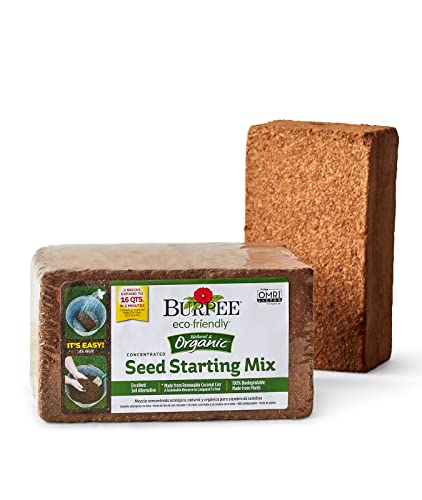
ORGANIC COCONUT COIR: Made from recycled coconut husks, coir is a light, sustainable growing medium that holds the perfect amount of moisture for starting seeds. 100% biodegradable soil alternative. Environmentally-friendly and a renewable alternative to peat moss. OMRI listed and certified organic.
Includes Back to the Roots Compressed Seed Starting Potting Mix that expands to 12qt of soil. A balanced pH, which means it’s truly all-purpose. Use alone or as an amendment for anything in a pot or in the ground — vegetables, flowers, herbs, and even starting seeds.

Coco Coir Growing Medium: This low EC, PH balanced biodegradable soil is made from crude fiber extracted from the husk on coconut husks, 100% organic, natural and sustainable, a traditional soil alternative, it can take your gardening and planting efforts to a new level; 10 Pack, each brick is: 8 x 4 x 2 inches, weight appr.1.4 lb
SunGro Horticulture Organic Seedling Mix – 8 Quart

VERSATILE SEED STARTING: Ideal for germinating seeds in flats, pots, and plug trays. This seed starter mix supports healthy root development for vegetables, herbs, and...
The SunGro Horticulture Organic Seedling Mix isn’t flashy, and that’s exactly why I like it.
It’s just a solid, 8-quart bag of organic seed starting mix that gets the job done. No gimmicks, no fuss.
What’s inside matters
The fine texture retains moisture beautifully, which means my seeds germinate evenly instead of drying out in patches. There’s an organic wetting agent mixed in, so water absorbs uniformly. No more surprise dry pockets killing half my tray!
The silicon-enriched RESiLIENCE additive supposedly helps seedlings resist wilting. Does it work? Honestly, my tomatoes and basil look sturdier, but your mileage may vary.
The organic stamp
It’s OMRI Listed, so I trust it for my vegetables and herbs. At 8 quarts, it’s manageable for home gardeners, not bulk-bin overwhelming.
Verdict: Grab this if you want straightforward, certified organic performance. Skip it if you’re starting hundreds of plants; you’ll need bigger bags. For my windowsill herbs and spring tomatoes? Perfect fit.
Best For: Home gardeners growing vegetables, herbs, and flowers in small to medium batches who want a straightforward, certified organic seed starting mix with reliable moisture retention.
Pros:
- Fine, moisture-retentive texture with organic wetting agent ensures even water absorption and consistent germination without dry pockets
- OMRI Listed for organic growing, making it safe and trusted for edible crops
- Manageable 8-quart size ideal for windowsill gardens and small-scale plantings without being overwhelming
Cons:
- 8-quart capacity insufficient for gardeners starting hundreds of plants or large-scale operations
- RESiLIENCE additive benefits difficult to verify and may vary in effectiveness
- Limited to seed starting—requires transplanting to other soil mixes as plants mature
Recommended Products

CONTAINS: This organic Seed Stating soil mix is a rich blend of sphagnum peat moss & perlite with yucca extract and lime to ensure correct pH.

EXPLOSIVE ROOT GROWTH – 900 propagules per gram of premium mycorrhizae for plants. The formula colonizes roots fast, unleashes locked nutrients, thickens feeder roots, and sets the stage for bigger harvests in pots or garden beds, backed by decades of high-caliber soil science for enlivening vigor.

CONTAINS: This organic Seed Stating soil mix is a rich blend of sphagnum peat moss & perlite with yucca extract and lime to ensure correct pH
Espoma Organic Seed Starter Potting Mix, 16 qt
CONTAINS: This organic Seed Stating soil mix is a rich blend of sphagnum peat moss & perlite with yucca extract and lime to ensure correct pH. MYCO-TONE: A blend of endo &...
You want a seed starter that actually works with nature, not against it? I’ve found that in Espoma’s Organic Seed Starter. This 16-quart bag gives you plenty to work with, and the formula actually makes sense.
What’s Inside (And Why It Matters)
Espoma blends sphagnum peat moss with perlite for that light, fluffy texture roots love. They add lime to balance pH automatically, so you’re not guessing.
The real standout, Myco-Tone: that’s their proprietary mix of endo and ecto mycorrhizae, beneficial fungi that partner with roots. Think of them as tiny underground helpers that extend your plant’s reach for water and nutrients.
My Experience
I use this for everything, flowers, vegetables, herbs, even rooting cuttings. The moisture retention hits that sweet spot: damp enough to germinate, airy enough to prevent rot. No synthetic chemicals, fully organic certification.
Who Should Grab This
Perfect for organic gardeners, anyone starting lots of seeds, and folks like me who’d rather not micromanage pH. At 16 quarts, it’s practical without being unwieldy.
Verdict: Solid choice if natural ingredients and proven performance matter to you.
Best For: Organic gardeners who want a natural, pH-balanced seed starting mix with beneficial mycorrhizae for germinating seeds and rooting cuttings without synthetic chemicals.
Pros:
- Contains Myco-Tone, a proprietary blend of endo and ecto mycorrhizae that promotes root growth and extends nutrient uptake
- Pre-balanced pH with added lime eliminates guesswork and micromanagement
- Lightweight, fluffy sphagnum peat moss and perlite blend provides ideal moisture retention and aeration to prevent rot
Cons:
- Peat-based composition raises sustainability concerns for environmentally conscious buyers
- 16-quart bag may be insufficient for large-scale or commercial seed starting operations
- No alternative pH adjustments offered; lime addition may not suit acid-loving species requirements
Recommended Products
CONTAINS: This organic Seed Stating soil mix is a rich blend of sphagnum peat moss & perlite with yucca extract and lime to ensure correct pH.

Ready to Use - Seed starter mix eliminates the need for complex soil preparation, making it a time-saving and effortless option

【Optimal Germination Environment】Omitgoter Seedling Soil is specially formulated to provide the ideal conditions for seed germination, ensuring strong and healthy sprouts from day one.
Coast of Maine Sprout Island Seed Starter (8 Qt)

Specially Crafted for Seed Starting: Formulated for seed germination and rooting plant cuttings in cell packs, trays, flats, and other propagation systems. Build...
Looking for a seed starter that won’t let your tomatoes flop before they even get started?
I’ve turned to Coast of Maine’s Sprout Island Blend, and it’s quickly become my go-to for finicky seeds. This 8-quart bag packs composted manure, mycorrhizae (those friendly fungi that help roots drink up nutrients), worm castings, and kelp into one earthy mix.
The drainage actually works. I’ve noticed fewer drowned seedlings compared to denser mixes.
What stands out:
- OMRI listed for organic gardening
- Ready-to-use right out of the bag
- Works in cell packs, trays, or flats
The brand’s been at this since 1996, which matters to me. They’re serious about regenerative practices, not just slapping “natural” on the label.
The catch: Eight quarts fills fewer trays than Espoma’s 16-quart option I mentioned earlier. If you’re starting a dozen tomato varieties, you’ll need multiple bags.
Verdict: Perfect for gardeners who want premium ingredients and don’t mind the smaller size. Buy two if you’re ambitious.
Best For: Gardeners seeking an organic, ready-to-use seed starter with premium ingredients who are starting modest quantities of seeds or cuttings and value sustainable, regenerative practices over bulk volume.
Pros:
- Contains beneficial mycorrhizae, worm castings, and kelp for strong seedling development and effective drainage that reduces drowning
- OMRI listed for organic use with genuine regenerative brand practices since 1996, not just greenwashing
- Ready-to-use straight from the bag in cell packs, trays, or flats with no additional preparation needed
Cons:
- 8-quart capacity fills significantly fewer trays than competing 16-quart options, requiring multiple bags for ambitious gardeners
- Smaller size makes it less practical for large-scale seed starting or multiple tomato varieties
- Limited availability or recognition compared to more widely distributed brands like Espoma
Recommended Products

Pure Organic Blend: 100% natural mix of peat, coconut coir, worm castings, perlite, and humus—perfect for potting mix and seed starter soil, ensuring chemical-free gardening.

100% ORGANIC & READY TO GROW: Pre-blended with natural, plant-based food to give your vegetables, herbs, and seedlings a healthy start. No synthetic chemicals, no harsh salts-just pure, organic goodness
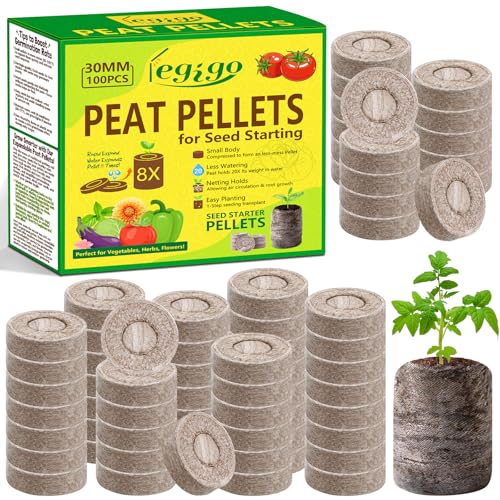
What You Get: Each package includes 100 pcs of 30 mm peat pellets. Just add water, and the seed starter soil will rapidly expand to 8x their original size, forming individual seedling pots. No messy soil prep required, simply place seeds to start growing. Ideal for starting multiple seeds and seedlings, the ample quantity meets daily seedling-growing needs, making seed germination a breeze
Factors to Consider When Choosing Seed Starter Soil
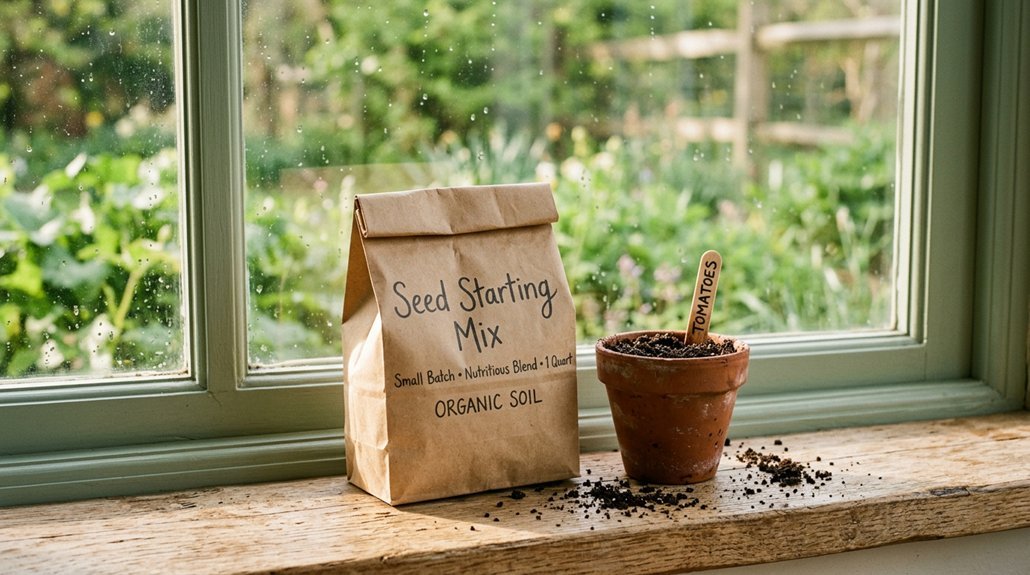
I won’t grab just any bag off the shelf, and neither should you. When I’m picking seed starter soil, I weigh five things hard: whether it’s certified organic (no mystery chemicals near my sprouts), how well it holds moisture without drowning roots, if the nutrients are balanced enough for babies but not so hot they burn, how loose and airy the mix feels for roots to stretch, and lately, how much peats in there, since I’m trying to dial back on that stuff for the planet’s sake.
Get these right, and you’re not just planting seeds, you’re giving them a launchpad.
Recommended Products
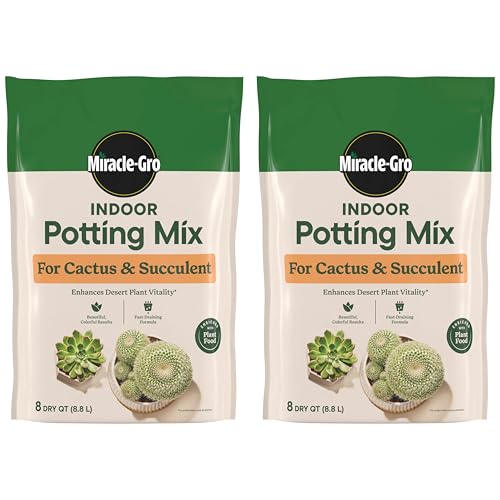
Miracle-Gro Indoor Potting Mix for Cactus and Succulent is enriched with Miracle-Gro Plant Food and enhances desert plant vitality (vs unfed plants when used as directed)

Miracle Gro seed starting potting mix

Includes 12qt of Back to the Roots Indoor Potting Mix. Our Potting Mix contains organic yucca extract that aids in retaining moisture in the soil whichs keeps your indoor plants happy and healthy
Organic Certification Status
Why does organic certification matter so much for seed starter soil? Because I want to know exactly what I’m feeding my seedlings, and third-party verification like OMRI Listed gives me that peace of mind. It means the mix meets strict organic production standards, no guesswork required.
I always check for that label. Organic-certified mixes skip synthetic fertilizers and artificial junk, relying instead on compost, peat-free alternatives, or plant-based inputs. Speaking of peat-free, these formulations cut down on peatland destruction and CO2 emissions. That’s a win I can feel good about.
Many organic options also pack natural amendments: mycorrhizae (beneficial fungi), worm castings, kelp. These boost plant health without synthetic shortcuts. For anyone growing edibles or following organic guidelines, certification isn’t just nice to have. It’s essential.
Moisture Retention Ability
How does my seed starter soil actually hold onto water when I’m not hovering over it with a spray bottle? It’s all about the ingredients, and I’ve learned to read labels like a detective.
The Moisture Keepers
Fine textures matter. Peat, coco coir, and sphagnum moss act like tiny sponges, releasing water slowly so seeds don’t dry out mid-sprout. I personally lean toward coco coir, it’s peat-free, eco-friendlier, and doesn’t compact into concrete.
Additives That Actually Help
Some mixes include yucca extract or wetting agents. These spread water evenly instead of letting it pool or run off. Handy? Absolutely. Necessary? Not always, but I appreciate the insurance policy.
The Drainage Balance
Perlite and vermiculite keep things airy. Without them, you get soggy, rotting seeds. With them, roots breathe while staying hydrated. Pre-moistened mixes save me setup time, too.
My verdict: Look for coco coir base plus perlite. Your future seedlings will thank you.
Nutrient Composition Balance
Once you’ve got moisture sorted, it’s time to talk food.
The Goldilocks Zone
I want nutrients present, but not overwhelming. Too much salt burns tiny seedlings. Too little, and they stall before true leaves appear. I look for gentle organic nutrients or seed starting-specific plant food, never heavy, aged compost. That stuff stays soggy and invites damping-off, that fuzzy death sentence for baby plants.
What I Actually Check
Mycorrhizae and worm castings? Love them. These microscopic helpers boost uptake once roots get going.
I also scan for dolomitic limestone, which adds calcium and magnesium while keeping pH steady. That stability matters more than you’d think.
Base Matters
Peat-free mixes with coconut coir deliver nutrients differently than peat-based ones. Coir’s looser texture means I adjust my fertilizing schedule slightly.
Root Development Support
Dig into any seed starter soil, and you’re really shopping for your roots’ first apartment. I want that space light, airy, and packed with helpful neighbors.
What Actually Matters
Look for mycorrhizae, those beneficial fungi that partner with roots to grab more water and nutrients. I’ve seen seedlings explode with growth when these tiny helpers show up.
Moisture retention keeps roots happy without drowning them. Fine, peat-free blends hold steady humidity, cutting down on transplant shock. And please, skip the heavy, compacted stuff: roots need to stretch, not fight for elbow room.
The pH and Food Balance
Dolomitic limestone keeps pH in the sweet spot so roots can actually access nutrients. I lean toward worm castings and gentle organics over synthetic salts, which can burn tender new growth.
Your roots will thank you.
Peat Content Consideration
Peat-based starters feel light and fluffy in the bag, almost dusty, and they hold water like a sponge, which sounds great until you realize that sponge never fully wrings out.
I learned this the hard way with my tomatoes. The roots sat soggy, and damping-off hit hard. Peat holds moisture beautifully for germination, sure, but it can suffocate developing roots if you’re heavy-handed with watering.
The Peat-Free Alternative
Now I grab coconut coir mixes when I can find them. They drain faster, which means I water more often, but my seedlings root harder and faster. Worm castings and compost blends work too, though they weigh more in the bag.
What to Check
Look for “peat-free,” “contains coconut coir,” or “reduced environmental impact” on labels. These mixes usually tout lower CO2 emissions from avoiding peatland disruption.
My Verdict
If you’re forgetful with watering, peat’s forgiving. If you tend to overwater, or you care about sustainability, go peat-free. I switched two seasons ago and haven’t looked back.
pH Level Suitability
After swapping out peat for coir, I thought I’d solved all my soil problems. Then my seedlings stalled, and I checked the pH: way off. Seed starter soil needs to hit that sweet spot, roughly 6.0 to 7.0, where nutrients actually become available to roots. Miss this range, and germination suffers.
What to look for:
- Documented pH range on the bag (non-negotiable for me)
- Dolomitic limestone or lime, which nudges acidity up while adding calcium and magnesium
- Explicit pH adjustment in peat-free blends, since coir and other substitutes don’t behave like peat
Here’s the kicker: OMRI-listed or organic stamped on the label? That certification doesn’t guarantee proper pH. I’ve learned to dig into formulation details. Your seeds can’t absorb what chemistry locks away.
Drainage and Aeration
Why do so many seedlings keel over before they’ve even had a chance? Usually, it’s soggy soil suffocating their roots.
The Drainage Problem
I always check how fast water runs through a mix. Seed starter soil needs to drain quickly, or you’ll get waterlogged roots and that dreaded damping-off disease, where seedlings suddenly collapse at the soil line. Not fun.
Aeration Matters Too
Roots need air pockets to breathe and expand. I look for coarse textures, perlite, or similar chunky bits that create these spaces. Peat-free and organic mixes often win here. Their lighter, fibrous structure lets water move through without pooling.
Finding Balance
Even soil blocks and expanding pellets must release excess moisture as seedlings grow. The sweet spot? Moisture-retentive yet well-draining. That’s how you get consistent germination and sturdy, upright seedlings ready for transplanting.