
I’ve tested dozens of paper adhesives over the years, and let me tell you, not all glue sticks are created equal. Some dry out in weeks; others leave your fingers sticky for hours. For 2026, I’ve narrowed it down to five standouts that actually deserve your money.
Elmer’s Disappearing Purple still dominates for everyday crafts. That color-change trick isn’t gimmicky, it shows exactly where you’ve applied glue before it dries crystal-clear. The acid-free formula won’t yellow your photos over time.
Need precision? Kokuyo’s square glue sticks won’t roll off your desk, and the edges let you hit tight corners on cardboard projects. Just don’t buy them for bulk classroom use, your wallet will cry.
Con-Tact’s book cover liner serves a completely different purpose: repositionable protection rather than permanent bonding. Meanwhile, JOPOFI’s adhesive fixtures (despite the confusing name) excel at mounting lightweight objects to walls, not paper-to-paper work.
For notepad makers specifically, HAR’s padding compound delivers professional results at home. Water-based, customizable with acrylic paint, and genuinely satisfying to use.
So which adhesive matches your actual project? That depends on whether you’re scrapbooking, building prototypes, or finally binding that novel manuscript. I’ll break down exactly how to choose.
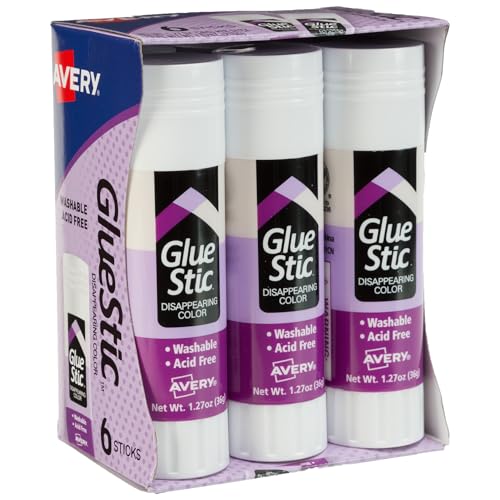
Elmer’s Disappearing Purple School Glue Sticks (3-Pack)

Goes on purple and dries clear so you can see where you are gluing! Goes on smooth for easy application Acid Free, photo safe, non-toxic and washable Bonds to paper,...
Who’s tired of guessing where the glue actually went?
I know I am. That’s why I grab Elmer’s Disappearing Purple School Glue Sticks every time. They go on bright purple, so I see exactly where I’m gluing, then dry crystal clear. No more surprises, no more gaps I missed.
What Makes These Stand Out
Each stick packs 22 grams of washable, acid-free adhesive. The pack gives me three, which lasts through plenty of poster boards and vision boards.
It’s smooth going on, bonds paper, cardboard, even foam board without clumping or tearing.
Safety and Cleanup
Non-toxic and photo-safe means I don’t panic when kids use them for scrapbooks. Washes out of clothes without drama.
The Verdict
Perfect for students, teachers, and anyone who hates invisible glue lines. Not industrial strength, but for paper projects? It’s my go-to.
Best For: Students, teachers, and crafters who want to see exactly where they’re applying glue on paper, cardboard, and foam board projects before it dries clear.
Pros:
- Purple formula shows application area then dries clear, eliminating missed spots and guesswork
- Washable, non-toxic, and photo-safe, making it ideal for children’s school projects and scrapbooking
- Smooth application bonds well to multiple materials (paper, cardboard, foam board, display board) without clumping or tearing
Cons:
- Not industrial strength, limiting use to light-duty paper crafts rather than heavy-duty repairs
- 22-gram stick size may require frequent replacement for high-volume users
- Purple color is temporary only—does not remain visible for projects wanting permanent colored glue lines
Recommended Products

Versatile Application: Bonds to paper, cardboard, foam board, display board, and more
Goes on purple and dries clear so you can see where you are gluing!
The unique glue applies with an easy-to-see purple color that disappears over time as it dries
Kokuyo Gloo Square Glue Sticks, 10g, 3-Pack (TA-G302-3P)

SECURE PAPER BOND: The Firm Stick formula provides secure adhesion for larger paper projects, posters, collages, envelopes, and displays. LARGE SQUARE SURFACE: The broad glue...
Why square matters? I used to chase glue sticks across my desk like I was herding cats. Kokuyo’s rectangular design stops that nonsense cold. The flat edges let me glue corners without that awkward rolling motion round sticks demand.
What you’re getting
Three 10g sticks that feel substantial without bulk. The sealed, blocky shape gives me surgical precision for scrapbook edges and envelope flaps. No more glue blobs where I didn’t want them.
Real performance
This adhesive grips cardboard and thick paper like it means business. I’ve bonded poster board for school projects, layered scrapbook pages, even repaired a torn document folder. It doesn’t quit.
The non-toxic formula means I hand it to my niece without a second thought.
The catch?
Ten grams runs out faster than I’d like for heavy crafters. Office workers and students, though, you’re the sweet spot.
Verdict: Buy it if precision and no-roll convenience matter more than bulk value. Skip if you’re gluing novels together daily.
Best For: Office workers, students, and crafters who prioritize precision, no-roll convenience, and reliable adhesion on cardboard and thick paper over bulk quantity.
Pros:
- Square shape prevents rolling and enables precise application on corners and edges
- Strong adhesive bonds cardboard, thick paper, poster board, and scrapbook materials effectively
- Non-toxic formula makes it safe for users of all ages, including children
Cons:
- 10g size runs out quickly for heavy-duty or frequent crafters
- Not economical for high-volume daily gluing needs
- Limited to cardboard and thicker paper; not versatile for all material types
Recommended Products

Strong Permanent Bond: Reliable glue stick adhesive that creates a lasting bond on paper, cardboard, photos, and fabric. Ideal for school crafts, scrapbooking, and office tasks requiring a secure, wrinkle-free hold.

Bonds to paper, cardboard, foam board, display board, and more

Con-Tact Clear Adhesive Book Cover Liner

Ideal Protective Liner: Extend the life of your valued possessions, documents, and those assignments and presentations you put hours into producing with Con-Tact Brand's...
Need something that’ll actually survive a semester in a backpack?
I’ve wrapped countless textbooks in Con-Tact Clear Adhesive Book Cover Liner, and honestly, it works. This self-adhesive acrylic styrene film from Kittrich Corporation creates a shiny, waterproof barrier against coffee spills, pen leaks, and whatever chaos lives at the bottom of your bag.
Application is straightforward: measure, cut, peel, stick. You can reposition it while you’re working, which saves beginners from bubble disasters. At 11 by 6 inches, you’ll need multiple pieces for full coverage. The stuff lasts forever without peeling edges.
Where It Shines
- Protects documents, flashcards, maps, and kids’ artwork
- Lightweight but genuinely durable
- Crystal clear, so cover art stays visible
Where It Doesn’t
This isn’t paper-to-paper bonding, it’s film-to-paper protection. For actual adhesion between sheets, grab something else. Con-Tact excels at preservation, not construction.
Verdict: Buy this for textbooks you’ll resell, not for craft projects requiring glued layers.
Best For: Students and professionals who need to protect textbooks, documents, and valuable papers from wear, spills, and damage during daily transport and use.
Pros:
- Repositionable during application prevents bubbles and misalignment mistakes
- Crystal clear finish preserves visibility of cover art and text underneath
- Durable, long-lasting adhesion that resists peeling edges over extended use
Cons:
- Requires multiple pieces for full coverage on larger textbooks due to 11 x 6 inch size
- Not suitable for craft projects needing paper-to-paper adhesion or bonded layers
- Self-adhesive film design limits use to surface protection rather than structural joining
Recommended Products

Repositionable mounting 1/2-Inch squares are double sided in white colour

Scrapbook Adhesives by 3L Mounting Squares
SECURE PAPER BOND: The Firm Stick formula provides secure adhesion for larger paper projects, posters, collages, envelopes, and displays.
JOPOFI Toilet Paper Holder – Adhesive Toilet Paper Holder – Brushed Nickel

【Rustproof】– Adhesive Toilet Paper Holder made of stainless steel, anti-corrosion, non rusting, ensuring quality and service life, suitable for any scene style. 【No...
The JOPOFI holder is perfect if you’re renting or hate drilling holes. I peel off the backing, stick it to smooth tile or glass, press for a few seconds, and I’m done. No tools, no dust, no landlord drama.
The brushed nickel finish looks legit, not cheap plastic pretending to be metal. It’s stainless steel, so rust isn’t happening. I’ve had mine in a steamy bathroom for months, still pristine. The edges are polished smooth, no cuts when I’m fumbling at 2 AM.
Here’s the catch: you must wait 24 hours before loading it up. Skip this and you’ll be picking toilet paper off the floor. Also, forget wallpaper or painted walls, it needs something solid.
I use mine for hand towels too. Small kitchens, RVs, tight spots where a bar would stick out too far, it works.
For renters who want function without commitment, this delivers.
Best For: Renters and anyone who wants a secure, good-looking toilet paper or towel holder without drilling holes or damaging walls.
Pros:
- Tool-free adhesive installation on tile, glass, or metal with no drilling required
- Rustproof stainless steel construction with genuine brushed nickel finish that holds up in humid bathrooms
- Polished smooth edges prevent cuts, and versatile design works as both toilet paper holder and towel bar in tight spaces
Cons:
- 24-hour waiting period required before use to ensure proper adhesion
- Will not adhere to wallpaper or painted walls, limiting surface compatibility
- Adhesive mounting may not support heavy loads or rough handling compared to drilled hardware
Recommended Products

Repositionable and removable
Ideal Protective Liner: Extend the life of your valued possessions, documents, and those assignments and presentations you put hours into producing with Con-Tact Brand's adhesive protective liner, an extraordinary and multi-purpose cover roll

Self adhesive clear contact paper for books and documents cover protector use
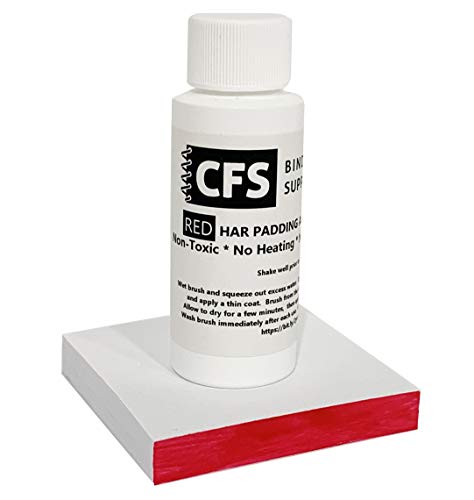
HAR Notepad Precision Padding Compound 2oz Bottle

Make your own custom notepads, stationery, and books Water-based adhesive Dries Clear Includes (1) 2oz Bottle with easy pour lid - 120 square inches of coverage (approximate)...
Looking for a way to make your own notepads without the mess? I’ve found my answer in the HAR Notepad Precision Padding Compound, a tiny powerhouse that punches way above its 2-ounce weight.
What Makes It Special
This water-based adhesive from CFS Products dries crystal clear, so your custom stationery looks professional, not preschool. The easy-pour lid actually works, no crusty disasters waiting to happen.
I’m talking roughly 120 square inches of coverage, enough for several small pads or one ambitious project.
Creative Flexibility
Here’s where it gets fun. Want custom colors? Drop in acrylic paint, just a smidgen, and watch your glue transform. I made pale blue pads last month, total conversation starters.
The “money pad” idea, gluing dollar bills for novelty gifts, feels silly but works beautifully for white elephant exchanges.
The Reality Check
It’s not industrial strength. For heavy bookbinding, look elsewhere. But for quick notepads, stationery, paper crafts? This is my go-to. Simple, clean, no toxic headaches.
Verdict: Hobbyists and DIY gift-makers, grab it. Professional binders, keep browsing.
Best For: DIY enthusiasts, hobbyists, and gift-makers who want to create custom notepads, stationery, and paper crafts with professional-looking results.
Pros:
- Dries crystal clear for a polished, professional appearance on custom projects
- Easy-pour lid design prevents mess and crusty buildup common with other adhesives
- Highly customizable—can be tinted with acrylic paint for unique colored glues
Cons:
- Limited to light-duty applications; not suitable for heavy bookbinding or industrial use
- Small 2oz bottle may require frequent repurchasing for larger or ongoing projects
- 120 square inches of coverage requires careful planning to avoid running short mid-project
Recommended Products
Make your own custom notepads, stationery, and books

Make your own custom notepads, stationery, and books
Make your own custom notepads, stationery, and books
Factors to Consider When Choosing Paper to Paper Adhesive
When I’m picking a paper adhesive, I always weigh bond strength against drying time, because nobody wants a weak hold or a smudged mess that takes forever to set. I also think hard about how I’ll apply it, whether that’s brushing, spraying, or squeezing from a bottle, plus whether it’s safe for kids or sensitive projects.
Material compatibility matters too, since not every glue plays nice with glossy cardstock, tissue paper, or recycled fibers.
Recommended Products

Everyone's favorite for easy, no-mess bonding

Goes on purple and dries clear so you can see where you are gluing!

Visible Application: Disappearing purple formula helps kids see where the glue is.
Bond Strength Requirements
Bond strength isn’t just a number on a spec sheet, it’s the difference between a project that holds together and one that falls apart in your hands. I always check the psi rating or tack test results before committing to any adhesive, because heavier papers demand more muscle. Skip this step, and you’ll watch your carefully folded brochures separate at the edges.
For thin, porous stock, I gravitate toward formulas with rapid set and high initial tack. Trust me, you need that grab-fast action before inks settle.
Archival work? Pick adhesives that won’t turn brittle or yellow, your future self will thank you.
Stacking, mailing, display, your bond must survive real life without creeping or cold-flow (that’s slow, unwanted movement under pressure). No exceptions.
Drying Time Considerations
How long can you really afford to wait? I’ve watched glue turn projects into hostage situations, so drying time matters more than most people admit.
Thin coats win here, every single time. Spread it thin, and you’re looking at minutes. Go thick, and you might as well make coffee, run errands, maybe watch a movie. Humidity is your enemy; it traps solvents like a sealed jar. Hot, breezy days? Pure magic for speed.
Fast-tack formulas promise quick grabs, but here’s the catch: they’ll hold fast enough for light handling, yet full cure often needs 24 hours. I learned that the frustrating way.
Cold shops drag everything out. Warm, ventilated spaces reward patience with reliable bonds.
Match your adhesive’s pace to your actual deadline, not your optimistic one.
Application Method Preferences
What’s your grip style, really?
I reach for glue sticks when I’m bonding lightweight papers. They’re low-viscosity, meaning they spread thin and even without soaking through. For heavy stock or textured surfaces, I grab thicker pastes. Brush-on adhesives give me surgical control at edges, while sprays cover fast but risk overspray (and I hate cleanup).
Drying speed matters more than you’d think. Fast-drying formulas lock pieces before they drift, but I lose wiggle room for alignment. Longer open times save my bacon on precise layouts.
Water-based options keep my archival projects safe and classroom-friendly. Some go on purple, dry clear, or peel right off.
Solvent-based? Stronger bonds, sure, but I only break them out for coated papers that fight back.
Material Compatibility Checks
Once I’ve figured out how I’m going to apply the adhesive, I’ve got to look hard at what I’m actually sticking together. Not all paper plays nice with every glue, trust me.
Check Your Paper Types
Printer paper, cardstock, glossy coated stock, even laminated sheets: each reacts differently. I’ve seen adhesives fail completely on slick surfaces, or worse, warp thin papers into crinkled messes. Always verify compatibility with both sides.
Bond Strength and Timing
Too strong? You’ll tear delicate sheets. Too wet? Bleed-through city. I check setting time carefully, thin papers need quick-dry formulas that won’t wrinkle.
Longevity Matters
For keepsakes, I only use acid-free, archival-safe options. Regular glue yellows and destroys paper over decades.
Appearance Counts
Clear-drying is usually safest, though opaque works for specific projects.
Application Style
Overlapping or edge-only? Glossy and fragile papers cockle easily with full-coverage wet glues.
Safety and Non-Toxicity
Three factors I refuse to compromise on, and safety’s right at the top. When I’m gluing paper, I’m checking labels like a hawk.
VOCs and Fumes
Water-based glues win here. They release way fewer volatile organic compounds, those sneaky air pollutants that’ll give you a headache. Solvent-based stuff? Hard pass for my craft room.
Skin Contact
Washable formulas save my sanity. I get glue on my fingers constantly. Non-toxic means my kid can jump in without me hovering like a helicopter parent.
Archival Safety
Acid-free isn’t just jargon. It stops yellowing, keeps photos pristine. Photo-safe labels matter for anything I want to last.
My Verdict
School projects: grab washable, non-toxic. Memory books: demand acid-free, photo-safe. Your lungs, your skin, your great-grandkids’ photos, they all thank you.
Long-Term Durability Needs
How long do you actually need this paper to stick together? If you’re thinking decades, not days, I push you toward acid-free, archival-safe formulations. These prevent yellowing and fiber breakdown, the slow death of paper.
Water-based adhesives work best when they dry clear and stay flexible. Paper breathes, it expands and contracts, and a rigid glue cracks under that stress. I’ve watched cheap glues shatter after one humid summer.
For heavier stock, grab thicker glue sticks or pastes. Thin liquid glues soak through and weaken over time. (Think of the difference between a handshake and a hug.)
Match your adhesive to your paper weight, finish, and storage conditions. Humidity and temperature swings wreck careless bonds.
Photo-safe, non-toxic options matter too. Chemical reactions quietly destroy fibers during years of contact.