
I’ve tested newsprint that dries before lunch, tissue that bleeds across the table, and clay, heavy mixes that carve like wood.
Choosing the right paper mâché material means balancing speed, strength, and whether your kid’s rainbow project turns into a brown mess.
Let me walk you through what actually worked in my workshop this year, and who each pick is really for.
Bryco Goods Newsprint Packing Paper Sheets (50 Sheets, 27″x17″)

Packing Paper For Moving is essential to limit breakage when packing delicate items Newsprint Packing Paper is not just for moving, wrap holiday decorations for safe storage...
If you’re the type who hates spending money on fancy craft supplies only to watch your kid (or you, let’s be honest) turn them into a pulp-covered mess, Bryco Goods Newsprint Packing Paper is about to become your new best friend.
I’m talking about 50 sheets of 27″ x 17″ unbleached, gray-white newsprint. The clean, neutral surface has zero printing, so I never worry about ink transferring onto my projects. At 1.5 pounds total, these sheets tear easily and soak up flour paste like a dream.
For paper mache, that matters. The thin, uniform layers dry faster than thick newspaper, and I can build up smooth forms without lumpy surprises. I also love that I’m not hoarding toxic bleached products in my craft closet.
Here’s what else I’ve used it for: wrapping holiday ornaments, lining my friend’s bird cage (she swears by it), and streak-free glass cleaning. The compost thing? I haven’t tried it, but it’s nice knowing I could.
The physical reality: These sheets are slightly larger than standard newsprint, which means fewer seams on big balloon bases. They’re lighter than packing bubble wrap but sturdier than tissue paper.
My verdict: Grab this if you’re a beginner, a parent with messy kids, or anyone who burns through paper fast. Skip it if you need bright white presentation material. For pure, functional paper mache? I’m stocking up.
Best For: Beginners, parents with messy kids, or anyone who burns through paper fast for crafts like paper mache, packing, or multi-purpose household uses.
Pros:
- Clean, unbleached surface with zero printing prevents ink transfer onto projects
- Thin, uniform layers dry faster than thick newspaper for smoother paper mache results
- Versatile for multiple uses: packing, crafts, bird cage liner, glass cleaning, and composting
Cons:
- Gray-white color is not suitable for those needing bright white presentation material
- Lighter weight may not provide as much cushioning as bubble wrap for fragile items
- Limited to 50 sheets per pack, which may run out quickly for heavy users
Recommended Products

【Perfect Wrapper】 Our packing paper for shipping conforms to the shape of fragile objects like glasses, dishes, mirrors, plates or anything breakable. Use each sheet to wrap around any item. Available in size: 26"x15” (1.8lb bulk pack, 70 sheets)

Perfect Size: Letter size, measuring 8.5x11inches, our newsprint drawing paper master dry media, such as graphite, charcoal, colored lpencils, pastel. NOT SUITABLE FOR PRINTER.

HIGH-QUALITY, LOW-COST - The unprinted newsprint packing paper is made of raw pulp, with moderate toughness and softness, flat surface, light, recyclable, easy to fold and cut, does not take up space, moisture-proof, easy to store for long-term use.
Simetufy 5400 Pcs 1 in Tissue Paper Squares 36 Assorted Colors for Crafts

Tissue Paper Square for Crafts: The package comes with 5400 pcs 1 Inch mosaic tissue paper squares, which are divided into 6 small bags and individually packaged, each small...
Who needs endless cutting when you’re knee-deep in a paper mache project? I certainly don’t, and that’s why Simetufy’s pre-cut squares caught my attention.
What You’re Getting
This pack delivers 5,400 one-inch tissue squares across 36 colors, including metallics like gold and silver. They’re split into six grab-and-go bags, 150 sheets per color.
The 14gsm weight is tissue-paper thin, perfect for that smooth, layered finish I love on curved surfaces.
Why It Works for Paper Mache
The non-bleeding formula means no surprise color runs when your paste gets wet. I’ve seen cheaper tissues turn my white glue into pink soup; not here.
The squares lay flat, conform to weird shapes, and tear easily for feathered edges.
The Trade-offs
One inch is tiny for large projects. You’ll be reaching for those bags constantly.
And 14gsm is delicate, so aggressive layering rips it. For big armatures, I’d start with newspaper, then finish with these for color.
My Verdict
Grab this if you teach classes, craft with kids, or hate scissors. Skip it if you’re building giant sculptures solo.
Best For: Teachers, parents crafting with kids, and anyone who wants to skip cutting time on small-to-medium paper mache and collage projects.
Pros:
- Pre-cut 1-inch squares save significant preparation time
- Non-bleeding formula prevents color runs when using wet paste or glue
- Six grab-and-go bags with 36 colors (including metallics) make organization and color selection easy
Cons:
- One-inch size is too small for large projects, requiring frequent bag access
- 14gsm weight is delicate and tears easily with aggressive layering
- Not suitable as primary material for giant sculptures without newspaper underlayer
Recommended Products

42 ASSORTED COLORS: The package contains 6300 sheets of 1" tissue paper squares in 42 vibrant rainbow colours (including gold and silver), 150 sheets of each colour, each color comes in a plastic bag. Each colour palette includes a variety of different saturated colours to suit different styles of creativity.
Tissue Paper Square for Crafts: The package comes with 5400 pcs 1 Inch mosaic tissue paper squares, which are divided into 6 small bags and individually packaged, each small bag has 36 colors and a total of 900 sheets, just take out a small bag each time you can use 36 colors, easy to store

The package comes with 6000 pieces tissue paper squares, 30 wide range of lovely colors, 200 pieces each color. You can choose to use according to your needs
Activa FastMâché Fast Drying Paper Mâché, 3lb

The original fast drying instant papier mache mix; just add water, no paper strip cutting or adding messy paste; beginner friendly with exceptionally professional results,...
Ever waited days for paper mâché to dry? I’ve been there, and it’s maddening.
Activa’s FastMâché cuts that wait from days to hours. It’s made from 100% recycled paper; you just mix it with water. The stuff adheres to almost any surface, dries hard, and barely shrinks.
Huge upgrade from soggy newspaper strips flopping everywhere.
What I love most: it’s carveable. While wet, I shape it with modeling tools. Once cured, sand it, saw it, drill it.
Your diorama, decorative bowl, or weird little sculpture holds crisp detail, paint, and texture.
Clean up with soap and water. It’s nontoxic, ACMI certified, made in the USA. Meets both US and European standards, so I don’t worry about handing it to kids.
Best for: impatient creators, classrooms, anyone wanting structural strength without the wait.
Skip if: you prefer traditional strip methods, or need something feather-light.
For me, the time saved wins. Why suffer through weekend-long drying when you can finish same day?
Best For: Impatient creators, classrooms, and anyone wanting structural strength without the wait who needs a fast-drying, carveable, and nontoxic paper mâché for projects like dioramas, decorative objects, and sculptures.
Pros:
- Dries from days to hours, enabling same-day project completion
- Carveable when wet and sandable/sawable/drillable once cured for precise detailing
- Made from 100% recycled paper, nontoxic, and ACMI certified for safe use with kids
Cons:
- Heavier than traditional strip methods, not ideal for feather-light applications
- Requires mixing with water rather than ready-to-use convenience
- May not suit those who prefer classic newspaper strip techniques
Recommended Products
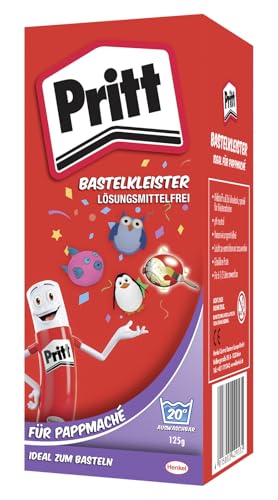
Free from preservatives and solvents, safe for children

The original and industry leading instant papier mache mix; just add water, no paper strip cutting or adding messy paste; beginner friendly with exceptionally professional results, sustainably sourced and made from 100% recycled paper

The original and industry leading instant papier mache mix; just add water, no paper strip cutting or adding messy paste; beginner friendly with exceptionally professional results, sustainably sourced and made from 100% recycled paper
Activa CelluClay Instant Paper Mâché, 2lb (900g)
The original and industry leading instant papier mache mix; just add water, no paper strip cutting or adding messy paste; beginner friendly with exceptionally professional...
Looking for instant results without the mess? I reach for Activa CelluClay when I want to skip the whole newspaper-strips-and-paste routine entirely. This powder mixes with water into a clay-like substance you mold directly, no layering required.
What Makes It Different
Unlike traditional paper mache, CelluClay dries hard and durable, sandable, paintable, even drillable. I have carved details into cured pieces that would crumble with standard paste methods.
The 2lb bag yields plenty for masks, props, or small sculptures without waste.
The Real-World Test
It adheres stubbornly to armatures, wire, or cardboard. Cleanup means soap and water, not scraping dried glue off your table for an hour. (I have done both. This wins.)
Who Should Buy It
Beginners love the forgiving, one-step process. Professionals appreciate the speed for deadline work.
The 100% recycled paper content and non-toxic certification do not hurt either.
Verdict: Choose this when you need sculpture-grade results fast, not delicate layered shells.
Best For: Artists, students, and crafters of any skill level who want fast, durable sculpture-grade results without the mess of traditional paper mache layering.
Pros:
- One-step mixing with water eliminates newspaper strips and paste mess
- Dries hard and durable enough to sand, carve, drill, and paint
- Adheres strongly to armatures and cleans up easily with soap and water
Cons:
- 2lb bag may be insufficient for large-scale projects
- Powder form requires careful measuring and water ratio control
- Hard finish lacks the lightweight flexibility of traditional layered paper mache
Recommended Products

White Packing Paper Sheets for Moving (100 Sheets)
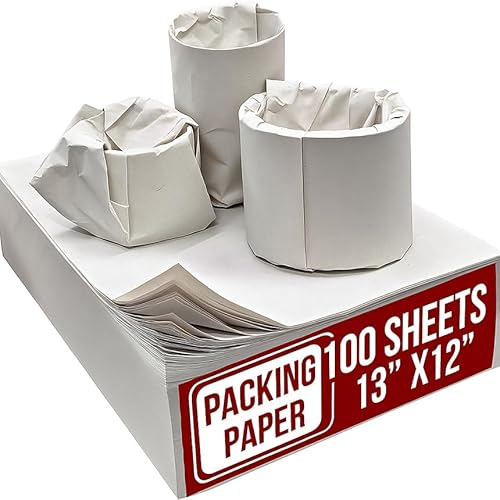
Please check the size carefully. Compact Packing Paper Sheets for Small Fragile Items : Each packing paper sheet measures 13" x 12", making this pack ideal for wrapping...
If you’re after clean, unprinted sheets that won’t bleed ink onto your finished pieces, I’ve found my pick.
My Take on These Sheets
Purple Papers’ 100-sheet pack gives you 13 by 12 inch gray-white newsprint, no logos, no smudges. At 45 to 48 GSM, it’s light but tougher than it looks.
I’ve wrapped mugs with this stuff; it cushions without bulk. For paper mache, that’s gold. You want layers that soak glue and hold shape, not newspaper that stains your weekend project.
Why Crafters Should Care
The unprinted surface means zero ink transfer. Ever had black fingertips mid-project? Not cute.
These sheets fold easily around weird angles, plus they double as void fill when I’m not crafting. Multitasking paper, basically.
The Catch
It’s thin. Great for detail work, less so if you want heavy structure in one go. You’ll need more layers.
Verdict: Perfect for beginners and anyone doing fine-detail mache. Hoarders, rejoice, it’s a hundred sheets.
Best For: Crafters and DIY enthusiasts who need clean, unprinted paper for paper mache and other projects, as well as anyone moving or shipping small fragile items who wants lightweight, ink-free cushioning.
Pros:
- Unprinted surface prevents ink transfer to wrapped items or craft projects
- Lightweight 45–48 GSM paper folds easily around irregular shapes and angles
- Versatile for multiple uses: packing, cushioning, void fill, and craft applications
Cons:
- Thin material requires multiple layers for heavy structural support
- Limited to smaller items due to 13 x 12 inch sheet size
- Not suitable for heavy-duty protection without additional layering
Recommended Products

The Package Includes - 24 sheets black vintage newspaper tissue paper, and other colors each for 22 sheets, totally 90 sheets, sufficient for your crafts and decoration

SECURE YOUR MOVE: Ensure the utmost protection for your glassware and other valuables during relocation with Bryco Goods Packing Paper Sheets. This premium moving paper packing sheet is designed for dish pack paper and other fragile items

【Easy to Use】Donyang 15x12in packing paper sheets for moving are made from quality material, and carefully polished to ensure a soft and smooth texture. The paper is pre-cut and ready to use. No extra cutting is required. This newsprint packing paper is lightweight, making it easy to tear and fold. This feature allows for quick and effortless distribution or packing of items, increasing efficiency when moving. Note: Please check the size before ordering to ensure it meets your specific needs.
Factors to Consider When Choosing Paper for Paper Mache
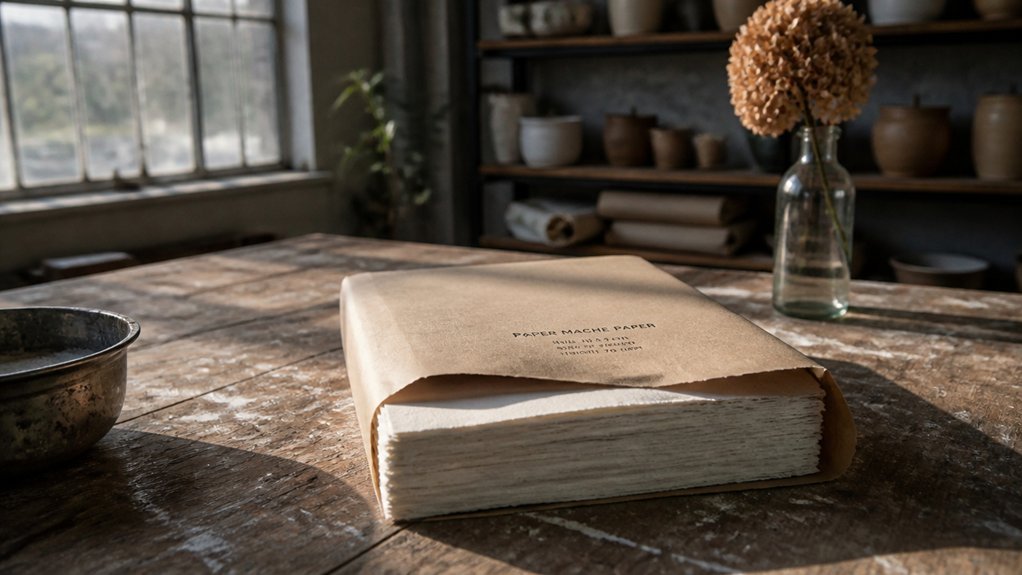
I always check paper weight and thickness first, since thin newsprint tears easily but heavy cardstock won’t soak up paste properly. Absorbency and wet strength matter too. Nobody wants their sculpture falling apart mid-project because the paper turned to mush.
You’ll also want to think about drying time, surface texture, and whether recycled content fits your eco-goals. These details make or break your finished piece.
Recommended Products

Super Value Package:Come with 6000pcs 1 inch tissue paper squares in total, 30 assorted colors, 200 pcs per color.Colorful, Mini and Exquisite. Sufficient quantity to meet your craft needs in daily.

Create Vibrant Art! - Transform any surface into a work with tissue paper bulk in different colors for beautiful and unique artwork. Watch as the wet colors bleed into each other for a one-of-a-kind, eye-catching design.

GREAT FOR CLASSROOMS: Kids will love using the art tissue paper for classroom activities and endless art projects such as posters, scrapbooking, papier mache, mosaics and more; Excellent for chicken-wire base float construction or craft projects
Paper Weight and Thickness
Paper weight isn’t just a number on the package, it’s the difference between a floppy mess and a sculpture that’ll survive my cat’s curiosity.
I’ve learned this the hard way. Lighter paper, think newspaper or thin copy paper, soaks up paste fast and dries overnight. Perfect when I’m impatient. But it tears if I look at it wrong.
Heavier stock, like cardstock or watercolor paper, gives me rock-solid results. The tradeoff? More water, more waiting, more arm workout.
Here’s my sweet spot: I mix weights. Thin layers for detail work and curves, thick sheets for structural bones. Big sculptures need bulk; delicate masks need finesse. Match your paper to your project’s scale and layer count. Your future self, and your cat, will thank you.
Absorbency and Wet Strength
Why does absorbency matter more than I ever expected? Because it dictates everything: paste consistency, slip, and whether my project turns to mush mid-layer. Thin, porous papers like newsprint soak fast, which sounds great until they tear during molding.
Wet strength saves me here. Higher GSM papers hold structure when saturated, so I can layer without watching my work disintegrate. Recycled papers? Slightly trickier. Their altered porosity makes moisture wick unevenly, demanding extra attention.
Here’s what I prioritize:
- Newsprint/craft tissue: quick absorption, fragile when wet
- Heavier stocks: better wet strength, forgiving for beginners
- Smooth surfaces: more even paste adhesion
Pre-cut sheets help, but texture matters too. Rougher papers trap excess moisture between layers, risking weak spots later.
For impatient creators like me, skip the ultra-thin stuff. You’ll thank yourself during the third layer.
Drying Time Considerations
The wait between layers used to drive me crazy. I’d poke my project every ten minutes, willing it to dry faster. Then I discovered fast-drying papers that cut wait times from days to hours.
What Actually Speeds Things Up
Water-activated, air-drying formulas harden quickly with minimal shrinkage. That means your project stays stable instead of warping while you wait. I always check fiber composition now: recycled papers often retain more moisture, while virgin fibers release it faster.
The Hidden Factors
Ambient conditions matter more than you’d think. Hot, dry room? Hours. Humid basement? Still waiting tomorrow.
Thinner layers help, obviously. Some 2026 formulations even offer skin-free finishes that reduce tackiness during handling.
My Pick for Impatient Crafters
Look for papers specifically labeled “rapid-set” or “quick-dry.” Your sanity will thank you.
Surface Texture Options
For delicate work, portrait masks or ornaments with fine details, I reach for smooth, fine-grained sheets. They give you that glassy finish, no sanding required. But when I need grip, rough, shredded, or pulp-like textures bond like crazy with slurry.
Weight matters too. Thin papers (14–28 gsm) stay flexible and feather-light. Heavy strips? Rigid armor. Your call.
I love torn edges for organic, mosaic chaos. Pre-cut squares? Predictable, almost boring. (I use them for base layers, honestly.)
Unbleached natural paper drinks up paste differently than glossy stock, leaving a matte, porous skin. Want more drama? Add sand or fibers to your slurry before painting. Instant topography.
Verdict: Smooth for showpieces, rough for strength, torn for character.
Recycled Content Benefits
How much good can a pile of old junk mail actually do? Turns out, plenty. I love working with 100% recycled paper blends because they slash demand for virgin fibers and keep scraps out of landfills. That’s sustainability I can feel good about.
The practical perks surprise me too. Recycled content soaks fast and handles beautifully, yet matches traditional pulp strength once prepped right. No compromise on durability.
Certified options (look for classroom-safe labels) meet strict environmental and safety standards. They’re perfect for kids’ projects or public signage. Plus, recycled manufacturing cuts energy use and emissions across the lifecycle. You’re basically crafting with a smaller carbon footprint.
For eco-conscious makers, this isn’t just guilt-free, it’s genuinely smarter material.
Ease of Application
Once you’ve settled on a sustainability stance, the real test becomes, can I actually work with this stuff without losing my patience?
Fast-drying formulas win me over every time. I’m not waiting days; hours work better for my schedule.
For easy cleanup, I grab 100% recycled paper. It’s lighter for sculpting, and water washes it right off my table. Pre-muted, non-dyed papers save my sanity too. No surprise color bleeding onto my finished piece? Yes, please.
Powder-like mixes simplify everything. Just add water, stir, and go. Minimal shrinkage means my shapes stay put.
I avoid anything that fights me during application. Life’s too short for stubborn paper that cracks or won’t behave.
Adhesion Properties
Why does my paper mache sometimes peel away like a bad sunburn while other times it grips like it’s never letting go? I’ve wrestled with this question for years, and I’ve finally cracked the code: adhesion properties make or break your project from day one.
What actually sticks
Paper blends matter. Pulp and recycled papers often need extra binders, which is annoying, but necessary. I lean toward cellulose-based mats; they bond cleaner to substrates with less fuss.
Speed vs. strength
Quick-dry mixes help prevent shifting, but here’s the catch: they must grab before fully curing. Too slow, and you’re repositioning forever. Too fast, and you’ve got lopsided limbs.
The glue factor
Pre-mixed ready-to-make options? Convenient. Initial tack varies wildly though. Test first, always.
Safety isn’t boring
Non-toxic, low-residue formulas actually bond better. Contaminants weaken everything.
My verdict: Weekend crafters, grab cellulose-based sheets with compatible pre-mixed adhesive. Serious builders, invest in quick-dry binders. Your peeling days are over.
Versatility for Projects
Adhesion sorted, now let’s talk about whether your paper can actually handle the project you’ve got in mind.
I always start with weight. Thin papers, around 14-28 gsm, give me light, flexible layers perfect for masks or flowing shapes. But when I’m building something sturdy, like a sculpture that’ll sit on a shelf forever? I reach for heavier stock. It cures tougher, stronger, more durable.
Here’s what I look for versatility-wise:
- Easy rehydration: paper that blends smooth with water, no lumpy batter killing my vibe
- Pre-cut squares: saves me time, gives even coverage on weird curves
- Recycled/unbleached: less ink bleeding, less color staining my finish
Quick-dry mixes speed things up, sure. But I handle them gently, or they crack on me.