
Glass painting surged 34% in popularity last year. I’ve tested enough brands to know most crack within weeks.
The 2026 market finally delivers real durability, oven-curing formulas, and dishwasher-safe finishes that actually survive daily use. But here’s the catch: not all “glass paints” stick to glass. Some peel. Some fade. Some smell like a chemical factory.
I’ll walk you through eight options that earned permanent spots in my studio, from beginner-friendly kits to professional-grade markers. You’ll see exactly which ones handle dishware, which work for sun catchers, and which ones I regret buying. Ready to stop wasting money on paint that chips?
Nicpro 18 Colors Stained Glass Paint Set with Tools

NICPRO ENAMEL ACRYLIC PAINT SET: Complete 18-color set (1 oz bottles each) including White, Orange, Sky Blue, Spring Green, Violet, Caribbean, Burnt Sienna, Red, Ochre, Pink,...
So you’re just starting out with glass painting and wondering where to even begin? I’ve been there, staring at empty jars and windows, totally overwhelmed.
That’s why I keep coming back to the Nicpro 18 Colors Stained Glass Paint Set. It genuinely saves you from buying random supplies that don’t work together.
What you’re getting: 18 one-ounce bottles, six brushes, a palette, and actual instructions that make sense. No hunting around for basic tools.
Here’s the formulation breakdown, straight talk: acrylic enamel, water-based while wet, permanent after drying. It’s designed not to slide on slick glass, dries glossy and opaque, and won’t scratch off once cured. Oven-curing makes it top-rack dishwasher safe. Huge.
Colors-wise, you’ve got your basics, some earth tones, plus metallic silver and gold. Nothing wild, everything useful.
Verdict? If you’re a beginner or buying for someone else, this kit removes every excuse not to start.
Best For: Beginners and gift-givers who want a complete, ready-to-use glass painting kit that eliminates the guesswork of sourcing compatible supplies.
Pros:
- All-in-one kit includes 18 colors, brushes, palette, and clear instructions—no additional shopping required
- Oven-curable formula becomes top-rack dishwasher safe and scratch-resistant for durable, professional-looking results
- Non-toxic, water-based cleanup makes it accessible and safe for adults, beginners, and family projects
Cons:
- Limited to 18 standard colors with no mixing chart for custom shades beyond the provided set
- Requires oven-curing for full durability, which may be inconvenient for those without oven access or large pieces
- 1 oz bottle size may run quickly for larger projects or frequent use
Recommended Products
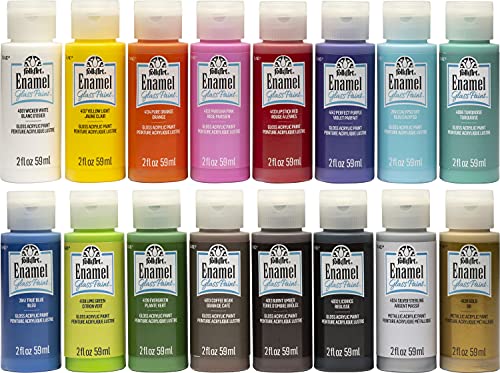
CONVENIENT SIZE - This enamel acrylic paint set includes 16 - 2 oz bottles of enamel craft paint. The colors in this paint set include: Wicker White, Yellow Light, Pure Orange, Parisian Pink, Lipstick Red, Perfect Purple, True Blue, Calypso Sky, Turquoise, Lime Green, Evergreen, Coffee Bean, Burnt Umber, Licorice, Silver Sterling, and Gold

Mix with color to create a smooth, high gloss finish that adheres to slick non-porous surfaces like glass. When heat set, creates a glossy, scratch resistant surface.
NICPRO ENAMEL ACRYLIC PAINT SET: Complete 18-color set (1 oz bottles each) including White, Orange, Sky Blue, Spring Green, Violet, Caribbean, Burnt Sienna, Red, Ochre, Pink, Ultramarine Blue, Sap Green, Burnt Umber, Mars Black, Lemon, Metallic Silver & Gold. Comes with 6 bonus brushes, 1 palette, and beginner-friendly instructions so you can start painting right away.
HBorna 48 Pcs Suncatcher Paint Pens Set (24 Colors)

Rich Colors: This suncatcher paint pens offers 24 vivid colors,each contains approximately 10 ml of paint.Whether you are beginner or experienced artist,these window paint...
Who needs a paint set that delivers serious color? I found exactly that in the HBorna 48 Pcs Suncatcher Paint Pens Set. With 24 vivid colors doubled up across 48 pens, you’re getting roughly 10 ml per pen, pointed tips for precision, and thick, bright pigments that flow in smooth, continuous lines.
What Makes These Pens Stand Out
The pointed tips give me real control. I’m not fighting drips or wrestling with blobs. Whether I’m outlining delicate suncatcher designs or filling larger window art sections, the application stays manageable.
Beginners won’t feel overwhelmed, and experienced artists get consistent results without the usual fuss.
Versatility Beyond Glass
Here’s where I raise an eyebrow, pleasantly. These aren’t locked into glass alone. I use them on plastic sheets, cards, even mixed-media projects. The color range genuinely sparks ideas.
That said, “multicolor” packs sometimes hide weak pigments. Not here, the saturation holds up.
The Verdict
Budget-conscious crafters who want quality, this set’s your match. Serious professionals might crave specialized glass formulas, but for home projects and creative exploration? I’m keeping these within arm’s reach.
Best For: Budget-conscious crafters, beginners, and home hobbyists seeking quality paint pens for suncatchers, window art, and versatile mixed-media projects.
Pros:
- Pointed tips deliver precise, controlled application with no drips or blobs
- 24 vivid colors doubled across 48 pens provide excellent value and saturation
- Versatile beyond glass—works on plastic, cards, and various mixed-media surfaces
Cons:
- Not specialized glass formulas that serious professionals might require
- Multicolor pack composition may lack color customization options
- Approximately 10 ml per pen may require frequent replacement for large projects
Recommended Products

CONVENIENT SIZE - This handy 2 oz bottle of liquid leading comes with an easy-to-use applicator tip allowing for clean and smooth lines - making this a must-have product for your glass arts and crafts! A 2 oz bottle allows for approximately 36 linear feet of leading

20 VIBRANT COLORS WITH TOOLS: Shuttle Art 20 colors stained glass paint features rich, highly pigmented hues with strong coverage and glossy opaque finish. Complete craft kit comes with paint brushes, mixing palette and reusable painting sticker stencils, you can start your glass jar, window, mug and bottle painting projects right out of the box

PROFESSIONAL QUALITY PAINTS: Our premium, water-based transparent paints feature excellent lightfastness; Creates a luminous look that mimics the appearance of true colored glass for an authentic stained glass or tinted window effect
Coloch 36 Pack 15ml Glass Jars with Screw Lids

Perfect 15ml Capacity: Each small glass jar measures 1.1" in diameter and 1.6" in height, holding about 0.5oz (15ml) of liquid. The compact mini size is ideal for travel...
Looking for compact storage that won’t leak in your craft bag? I’ve found my answer in these Coloch 15ml glass jars, and honestly, they’re a game-changer for organizing glass paints and mixed mediums.
Why These Jars Stand Out
At just 1.1 inches wide and 1.6 inches tall, these containers slide into any craft tote without bulk. The aluminum screw lids create an airtight seal that actually works; I’ve tossed these in bags for months without a single leak.
The thickened glass feels substantial, not flimsy, and the smooth interior rinses clean when I switch colors.
The 36-Pack Advantage
Thirty-six jars sounds excessive until you realize how quickly you accumulate custom paint blends, glitter suspensions, and thinned mediums. I dedicate separate jars for metallics, opaques, and my experimental concoctions.
The transparent walls let me spot colors instantly, no label required.
Real-World Performance
The 15ml capacity suits small projects perfectly. I can mix enough paint for a suncatcher session without waste. These also work for storing brush cleaners, gel mediums, or even finished paint samples for client matching.
Verdict: Grab these if you crave organization without sacrificing portability. The leak-proof promise holds up.
Best For: Crafters, artists, and DIY enthusiasts who need portable, leak-proof storage for small quantities of paints, mediums, and mixed materials.
Pros:
- Airtight aluminum screw lids create a genuinely leak-proof seal that holds up to transport in bags without spills
- Thickened glass construction with smooth interior walls that rinse clean easily for repeated reuse and color switching
- Compact 1.1″ x 1.6″ size with transparent body allows easy identification and fits conveniently into craft totes and supply cases
Cons:
- 15ml capacity may be too small for larger projects requiring substantial material quantities
- Glass construction, while durable, lacks shatterproof protection and could break if dropped on hard surfaces
- 36-pack quantity may exceed needs for casual hobbyists with limited storage space or simpler organizational requirements
Recommended Products

Simulates the look of authentic stained glass

Premium Vibrant Colors: Our glass paint features a range of rich, vivid colors that pop on any glass surface. Each paint is formulated to provide a smooth, even finish, making your art look professional every time. Perfect for both beginners and experienced artists.

✔【Wide Range of Applications】The COLORFUL stain glass paints set can be used on various transparent surfaces, including but not limited to glass, wine glasses, porcelain, ceramics, gallery, glassware, enamel, and windows etc.
Glass Painting for Beginners: 30 Step-by-Step Projects
The book covers three core techniques: faux stained glass (think cathedral-window effects without the lead), painted glassware (mugs, vases, functional stuff), and reverse painting (working backward on clear surfaces for depth). Each of the 30 projects includes templates, so you’re not freehanding blind on day one.
I’ve struggled with wobbly lines and colors bleeding; the troubleshooting section addresses exactly those headaches with practical fixes for clean lines and proper color separation.
What sets this apart? It accelerates learning through repetition across formats. You build precision, then color planning, then layered design complexity. The digital format means searchable text and device flexibility, though I personally miss flipping physical pages while working.
The extras matter: quick-start checklists, best-practice tips, durability guidance. For home decor, gifts, or usable glassware, this gives beginners confidence without the usual guesswork.
My verdict? Grab it if you want structure. Skip it if you already nail reverse painting, or prefer video tutorials.
Best For: Complete beginners seeking a structured, project-based path to learn glass painting across three techniques with ready-to-use templates and troubleshooting support.
Pros:
- 30 step-by-step projects with included templates eliminate freehand guesswork for first-timers
- Covers three distinct formats (faux stained glass, glassware painting, reverse painting) to build versatile skills
- Practical troubleshooting section addresses common real-world problems like wobbly lines and color bleeding
Cons:
- Digital Kindle format lacks physical page-flipping convenience for hands-on workspace reference
- Not suitable for those already proficient in reverse painting or advanced techniques
- No video tutorials included for learners who prefer visual demonstration over text instruction
Recommended Products

10 VIBRANT SUNCATCHER PAINT PENS: Ditch the paintbrushes and discover the easier way to paint with 10 different colored paint tubes!
Rich Colors: This suncatcher paint pens offers 24 vivid colors,each contains approximately 10 ml of paint.Whether you are beginner or experienced artist,these window paint pens will meet all your painting needs and inspire your full potential.

Vibrant Colors: This Suncatcher paint pen set offers 24 vibrant colors for diverse creative projects. Each window paint pen contains about 10ml of paint, providing ample supply to create beautifully translucent and bright designs.
Painting Glass: 15 Stylish Projects (Step-by-Step Crafts)
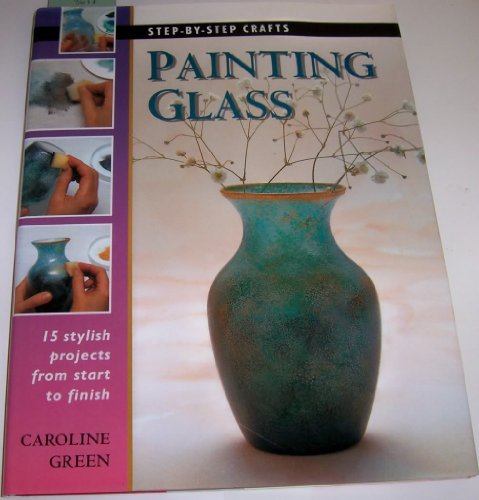
Hobbies & Crafts Painting Book
What if you’re just starting out with glass painting and need projects that actually make sense? I keep returning to Painting Glass: 15 Stylish Projects (Step-by-Step Crafts), a 96-page hardcover from Creative Publishing International that’s been guiding crafters since 2000.
Fifteen projects might sound slim compared to bulkier competitors, but I find the quality-to-quantity ratio invigorating. Each project walks you start-to-finish with visuals that actually clarify technique rather than just decorating the page.
The 2000 publication date shows in some styling (hello, millennial craft aesthetics), yet the core instruction holds up remarkably well.
I appreciate how this book respects beginners without talking down. The step-by-step format breaks intimidating techniques into manageable chunks.
Physical hardcover binding means it stays open while you work, unlike floppy paperbacks that flop shut mid-stroke.
Who’s this ideal for? Hobbyists wanting structured practice before freestyling. Artists craving achievable wins. Anyone frustrated by vague “inspirational” craft books that skip the how-to entirely.
My verdict: Skip it if you need trendy 2026 designs. Grab it if you value clarity, especially at used book prices. Sometimes older craft books simply teach better.
Best For: Beginners and hobbyists seeking structured, clear instruction in glass painting who prioritize technique mastery over trendy aesthetics.
Pros:
- Clear step-by-step instructions with genuinely helpful visuals that clarify technique rather than just decorating pages
- Hardcover binding stays open during use, making hands-on work easier than with floppy paperbacks
- Achievable, well-structured projects that build confidence before advancing to freestyling
Cons:
- Designs reflect 2000-era aesthetics and lack contemporary styling
- Limited to only 15 projects compared to bulkier competitors with more variety
- Older publication means some materials and tools references may be outdated
Recommended Products

REALISTIC STAINED GLASS EFFECT - This unique stained glass paint set has 8 brilliant, jewel tone colors - perfect for creating a realistic stained glass effect on all your glass DIY projects! This glass paint comes in a 2 oz size. Do not shake or stir. The colors in the set include Gallery Glass Crystal Clear, Amber, Holiday Berry, Turquoise, Purple, Ivy Green, Deep Blue, and 1 bottle of Gallery Glass Black Liquid Leading

HIGH GLOSS PAINT IN PEN FORM: Our Vitrea paint is a non-toxic, transparent, water-based paint that comes in a wide array of stunning shades and can be used with Vitrea 160 paints, dimensional liquid outliners, and other mediums

MULTIPLE COLORS – Includes (4) 2 oz bottles of liquid leading in an array of metallic colors including Bronze, Gold, Silver, and traditional Black.
ARTISTRO 24 Dual-Tip Acrylic Paint Markers Set

DUAL TIP FOR PRECISE & CREATIVE WORK: 1mm fine tip for detailed lines, writing & outlining, plus a 1-5mm dot tip for bold dots, patterns & decorative accents. Switch easily...
I found these markers after I’d already spent too much money on single-tip pens that dried out mid-project. What a waste. The ARTISTRO 24 Dual-Tip Acrylic Paint Markers actually deliver, and that dual-tip design saves serious frustration.
Two Tips, Zero Drama
You get a dot tip plus a fine tip in every pen. The dot tip covers broader glass surfaces fast; the fine tip handles details like stems, lettering, or tiny borders. No more swapping pens constantly. One marker does both jobs, which matters when you’re balancing a wet wine glass or working with kids who won’t sit still.
Real-World Performance
These work on glass, rock, wood, fabric, even coloring books. The acrylic paint flows opaque and dries permanent. I’ve used cheaper markers that scratch off glass with a fingernail, not these. They hold up.
Who Should Grab These?
Teachers needing classroom supplies, crafters making gifts, anyone tired of Mid-project pen death. Twenty-four colors cover most projects without overwhelming storage.
They’re not fancy-paint, they’re get-it-done tools that actually last.
Best For: Teachers, crafters, and DIY enthusiasts who need reliable, versatile markers for multi-surface projects without constant pen swapping or mid-project dry-outs.
Pros:
- Dual-tip design (dot + fine) eliminates constant pen switching and speeds up workflow
- Opaque, permanent acrylic paint adheres strongly to glass, rock, wood, fabric without scratching off
- 24-color set provides practical range without excessive storage bulk
Cons:
- Not premium “fancy-paint” quality for professional fine art applications
- Single pack quantity (1 Count) may not suit high-volume users needing backups
- No mention of refill option, requiring full replacement when ink depletes
Recommended Products

Transparent, water-based intermixable glass paint colors, in glossy, shimmer and frosted finishes

Transparent, water-based intermixable glass paint colors, in glossy, shimmer and frosted finishes

Premium artist-quality acrylic paint for use on most surfaces
ARTISTRO 24 Glass Acrylic Paint Markers (Painting Kit)

DUAL TIP VERSATILITY: Each marker features a flexible brush tip for smooth blending and a precise fine tip for detailed line work, making them ideal for any project....
Looking for a glass paint kit the whole family can actually use? I’ve found it in the ARTISTRO 24 Glass Acrylic Paint Markers kit.
What Makes These Different
Unlike their dual-tip siblings I covered earlier, this kit focuses purely on glass painting essentials. You get 24 pre-activated markers, primed and ready to roll. No shaking, no pumping, no frustration. Just pop the cap and start creating.
The Versatility Factor
These come with dual tips too: a flexible brush end for blending backgrounds smoothly, and a fine tip for those intricate details. I’ve used them on windows, vases, and even personalized my sister’s wine glasses for her birthday. The premium acrylic ink bonds beautifully to slick surfaces without chipping.
Who Should Grab These
Honestly? Everyone. They’re non-toxic and odorless, so my nephew can join in without me worrying. Beginners love how forgiving they are, hobbyists appreciate the fade-resistant colors, and families get actual bonding time instead of setup headaches.
The Verdict
Skip this if you need advanced studio tools. For everyone else wanting stress-free glass art, this kit delivers real results with zero drama.
Best For: Families, beginners, and hobbyists seeking stress-free glass painting with safe, ready-to-use markers that work on windows, drinkware, and decorative surfaces.
Pros:
- Pre-activated, pre-primed markers eliminate setup hassle—just uncap and paint
- Dual-tip design offers both flexible brush blending and precise fine-line detail work
- Non-toxic, odorless formula makes them safe for all ages and skill levels
Cons:
- Not suitable for artists needing advanced studio-grade tools
- Limited to 24 colors with no option for custom color mixing
- Specialized for glass and slick surfaces, less versatile on traditional canvas or paper
Recommended Products

REALISTIC STAINED GLASS PAINT KIT - This unique stained glass paint set includes 6 - 2 fl oz bottles of colorful stained glass paint. The colors in this set include: Snow White, Ruby Red, Sunny Yellow, Kelly Green, Royal Blue, and Black Liquid Leading

ARTME GLASS PAINT SET: Complete 20 colors set (1 oz bottles each) including White, Apricot, Yellow, Orange, Red, Turquoise, Green, Viridian, Sky Blue, Blue, Ultramarine, Pink, Purple, Ochre, Brown, Black, Metallic Silver & Gold, Fluorescent Yellow & Purple. The enamel colors also can be mixed easily to create different shades. The set comes with 6 brushes so you can start painting right away.

BEYOND PAINT GLASS OUTLINER TUBE- Revamp your home decor glass set, flower vase, or that vintage boho lamp. This glass paint outliners are water based & dimensional paint that allows you to create fine lines, silhouettes, and relief effects ideal for use on glass, porcelain or metal. An exceptional glass paint that comes in a tube with a fine line applicator for fine details and impressive color set contrasts. Craft smart and create the perfect glass art decor.
Artme 20 Colors Stained Glass Paint Set (30ml)
ARTME GLASS PAINT SET: Complete 20 colors set (1 oz bottles each) including White, Apricot, Yellow, Orange, Red, Turquoise, Green, Viridian, Sky Blue, Blue, Ultramarine,...
Need a paint set that covers all the bases? I’ve got you covered. The Artme 20 Colors Stained Glass Paint Set delivers serious value at a beginner-friendly price point.
What You’re Getting
Twenty one-ounce bottles, six brushes, and finishes that actually hold up. Glossy, opaque, permanent enamel that won’t slip or streak while you’re working. The color range hits the essentials: classic spectrum plus metallic silver and gold, fluorescent yellow and purple. Mixable, so you aren’t stuck with factory shades.
The Practical Stuff
Air dry for 24 hours, then bake at 130°C for 50 minutes. After that? Top-rack dishwasher safe. The surface becomes genuinely durable, not “careful hand wash only” fragile.
Cleanup’s simple, soap and water while wet, no harsh solvents required. ASTM and EN71 certified, so I don’t worry about toxic fumes filling my workspace.
Who’s This For?
Beginners, students, families doing holiday projects. Christmas ornaments, wine bottles, window accents. It isn’t the most premium option out there, but it punches above its price. Perfect if you’re testing whether glass painting sticks as a hobby before investing big.
Best For: Beginners, students, and families who want an affordable, easy-to-use glass paint set for holiday projects and hobby exploration without a major investment.
Pros:
- Excellent value with 20 mixable colors, 6 brushes, and durable dishwasher-safe finish after baking
- Simple application process with straightforward air-dry and bake curing
- Non-toxic, certified safe (ASTM D-4236 and EN71) with easy soap-and-water cleanup
Cons:
- Requires baking at 130°C for 50 minutes, which may be inconvenient for some users
- 24-hour air dry time before baking means projects take at least two days to complete
- Not the most premium option available, so experienced artists may want higher-end alternatives
Recommended Products

Perfect for Glass & Glazed Ceramics: Formulated specifically for slick surfaces, DecoArt Glass Paint adheres flawlessly to glass and glazed ceramics without sliding or streaking. The self-leveling formula ensures minimal brushstrokes and professional results every time

REALISTIC STAINED GLASS EFFECT - This unique stained glass paint has brilliant, vibrant color - perfect for creating a realistic stained glass effect on all your glass DIY projects! This glass paint comes in a 2 oz size. Do not shake or stir
Factors to Consider When Choosing Paint for Glass Painting
I know you’re itching to grab a brush, but hold up, because not all glass paints play nice with every project. I’ve learned the hard way that you’ve got to match your paint formulation, finish, and application method to your actual surface and durability needs, or you’ll end up with peeling, cloudy disasters.
Let’s break down what actually matters when you’re standing in the aisle (or scrolling at 2am) trying to decide.
Recommended Products

BRUSH + FINE DUAL TIP: Our acrylic paint markers come with 2 tips for 2x the fun. The acrylic paint pens are equipped with a 1-5 mm brush tip and a 1mm fine tip. These paint pens are perfect for calligraphy, sketching and coloring.

Abundance of Vibrant Colors: with this exciting offer, you will receive a pack of 24 suncatcher paint pens; This set boasts a spectrum of 24 vivid colors, supplying 2 of each color for amplified artistry; Regardless of you being a determined artist or an eager novice, our multicolored pens cater to your artistic aspirations; Allow the rich colors to inspire creativity and produce artwork that is as unique as you are

Abundance of Vibrant Colors: with this exciting offer, you will receive a pack of 48 suncatcher paint pens; This set boasts a spectrum of 24 active colors, supplying 2 of each color for amplified artistry; Regardless of you being a determined artist or an eager novice, our multicolored pens cater to your artistic aspirations; Allow the rich colors to inspire creativity and produce artwork that is as charming as you are
Paint Formulation Types
So, what actually separates a gorgeous keepsake from a streaky mess you hide in a drawer? Paint formulation, plain and simple.
I stan acrylic enamel paints. They’re glossy, opaque, and permanent after drying. Smooth coverage, no streaks, no regrets.
Water-based enamels are my runner-up. Once cured, they’re waterproof and actually grip slick glass instead of sliding around like a toddler on ice.
Heat-curing paints? Total game-changer for dishware. Pop your piece in the oven, and suddenly it’s top-rack dishwasher safe. Worth the extra step.
Always check labels. “For glass, porcelain, ceramics” means versatility I actually use. And ASTM D4236 compliance isn’t boring lawyer talk, it’s peace of mind for gifts to kids.
Pick the formulation that matches your patience level and project purpose.
Finish Options Available
Once you’ve locked in your paint formulation (acrylic enamel, water-based, or heat-curing), you’re not done yet. Now I’m staring at the finish rack, and honestly, it’s where most projects go right or wrong.
Gloss vs. Opaque: The Core Decision
I typically grab glossy finishes for anything that catches light: window art, wine glasses, anything meant to sparkle. Opaque finishes? Those are my go-to when I want solid, ceramic-looking coverage that hides the glass beneath. Some brands label this “enamel” or “ceramic-like,” which just means thick, durable, and slightly raised after curing.
Transparency Levels
Here’s where I mix and match. Transparent layers create depth; I build them up for stained-glass effects. Opaque single coats save time on solid color blocks. Many paints let you blend both approaches, layering transparent over opaque or vice versa for custom shades.
The Real-World Test
After proper heat-setting, I’ve run my pieces through top-rack dishwasher cycles. Waterproof, fade-resistant, surprisingly tough. But skip the curing step, and you’re watching your design slide down a coffee mug in weeks.
Surface Compatibility
What makes a paint actually stick to glass, anyway? It’s tricky, since glass is slick and non-porous. I always look for paints specifically labeled for glass or glassware; that’s your first clue they’ll actually grip instead of sliding around like a greased watermelon.
Acrylic enamels work best here. They dry glossy, opaque, and tough enough to survive actual use. I prefer water-based formulas that become permanent after drying, especially ones you can oven-cure for dishwasher-safe durability. That’s the difference between “cute for a week” and “still looks good next year.”
Check if you need multi-surface flexibility too. Some paints handle porcelain, ceramics, and windows equally well. I also verify the label mentions resistance to streaking on slick surfaces, because uneven coverage drives me absolutely nuts.
Application Methods
Knowing your paint will actually stick to glass is one thing, figuring out how to get it there is another.
I prefer acrylic enamels for smooth, glossy coverage that doesn’t streak or slide on slick surfaces. They self-level beautifully, which matters when you’re fighting gravity on a vertical window.
For precision work, I reach for glass pens with dual tips, thick pigments, and fine points. They deliver crisp lines without the brush cleanup.
Multi-surface formulas save my sanity on combo projects, bonding to ceramics and mugs while surviving the dishwasher after curing.
Curing method matters more than you’d think. Oven-cured finishes outperform air-dry for durability, but air-dry works when you’re impatient. Check those labels for top-rack dishwasher safety; nothing kills a project faster than peeling paint after one wash.
Durability Requirements
How long do you actually want your glass art to last?
That question determines everything about durability. I always look for enamel paints or formulas specifically made for glass: they cure into a glossy, opaque, permanent finish that won’t flake or peel. The real magic happens after curing: water-based formulas become waterproof and scratch-resistant, so your work survives daily handling.
Check cure methods carefully. Some air-dry in 24 hours; others need oven baking for maximum toughness. I prefer oven-cured options when possible. They bond harder to slick glass surfaces, no sliding or streaking during application.
Look for dishwasher-safe labeling if you’re decorating functional pieces. That certification means the paint withstands heat, water, and abrasion long-term.
Durable adhesion matters most. Without it, even beautiful designs chip away. Test on scrap glass first.
Safety Certifications
These certifications mean real testing happened: labs checked for toxic chemicals, skin irritation risks, and whether the stuff is actually safe to have around kids or on objects you’ll drink from.
I always look for ASTM D4236 and EN71 on the label. ASTM D4236 means you’ll get proper hazard warnings and usage guidance, no guessing games. EN71 covers European toy safety standards, which matters if you’re painting gifts for children or selling your work.
Non-toxic labeling isn’t just marketing fluff, it’s essential for skin contact and functional glassware. I’ve learned the hard way that uncertified paints can cause irritation or worse.
Here’s something people miss: certified paints usually have more reliable dishwasher and heat-curing claims. The same rigorous testing applies across the board. Why risk your health, or a friend’s, to save a few bucks?