
Most soap makers don’t realize that fragrance oils and essential oils behave completely differently in cold process soap, and choosing wrong can ruin an entire batch. I’ve learned this the hard way.
Coconut fragrance oils stick around for months, while citrus essential oils can vanish within weeks. That’s why I’m breaking down the seven oils that actually work in 2026, from castor oil’s thick, creamy lather to jojoba’s skin-softening stability. You’ll want to see which ones are worth your money, and which are just hype.
Majestic Pure Lavender Essential Oil 4oz (Glass Dropper)

LAVENDER ESSENTIAL OIL – Features a soft, floral lavender aroma for use in diffusers, DIY projects, home fragrance, and personal care formulations. VERSATILE FOR EVERYDAY...
If you’re after a lavender oil that won’t disappear halfway through your soap batch, this 4-ounce bottle from Majestic Pure is worth a look.
I like that it’s got some heft to it. Four ounces doesn’t sound like much until you’re measuring drops for a dozen bars, and suddenly you’re glad you didn’t grab one of those dinky half-ounce vials.
The amber glass matters more than you’d think. Light degrades essential oils, so that brown bottle actually keeps your lavender potent longer.
The dropper’s glass too, not plastic, which I appreciate when I’m working with oils that can eat through cheaper materials.
The scent itself? Soft, floral, exactly what you’d expect from proper lavender. Nothing harsh or medicinal here. I’ve used it in cold process soap and it holds nicely, though I’d recommend adding it at thin trace so it doesn’t seize on you.
It blends beautifully with cedarwood for a sleepy-time bar, or lemon if you want something brighter. Bergamot’s another favorite of mine, gives it almost a spa quality.
I’d recommend it for beginners who want quality without the boutique markup, or anyone making soap in real batches rather than single-bar experiments.
Best For: Home soap makers and DIY enthusiasts who need a reliable, cost-effective lavender essential oil in sufficient quantity for batch projects rather than single-use experiments.
Pros:
- Generous 4-ounce size provides excellent value per ounce for frequent use in soap making and DIY projects
- Amber glass bottle with glass dropper protects oil from light degradation and chemical reactions
- Soft, authentic floral scent that holds well in cold process soap and blends beautifully with complementary oils
Cons:
- Requires careful timing when adding to soap (at thin trace) to avoid seizing
- 4-ounce size may be excessive for casual users or those only making occasional single bars
- Lacks organic or therapeutic-grade certifications that some users specifically seek
Recommended Products

Premium Quality Lavender Essential Oil: SVA Organic Lavender Oil 2oz is an essential oil and is obtained by steam distillation of Lavandula Angustifolia flowers. Our Lavender organic oil is free of preservatives and comes with a dropper for easy application. It is not tested on Animals. We care for you
LAVENDER ESSENTIAL OIL – Features a soft, floral lavender aroma for use in diffusers, DIY projects, home fragrance, and personal care formulations.

All-Natural, Vegan & Handmade – Crafted in small batches using only plant-based ingredients. No parabens, no sulfates. Just pure, clean soap made the old-fashioned way with love.
Wtrcsv Essential Oils Set – Top 15 Scents (5ml)

Premium Essential Oils Set with Top 15 Blends for Diffusers: Crafted with rigorously tested ingredients, our Wtrcsv set includes 15 versatile 5ml organic essential...
Why settle for one scent when you can experiment with fifteen?
I love this Wtrcsv set for soap makers who crave variety without committing to giant bottles. You get 5ml each of lavender, tea tree, peppermint, eucalyptus, citrus trio (lemon, orange, grapefruit), plus exotic picks like jasmine, ylang ylang, and bergamot imported from Italy.
That’s a whole soap lab in one box.
The sourcing matters: Australian tea tree, Egyptian jasmine, steam-distilled purity, no hexane solvents. FrostProtect bottles keep oils stable for two years, so I’m not rushing to use them. Each drop packs serious punch, meaning you need less per batch.
Here’s my honest take: these aren’t bulk-size, so hardcore production might drain them fast. But for testing recipes, gifting soaps, or keeping options open? Perfect. The presentation box feels genuinely gift-worthy too.
Best for beginners building scent libraries, or anyone who hates choosing favorites. You’ll discover unexpected winners, I promise.
Best For: Soap makers, beginners building scent libraries, and anyone who wants variety for testing recipes, gifting, or DIY projects without committing to large bottles.
Pros:
- 15 diverse scents in 5ml sizes enable experimentation without waste or large investment
- Premium global sourcing (Italian bergamot, Egyptian jasmine, Australian tea tree) with steam-distilled purity and no hexane solvents
- FrostProtect bottles maintain oil stability for 24+ months, extending usable life
Cons:
- 5ml volume depletes quickly under hardcore production demands
- Small bottle size requires frequent repurchasing for high-volume users
- Limited quantity per scent may frustrate those with established favorite fragrances
Recommended Products

PURE, MULTI-PURPOSE SKIN SOFTENER: While its use is applicable to many other areas of wellness, castor oil is considered by many to be one of the finest natural skin emollients available today

【Set Of 20 Wonderful Fragrance Oils】This premium scented oils set includes Coconut & Vanilla, Strawberry, Cherry, Bubble Gum, Coconut, Mango, Peach, Way of Bright, Coffee, Apple, White musk, Bamboo and Teak, Lemongrass, Orange Blossom, Ocean Breeze, Parma Violet, Gardenia, Baby Powder, Peach and Cream,etc; fill your time with fresh fragrance.

100% PURE, COLD-PRESSED & UNREFINED: This USP-grade castor oil is cold pressed and hexane-free, with no preservatives, fragrances, or fillers - just pure, unrefined castor oil in every bottle
MAYJAM Tea Tree Essential Oil Gift Set (20 Pcs)

Wonderful Scent: Our essential oils are highly concentrated liquids that are derived from flowers, leaves, and other plant parts, providing you with a pure and enjoyable...
Wondering where to start with soap making? I’ve found that variety matters more than you’d think. That’s why I keep reaching for the MAYJAM Tea Tree Essential Oil Gift Set, 20 pieces of concentrated plant power in tidy 5ml bottles.
What’s Inside
You get lavender, jasmine, eucalyptus, vanilla, frankincense, peppermint, sandalwood, sweet orange, ylang ylang, rose, bergamot, tea tree, cinnamon, geranium, patchouli, citronella, lemongrass, rosemary, clary sage, and chamomile. That’s practically a soap maker’s entire palette.
I particularly love having tea tree for its clean, medicinal punch alongside softer florals like rose and chamomile.
Real Talk on Performance
These oils are potent, properly concentrated from flowers and leaves, not watered down. I’ve noticed the scents stick around in cold process soap, which, let’s be honest, doesn’t always happen with budget sets.
The aromas layer beautifully: try bergamot with a touch of cinnamon for something unexpectedly sophisticated.
The Packaging Situation
The gift box looks elegant, sure, but I actually appreciate that it’s sturdy enough to survive my chaotic craft room. Each bottle seals tight, no leaks in my experience.
Who’s This For?
Beginners wanting to experiment without committing to full-size bottles. Also, anyone making candles or bath bombs alongside soap. The variety lets you discover what actually works for your nose and your recipes.
My Verdict
Skip this if you already know your signature scent and buy bulk. Grab it if you’re exploring, gifting, or just want options without the research headache.
Best For: Beginners in soap making, candle making, and DIY craft projects who want to experiment with a wide variety of scents without investing in full-size bottles, as well as anyone looking for an elegant gift for craft-loving friends or relatives.
Pros:
- 20 diverse, highly concentrated essential oils provide extensive scent variety for experimentation across multiple DIY projects like soap, candles, and bath bombs
- Scents are potent and long-lasting, particularly in cold process soap where fragrance retention is often challenging with budget alternatives
- Elegant yet sturdy gift box packaging with secure, leak-proof 5ml bottles ideal for both personal craft room use and gifting
Cons:
- 5ml bottle size may be insufficient for those who have already identified signature scents and need larger quantities for bulk production
- Tea tree branding in the product name is potentially misleading since it is only one of twenty included oils in a multi-scent set
- No pricing information provided to evaluate cost-effectiveness compared to purchasing individual full-size oils or competitor sets
Recommended Products

SOOTHING: This unique blend of Peppermint, Eucalyptus Globulus, Rosemary, Spearmint, and other essential oils has a soothing and calming effect on your body and mind. The blend of oils and refreshing minty aroma help ease your headache-related symptoms.

READY-TO-USE ROLL-ON – This essential oil roll on comes pre-diluted for convenient application, eliminating the need to measure or mix oils. The compact 10ml format makes it easy to keep in your bag for everyday use.

Spicy & Herbal Essential Oils Blend: Our Four Knives blend combines eucalyptus, clove, rosemary, lemon, and cassia for a warm and energizing scent. Add to your diffuser or humidifier to fill your space with a bold, balanced aroma that helps create a fresh and welcoming environment.
PHATOIL Coconut & Vanilla Fragrance Oil (100ml)

High Quality Glass Bottle with Free Dropper: The coconut & vanilla fragrance oils come in high-quality glass bottles and are infused with a UV coating to protect the...
Looking for a fragrance oil that’ll make your soaps smell like a tropical vacation? I’ve found it in PHATOIL’s Coconut & Vanilla blend. This 100ml bottle packs serious punch.
What You’re Getting
The glass bottle comes UV-coated, which matters more than you’d think. Light degrades fragrance oils fast, so that coating keeps your scent stable.
The included dropper lets me measure precisely, no waste, no guessing.
The Scent Profile
Coconut dominates upfront, vanilla softens the edges. It’s sweet without being cloying, which is rare.
I’ve used this in cold process soap, and the scent sticks beautifully through cure time. Some fragrance oils fade to nothing; this one actually lasts.
Versatility Check
Beyond soap, I’ve thrown it into bath salts and room sprays. It plays nice with other oils too.
The cruelty-free label is a nice bonus, though honestly, I bought it for performance, not politics.
The Catch?
It’s a fragrance oil, not essential oil. That means synthetic components, so purists will grumble. But for reliable, predictable results in soap? I’ll take it.
Verdict: Perfect for beginners who want foolproof tropical vibes.
Best For: DIY crafters and beginners seeking an affordable, long-lasting tropical fragrance for soaps, candles, and bath products who prioritize reliable scent retention over all-natural ingredients.
Pros:
- UV-coated glass bottle with included dropper ensures precise measurement and protects oil from light degradation
- Strong scent retention that lasts through cold process soap cure time without fading
- Versatile formula works across multiple applications including bath salts, room sprays, and candles
Cons:
- Contains synthetic components as a fragrance oil rather than pure essential oil
- Coconut scent dominates heavily with vanilla playing a softer supporting role
- May not satisfy purists or those seeking exclusively natural ingredients for their projects
Recommended Products

For Blemish-Prone Skin (93% positive effectiveness) – Contains terpinen-4-ol, verified by GC/MS testing as the active compound responsible for clarifying and purifying benefits. Dilute 2-3 drops with 1 tsp carrier oil (jojoba, sweet almond, or coconut oil recommended). Customers report visible improvements for blemish prone skin within a week, and toenails within 2 – 4 weeks. Always patch test first. External use only
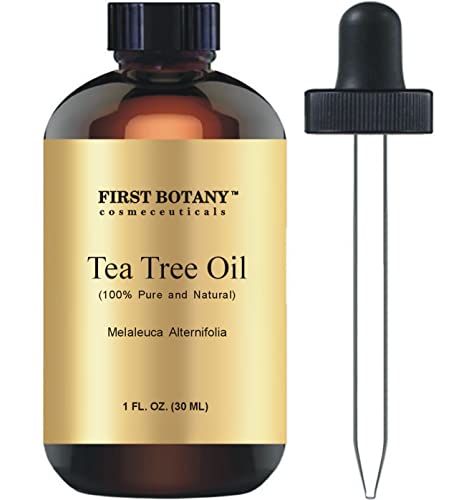
AAA+ Grade - This Tea Tree oil belongs to our premium Gold series of oils and has highest quality. Terpinen 4 ol is the major ingredient of Tea Tree oil and this oils has high concentration of TerpinenAAA+ Grade - This Tea Tree oil belongs to our premium Gold series of oils and has highest quality. Terpinen 4 ol is the major ingredient of Tea Tree oil and this oils has high concentration of Terpinen

USDA CERTIFIED ORGANIC TEA TREE OIL – Our 100% pure, steam-distilled tea tree oil is unfiltered and undiluted, with no additives, fillers, or synthetic ingredients. Sourced from organic tea tree plants, this versatile essential oil is suitable for aromatherapy diffusers, DIY blends, and topical applications when properly diluted.
Majestic Pure Lemon Essential Oil 4 Fl Oz

100% PURE & NATURAL LEMON OIL - Majestic Pure Blends oils are exactly that! Many oils being sold make that claim but are in fact made of natural isolates and mixtures. Each...
Need a bright, zesty oil that won’t break the bank? I keep coming back to Majestic Pure’s Lemon Essential Oil, and here’s why it earns its spot on my soap-making shelf.
What You’re Getting
This is 100% pure, natural lemon oil in a 4 oz amber glass bottle. No fillers, no additives, no nonsense. Independent lab testing checks for constituents and quality, so I trust what I’m putting into my soaps. The built-in glass dropper controls flow and cuts waste.
The Practical Stuff
The amber glass blocks UV rays that degrade oils over time. Smart packaging, not flashy. Lemon’s a top-note scent, so it fades faster than base notes. I blend it with bergamot, cedarwood, or rosemary to help it stick around longer. It plays surprisingly well with clove and patchouli too, if you’re feeling adventurous.
My Verdict
For beginners testing citrus soaps without crying over spilled expensive oil? Perfect. For pros wanting reliable bulk lemon at honest purity? Also perfect. My only gripe: it’s single-note, so you’ll want blending buddies on hand.
Who’s it for? Budget-conscious soapers who still demand real quality. That’s most of us, right?
Best For: Budget-conscious soap makers and beginners who want pure, lab-tested lemon essential oil without paying premium prices.
Pros:
- 100% pure and natural with independent lab testing for quality assurance
- 4 oz amber glass bottle with built-in dropper offers excellent value and precise dispensing
- UV-blocking packaging protects oil integrity over time
Cons:
- Single-note citrus scent fades quickly without blending with base notes
- Requires additional oils (bergamot, cedarwood, rosemary, etc.) for longer-lasting fragrance
- No pre-blended options available for those wanting complex scents out of the bottle
Recommended Products

100% Organic Jojoba Oil: Yoken jojoba oil is proudly USDA Certified to meet the most rigorous standards and ultimate quality, cold pressed from responsibly grown organic jojoba seeds, extra virgin, and unrefined. Single Ingredient Oil, Chemical Free

USDA Certified Organic Jojoba Oil: Natural. Cold pressed. Not Diluted, Non-GMO, No Additives, No Fragrance, Alcohol Free, Hexane Free.

USDA Certified Organic Jojoba Oil: Natural. Cold pressed. Not Diluted, Non-GMO, No Additives, No Fragrance, Alcohol Free, Hexane Free.
Handcraft Blends Organic Castor Oil (16 Fl Oz)

100% PURE & NATURAL ORGANIC CASTOR OIL IN PLASTIC BOTTLE: Our USDA organic castor carrier oil is expeller-pressed and hexane-free. Used for essential oils mixing, hair care,...
Castor oil isn’t just for old-school home remedies. I use Handcraft Blends Organic Castor Oil when I want serious bubbles in my soap bars.
Why It Works for Soap
This stuff is expeller-pressed and hexane-free, which matters if you’re picky about chemicals touching your skin. The 100% pure formula creates that thick, stable lather everyone chases. I notice the difference immediately, castor oil boosts trace speed and adds creaminess you can’t fake with other oils.
Beyond the Bar
Sure, the bottle’s plastic (not my favorite), but the ricinoleic acid content makes up for it. I actually steal some for my eyebrows too. Multi-purpose wins.
My Take
For beginners experimenting with superfat percentages, this is forgiving. The 16-ounce size lasts through multiple batches. Purists might want glass packaging, but I’ll take the performance.
Best For: Soap makers seeking a high-performing castor oil that produces thick, stable lather and accelerates trace speed, as well as multi-purpose users wanting a hexane-free option for hair, skin, and eyebrow care.
Pros:
- Expeller-pressed and hexane-free processing ensures chemical-conscious purity
- Creates thick, stable lather and accelerates trace speed in soap making
- Large 16-ounce size offers lasting value for multiple batches
Cons:
- Plastic bottle packaging instead of glass
- Not specifically marketed for soap making despite strong performance
- Purists may prefer alternative packaging materials
Recommended Products

SOOTHING CLASSIC LAVENDER: Smells just like true lavender essential oil—floral, fresh, and perfect for calming self-care routines.
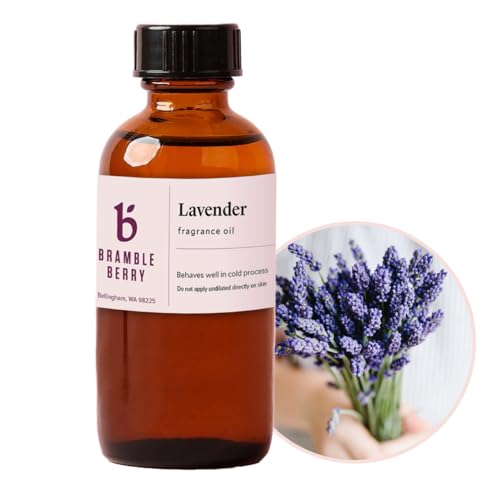
CALMING FLORAL SCENT: A soft, true lavender aroma that brings a peaceful spa-like feel to homemade body care and home fragrance.

100% PURE & NATURAL LAVENDER ESSENTIAL OIL - NaturoBliss Essential oils are exactly that! Many oils being sold online make that claim but are in fact made of natural isolates and mixtures. Each essential oil is tested by an independent lab which is why every bottle comes with a Quality Guaranty.
Handcraft Blends Jojoba Oil (16 Fl Oz)
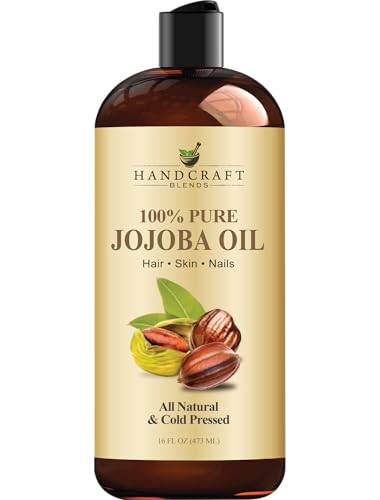
AYURVEDIC SKIN CARE ESSENTIAL: This cold-pressed, 100% natural jojoba oil is a staple in Ayurvedic skin care. Hexane-free, chemical-free, and vegan, it serves as a pure,...
This one’s for soap makers who want a golden, stable oil that behaves beautifully in cold process recipes. Handcraft Blends Jojoba Oil delivers exactly that, cold-pressed and hexane-free in a generous 16 fl oz bottle.
Why I reach for this one:
Unlike most plant oils, jojoba’s technically a liquid wax. That means it won’t go rancid fast, and your soaps stay fresher longer.
I love the golden color it lends to bars, subtle but warm.
The skin benefits translate straight to soap:
- Vitamins E and B fight aging signs
- Mimics human sebum (fancy word for skin oil)
- Moisturizes without that greasy drag
Your customers get softer skin, you get easier formulation. Win-win.
My honest take:
At 16 ounces, it’s perfect for testing or small batches. I use it at 5-10% of my total oils, max. Too much and bars get soft, too little and you miss the conditioning magic.
The Ayurvedic angle? Nice bonus for marketing, though I care more about performance.
Verdict: Grab this if you want longevity in your soap line without synthetic preservatives. Skip it if you’re strictly budget-focused, but honestly, the stability pays for itself.
Best For: Soap makers seeking a stable, long-lasting golden oil that conditions skin beautifully in cold process recipes without synthetic preservatives.
Pros:
- Exceptional stability as a liquid wax that resists rancidity, keeping soaps fresher longer
- Delivers skin-conditioning benefits with vitamins E and B while mimicking natural sebum
- Generous 16 oz size ideal for testing formulations or small batch production
Cons:
- Bars can soften if used above 10% of total oil weight, requiring careful formulation
- Golden color may not suit soap makers wanting pure white or brightly colored designs
Recommended Products
100% PURE & NATURAL ORGANIC CASTOR OIL IN PLASTIC BOTTLE: Our USDA organic castor carrier oil is expeller-pressed and hexane-free. Used for essential oils mixing, hair care, skin care, aromatherapy, massage and has endless uses.

USDA Certified Organic Castor oil: Natural. Cold pressed. Not Diluted, Non-GMO, No Additives, No Fragrance, Chemical Free, Alcohol Free, Hexane Free.
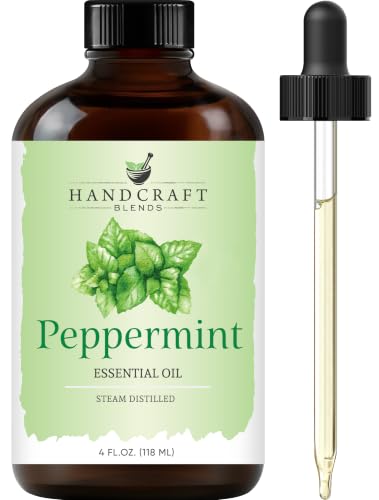
PEPPERMINT OIL: Handcraft Blends Peppermint Oil is carefully crafted and packaged. Every bottle is backed by our Quality Guarantee.
Factors to Consider When Choosing Oils for Soap Making
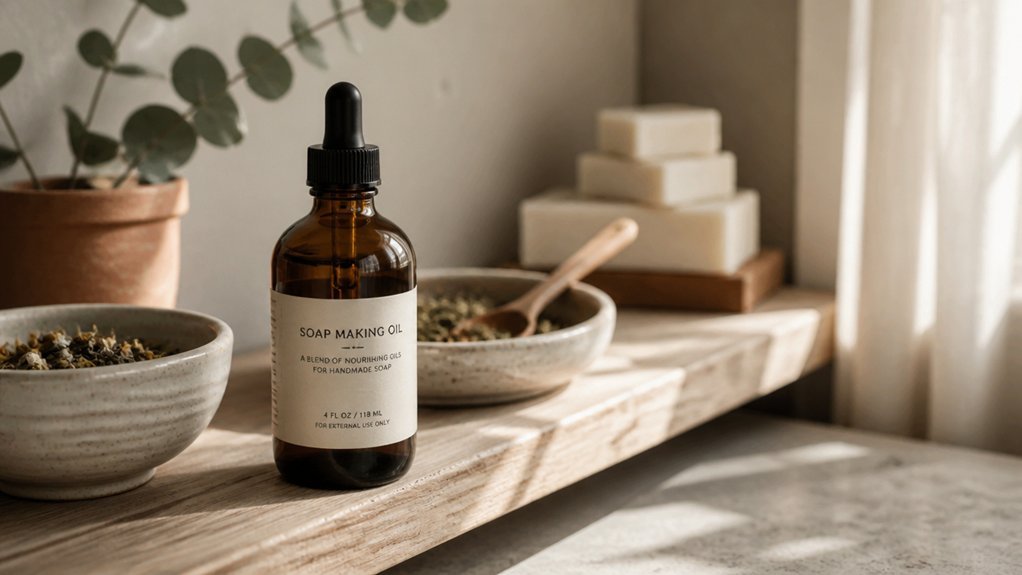
When I’m picking oils for my soap batches, I always start by checking the saponification value, that’s basically how much lye you’ll need to turn the oil into soap, and the fatty acid profile, which tells you whether your bar will end up cleansing, conditioning, or somewhere in between.
You’ve also got to balance hardness versus softness, because nobody wants a bar that dissolves in three showers or one that feels like washing with a rock. Finally, I look at lather quality and skin feel, since a bubbly, creamy lather that leaves your hands silky, not greasy or tight, that’s the whole point of making soap yourself, right?
Recommended Products
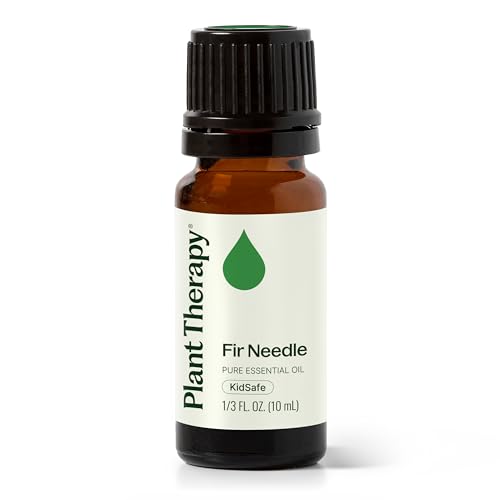
CRISP, FOREST-FRESH AROMA: Fir Needle essential oil delivers a clean, piney scent that refreshes your space and brings an uplifting, outdoors-inspired atmosphere—perfect for diffusing year-round or during the holiday season.

Woolzies Work Buddy will become your go-to collection at work. 5-9 energy will give you that boost you need to crush your to-do list. Creative Genius will help you brainstorm better and After Hours will relax you when you unwind from a long day.

Oil Saponification Value
Because I got tired of ruining batches with lye-heavy disasters, I finally learned that saponification value (SV) is basically the magic number telling me exactly how much lye an oil needs to turn into soap. Think of it as the instruction manual your recipe can’t live without. Too little lye? You get a greasy, useless blob. Too much? Hello, skin-irritating nightmare.
Higher SV oils, like coconut, create harder bars that last longer. Lower SV oils, like olive, give you softer stuff, even liquid soap.
Here’s what I always check:
- Match each oil’s SV to my superfat percentage (that extra fat for skin conditioning)
- Verify numbers from multiple sources, they vary by refinement and harvest
- Recalculate for every single recipe, no shortcuts
Skip this step, and you’re basically guessing with chemistry. Not cute. Trust me, I learned the hard way.
Fatty Acid Profile
Why does one soap feel like a rock while another turns to mush in the shower? It all comes down to fatty acid profiles, the molecular building blocks hidden inside every oil.
Saturated fats, palmitic and stearic acids, give you that firm, long-lasting bar you want. They fight rancidity too. Unsaturated fats, especially oleic acid, bring conditioning and that creamy lather your skin craves.
Then there’s the bubbly crowd, lauric and myristic acids, coconut oil’s claim to fame. Great bubbles, yes, but watch out, they can strip moisture fast.
Here’s the trick: balance. I blend high-lauric oils with oleic-rich ones like olive or avocado. You get cleansing without the desert-skin aftermath.
Check your oil’s saponification value alongside its fatty acid breakdown. That combo tells you exactly how much lye you need and what your finished bar becomes.
Hardness vs Softness
Saturated fats, your stearic and palmitic acids, they’re the backbone of a hard bar. You want something that survives the shower, not turns to mush after three uses? Load up on coconut, palm kernel, or tallow. These pack the saturated punch that keeps your soap solid.
But here’s where it gets tricky. Too much hardness, and your bar turns into a rock that refuses to lather. I always blend hard oils with softer ones, think olive or avocado, rich in oleic acid.
The superfat level matters too. More unsaponified oils, more softness.
Don’t skip the cure time. Some bars feel rock-hard immediately, others need weeks as water evaporates. Test your recipes. Your scale, your nose, your hands, they tell you more than any calculator ever will.
Lather Quality Output
How do you get that cloud of bubbles everyone’s chasing?
I reach for oils with mild, balanced fatty acid profiles, nothing that suppresses foam. Medium to long-chain triglycerides are my workhorses, they build stable, bubbly lather that holds up through a full shower. Longer-chain fatty acids boost hardness and bubbles both. Win-win.
But here’s what trips people up: impurities and free fatty acids wreck consistency. I stick with refined or distilled oils for predictable results. Every time.
Watch Out For
- Oxidized oils: stale, rancid stuff kills lather dead. Check your packaging, keep oils fresh and away from light.
- Aromatic additives: some essential oils discolor foam or make it collapse. I always test small batches first.
My verdict? Prioritize clean, fresh oils with solid chain length. Your bubbles will thank you.
Skin Feel Result
Texture is what I’m really chasing after the lather’s gone. I’ve found that oil viscosity completely changes the game: thicker oils like olive or avocado leave me feeling coated and pampered, while lighter ones such as grapeseed sink in fast but can feel like they vanish too soon.
Fatty acids matter more than you’d think. Higher oleic or stearic content gives that silky slip I love, almost like a conditioning treatment happened in the shower. Long-chain emollients? Those keep my elbows from cracking two days later.
Here’s where I get picky: saturated, heavier oils stick around. Sometimes that’s luxurious. Sometimes it’s my towel complaining about residue.
For drier skin, I reach for richer formulas. Oily skin? Lighter profiles win. The 24-hour check never lies, what’s your skin telling you?
Scent Retention Ability
Why does my lavender soap smell like a memory by week three? I learned it’s all about volatility, that fancy word for how fast scent molecules escape into the air.
What Actually Traps the Fragrance
Oils with moderate volatility hit that sweet spot. They don’t vanish instantly (like citrus can), but they don’t suffocate you either. The lather releases fragrance gradually, not all at once. I’ve noticed liquid soaps let scent slip away faster than hard bars.
Fatty acid composition matters more than I expected: denser structures literally trap aroma molecules.
Storage Reality Check
Your packaging choices? Critical. Dark glass beats clear every time. UV light degrades volatile compounds before you even unwrap the bar. Temperature swings and air exposure slowly murder delicate top notes.
Higher fragrance load seems smart initially, but I’ve found it backfires when compounds evaporate too quickly from an unstable soap matrix. Balance wins.
Cost And Availability
Where exactly does your soap budget bleed out?
I check price per ounce, not sticker shock. A gallon jug beats those cute 4 oz bottles every time. (Your wallet will thank you.) I also hunt bulk sizes. Less reordering, more soaping, that’s my mantra.
Supply headaches ruin everything. I stick with reliable retailers, the ones who don’t ghost me mid-project. Stockouts kill my momentum.
Here’s what trips people up: single-use carriers versus blends. Concentrated oils pack more punch per drop, so I adjust my recipe math accordingly.
Shipping delays and minimum orders? They wreck timelines for big batches. I map these costs early, before I commit.
My verdict: budget for ounces, buy bulk from steady sources, and always check shipping terms first.