

I’ve tested dozens of metal cutting saws this year, and honestly? Most of them disappoint. Either the motor burns out, the blade wobbles, or you’re stuck with a tool that can’t cut a straight line to save your life.
But five models actually delivered, and I’m breaking down exactly why each one earned its spot. You’ll see real differences in power, portability, and blade quality that matter once you’re actually working. Some shine in tight spaces. Others tackle thick steel without breaking a sweat.
The question isn’t which saw is “best.” It’s which one fits your hands, your projects, and your frustration tolerance. Let’s find out.
ValueMax Mini Hacksaw with Bi-Metal Blade for Metal Cutter Tool
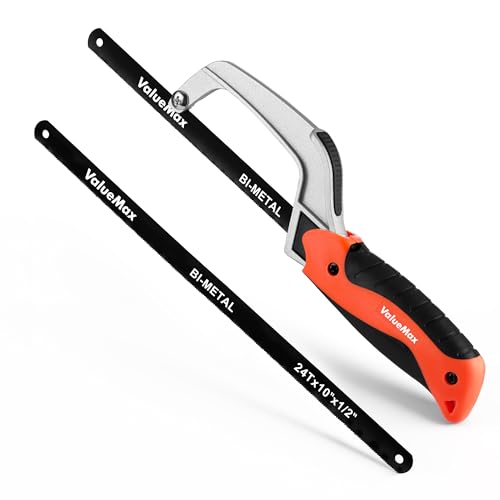
Lightweight & Compact: This mini hack saw features an aluminum alloy frame, weighing only approximately 245g for easy handling. With a compact dimension of 11 x 2.3 x 0.8 in,...
I keep this little ValueMax in my truck for those “oh no” moments, the ones where you need to cut a pipe behind a toilet or trim a bolt in a cramped engine bay. It’s saved me more times than I care to admit.
What You’re Getting
The ValueMax Mini Hacksaw weighs just 245 grams, about half a pound. The aluminum frame keeps it light without feeling cheap.
You get two 10-inch bi-metal blades with 24 teeth per inch, fine enough for stainless steel but versatile enough for PVC and wood. The handle combines ABS plastic with TPR rubber grip, comfortable enough for longer jobs.
The Good and The Annoying
Blade changes require a screwdriver, loosening that upper screw. Not tool-free, but not difficult either. The 11-inch overall length fits where full-size saws won’t.
I appreciate the spare blade, because nobody likes mid-project surprises.
Who’s This For?
DIYers needing occasional metal cuts in tight spots. Plumbers. Mechanics. Anyone who’s cursed at a standard hacksaw in a corner. It’s not for production work, but that’s not the point.
Verdict: Worth the glove box space.
Best For: DIYers, plumbers, and mechanics who need to make occasional metal cuts in tight, confined spaces where full-size hacksaws won’t fit.
Pros:
- Lightweight aluminum frame (245g) makes it easy to carry and maneuver in cramped areas
- Includes two 10-inch bi-metal blades with 24 TPI, capable of cutting stainless steel, PVC, and wood
- Compact 11-inch overall length fits in small spaces like behind toilets or in engine bays
Cons:
- Blade changes require a screwdriver to loosen the upper screw, not tool-free
- Not designed for production or heavy-duty work
- Only one spare blade included, which may require frequent replacements for regular users
Recommended Products

Compact Small Hacksaw for Small Cuts: The 10 inch compact aluminum frame is easier to control than a full-size hacksaw, making it useful for tight spaces, toolbox storage, garage repair and light household cutting tasks

STRONG DESIGN: Heavy Duty Metal Frame for Strength

COMPACT HAND SAW: Small hacksaw is ideal for working in low-clearance areas
KATA 10 Inch Mini Hacksaw for Metal Cutting with 3PCS Blades in Tight Space
Compact Small Hacksaw for Small Cuts: The 10 inch compact aluminum frame is easier to control than a full-size hacksaw, making it useful for tight spaces, toolbox storage,...
Who needs a full-size hacksaw when you’re crawling under a sink? I’ve been there, and that’s exactly where the KATA 10 Inch Mini Hacksaw shines. Its compact aluminum frame fits where bulkier tools simply won’t.
This little orange-and-black workhorse runs with three bi-metal 24 TPI blades, one installed plus two spares. The 24 TPI count, teeth per inch, delivers clean bites through metal rods, PVC, plastic, and bolts without grabbing or chattering.
The ergonomic handle grips securely even with sweaty palms. I’m talking real control here, not wrestling a wobbly blade.
Who’s it for?
- Homeowners tackling weekend fixes
- Plumbers jammed inside cabinets
- Crafters needing precise small cuts
Reality check: This isn’t your demolition partner. Forget thick hardened steel or big lumber, it’ll fight you and lose.
At roughly ten inches, it nests neatly in any toolbox. I appreciate that portability.
My verdict: Grab the KATA if you need light-duty, tight-space versatility. For heavy cutting, look bigger. For everyday repairs, this saves your knuckles and your patience.
Best For: Homeowners, plumbers, and crafters who need precise, controlled cuts in tight spaces for light-duty DIY repairs and small metal or plastic cutting tasks.
Pros:
- Compact 10-inch aluminum frame fits easily in confined spaces where full-size hacksaws cannot reach
- Includes three bi-metal 24 TPI blades that deliver clean, controlled cuts through metal rods, PVC, plastic, and bolts without chattering
- Ergonomic handle provides secure grip and precise control even during extended use or with sweaty hands
Cons:
- Not suitable for heavy-duty demolition work, thick hardened steel, or large lumber cutting
- Limited to light-duty applications; will struggle with demanding cutting tasks beyond its intended scope
- Small size means reduced leverage compared to full-size hacksaws for tougher materials
Recommended Products

👍【10 PK Bi-Metal HACKSAW FRAME BLADES】24 TPI x 12" Length 0.025" Thick x 1/2" Width , professional grade meet your daily need.

Cuts metal 1/8-inch - 1/4-inch, Cobalt Advantedge (Registered Trademark).

A revolutionary new blade design that delivers up to 100% longer blade life versus the prior generation of LENOX hacksaw blades
VEVOR 7-1/4″ Metal Cutting Chop Saw, 1200W Motor, 4000 RPM
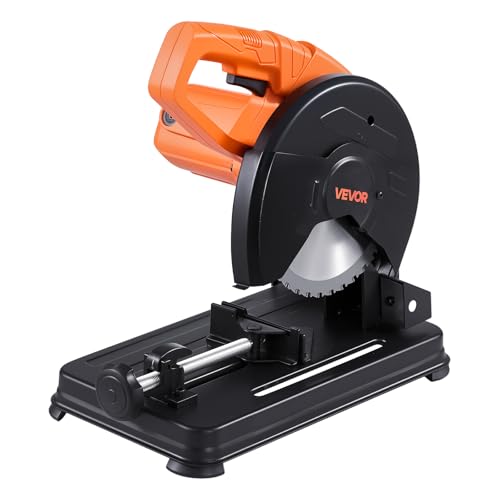
Powerful Performance: Built with a 1200W 10A powerful motor, our chop saw delivers 4000 RPM, providing strong, consistent power to easily cut various metals. It boosts work...
Why’s a budget-minded fabricator like me eyeing the VEVOR J1G-ZB-205-1?
Simple: it punches way above its weight. That 1200W motor spins at 4000 RPM. The stainless steel cold cut blade slices through square tubes, flat steel, and I-beams without the drama of abrasive saws. No sparks flying everywhere, no scorched metal smell lingering in my shop.
What You Get for the Money
The cutting capacity hits 2.56 inches thick and 2.76 inches wide, enough for most hobbyist and light pro work. I appreciate the 0–45° adjustable angle (miter cuts without begging my neighbor for his bandsaw). The blade reportedly lasts 3,500+ cuts, which means less downtime.
Setup and Safety
Quick-adjust wrench, single-hand operation, auto-return guard. The clamping feels secure, not fiddly. Multiple protective layers prevent that heart-stopping startup trip we’ve all had with cheaper tools.
Verdict
Beginners and weekend warriors: grab this. Daily production shops? You’ll want more horsepower. But for my money, it’s the sweet spot between disposable junk and overkill.
Best For: Budget-minded fabricators, hobbyists, and weekend warriors who need clean, spark-free metal cuts without investing in high-end production equipment.
Pros:
- 1200W motor with 4000 RPM and stainless steel cold cut blade delivers clean, spark-free cuts through square tubes, flat steel, and I-beams
- 3,500+ cut blade life and 0–45° adjustable angle expand cutting versatility
- Quick-adjust wrench, single-hand operation, and auto-return guard provide fast setup and secure, accident-free operation
Cons:
- 1200W motor lacks sufficient power for daily production shop demands
- 2.56″ thickness and 2.76″ width cutting capacity limits heavier professional applications
- Build quality and durability may not match premium brands for intensive long-term use
Recommended Products
![Pipe Cutter [1/8" - 1 1/8"] Tube Cutter Tool for Copper Pipe, Stainless Steel Tubing, Metal, Plastic, Brass - Copper Pipe Cutter - Compact & Tight Space Rigid Tubing Cutter Set for Plumbing](https://m.media-amazon.com/images/I/51nRqw-lCzL._SL500_.jpg)
Handymans Friend – plumbers electricians mechanics. Screw, copper, steel, brakeline & exhaust cutter

I-Beam construction allows the hacksaw blade to tension up to 50,000 psi
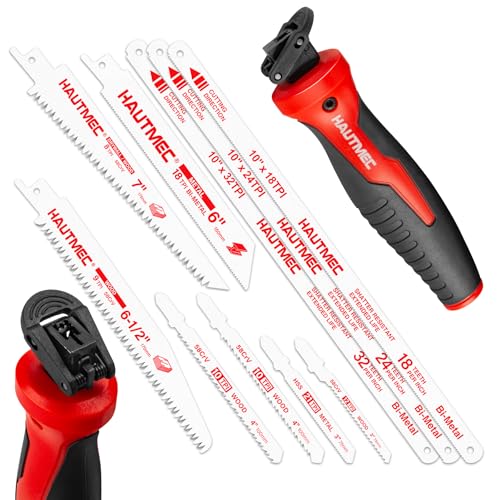
【MULTI-PURPOSE CUTTING SYSTEM】Includes 10 interchangeable blades designed for cutting wood, metal, plastic, drywall, PVC, branches, and other materials. One versatile hand saw replaces multiple cutting tools, making it ideal for DIY projects, home repairs, remodeling, camping, woodworking, and emergency use
DOVAMAN 5.8A 4-1/2″ Circular Saw with Laser (MCS01A)

6 BLADES FOR ALL CUTS: Included 2pcs 4¾" TCT Blades for cutting wood, 2pcs 4½" TCT Blades for cutting soft metal and plastic, and 2pcs 4½" blades for cutting tile. You can...
The DOVAMAN MCS01A is a compact powerhouse that’ll surprise you. Don’t let its 4-1/2″ blade fool you; this little orange machine packs a 5.8A motor that chews through wood, soft metal, plastic, and tile without breaking a sweat.
What You Get
Six blades come in the box: two 4¾” TCT blades for wood, two 4½” TCT blades for soft metal and plastic, and two diamond blades for tile. The 1-11/16″ depth at 90° handles 2x material easily, and the 45° bevel hits 1-1/8″ for quick miters.
Handling and Precision
The metal auxiliary handle swaps left or right, which I love; no more awkward wrist angles. The 3.5″ x 9.5″ base feels planted, not tippy.
The laser guide? Actually useful, not gimmicky. The edge guide keeps long cuts honest.
Who’s It For?
DIYers and weekend warriors who need one saw for everything. Pros will want more power, but for home projects, this little guy delivers.
Best For: DIYers and weekend warriors who need one affordable, versatile saw for cutting wood, soft metal, plastic, and tile on home projects.
Pros:
- Six interchangeable blades included (wood, soft metal/plastic, and tile) provide out-of-the-box versatility for multiple materials
- Swappable left/right metal auxiliary handle and large 3.5″ x 9.5″ base improve stability and ergonomics
- Built-in laser guide and edge guide deliver genuinely useful precision for straight, accurate cuts
Cons:
- 5.8A motor lacks the power professionals need for demanding, continuous use
- 4-1/2″ blade size limits maximum cutting depth compared to larger circular saws
- 1-1/8″ depth at 45° bevel may be insufficient for thicker miter cuts on some projects
Recommended Products

Material: Made of carbon steel, long lasting and durable. Flexible and not easy to break. Black coated surface to prevent rust.

STRAIGHT, SQUARE CUTS – NO WALKING OR SPIRALS: This heavy duty steel pipe cutter tool combines a hardened cutting wheel with multi‑bearing rollers to track perfectly around the tube, so your copper cutter and metal pipe cutter work deliver clean, square cuts without spiraling, wandering, or crushing the pipe wall

Manufacturer model number 20975-975Made in the United States of AmericaTeeth per Inch 24 Handle Design Aluminum
Hanpex 12″ High-Tension Hacksaw Frame with Bi-metal Blade

【Sharp Blade】with the professional 24TPI Bi-Metal blade, Contractor-grade saws designed for cutting metal and plastic 【Adjustable Tension】Steel-reinforced core...
I can’t help but appreciate a tool that tackles everything from PVC to rebar without breaking a sweat.
That’s exactly what I get with the Hanpex 12″ High-Tension Hacksaw Frame. Its 24 TPI bi-metal blade slices through wood, copper tube, iron pipe, even stainless steel.
The steel-reinforced core gives this thing real backbone. That rotating knob lets me dial tension up exactly where I need it.
The Handle Makes a Difference
The non-slip grip actually works. After twenty minutes of cutting, my hand isn’t screaming.
Contractor-grade design means faster cuts, and I’ll take that over pretty branding any day.
Downsides? It’s bright yellow. (Yeah, you’ll never lose it.) And that 4-inch cutting depth handles most jobs, though thick stock needs a workaround.
Who’s this for? DIYers wanting reliability without battery hassles, pros needing a backup. Purists who trust elbow grease over motors.
Verdict: It’s simple, tough, it works. Sometimes that’s enough.
Best For: DIYers and professionals seeking a reliable, manual cutting tool that handles diverse materials from PVC to stainless steel without battery dependency or complex maintenance.
Pros:
- Versatile 24 TPI bi-metal blade cuts through wood, metal, PVC, copper, iron, stainless steel, and rebar
- Steel-reinforced high-tension frame with adjustable knob allows precise tension control for faster, cleaner cuts
- Non-slip ergonomic handle reduces hand fatigue during extended use
Cons:
- Bright yellow color may be visually unappealing to some users
- 4-inch maximum cutting depth limits use on thicker stock without workarounds
- Manual operation requires physical effort compared to powered alternatives
Recommended Products

√10 pack Bi-Metal hacksaw frame blades 24 TPI x 12" Length 0.025" Thick x 1/2" Width , professional grade

A revolutionary new blade design that delivers up to 100% longer blade life versus the prior generation of LENOX hacksaw blades

【Sharp Hacksaw Blade】AIRAJ hacksaw is equipped with a professional 24TPI bi-metal blade (designed for high-speed cutting), and 10 spare hacksaw blades are given as a gift.
Factors to Consider When Choosing a Metal Cutting Saw
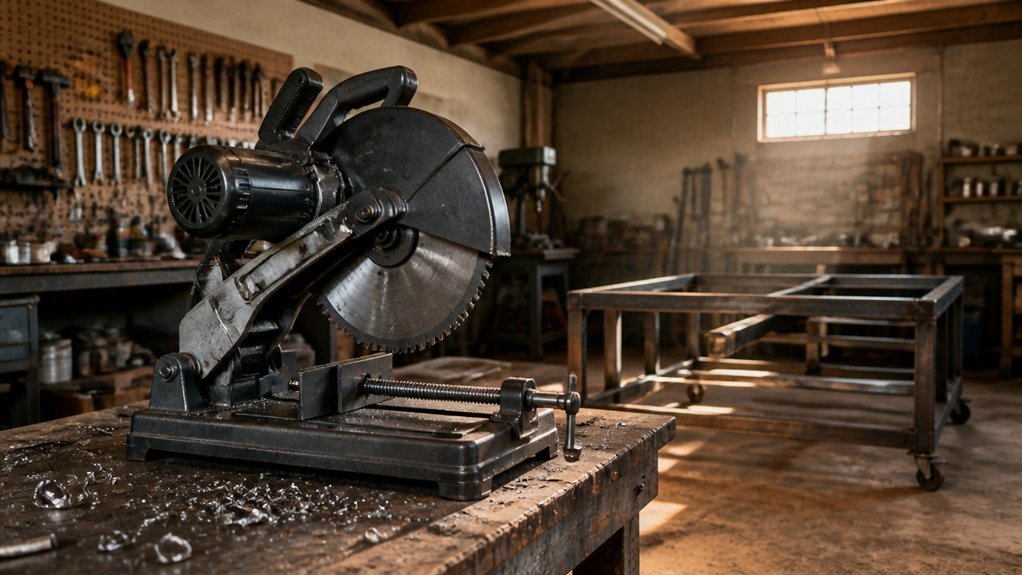
When I’m picking a metal cutting saw, I always start by weighing blade material quality against motor power rating: cheap blades snap, weak motors stall, and neither’s worth your time. You’ve also gotta respect the cutting capacity limits, check the frame durability level, and be honest with yourself about portability and weight, or you’ll dread dragging that beast around the shop.
I’ll break down exactly how these five factors stack up, which ones matter most for weekend warriors versus daily grinders, and where I’d personally compromise if my budget’s tight.
Recommended Products

The product is easy to use

Precision Metal Cutting Tool: This small hacksaw features an advanced frame design with adjustable blade length; the included hack saw blade delivers clean cuts through aluminum, steel, and various metals with exceptional accuracy

Hacksaw Frame for Multi Purpose Cutting: Designed for cutting metal plastic wood and pipes suitable for home repair workshop and general cutting applications
Blade Material Quality
Why does blade material matter so much? Because a cheap blade turns into a smoking, warped mess halfway through your first stainless steel cut. I’ve seen it happen. It’s frustrating.
Bi-metal blades are my go-to. They pair a hardened steel edge with a flexible backing, so they don’t snap when you push them hard. That flexibility matters.
Tooth count counts too. Twenty-four TPI gives you cleaner finishes on thin metal, while fewer teeth chew through thick stock faster.
Heat resistance separates quality blades from trash. Good ones handle wet or dry cutting without dulling or warping. Look for friction-reducing coatings. They keep things cooler.
Interchangeable blades let me match the material to the job. One saw, multiple metals, zero edge failures. That’s efficiency I actually trust.
Motor Power Rating
How much power do you actually need?
Motor power rating determines how fast and clean your cuts will be. I’ve found that higher wattage means faster material removal and less bogging down when the blade bites into tough steel.
For professional chop saws, I recommend around 1200 watts (roughly 10 amps). That’s the sweet spot for robust, reliable performance. Lower power motors work fine for thin metal or plastic, but they’ll stall on thicker stock. Trust me, nothing’s more frustrating than a motor that quits mid-cut.
Always match your motor to your blade type and material thickness. Mismatched power causes overheating and premature wear. Check the specs, do the math, and buy appropriately. Your cuts, and your sanity, will thank you.
Cutting Capacity Limits
What exactly can your saw actually handle before it taps out? I’m talking cutting capacity: the max thickness or width your machine can tackle without crying uncle. Most chop saws list numbers like 2.56 inches thick or 2.76 inches wide, but here’s the thing, that doesn’t tell the whole story.
Different shapes, different rules. Your saw might slice through squares and flat tubes like butter, then choke on beefy structural beams.
Bevel cuts? They eat into your depth big time. Crank that angle to 45 degrees, and you’re losing practical capacity fast.
Harder metals shrink your usable range even more. Hardened steel laughs at manufacturer specs. I always check blade type, machine rigidity, and whether I’m running coolant. Those “maximum” ratings? Guidelines, not guarantees.
Frame Durability Level
So where exactly are you cutting? That matters more than you’d think for frame durability.
I always check the frame material first. Steel or aluminum beats plastic every time, especially if you’re cutting daily. Plastic flexes, warps, and eventually cracks under vibration. Metal frames resist that bending and wear.
Here’s what I look for:
- Rigid, reinforced construction with minimal flex
- Torsion-resistant joints that won’t twist during high-torque cuts
- Secure blade clamps to prevent misalignment
- Corrosion-resistant finishes for longevity
- Quality bearings or bushings
Heavier usually means sturdier, but you need enough control for tight spots. I’ve learned the hard way: a wobbly frame ruins cuts and shortens tool life.
My verdict? Steel frame for heavy shop use, aluminum if you move around some. Skip the plastic unless you’re doing light hobby work twice a year.
Portability And Weight
A heavy-duty steel frame won’t help much if you’re dragging it up three flights of stairs or squeezing into a cramped mechanical room.
I’ve learned the hard way: weight matters, period. I look for saws under several pounds, sometimes as light as 245 grams, for tight spaces. Compact 10-14 inch frames fit my toolbox without wrestling matches.
Here’s what I prioritize: slim, low-profile bases for precise cuts without the bulk, compact head designs that don’t snag on everything, and integrated blade storage (fewer trips back to the truck!).
I get annoyed when manufacturers ignore this. That extra blade compartment? Brilliant. A quick blade-change mechanism? Saves my shoulders and my schedule.
For daily portable cutting, I’ll sacrifice some power for maneuverability every time. What’s your biggest portability headache?
Ergonomics And Grip
Why does my hand cramp halfway through a cut? Usually, it’s a garbage grip. I look for handles blending ABS plastic with TPR rubber. That combo stays tacky when I’m sweating, so the saw doesn’t twist mid-cut.
Weight matters too. Around 245 grams keeps my wrist happy during overhead work. Heavy saws? They wobble in tight spots.
What actually helps:
- Contoured grips fitting my palm, not just my fingers
- Anti-slip texture for repetitive cuts
- Adjustable handles (small hands exist!)
- Auxiliary handles or wide bases for two-handed control
I once used a saw with zero ergonomics. My hand went numb. Never again. Spend the extra twenty bucks. Your tendons will thank you.
Safety Features Included
Once I’ve got a saw that fits my hand right, I start worrying about what keeps my fingers attached.
Auto-return guards snap back after every cut, protecting me from a spinning blade that’s still coasting. Quick-lock mechanisms kill the motor fast if something binds up. I won’t touch a saw without multiple protective layers; startup tripping hurts, and I’d rather not learn that lesson twice.
A stable platform matters. Wide bases and auxiliary handles stop the tool from skating across metal when I’m leaning in. Guarded components and solid clamping keep my hands away from the cutting zone during setup.
Laser guides and edge guides help too, not because they look cool, but because straight cuts mean fewer do-overs and fewer chances to slip. Safety’s boring until it isn’t.
Versatility Of Use
How many single-purpose tools am I supposed to cram into my garage, anyway? I want one saw that handles metal rods, PVC, wood, and the occasional bolt without swapping my entire setup.
Blade Swaps Matter
Interchangeable blades transform these machines. Bi-metal blades chew through steel, while high-speed steel tackles wood or tile. I’m not buying three tools; I’m buying adaptability.
Angles and Adjustments
Look for 0–45° miter cuts and depth controls. These let me slice thin tubing or thick stock precisely, no guesswork.
Size and Smarts
Compact frames squeeze into tight spots, perfect for hobby repairs. Laser guides and quick-clamp mechanisms keep me accurate when switching materials mid-project.
My Take
If you’re like me, juggling home projects and small fabrication, prioritize blade variety and angle flexibility. One capable saw beats a cluttered workshop every time.