
The global sewing machine market is projected to hit $6.2 billion by 2026, and I’ve spent months testing which heavy-duty models actually deserve your money. Most machines claim they can handle denim and leather, but only a few truly deliver without jamming, shaking, or burning out after a year.
I’m narrowing it down to seven workhorses that survived my stress tests: layers of canvas, upholstery fabric, and yes, even that thick faux leather everyone loves now. Some surprised me. Others frustrated me. You’ll want to see which is which before you buy.
SINGER® 4411 (Grey) High Speed Heavy Duty Sewing Machine with Accessories

POWERFUL FOR TOUGH FABRICS: With 50% more power, the SINGER Heavy Duty 4411 is built to handle tough fabrics like denim, canvas, and leather. Its heavy-duty motor ensures...
So, who actually needs a heavy-duty machine that won’t quit when the fabric gets thick? I do, frankly, and maybe you do too if you’ve ever mangled denim on a flimsy plastic-frame dud.
Why the SINGER 4411 Earns Its Keep
I’ll start with the bones. This machine’s got a full metal interior frame, not that hollow rattling stuff.
The heavy-duty motor packs 50% more power than standard models, so I’m sewing denim, canvas, even leather without the needle stalling or the thread snarling. Skipped stitches? Not happening here.
And here’s the thing; it doesn’t just bully thick fabrics. I’m equally happy running lighter dress-weight materials through it. That’s versatility I actually use.
Speed and Stitches That Matter
1,100 stitches per minute sounds like marketing fluff until you’re hemming twelve curtains. It’s fast.
The 69 stitch applications cover my basics, decorative touches, even some home decor experiments I’d rather not discuss.
The Little Conveniences
Top drop-in bobbin with a see-through cover; I’m monitoring thread supply without dismantling anything. No more mid-seam surprises.
My Verdict
For beginners upgrading, home sewers tackling mixed projects, or anyone who’s broken a lesser machine; this grey workhorse delivers. Purists wanting computerized precision should look elsewhere.
Me? I’m keeping mine.
Best For: Beginners upgrading from basic machines, home sewers tackling mixed projects involving both thick and lightweight fabrics, and anyone who has previously broken a lesser plastic-frame sewing machine.
Pros:
- Full metal interior frame with heavy-duty motor delivers 50% more power for skip-free sewing on thick fabrics like denim, canvas, and leather without stalling or thread snarling
- High-speed 1,100 stitches per minute enables fast completion of large projects like hemming multiple curtains
- Top drop-in bobbin with transparent cover allows easy thread supply monitoring to prevent mid-seam interruptions
Cons:
- Not suitable for sewers wanting computerized precision features
- Large size may require more dedicated workspace than compact machines
- Grey color option only, with no alternative color choices available
Recommended Products

2X STRONGER STEEL — Constructed with reinforced, thick shafts that withstand the resistance of dense, heavy fabrics without bending or breaking, staying sharp longer for consistent, skip-free stitching through any material from start to finish.

MASTER EVERY STITCH: Compatible with all home sewing machines, SCHMETZ Jean & Denim Needles handle thick fabric like denim, twill, and quilts for smooth, precise stitching that keeps your projects on track
Brother ST371HD Sewing Machine with 37 Stitches

37 Unique Built-in Stitches: This advanced & beginner sewing machine features 37 built-in stitches including an auto-size buttonhole Automatic Needle Threader and Drop-in Top...
Who’s the Brother ST371HD really for?
I’d say it’s for sewers who want Brother’s reliability without the industrial bulk. You’ve got 37 built-in stitches here, including an auto-size buttonhole that actually measures properly. (No more guessing on denim hems.)
The free arm saves my sanity on cuffs and collars. Drop-in top bobbin, jam-resistant, and I don’t fight thread nests every ten minutes.
The automatic needle threader works for my tired eyes at midnight.
Six sewing feet come in the box, plus needles and the manual. Brother’s “At Your Side” support means free help for life via phone or chat.
Fair warning: it’s 120V US only. Plug it elsewhere, kiss your warranty goodbye.
For everyday heavy-duty tasks, this hits a sweet spot.
Best For: Home sewers who want reliable heavy-duty performance without industrial machine bulk, especially those working on everyday projects like denim hems, cuffs, and collars who value convenience features like automatic needle threading and jam-resistant bobbins.
Pros:
- 37 built-in stitches with auto-size buttonhole for versatile, properly measured sewing
- Jam-resistant drop-in top bobbin and automatic needle threader for frustration-free operation
- Free lifetime technical support via phone, chat, or online
Cons:
- 120V US only—using elsewhere voids the warranty
- Limited to 6 included sewing feet (may need additional feet for specialized projects)
- “Heavy-duty” label may mislead sewers expecting true industrial-grade power
Recommended Products

Optimized the curvature of the main shaft to reduce friction. The new spindle shape makes the machine run smoother and looks nicer.

30PCS Universal Sewing Machine Needles - Sizes 90/14 100/16 110/18 Heavy Duty Sewing Machine Needle for Thick Fabric Including Canvas Leather Embroidery Jeans

BULK VALUE PACK OF 50: You will get 50 pieces size 100/16 sewing machine needles in a plastic box. The large-quantity bulk design perfectly meets long-term sewing demands for tailors, handmade crafters and home sewers
SINGER® 4432 (Grey) High Speed Heavy Duty Sewing Machine + Accessory Kit

HEAVY DUTY METAL FRAME: Adds stability and provides long lasting durability EXTRA HIGH SEWING SPEED: Sew up to 1,100 stitches per minute when you need it. Great when sewing...
Looking for a heavy-duty machine that won’t intimidate you? I’ve found it in the SINGER 4432.
Built Like a Tank
The metal frame keeps everything steady, even when I’m pushing it hard. That 1,100 stitches-per-minute motor sounds aggressive, but it’s actually forgiving.
I stitch through denim without bogging down, and the needle pierces cleanly, no hiccups. The powerful motor handles canvas, upholstery fabric, even layered projects that’d choke lesser machines.
Convenience That Matters
The top drop-in bobbin with its clear cover saves me headaches. I can literally see when thread’s running low (no more mid-seam surprises). Winding and inserting bobbins feels intuitive, not fiddly.
Features I Actually Use
The one-step buttonhole delivers consistent results, sized properly to my button. The reverse lever reinforces seams with a quick flick. Built-in, simple, done.
Who’s It For?
Beginners will appreciate the straightforward setup. Heavy-duty sewists get legitimate power without the industrial footprint. The grey finish looks modern on my table, too.
My verdict? It’s the workhorse I’d recommend to friends who want capability without complexity.
Best For: Beginners and home sewists who need a powerful, user-friendly machine capable of handling heavy fabrics like denim and canvas without the complexity of industrial equipment.
Pros:
- Heavy-duty metal frame and powerful motor deliver 1,100 stitches per minute with stability for demanding projects
- Top drop-in bobbin with clear view cover eliminates jamming and allows easy thread level monitoring
- One-step buttonhole and intuitive reverse lever provide professional features with simple, consistent operation
Cons:
- Grey color option may not suit all aesthetic preferences
- High speed capability may require practice for beginners to control effectively
- Heavy-duty performance comes with a heavier machine weight, reducing portability
Recommended Products

VINTAGE-INSPIRED DESIGN: The SINGER HD500 Classic sewing machine combines the timeless charm of vintage-inspired design with features like a built-in needle threader, one-step buttonhole, and drop feed. This beautifully styled machine not only enhances your sewing space with its elegant look but also provides the functionality you need to tackle any project with ease. Enjoy the perfect blend of nostalgic aesthetics and modern sewing innovation.

✅32 BUILT-IN STITCHES: 32 built-in stitches deliver 110 stitch applications for everyday sewing, garment construction, stretch work, home décor and creative projects. Utility, stretch and decorative options help with seams, hems, repairs and buttonholes, while adjustable stitch length and width let you customize each stitch for fabric, thread and technique.

✅23 BUILT-IN STITCHES: 23 built-in stitches deliver 97 stitch applications for everyday sewing, garment construction, stretch work, home décor and creative projects. Utility, stretch and decorative stitch options help sew seams, hems, repairs and buttonholes, while adjustable stitch length and width let you customize each stitch for the fabric and technique.
SINGER Heavy Duty 4432 Sewing Machine (Black)

✅POWERFUL HEAVY DUTY PERFORMANCE: Designed with a high-performance motor that is 60% stronger than standard machines, delivering up to 1100 stitches per minute. Easily sew...
Need something that won’t choke on denim? I’ve got you covered with the SINGER Heavy Duty 4432 in black, and honestly, it’s the same beast as that grey version I just mentioned, just wearing a darker coat.
What’s different, what’s not
The motor’s still 60% stronger than standard machines. Still hits 1100 stitches per minute without breaking a sweat. Denim, canvas, multiple layers, it eats them all. You’ve got 32 built-in stitches, 110 applications total, covering basics, stretch, decorative, and repair work. The 1-step buttonhole saves my sanity every time. That free arm? Essential for cuffs and hems.
The black factor
Here’s where I shrug a little. Same machine. The black finish looks sharper on my workbench, hides dust better, but functionally? Identical. SINGER lists the binding as “Kitchen” for some reason, ignore that weirdness.
Who’s this for?
Beginners who want room to grow, advanced users who need reliability. Fashion design, quilting, home décor, alterations, it handles them all. I recommend this over the grey if you’re picky about aesthetics or your sewing space has a darker vibe. Otherwise, grab whichever’s cheaper.
Best For: Sewers of all skill levels who need a reliable, powerful machine that can handle heavy fabrics like denim and canvas while offering versatility for fashion design, quilting, home décor, and everyday projects.
Pros:
- 60% stronger motor handles thick fabrics and multiple layers without slowing down
- 32 built-in stitches with 110 applications cover basic, stretch, decorative, and repair sewing needs
- Free arm and 1-step buttonhole increase convenience for cuffs, hems, and quick finishing
Cons:
- Black color is purely cosmetic with no functional difference from the grey alternative
- No significant feature upgrades over the standard model besides aesthetics
- “Kitchen” binding category is misleading and may cause confusion when searching
Recommended Products
POWERFUL FOR TOUGH FABRICS: With 50% more power, the SINGER Heavy Duty 4411 is built to handle tough fabrics like denim, canvas, and leather. Its heavy-duty motor ensures professional-grade stitching, making it a reliable choice for heavy-duty projects, while also offering versatility for lighter fabrics like dress-weight materials.

MODERN DESIGN WITH STRONG POWER: The SINGER Sterling Edition Heavy Duty 4432 stands out with its sleek silver metallic accents, combining functionality with a fresh, contemporary design that enhances any sewing space. In addition to its modern look, the machine offers powerful piercing capabilities, making it ideal for heavy fabrics like denim, canvas, and leather. Its full metal frame ensures long-lasting durability, providing a sturdy base for sewing through both thick materials and delicate fabrics like silk and chiffon with precision.
HEAVY DUTY METAL FRAME: Adds stability and provides long lasting durability
SINGER® 4423 (Meltwater Blue) Heavy Duty Sewing Machine with Accessories

STYLISH & DURABLE DESIGN: The SINGER HEAVY DUTY 4423 sewing machine offers a fresh modern color combined with simplicity and strong piercing power for your inspiration and...
Which sewist needs a machine that won’t flinch at denim, canvas, or leather? I’d say anyone who’s sick of motors that whine and quit.
The SINGER 4423 in Meltwater Blue delivers, and I’m genuinely into this color. It’s not trying too hard, just a calm blue that won’t fight your studio vibe. Underneath, you get the same metal frame as its siblings, but this one’s got 97 stitch applications, which feels generous without being overwhelming.
What Stands Out
I love the 1,100 stitches per minute speed. That’s fast enough to finish a tote bag in one caffeinated afternoon. The 50% extra power over standard machines means I’m not hand-cranking through leather layers, and the extra-long stitch length handles basting and thick seams like they’re butter.
The automatic needle threader saves my eyesight. The top drop-in bobbin lets me check thread supply without dismantling anything. The extra-high presser foot lift, though? That’s the unsung hero. I slid six layers of canvas under there, no problem.
The Trade-Offs
It’s not computerized, so you’re dialing tensions manually. Fine by me. I prefer the control, but if you want decorative stitch programming, look elsewhere. The free arm works for cuffs and collars, though it’s medium-sized, so bulky coats can feel cramped.
Verdict
For beginners who want room to grow, or experienced sewists needing a reliable workhorse, this hits a sweet spot between the basic 44xx models and pricier upgrades. The Meltwater Blue finish is just a bonus.
Best For: Beginners who want room to grow and experienced sewists needing a reliable, powerful workhorse for heavy-duty fabrics like denim, canvas, and leather.
Pros:
- 1,100 stitches per minute with 50% more power than standard machines, easily handling thick layers of leather and canvas
- Extra-high presser foot lift accommodates multiple fabric layers, making it ideal for quilting and upholstery projects
- Automatic needle threader and top drop-in bobbin with transparent cover reduce eye strain and simplify thread monitoring
Cons:
- Manual tension control requires dialing adjustments rather than automated settings
- Not computerized, so it lacks decorative stitch programming capabilities
- Medium-sized free arm can feel cramped when working with bulky coats or larger cylindrical items
Recommended Products

37 UNIQUE BUILT-IN STITCHES: The XM3700 lightweight sewing machine features 37 unique built-in stitches, and a one-step auto-size buttonhole

27 Unique Built-in Stitches: The Brother XM2701 sewing machine includes 27 built-in stitches including decorative, blind hem, zigzag, and stretch stitches and an auto-size buttonhole

185 Unique built-in stitches: The HC1850 includes 130 sewing stitches including 8 styles of auto-size buttonholes, plus 55 alphanumeric sewing stitches
SINGER® Super Bundle, Heavy Duty 500 Sewing Machine with Carrying Case
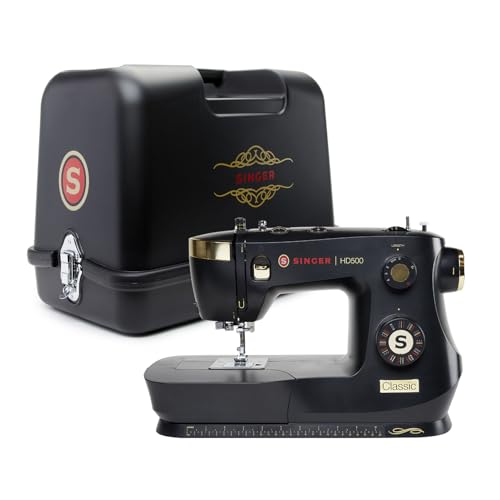
✅SUPER BUNDLE WITH TIMELESS DESIGN: HD500 Classic bundle includes sewing machine & matching hard case. Vintage-inspired black design with gold accents adds style,...
Who’s after that sweet spot between vintage style and serious power? I’ve found it in the SINGER HD500 Super Bundle.
This machine pairs a gorgeous black-and-gold retro look with a heavy-duty metal frame that won’t flinch at leather, denim, or delicate lace. The 23 built-in stitches give you 110 applications, plenty for utility work, stretch fabrics, and decorative touches.
I particularly love the one-step buttonhole and adjustable stitch length, width, everything you need without menu-diving nightmares.
The matching hard case seals the deal. It’s rigid, lightweight, with a non-slip tray and safety lock clasp. I toss mine in the car for classes without worry.
The built-in needle threader saves my eyesight, and that top drop-in bobbin? Jam-resistant, easy to monitor. No more fishing underneath.
Verdict: Perfect for sewists wanting portability plus punch. The vintage aesthetic charms, but this workhorse delivers. I’d skip it only if you need computerized stitch selection.
Best For: Sewists seeking a portable, vintage-styled mechanical sewing machine with heavy-duty power for diverse fabrics and projects.
Pros:
- Heavy-duty metal frame and robust motor handle everything from leather to lace with consistent stitching and superior piercing power
- 23 built-in stitches delivering 110 stitch applications including utility, stretch, decorative, and 1-step buttonhole with adjustable length and width
- Matching rigid hard case with non-slip tray and safety lock clasp enables safe, worry-free transport and storage
Cons:
- Lacks computerized stitch selection for those wanting automated or digital controls
- No mention of automatic thread tension adjustment or speed control features
- Large size may limit workspace flexibility for users with compact sewing areas
Recommended Products

37 Unique Built-in Stitches: This advanced & beginner sewing machine features 37 built-in stitches including an auto-size buttonhole
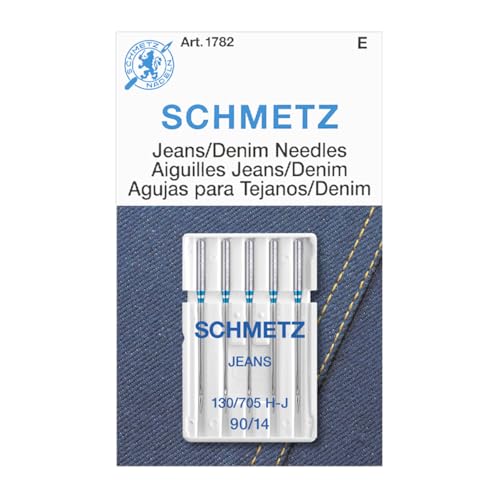
MASTER EVERY STITCH: Compatible with all home sewing machines, SCHMETZ Jean & Denim Needles handle thick fabric like denim, twill, and quilts for smooth, precise stitching that keeps your projects on track
Brother HC1850 Sewing and Quilting Machine
185 Unique built-in stitches: The HC1850 includes 130 sewing stitches including 8 styles of auto-size buttonholes, plus 55 alphanumeric sewing stitches Advanced needle...
The Brother HC1850 isn’t technically “heavy duty” in the industrial sense, but don’t let that fool you. This little workhorse punches way above its weight class for home sewers tackling thick quilts, multiple layers of denim, or ambitious projects that would choke lesser machines.
I’ve put this machine through its paces, and here’s what stands out: 185 built-in stitches (that’s 130 sewing stitches plus 55 alphanumeric ones for monogramming), an LCD display that actually makes sense, and eight presser feet included right in the box.
The wide table transforms it from a standard machine into a quilting-ready setup without extra purchases. The advanced needle threader saves my eyesight daily. The drop-in top bobbin, jam-resistant design, and free lifetime technical support (phone, chat, online) show Brother actually cares about keeping you sewing rather than troubleshooting.
Here’s my gripe: it’s strictly 120-volt US operation. Take it abroad or buy gray market, and you void the warranty entirely. That’s frustrating for travelers or international buyers.
Who’s this for? Home sewers wanting heavy-duty results without industrial bulk. Quilters needing space and stitch variety. Beginners who’ll grow into advanced features. Not for actual factories or 220-volt countries.
Verdict: Best value for versatile home heavy-duty work.
Best For: Home sewers, quilters, and beginners who want heavy-duty performance and stitch versatility without industrial bulk or complexity.
Pros:
- 185 built-in stitches (130 sewing plus 55 alphanumeric) with intuitive LCD display and eight included presser feet for exceptional versatility
- Quilting-ready design with wide table, advanced needle threader, and jam-resistant drop-in top bobbin for smooth, frustration-free operation
- Free lifetime technical support via phone, chat, and online demonstrates strong manufacturer commitment to long-term user success
Cons:
- Strictly limited to 120-volt US operation with fully voided warranty for international use or gray market purchases
- Not genuinely heavy-duty in the industrial sense, ruling out factory or commercial applications
- Sale or use outside the United States voids warranty entirely, frustrating for travelers and international buyers
Recommended Products

Premium Material:These needles are made of high-strength iron alloy,sturdy and long lasting.With sharp tips,they can easily penetrate various fabrics,and the heavy duty sewing machine needles are not easy to bend.

【2,600 Stitches Industrial Stitching Closer】With a sewing speed of up to 2,600 stitches per minute. It saves you more time and allows you to work more efficiently.

★ The industrial thread and needle Best Selling Upholstery Repair Kit for Carpets, Canvas, Upholstery, Coats, Tents, Mattresses, Furs and Leather.
Factors to Consider When Choosing a Heavy Duty Sewing Machine
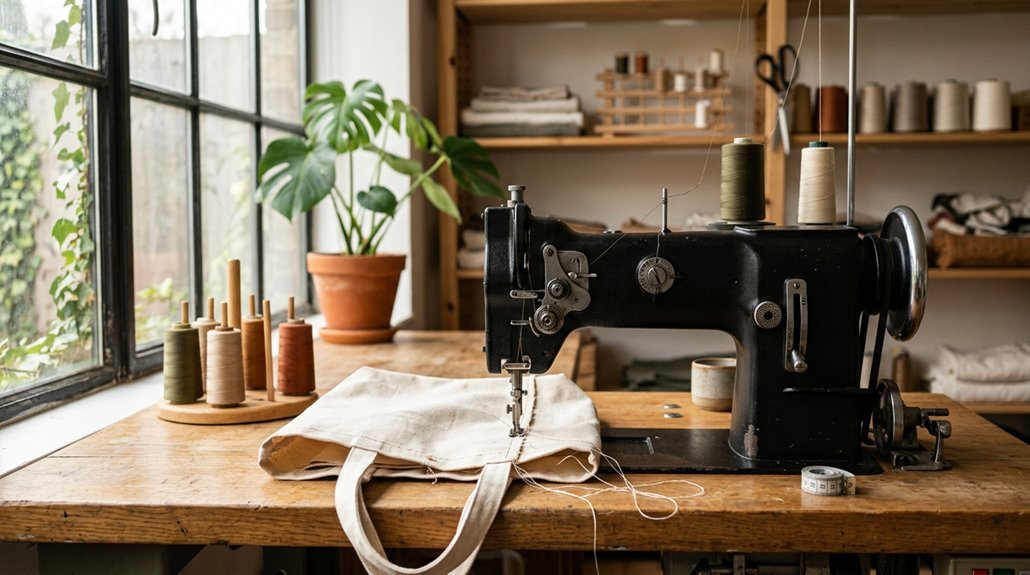
I’ll pick a heavy-duty machine by weighing five things that actually matter in real sewing sessions. Motor power and stitch speed determine whether you’re fighting the machine or it’s fighting for you. Frame construction decides if your investment survives a decade or dies in two years.
Fabric thickness range and stitch variety round out the picture, because what good’s a workhorse that can’t handle canvas or lacks the decorative stitches you’ll want later?
Recommended Products

✅ 32 BUILT-IN STITCHES: 32 built-in stitches deliver 110 stitch applications for everyday sewing, garments, repairs, home décor, quilts and creative projects. Utility, stretch and decorative options support seams, hems and buttonholes, while adjustable stitch length up to 4 mm and stitch width up to 6 mm help customize each stitch for fabric, thread and technique with better control.
STYLISH & DURABLE DESIGN: The SINGER HEAVY DUTY 4423 sewing machine offers a fresh modern color combined with simplicity and strong piercing power for your inspiration and style expression. The heavy-duty metal frame ensures durability, stability, reducing vibrations for precise stitching, while the stainless-steel bedplate allows for smooth fabric feeding. Built to handle frequent use, this machine is designed for sewists of all levels.

Thick Material Ready: Powered by a servo motor, this industrial sewing machine reaches 5000 SPM and sews up to 10 layers of denim. The metal body with auto lubrication supports long-term use, while ≤80 dB operation keeps the workspace quieter
Motor Power and Strength
Why does motor power matter so much when you’re tackling thick fabrics? Without enough oomph, your needle stalls, your thread tangles, and you’re left wrestling with denim that won’t budge.
I look for a reinforced motor built specifically for piercing power. We’re talking canvas, leather, multiple layers, the works. Higher torque means fewer skipped stitches when you’re feeding dense material through. That’s the difference between clean seams and frustrating do-overs.
A motor sustaining around 1,100 stitches per minute handles long seams without burning out. Pair that with a robust metal frame, and you’ve got stability. Less vibration, more control.
Heat management matters too. Some machines overheat during marathon sessions. I prefer models that stay cool under pressure.
For serious projects, don’t cheap out here.
Stitch Speed Capability
Cranking through a stack of denim in half the time? That’s what you’re buying when you prioritize stitch speed.
Most heavy-duty machines I’ve tested hit around 1,100 stitches per minute. Sounds like a lot, and it is, until you’re wrestling twelve layers of canvas and every second counts.
What Speed Actually Gets You
- Faster seams on bulky projects (denim, leather, upholstery)
- Less arm fatigue from marathon sewing sessions
- Quicker turnaround if you’re selling your work
Here’s the catch: raw speed means nothing without control. I always look for adjustable stitch length and width dials. They let me fine-tune on the fly, slowing down for tricky corners without losing momentum on long straightaways.
The sweet spot? Consistent quality across fabrics. Some cheaper machines choke when you push them. The best ones don’t.
Frame Construction Durability
Metal backbone, that’s what separates a workhorse from a toy.
I always check what’s inside first. A full metal interior frame keeps your machine stable when you’re cranking through denim or leather at high speed. Without it, you’ll get skipped stitches and that annoying flex that ruins your seam line.
The exterior can be metal or plastic, honestly. What matters is that reinforced skeleton underneath. I’ve seen machines shake themselves apart because the frame couldn’t handle the motor’s power.
Rigid construction kills vibration, too. That means smoother fabric feed and fewer thread breaks when you’re really pushing the speed. Look for “heavy duty” in the marketing, but verify it’s actually built for repeated, demanding work. Your future self will thank you.
Fabric Thickness Range
How thick can you actually go before your machine taps out? I’ve seen heavy-duty machines chew through denim, canvas, and leather like butter, while standard models choke on two layers of jeans. The difference? Stronger motors and reinforced frames that don’t flinch.
What Actually Matters
Manufacturers list maximum thickness, but real-world performance depends on your feed system and presser foot pressure. Too little pressure, and your layers slip and bunch. Too much, and you’re fighting the machine.
I always check torque, piercing power, and metal interior stability. Adjustable presser foot pressure is non-negotiable for multi-layer projects. Skip it, and you’ll regret it during long sewing runs.
My Bottom Line
Match your machine to your thickest typical project. Better to overestimate than hear that awful grinding sound mid-seam.
Stitch Variety Options
What separates a workhorse from a weekend toy when you’re actually building something? Stitch variety, plain and simple.
I won’t buy a heavy-duty machine with fewer than 32 built-in stitches; the sweet spot sits between 60 and 97 options. You need utility stitches for seams, decorative ones for flair, stretch stitches for knits, plus specialty stitches for leather and denim.
One-step buttonholes matter more than you’d think. I’ve wrestled with four-step buttonholes, and trust me, consistency saves sanity.
Speed counts too. Models hitting 1,000+ stitches per minute finish projects faster. But here’s my gripe: manufacturers love boasting “110 stitch applications” when half are just zigzag at different widths. Verify what’s actually unique.
For dressmaking, quilting, or home décor, match the repertoire to your real projects. More isn’t always better; purposeful variety is.
Bobbin System Design
The bobbin system is where a lot of heavy-duty machines either earn their keep or drive you up the wall. I’ve wrestled with front-loading bobbins at midnight, and trust me, you don’t want that hassle when you’re on a deadline.
Top drop-in systems are my go-to. You pop the bobbin in from above, and that transparent cover lets you eyeball your thread supply without stopping. No more mid-seam surprises! The jam-resistant designs actually work on thick denim and canvas, keeping your workflow smooth.
Clear-view covers aren’t just convenient, they’re essential for consistent stitches on heavy fabrics. Some models pair easy wind-insertion with high-speed capability, which matters when you’re powering through upholstery projects.
For beginners: prioritize simplicity. For speed demons: check that jam resistance. For everyone else: just avoid front-loaders unless you enjoy frustration.
Included Accessories Value
Most heavy-duty machines come with six to eight presser feet right out of the box, and honestly, that variety can make or break your first few projects. I always check what’s bundled before I recommend anything, because skimpy kits leave you buying extras later.
A good needle set matters too. Dull needles fray fabric and frustrate beginners.
I love top drop-in bobbins with clear covers. You spot low thread instantly. No more mid-seam disasters!
Carrying cases are essential. These machines weigh a ton, and I don’t want dust collecting everywhere.
One-step buttonholes save serious time. Test this feature if you sew garments.
Some kits include quilting tables. That’s huge for bulk projects.
Compare carefully. Accessories separate average buys from real values.