
I still remember the exact moment my niece opened her first craft kit, her eyes widening at the prospect of creating something she could actually use. That spark, that tangible pride in making, is what separates the good kits from the forgettable ones.
After testing dozens of options with kids in my neighborhood and my own living room, I’ve narrowed down seven standout choices for 2026. Each one balances independence with just enough guidance, durability with genuine creativity.
Some emphasize wearable results, others focus on process, and a few manage both. The real question isn’t which kit is “best” overall, but which one matches your specific kid’s patience level, interests, and tolerance for mess. I’ll walk you through exactly how they differ, where each shines, and which ones left me genuinely impressed versus mildly annoyed.
JOiFULi Make Your Own Clay Jewelry Bowls Kit for Girls

Craft Jewelry Bowl With Ease: This 28-piece DIY clay craft kit provides everything kids aged 8 to 12 need to make three unique jewelry trinket dishes. Our clay crafts for...
If you’ve got a creative 10-year-old who loves hands-on projects that actually *last*, this kit hits the sweet spot.
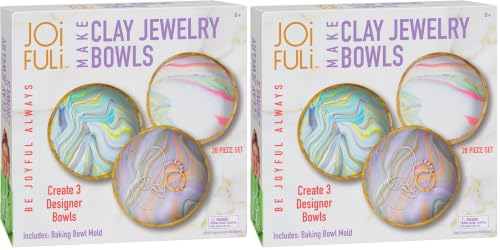
The JOiFULi Clay Jewelry Bowls Kit gives you 28 pieces, including nine non-toxic polymer clay colors, a silicone mold, cutting tools, a roller, and gold metallic paint. I like that everything’s included. No frantic runs to the craft store mid-project.
Here’s the process: you shape, you bake at 275 degrees for 15-20 minutes (adult supervision required, obviously), and you’ve got three decorative trinket dishes.
A heads up: sometimes the clay doesn’t harden completely, so these lean decorative rather than utilitarian. They’ll hold rings, though, and look pretty doing it.
The bonding potential here is real. I’ve seen kits that occupy a kid for twenty minutes and vanish. This one stretches longer, especially if you soften the clay thoroughly first.
Pro tip: keep your workspace clean, or you’ll find purple streaks on your kitchen table for days.
Realistically, who’s this for? Nine to twelve-year-olds, particularly kids who enjoy sculpting and painting. The guided instructions help beginners without killing creative freedom.
I prefer this over flimsy paper-craft kits that crumple within a week.
Verdict: solid birthday gift, genuinely satisfying results. Just don’t expect museum-grade pottery.
Best For: Creative kids ages 9–12 who enjoy hands-on sculpting and painting projects that result in lasting decorative pieces.
Pros:
- Complete 28-piece kit with all materials included—no extra shopping needed
- Extended engagement time compared to quick disposable craft kits
- Guided instructions balance structure with creative freedom for beginners
Cons:
- Clay may not harden completely, limiting bowls to decorative rather than durable use
- Requires adult supervision for oven baking at 275 degrees
- Clay can stain surfaces if workspace isn’t kept clean during crafting
Recommended Products

Includes a 60 page instructional book with Klutz certified crystal-clear instructions; Recommended for children ages 8+

Design your own bracelet with itty-bitty glittery charms!

Comes with 8 colors of polymer clay, 3 pendants, 12 charms, 99 beads, 2 clay cutters, roller, 3 necklaces, bracelet cord, bead rod, cutting tool, and instructions
Make Clay Charms
Includes a 60 page instructional book with Klutz certified crystal-clear instructions; Recommended for children ages 8+ Parents' Choice Award Winner FamilyFunToy of the Year...
This isn’t your typical craft kit, and that’s exactly why I like it. Scholastic’s Make Clay Charms isn’t a box of mystery materials; it’s a 56-page paperback book with Klutz-certified instructions that actually make sense.
I’ve seen too many kits leave kids frustrated. Not this one.
What You Get
You get more than 35 charm designs, from tiny foods to animals, with crystal-clear steps. The 60-page instructional book (yes, book, not a flimsy leaflet) means kids can work independently. No hovering required.
The Awards Matter
Parents Choice Award. FamilyFun Toy of the Year. These aren’t stickers slapped on by marketing teams; they mean real parents and kids tested this.
My Take
It’s from 2013, so don’t expect trendy aesthetics. But here’s the thing: the techniques hold up. Polymer clay charms don’t go out of style.
Verdict
Perfect for the 10-year-old who wants wearable results, not just another half-finished project. Skip it if your kid needs instant gratification; the baking step requires patience. For everyone else? Solid choice.
Best For: Kids ages 8+ who want to create wearable polymer clay charms independently with clear step-by-step guidance.
Pros:
- Klutz-certified crystal-clear instructions enable kids to work without adult supervision
- Includes more than 35 charm designs from tiny foods to animals for variety
- Parents Choice Award and FamilyFun Toy of the Year recognition confirm real-world testing
Cons:
- Requires baking step that demands patience, not suited for kids needing instant gratification
- Originally from 2013, so aesthetics may feel dated rather than trendy
- Some discrepancy in page count (listed as 56 pages vs. described as 60-page book)
Recommended Products

Creat Cutsom Jewelry Dishes: Craft 3 unique and colorful jewelry trinket dishes with our all-in-one clay art kit for kids ages 8-12 years and up. This clay kit allows girls to mix, match, and mold their designs into one-of-a-kind creations.
The information below is per-pack only
Craft Jewelry Bowl With Ease: This 28-piece DIY clay craft kit provides everything kids aged 8 to 12 need to make three unique jewelry trinket dishes. Our clay crafts for girls ages 8-12 are perfect for sparking creativity and encouraging artistic expression.
Klever Kits 3D String Art Kit for Kids

All-Inclusive Kit: Our 3D string art kit offers 3 balloons in 3 shapes - star, moon, and heart, along with 3 colors of gradient yarns, feathers. Kids can unleash their...
Who’s this kit really for? Honestly, kids who want their crafts to *do something*. I’ve seen plenty of string art kits that just sit there. This one lights up.
What’s Inside
Klever Kits packs three 10-inch balloons (star, moon, heart shapes), gradient yarns in three colors, feathers, gloves for you and your kid, even a plastic tablecloth because they know how yarn projects get messy.
The LED string has 30 multicolored bulbs, battery-operated and lightweight. No wrestling with heavy battery packs here.
The Cool Part: Actual Functionality
Your 10-year-old can make lanterns that glow or string art that doubles as a half-decent dream catcher. The step-by-step instructions actually work, though you’ll probably need to “help” at some point (read: untangle something).
Family Bonding? Sure, If You’re Patient
The tablecloth and gloves mean less cleanup panic. It’s portable too, so kitchen table today, living room floor tomorrow.
My Verdict
For kids who finish projects and immediately ask “what does it do,” this beats static crafts. Not revolutionary, but the light-up feature justifies the shelf space.
Best For: Kids ages 8+ who want interactive, light-up crafts rather than static decorations, along with parents seeking manageable family bonding projects.
Pros:
- Multicolored LED string with 30 bulbs adds actual functionality beyond typical string art—creates glow-up lanterns and light-up dream catchers
- All-inclusive mess management with included tablecloth, gloves for both kids and adults, and portable, lightweight design for flexible workspace
- Step-by-step instructions and three shaped balloons (star, moon, heart) with gradient yarns enable multiple creative styles and finished projects worth keeping
Cons:
- Requires active parental involvement for untangling and assistance, which may frustrate impatient adults or independent-minded kids
- Battery-operated LED means ongoing battery replacements and limited glow time versus plug-in alternatives
- Three-balloon kit yields finite projects; repeat crafters will need to repurchase for additional making sessions
Recommended Products

DIY gift for kids and artists: 50-color polymer clay starter kits, easy to shape, arbitrary fabrication, rich colors, satisfying matching, non-sticky, non-fading, easy modeling, especially suitable for artistic creation


🎁 Multi-Color DIY Kit for Kids & Artists – A 50-color polymer clay starter kit with rich, vibrant colors. Non-sticky, easy to blend and shape for children, teens, and beginners. Makes a great gift for Christmas, Halloween, birthdays, and more – perfect for school projects and parent-child activities
National Geographic Mega Arts and Crafts Kit for Kids

3-IN-1 CRAFT BUNDLE - This kit combines 3 of our most popular craft kits & includes over 100 components to make 19 unique pieces of art! Kids can make dazzling mosaics,...
I’ve tested dozens of craft kits, and I’ll tell you who wins with this one: the kid who craves variety.
The National Geographic Mega Arts and Crafts Kit delivers three distinct experiences in one box. You’re getting mosaic art, marbling paint, and air-dry clay pottery, over 100 components total. That’s 19 finished pieces, from mosaic masterpieces to marbled display sheets to nature-themed ornaments and a ring dish.
Here’s what stands out: the marbling. You swirl paint on water, transfer the pattern to paper, it’s mesmerizing.
The pottery uses actual air-dry clay, not that foam junk. Paints and brush included, templates if you need guidance, open-ended options if you don’t.
Blue Marble’s Toy of the Year pedigree shows. The U.S. support team actually responds when you hit a snag.
Any downsides? It’s a large kit, you’ll need table space. And with three mediums, none goes super deep.
Verdict: Perfect for the indecisive crafter, or siblings sharing. Skip it if your kid obsesses over one technique.
Best For: Kids ages 8-12 who enjoy variety in their creative activities and families with multiple children who want to share different crafting experiences.
Pros:
- Three distinct art mediums (mosaic, marbling, pottery) provide variety and prevent boredom
- High-quality materials including actual air-dry clay rather than foam substitutes
- Includes helpful templates for guidance plus open-ended options for independent creativity
Cons:
- Requires significant table space due to the large kit size
- Each medium lacks depth since the kit spreads components across three different activities
- Not ideal for children who prefer to focus deeply on mastering one specific technique
Recommended Products

CONCERT FANS GATHER!!! Using this clay beads set to make a friendship bracelet with friends! This is a key element of the concert merch. Here is a whole box of letter beads and accessories for jewelry making. Spell your name, words, lyrics, album title or phrase onto the bracelet. Wearing a bracelet is to commemorate the time, energy, and love they have invested in friendship, making it a great gift for friendship or birthday decorations.

Perfect Bracelet Making Kit: A box contains about 300pcs pony beads in 12 colors, about 90pcs polymer clay beads in 6 types(contains smile face beads, animal beads, fruit beads, flower beads, rainbow beads and star beads),350pcs random letter beads in 3 types,22pcs plastic smile beads and 50pcs small round beads,1 roll of 6 meters elastic string,4 woven ropes. You can make bracelets or jewelry according to your favorite color and style.

Craft kit comes with everything to create 10+ friendship bracelets
Hapinest Clay Jewelry Making Kit for Girls
Comes with 8 colors of polymer clay, 3 pendants, 12 charms, 99 beads, 2 clay cutters, roller, 3 necklaces, bracelet cord, bead rod, cutting tool, and instructions Includes...
Looking for a jewelry kit that actually lets kids create wearable pieces? I found one that delivers real results, not just plastic junk.
What You Actually Get
The Hapinest kit includes eight polymer clay colors, three pendants, twelve charms, and ninety-nine beads. That’s enough material for three bracelets and three necklaces. The clay comes in purples, pinks, green, teal, blue, and white, and you can mix them for custom shades.
The Hands-On Experience
Polymer clay requires oven baking to harden, so this isn’t instant gratification. I like that. Kids roll, cut, and shape their own beads, then bake them into permanent pieces.
The included cutters, roller, and bead rod make the process manageable for ten-year-olds.
The charms add personality: butterflies, flowers, and “made with love” tags. Mix these with the beads, and suddenly you’ve got jewelry worth gifting.
Who This Suits Best
This kit works for crafty kids who’ll follow through on multi-step projects. If your child abandons crafts halfway through, skip this. The baking step demands patience.
For screen-free creativity with actual wearable results, this hits the mark. I’d recommend it for kids who already enjoy clay or jewelry making.
Best For: Crafty kids ages 8+ who enjoy multi-step projects and have the patience for oven-baking to create wearable, gift-worthy jewelry pieces.
Pros:
- Produces permanent, wearable jewelry rather than disposable crafts
- Includes quality tools (cutters, roller, bead rod) that make the process manageable for kids
- Ample design variety with mixable clay colors, charms, and beads for customization
Cons:
- Requires oven baking, so there’s no instant gratification
- Not suitable for children who abandon projects halfway through
- Limited to creating only 3 bracelets and 3 necklaces per kit
Recommended Products
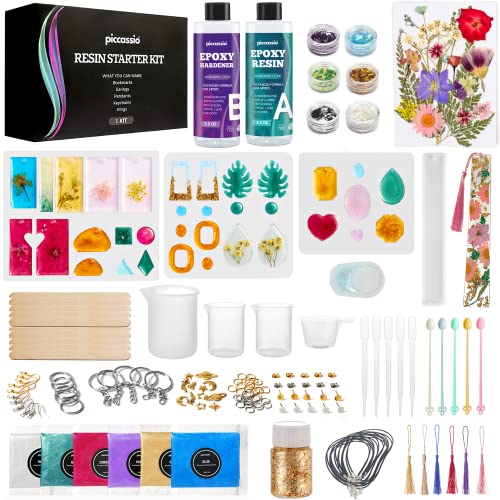
Complete Beginner Resin Jewelry Making Kit - Master the art of resin crafts with Piccassio Resin Starter Kit - Piccassio resin kit and molds complete set comes with everything you need to make custom DIY Crafts: Detailed Instructions, Resin, and Hardener, Dried Flowers, Mica Colors, Glitters, Jewels: Tools like Silicone Molds and Cups, Mixing Sticks, Spoons, Pipettes and complete your creations with Tassels, Earring Hooks, Jump Rings and Necklace Chains

💎【UV Resin Jewelry Kit】:UV Resin Jewelry Kit includes 300G of high transparency clear resin, upgraded UV lamp, 3 pcs of multi-shape resin molds, 12 colors of glitter, 12 kinds of cellophane paper, 12 kinds of dry-pressed flowers, 3 colors of gold foil paper, multi-shape two-color border pendant, two sheets of stickers, necklace cord, key ring, ear hook, resin tape, tweezers, silicone cups, stirring rod and plastic stirring rod, Gloves, user manual.

Package Content — This bedazzler kit is a fantastic pick, coming with 1 × 28-grid storage box with approx.52,000pcs of 3mm resin rhinestones, 1 tweezers, 1 rhinestone pickup pen, 3 × B7000 jewelry glue.Our resin jelly rhinestones for bedazzling in assorted colors, ideal for all DIY sparkle projects.
Sew Mini Treats

Make your own felt food with fabulous faces. Includes instructions, patterns, and materials for more than 18 cheerful, itty-bitty food items as well as tips and tricks to...
Sew Mini Treats stands out for any 10-year-old who’d rather stitch than sketch.
I’m talking about Klutz’s 48-page kit, model 532035, a product bundle sized 8 by 1.5 by 9 inches with multiple colors inside. You get felt food with fabulous faces, more than 18 cheerful, itty-bitty items to create.
No prior sewing experience necessary. That’s right, none.
The kit includes instructions, patterns, and materials. You stitch and stuff favorite plush foods, then customize with tips and tricks. Want tiny tacos? Mini muffins? Go wild.
The 48 pages guide you through everything. Felt’s forgiving, so mistakes won’t derail the fun.
What’s the catch? This published back in 2016, so availability varies. But the projects hold up. Real felt, real needles, real results.
Verdict: Perfect for kids who’ve outgrown simple lacing cards but aren’t ready for complex patterns.
Compare it to the Hapinest Clay Kit I just covered: clay’s faster, but sewing builds patience. If your ten-year-old fidgets constantly, maybe grab clay instead. But for focused crafters? This delivers quiet, portable, screen-free hours.
Best For: Kids around 10 years old who enjoy focused, hands-on crafting and have outgrown simple activities but aren’t ready for complex sewing patterns.
Pros:
- Requires no prior sewing experience, making it accessible for beginners
- Includes all necessary materials (instructions, patterns, felt, needles) for more than 18 customizable food projects
- Provides quiet, portable, screen-free entertainment that builds patience and fine motor skills
Cons:
- Originally published in 2016, so availability may be limited
- Not ideal for children who fidget constantly or prefer faster-paced activities
- Mistakes possible despite forgiving felt material, which may frustrate some users
Recommended Products

ALL YOU NEED INCLUDED - The clay beads bracelet making kit provides 168 colors flat polymer clay beads with 27000 pieces, and more than 2,000 pieces of charms kit. The rich accessories include letter beads, heart beads, smile face beads, evil eyes beads, square beads, star beads, pendants, charms, lobster clasps, etc. Over thirty kinds of accessories to meet various DIY needs

ALL YOU NEED INCLUDED - A must for jewelry making lover. A box of about 5520pcs flat polymer clay beads in 24 colors and 550pcs charms kit( contains random letter beads, smile beads, colorful heart beads, shells, pendants, jump rings, lobster clasp, etc.), 2 roll of 5 meters elastic strings, a scissors, to meet all your needs for bracelets making & jewelry making

1200PCS Bracelet Making Kit: A box contains 20 types(contains animal beads, fruit beads, flower beads, butterfly beads and star beads etc.),50pcs random letter beads in 2 types,300 pcs clay beads and 100 pcs pony beads,1 roll of 6 meters elastic string. You can make bracelets or jewelry according to your favorite color and style.
Diamond Art Butterfly Kit for Kids with Frame

DIAMOND ART KITS FOR KIDS: Diamond painting kit includes - butterfly template, exquisite solid wooden frame, Frame Stand, drill pen, clay glue(safe and non-toxic), plastic...
What makes a craft kit truly worth your time? I’ve found it’s the sweet spot between ease and reward. Celecstan’s Diamond Art Butterfly Kit nails this balance.
What’s Inside the Box
You get a wooden butterfly canvas, solid frame with stand, drill pen, non-toxic clay glue, tray, and colored diamond bags. Everything’s included. No late-night craft store runs.
The Standout Feature
Here’s where it gets interesting. Those 3D wings tremble slightly when touched. It’s gimmicky, sure, but kids love the interactivity. (I’ve seen flat diamond art, and frankly, it gathers dust.)
Who This Suits Best
- Patient beginners ages 8-12
- Kids who enjoy repetitive, calming focus
- Parents craving screen-free bonding time
The drill pen picks up diamonds via clay glue, you press them onto numbered spots. Simple.
My Honest Take
Finishing takes real focus. Frustrated kids might quit. But the wooden frame means instant display, no limp poster sadness.
Verdict
Gift this for birthdays, keep for rainy weekends. Best for craft-curious girls (and honestly, some adults) wanting decor they’ll actually show off. Skip it for kids needing instant gratification.
Best For: Patient kids ages 8-12 who enjoy calming, repetitive crafts and want finished artwork worthy of display.
Pros:
- Complete kit with wooden frame and stand for instant display—no extra purchases needed
- Interactive 3D wings add tactile engagement that flat diamond art lacks
- Screen-free activity that builds focus and suits parent-child bonding
Cons:
- Requires sustained attention; easily frustrated kids may abandon the project
- Repetitive process may bore children seeking variety or instant results
- Narrow appeal—primarily marketed toward girls, limiting broader gift potential
Recommended Products

EFFORTLESS ROTATING BEAD SPINNER: The bead spinner features a smooth-spinning pinewood bowl that rotates continuously to glide seed beads, clay beads, and pony beads onto your needle in seconds — eliminating hand-picking one bead at a time. Transform tedious jewelry stringing into a fast, relaxed, and fatigue-free experience for bracelets, necklaces, and waist chains.

What's Included: 14 Clay Blocks, 6 Metal Clay Cutters, 1 roller, 1 Texture tool, 2 Wooden Craft Sticks 1 Pair of Jewelry Pliers, 6P airs of Brass Charms, 50 Jump Rings, 50 Earring Hooks, 1 Medium Grit Sandpaper.

Complete Package Contents: Includes 15 kinds of jewelry findings, 1 brass ring, 4 kinds of beading wire, 1 tweezer and 1 pliers for all your jewelry making needs
Factors to Consider When Choosing Craft Kits for 10 Year Olds
I always check that a kit actually fits a ten-year-old’s hands and attention span, because who wants their kid wrestling with tiny beads (physical frustration) or losing interest after five minutes? You’ve got to match the project to their current skills (not the bogus “expert” label on the box), verify those materials are non-toxic and kid-safe, and make sure the theme actually excites them, whether that’s outer space or slime.
Finally, look at how long the project really takes. I’ve learned the hard way that a “quick afternoon” craft stretching into three days just creates clutter, tears, and regret.
Recommended Products


Complete Creative Kit: Durable plastic storage box, 52 blocks of polymer clay, each block individually wrapped in PE bags, creative sculpting tools, a variety of accessories, and an instruction manual.

Set includes 10 carving scrapers,5 double-headed rubber nibs and dotting pens,14 detail carving light clay tools,9 polymer clay shaping and sculpting tools,1 plastic scraper backing board,1 plastic knife,1 plastic storage box.All sizes are available to meet the needs of you various craft projects for clay models and different creative effects.
Age Appropriateness
Why does age labeling matter so much when I’m shopping for craft kits? Because that tiny age range tells me everything about safety standards, cognitive demands, and whether I’ll be micromanaging glue disasters or actually drinking my coffee while it brews.
What I’m actually looking for:
Most kits targeting 8–12 hit that sweet spot for 10-year-olds. Their fine motor skills are there, their creativity’s exploding, but they still need structure.
- Independent work: Clear instructions they can follow without me hovering. (I love crafts, I don’t love being project manager.)
- Achievable goals: Multiple smaller items beat one massive masterpiece that’ll end up half-finished under the couch.
- Social bonus: Kits producing shareable accessories or giftable finished pieces match their blossoming social lives perfectly.
Skill Level Match
Once I’ve checked the age range, I’m looking at what a kit actually asks a kid to do. Ten-year-olds aren’t babies, but they’re not teens either. They need that sweet spot: challenging enough to feel grown-up, not so hard they throw it across the room.
What I Actually Look For
I grab kits labeled 8–12 first. That tells me the instructions will be crystal clear, with pictures, not walls of text nobody reads. Step-by-step visuals? Non-negotiable. Kids this age can follow directions, but they’ll bail if it’s confusing.
Technique-wise, I’m skipping the “glue two pieces together” stuff. Give me intermediate moves: shaping real clay, layering watercolors, basic stitching. These build actual skills.
Bonus points if a kit scales up, multiple projects getting trickier. Then I’m not rebuying in three months.
Material Safety
How do I know a craft kit won’t turn my kitchen table into a hazmat zone? I check for non-toxic polymer clay, safe paints, and tools without sharp edges. Chemistry matters. Cheap glues smell like regret and headaches.
I always verify labels, too. Look for lead-free, phthalate-free components. Small parts shouldn’t choke anyone, even clever 10-year-olds who swear they don’t put things in mouths. Safety standards exist for reasons.
Some kits need baking, which makes me nervous. I want clear temperature instructions, time limits, and a bold “adult supervision required” warning. Residue happens, so protection and cleanup guidance matter. Nobody wants paint permanently fused to granite.
I’ll pick compliant, transparent brands every time. My sanity, and my table, thank me.
Interest Alignment
Interest Alignment
I start by matching the theme to what they’re actually doing right now, not what I wish they’d do. If they’re obsessed with clay, I grab a sculpting kit, not a sewing machine. Simple, right?
I always check the age range, typically 8–12, and hunt for clear step-by-step instructions. Ten-year-olds want independence, not hand-holding.
Customization matters hugely. Kits with mixable colors or personalized charms let kids express themselves. I’ve seen boring projects kill enthusiasm fast.
Tangible results win. Finished bowls, framed art, jewelry: anything display-worthy gives real satisfaction. Who doesn’t want to show off?
Finally, I verify non-toxic materials, safe tools, and minimal setup headaches. Frustration ruins the fun instantly.
Bottom line: match their actual interests, and watch them stay engaged.
Project Duration
When I’m picking a craft kit, I always think about how much time my kid’s actually got, not just how much time I wish they’d sit still.
Project duration matters, a lot. I’ve seen kits that wrap in 15 minutes, others that stretch across a full weekend.
Quick Hits vs. Marathon Builds
Short baking sessions, roughly 15–20 minutes, work great for weeknight wind-downs. But multi-component kits, the ones with 3 bracelets to weave or multiple string art panels, they’ll naturally eat up hours. That’s not bad, just plan for it.
Hidden Time Traps
Drying steps and baking pauses mess with momentum, no question. Your kid starts, then waits, then maybe forgets they cared.
Instructions Matter More Than You’d Think
Clear, icon-led guides speed things up considerably. Vague steps? Frustration city.
Verdict: match duration to your child’s actual attention span, not your ideal one.
Cleanup Ease
Mess has a way of sneaking up on you, doesn’t it? I’ve learned the hard way that cleanup ease can make or break a crafting session.
What I Look For
I prioritize kits with built-in cleanup plans: tablecloths, gloves, and pre-contained components that keep spills manageable. Washable or non-sticky materials, like non-toxic polymer clay you can soften and re-roll, save serious scrubbing time.
Storage Solutions
Dedicated compartments for beads, charms, and cutters prevent the dreaded “scattered debris” scenario. Resealable bags and plastic trays let me contain everything fast when creativity crashes into dinnertime.
Instructions Matter
Clear, step-by-step directions that minimize extra tools reduce both setup and post-craft clutter. Fewer loose parts mean fewer things to chase down.
My Verdict
For busy households, pre-arranged, low-mess components win every time. Quicker containment, happier parents, repeat crafters.
Creative Freedom
Why do some craft kits feel like paint-by-numbers while others actually let kids think?
I always check how much wiggle room a kit actually gives. Open-ended activities win me over: mixing your own colors, combining random elements, dreaming up weird shapes. That’s where 10-year-olds start developing a real personal style.
Materials matter. I prefer kits packed with variety: multiple clay colors, assorted beads, different textures. More stuff equals more experiments.
Instructions should bend, not break. Clear guidance is fine, but I love when templates come with optional embellishments. Kids learn technique, then improvise.
Avoid the “make exactly this” trap. Single-outcome projects kill independent thinking. Instead, I hunt for mix-and-match components: charms, paints, cutters. Iterative iterations. Multiple creations from one box.
My verdict: flexibility over perfection. Every time.
Social Engagement
Because I’ve watched my niece silently craft alone for hours, I’ve learned that the right kit can flip that switch from solo to social real fast.
Group-Friendly Features
I hunt for kits with built-in collaboration prompts. Pairing tasks, like parent-child jewelry making or friend-based weaving projects, turn crafting from isolation into connection. Multiple identical items, say friendship bracelets or charm sets, invite trading and gifting. That’s instant peer bonding.
Smart Design Matters
Frustration kills group fun, so I prioritize crystal-clear, step-by-step instructions. When kids aren’t confused, they actually talk, laugh, and help each other. Open-ended templates spark idea-sharing and co-creation, which beats rigid follow-the-dots every time.
Show-and-Tell Value
Finished pieces meant for display, painted bowls or framed string art, become conversation starters. Kids proudly showcase their work, extending the social moment beyond the craft table.
Bottom line: I want kits that build memories, not just objects.