

Sawdust hangs in the afternoon light of my shop, and I’m eyeing the nine 14-inch bandsaws that’ll dominate benches in 2026. I’ve run hardwoods through machines that shook like washing machines, and I’ve found the quiet ones worth every extra dollar.
Dual-speed motors matter more than most folks think, softwoods beg for faster blade speeds while dense maple needs patience and torque. Cast-iron tables beat stamped steel every time, vibration kills accuracy and your temper. Tool-less blade guides? Non-negotiable for anyone who swaps blades weekly.
Some buyers obsess over horsepower, I’d rather have a 1 HP motor in a rigid frame than 2 HP rattling around loose. Urethane tires outlast rubber three to one, Palart throat plates survive impacts that shatter standard inserts.
The real question: are you resawing thick stock or doing delicate curve work? Your answer determines which three machines deserve your attention.
QD-KYOHO 14 Inch Dual-Speed Band Saw for Woodworking

Dual Speed Adjustment: The band saw offers two speed settings to meet your various needs. The 1445 FPM low speed is ideal for cutting hardwoods, while the 2950 FPM high speed...
Who needs a bandsaw that won’t quit when the hardwood gets stubborn? I found mine in the QD-KYOHO 14 Inch Dual-Speed, and it’s been a workhorse.
The meat and potatoes: a 2 HP motor that actually handles dense maple without choking. Two speeds; 1445 FPM for hardwoods, 2950 for softwoods. Simple, effective.
What surprised me most: the cast iron table. At 21-1/2 by 15-3/4 inches, it’s properly stable. No wobble when I’m resawing wide boards. The 13-inch work height handles most furniture parts I throw at it.
Adjustability matters, and QD-KYOHO gets this right. The table tilts 45 degrees right, 5 degrees left. Upper and lower blade guides adjust vertically and horizontally. Quick tension release saves me maybe five minutes per blade change.
Small gripes: the cutting speed rating of 360 FPM seems optimistic for tougher stock. And the navy blue paint? Fine, I guess. Who buys tools for color?
For safe-keeping, there’s overload protection. The work light socket’s handy.
Who’s this for? Hobbyists who need real capacity. You’ll get frustrated by lesser machines; this one earns its keep.
Best For: Woodworking hobbyists who need a reliable, high-capacity bandsaw that can handle dense hardwoods and wide resawing projects.
Pros:
- Powerful 2 HP motor with dual-speed design (1445/2950 FPM) effectively handles both dense hardwoods and softwoods without bogging down
- Large, stable cast iron table (21-1/2″ x 15-3/4″) with 13-inch work height provides excellent support for resawing wide boards and furniture-scale work
- User-friendly adjustability features include 45° right/5° left table tilt, vertically and horizontally adjustable blade guides, and quick tension release for faster blade changes
Cons:
- 360 FPM cutting speed rating seems optimistic and may not hold up under tougher stock conditions
- Work light requires separate purchase as only a socket is included, not an actual light
- Navy blue color scheme offers no functional benefit and may not appeal to all workshop aesthetics
Recommended Products

11-amp 1 HP motor creates cuts up to 6 inches deep and 13.5 inches wide
Dual Speed Adjustment: The band saw offers two speed settings to meet your various needs. The 1445 FPM low speed is ideal for cutting hardwoods, while the 2950 FPM high speed provides a smoother cut on softwoods. With a 2 HP , 14 amp low-noise motor that starts quickly and delivers strong power

9.5-amp motor creates cuts up to 8.85 inches deep and 13-3/8 inches wide
2 Pack Urethane Band Saw Tires 14″ Delta Craftsman Jet Grizzly Powermatic

【Fitments】 2 Pack Urethane Bandsaw Tires (14" x 1" x1/8") is compatible with Delta machines and most other manufactures with 14″ band saw that requires a 1″ wide and...
Need fresh tires for your 14-inch bandsaw? I’ve swapped enough cracked, hardened rubber to know urethane beats OEM every time. These Sixcow tires fit Delta, Jet, Grizzly, and Powermatic 14-inch models, replacing part numbers like 3164088 and M20060-39.
What makes them worth it
Urethane doesn’t dry out or crack like rubber. The bright color helps me spot wear fast. They’re slightly undersized so they grip the wheel tight. I’ve stretched these onto stubborn rims, and boiling them first, like the instructions say, really does help.
Installation reality check
You’ll need a flat screwdriver to pry off the old tire. Then stretch, hook, and work the new one into the groove while it’s still warm. Takes patience, but it’s doable solo.
The bottom line
I’d grab these over hunting down vintage OEM rubber. Your bandsaw deserves better than crumbling tires.
Best For: Owners of 14-inch Delta, Jet, Grizzly, or Powermatic bandsaws looking for durable, affordable urethane tire replacements that outlast OEM rubber.
Pros:
- Urethane material resists drying, cracking, and hardening far longer than traditional rubber tires
- Bright color makes wear and damage easy to spot during routine inspections
- Slightly undersized design ensures a tight, secure grip on the wheel once installed
Cons:
- Installation requires boiling tires and stretching them on while hot, which demands patience and some physical effort
- No included installation tools—must supply your own flat screwdriver and pot for boiling
- Compatibility verification needed against specific model numbers; not universal for all 14-inch bandsaws
Recommended Products

13" RESAW CAPACITY FOR THICK STOCK - A 1.75 HP capacitor-run motor and 116" blade loop resaw material up to 13" tall in one pass, so you can slice thick slabs into bookmatched panels or veneer without a second machine.

13" RESAW CAPACITY FOR THICK STOCK - A 1.75 HP capacitor-run motor and 116" blade loop resaw material up to 13" tall in one pass, so you can slice thick slabs into bookmatched panels or veneer without a second machine.

UNPARALLELED PRECISION - Achieve unparalleled routing precision with this cast iron table saw extension wing, crafted from 1½” thick premium cast iron to eliminate vibration and provide a stable, professional-grade work surface for flawless results.
JET 14-Inch Woodworking Bandsaw, 1-3/4 HP, 115/230V 1Ph (Model JWBS-14SFX)
13" RESAW CAPACITY FOR THICK STOCK - A 1.75 HP capacitor-run motor and 116" blade loop resaw material up to 13" tall in one pass, so you can slice thick slabs into...
The JET JWBS-14SFX is built for woodworkers who mean business.
I love the heavy-duty tubular steel frame on this machine. It doesn’t flex, doesn’t wobble, just sits there and cuts. The oversized lower bearing bolt pattern adds rigidity you can actually feel when pushing hardwood through.
That die-cast trunnion system? Single-point table adjustments save me serious setup time.
The 360 square inch cast iron table is massive. I can support wide panels without juggling extensions. And 13 inches of resaw capacity means book-matched veneers are actually possible in my shop, not just on YouTube.
Toolless blade guides are a godsend. No more hunting for wrenches mid-project. The dual 4-inch dust ports actually work, too, keeping my lungs happier.
Verdict: If you’re serious about resawing and want industrial bones without industrial headaches, this is your saw. Weekend warriors might find it overkill. Professionals? You’ll wonder how you lived without it.
Best For: Professional woodworkers and serious hobbyists who prioritize resawing capacity, rigidity, and time-saving features in a heavy-duty bandsaw.
Pros:
- Heavy-duty tubular steel frame with oversized lower bearing bolt pattern eliminates flex and wobble during demanding cuts
- 360 square inch cast iron table and 13+ inch resaw capacity support large panels and book-matched veneer work
- Toolless blade guides and single-point trunnion adjustments reduce setup time and eliminate tool hunting mid-project
Cons:
- Industrial-grade construction and capacity may be excessive for casual weekend woodworkers
- Dual 4-inch dust ports require robust dust collection infrastructure to realize full benefit
- Premium build quality likely commands higher price point than entry-level alternatives
Recommended Products


14" JET, Grizzly, General, Reliant, Craftsman, Rigid and most imports.

※Designed for VIGO POWER 9" Band Saws – Blade guide set compatible with VIGO POWER 9-inch band saw machines, suitable for home workshops and DIY use.
JET 14-Inch Woodworking Band Saw, 1 HP, 115/230V 1Ph (JWBS-14CS)

6-inch resaw capacity for cutting larger pieces of wood Upper and lower cast iron frame for increased strength and rigidity Blade guide post with rack and pinion adjustment...
Looking for a bandsaw that’s built like a tank but won’t tank your patience during setup?
I found the JET JWBS-14CS, and it’s got some tricks that make life easier. The rack-and-pinion blade guide post moves smoothly, and that single-knob tracking adjustment? It’s a real time-saver. I’ve wrestled with finicky trackers before, so I appreciate not needing three hands and a prayer.
The Good Stuff
The cast iron frame keeps everything steady, which matters when you’re pushing hardwood through. Six computer-balanced wheels kill vibration dead. For resawing, you get six inches of capacity, plenty for most furniture parts. The micro-adjustable lower guide actually works like it should, no fumbling with wrenches mid-cut.
Trade-Offs to Know
This single-phase 1 HP motor runs on 115V or 230V, so it’ll plug in anywhere, but it’s less beefy than JET’s 1-3/4 HP JWBS-14SFX. You lose some oomph for thick stock, though the ball bearing guides help blades live longer either way.
My Verdict
Perfect if you’re a hobbyist upgrading from a benchtop saw, or a pro needing a reliable backup. Serious production shop? Go bigger. Everyone else? This white workhorse delivers solid value without the setup headaches.
Best For: Hobbyists upgrading from benchtop saws and professionals needing a reliable backup machine who want solid cutting performance without complicated setup headaches.
Pros:
- Rack-and-pinion blade guide post and single-knob tracking adjustment significantly reduce setup time and frustration
- Cast iron frame and six computer-balanced wheels provide excellent stability and vibration-free operation
- 6-inch resaw capacity with micro-adjustable lower guide and ball bearing guides accommodates most furniture work while extending blade life
Cons:
- 1 HP motor lacks the power of larger models for heavy resawing and thick stock
- Less robust than JET’s 1-3/4 HP 14SFX variant for demanding production use
- White finish may show dirt and wear more readily in shop environments
Recommended Products
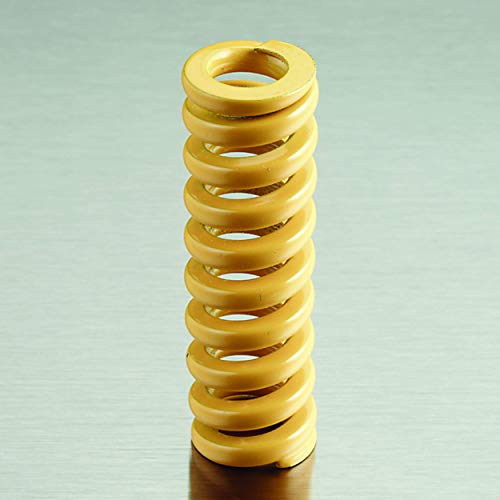
Will produce over 10,000 PSI of blade tension

1️⃣Carbide-Tipped Resaw Bandsaw Blade — Built for Heavy Rip Cutting Industrial-grade carbide-tipped teeth deliver exceptional edge retention and wear resistance, designed specifically for aggressive hardwood ripping and continuous resaw operations where standard carbon steel blades wear out quickly.

INCLUDES: (2) Urethane Bandsaw Tires, Instruction Sheet
Table Inserts for 14″ Band Saws or Scroll Saws, Pack of 3
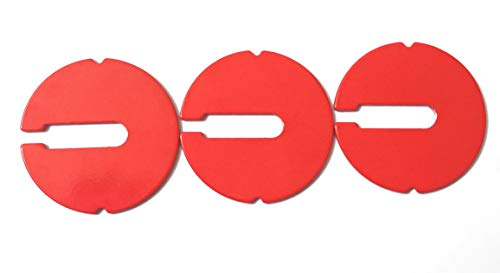
Compatibility and Fit: Three inserts designed for use on 14" Band Saws and 24" Scroll Saws to protect your expensive blades. Please measure your saw as some Delta, Rockwell,...
Why settle for worn-out throat plates that chew up your blades? I’ve switched to these Palart aluminum inserts, and they’re a solid upgrade for my shop.
What You’re Getting
Three red anodized disks, 2-1/2 inches across and 0.100 thick. They’re built for 14″ band saws and 24″ scroll saws. The aluminum lasts way longer than those flimsy plastic stock plates that crack when you look at them wrong.
Fit Check Before You Buy
Here’s the thing: compatibility’s a mixed bag. These fit Delta, Rockwell, some Jet, Ridgid, Grizzly, and various imports. But I’ve seen folks rush in without measuring, and that’s frustrating.
Grab your calipers and check your recess first. Some 14″ saws have smaller throat-plate holes. You might need to file or sand a bit. Also critical: the locating pin must sit on the side, not the rear. I learned that one the hard way.
Installation Tricks
Too tight? Clean that lip hole, gunk builds up. Pin missing? Your blade slot might close over time. I wedge mine open with a flathead screwdriver during install, works like a charm.
Verdict
Measure twice, install once, and stop feeding your blades into gaping metal holes.
Best For: Woodworkers with 14″ band saws or 24″ scroll saws from Delta, Rockwell, Jet, Ridgid, Grizzly, or similar imports who want durable aluminum throat plates to protect their blades and replace worn stock inserts.
Pros:
- Durable aluminum construction outlasts flimsy plastic stock plates that crack easily
- Pack of 3 provides extended use and convenient replacements
Cons:
- Compatibility varies across saw brands and may require filing or sanding for proper fit
- Locating pin position must be on the side, not rear, limiting compatibility with some saws
- Requires precise pre-purchase measurement of saw recess to avoid fit issues
Recommended Products
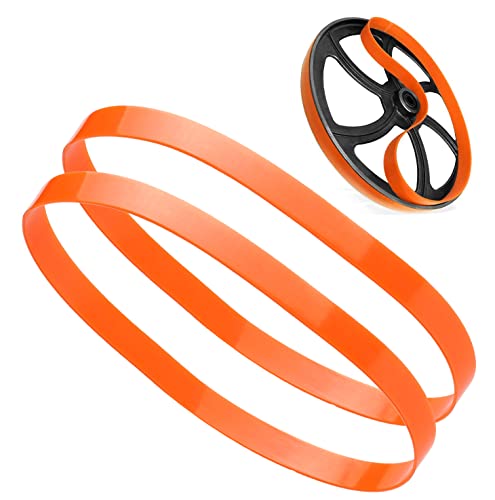
Urethane Bandsaw Tires 14″ x 1″ x .095″, 2 pack, They can be installed on any 14″ band saw that requires a 1″ wide and 3/32″ thick tire.

✅New materials and processes ensure that urethane band Saw tires will not break, and free returns and exchanges are available within 30 days in case of quality issues
Phoenix goods Urethane Bandsaw Tires 9" x 1/2" x .095", 2 pack, They can be installed on any 9" band saw that requires a 1/2" wide and 3/32" thick tire.
Upgrade Band Saw Urethane Tires 14″ (2-Pack)
Urethane Bandsaw Tires 14″ x 1″ x .095″, 2 pack, They can be installed on any 14″ band saw that requires a 1″ wide and 3/32″ thick tire. Quick and Easy...
These bright orange rings measure 14″ x 1″ x .095″ and slip onto wheels ranging from 13.5″ to 14.5″ diameter. I love that they’re bright orange, makes spotting wear ridiculously easy. No adhesive needed either, which saves me from that sticky mess rubber tires leave behind.
Compatibility Check
These fit my Jet JWBS-14DXPRO perfectly, plus Grizzly’s G0555 series and Powermatic PWBS-14 models. The .095″ thickness (that’s 3/32″) matches most 14″ saws requiring 1″ width.
Double-check your wheel diameter though, anything 13.5″ to 14.5″ works.
Why Urethane Beats Rubber
The uniform thickness means no lumpy spots throwing off blade tracking. Better traction, less blade damage from wheel contact, and that subtle crowning helps keep blades centered.
I’ve watched blades last noticeably longer after switching.
Installation Reality
Stretch them on by hand, no tools, no glue. Takes maybe ten minutes if you’re careful. The 2-pack covers both wheels, obviously.
Verdict: For anyone tired of cracked, glazed rubber tires causing drift and premature blade death, these are cheap insurance. Highly visible, durable, and genuinely easier to install than you’d expect.
Best For: Woodworkers with 14″ band saws looking for an easy-to-install, durable tire upgrade that improves blade tracking and extends blade life without the mess of adhesive.
Pros:
- No adhesive required for quick, tool-free installation in about ten minutes
- Bright orange color makes wear inspection and detection effortless
- Uniform thickness and crowning improve blade tracking while reducing premature blade damage
Cons:
- Compatibility requires exact wheel diameter verification (13.5″-14.5″ range)
- Limited to specific 14″ band saw models with 1″ width and .095″ thickness requirements
- Synthetic urethane material may have different vibration dampening characteristics compared to traditional rubber tires
Recommended Products

9.5-amp motor band saw creates cuts up to 8.85 inches deep and 13-3/8 inches wide. Uses 100-3/4-inch blades from 1/8 to 1 inch wide.
【Fitments】 2 Pack Urethane Bandsaw Tires (14" x 1" x1/8") is compatible with Delta machines and most other manufactures with 14″ band saw that requires a 1″ wide and 1/8″ thick tire. Please see more compatible model in the product detail page. Replacement Craftsman / Delta number part: 3164088, M20060-39
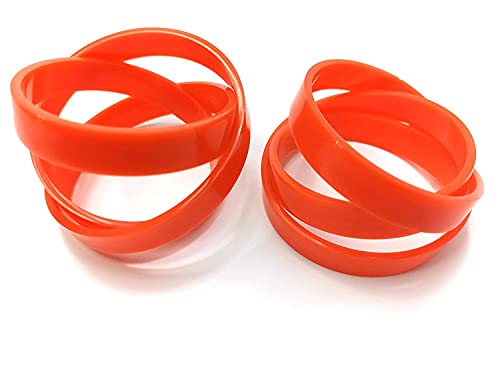
Premium Urethane Construction: Bandsaw tires measuring 14 inches x 1 inch x 1/8 inch, packaged as a set of 2 heavy-duty replacement tires
Band Saw Guide Parts 14-inch Compatible 4-Pack CB50050BL

For most 14" Band saws,Compatible with Craftsman , Jet , Delta , Grizzly , Rigid , Harbor Freight , HF , Reliant and other band saws. Reduced Friction: Cool Blocks are made...
Sharutia’s CB50050BL guide blocks solve a problem I’d wrestled with for years: metal guides that chew through blades like they’re disposable. These beige composite cooling blocks replace those blade-gobbling steel guides on most 14-inch band saws.
What makes them different
Metal-to-metal contact creates friction. Friction creates heat. Heat kills blades. These composite blocks reduce friction, keep things cooler, and run quieter.
They give better blade control, which means smoother cuts and fewer snapped blades. The thumbscrews don’t need gorilla-tightening, so you won’t mar your guides. I’ve cranked down on metal blocks before; no fun.
Compatibility check
They fit Craftsman, Jet, Delta, Grizzly, Ridgid, Harbor Freight, Reliant, and others. Basically, if you’ve got a 14-inch saw, you’re probably covered.
Real talk
Hardwood guides? Too wobbly. Rubber? Can’t shed heat. Steel? Blade killer. These hit a sweet spot: stable support without the brutality.
Bottom line
At four per pack, you’ll replace all your guides at once. I’d grab these if you’re tired of buying blades like they’re going out of style. Moderate investment, noticeable payoff.
Best For: DIY woodworkers and hobbyists with 14-inch band saws who are tired of frequent blade replacements caused by heat and friction from metal guides.
Pros:
- Composite material significantly reduces friction and heat buildup, extending blade life and enabling quieter operation
- Compatible with most major 14-inch band saw brands including Craftsman, Jet, Delta, Grizzly, Ridgid, and Harbor Freight
- Thumbscrews require minimal tightening, preventing guide damage while maintaining stable blade support for more accurate cuts
Cons:
- Only available in beige color with no alternative options for users wanting aesthetic customization
- Designed specifically for 14-inch saws, limiting use for owners of smaller or larger band saw models
- Composite material may wear faster than steel guides under extremely heavy-duty or industrial usage conditions
Recommended Products

Heavy-Duty Cast Iron: Built from solid cast iron for long-lasting durability and excellent weight support in commercial settings

[Specification] Overall size22*22*30inch(L*W*H); Recommended wooden tabletop size: 60*60cm/23.6*23.6inch; Material:Cast Iron; Color:Black

Maximize your shop space with the in-line installation
Koatukys 2PCS Band Saw Tires for 14 inch x 1 inch x .095 inch Replacement

Compatible With: Craftsman 3AD92501, Delta 905145, Grizzly G0457 G0555 G0555P G0555X G0580 T21005 G1019 G1019Z, Powermatic PWBS-14, PWBS-14CS, Jet JWBS-14DXPRO, JWBS-14CS,...
If you’re running a 14-inch bandsaw daily and tired of rubber tires that crack, harden, and let your blade wander all over the wheel, I’ve got news for you.
Why Urethane Wins
The Koatukys tires ditch rubber entirely for upgraded high-strength urethane. That means no dry rot, no peeling, no surprise cracks mid-project.
I’ve watched standard rubber tires turn into concrete after two winters in an unheated shop, urethane just shrugs it off.
The Crowning Achievement
These aren’t flat. They’ve got professional crowning built in, that curved profile keeps your blade centered with less fussing.
Uniform thickness across the tire means consistent blade positioning, less vibration, and your blades actually last longer since they aren’t grinding against bare wheel metal.
The bright orange finish? Makes visual inspection stupid-easy. No more guessing if you’ve got damage hiding in shadow.
Compatibility Check
They play nice with practically everything: Craftsman, Delta’s massive 28-series lineup, Grizzly’s G0555 family, Powermatic, Jet’s JWBS models. Fits wheels from 13-1/2 to 14-1/2 inches too, so you’re covered if measurements run slightly off.
Installation Reality
Here’s the trick, soak them in near-boiling water for about five minutes first. Urethane softens, stretches over the wheel, then firms up locked in place.
Position left-right before they harden. Skip this step and you’ll fight it for twenty minutes.
My Take
Two tires per pack. For anyone hitting their bandsaw weekly, this is maintenance that pays for itself.
Occasional users? You’ll probably forget you installed them, which is exactly the point.
Best For: Woodworkers and DIY enthusiasts who use 14-inch bandsaws regularly and want durable, low-maintenance tires that eliminate blade tracking issues and extend blade life.
Pros:
- High-strength urethane construction resists dry rot, cracking, hardening, and peeling far better than traditional rubber tires
- Professional crowning and uniform thickness improve blade positioning, reduce vibration, and extend blade life
- Bright orange finish enables quick visual inspection and fits most major 14-inch bandsaw brands including Delta, Grizzly, Jet, and Powermatic
Cons:
- Requires soaking in near-boiling water for 5 minutes before installation, adding a step to the process
- Must be positioned quickly before hardening, creating a small window for proper alignment
- Only fits wheels 13-1/2 to 14-1/2 inches in diameter, limiting compatibility with saws outside this range
Recommended Products

Bi-metal type, M42 grade, 93-1/2" long, 1/2" wide, 0.025" thick, 6/10 TPI, recommended blade speed: 100–300 SFPM for ferrous metals and 300–800 SFPM for non-ferrous metals. For best results, do not cut metal on wood-cutting band saws operating over 1,000 SFPM.


Fits most standard 14-inch band saws on the market. Compatible with Craftsman, Jet, Delta, Grizzly, Ridgid, Harbor Freight, Reliant, and many other brands. Please verify your guide slot dimensions before purchase to ensure a perfect fit
IMPRESA 14-Inch Urethane Bandsaw Tires (2-Pack)

Urethane Bandsaw Tires: Upgrade your bandsaw wheels with Impresa's Urethane Bandsaw Tires for quieter and smoother operation. Ideal for 14”floor metal band saws and bandsaw...
Why wrestle with glue and clamps when you don’t have to? I’ve swapped enough bandsaw tires to know the worst part isn’t the removal, it’s the adhesive cleanup. These IMPRESA urethane tires skip that nightmare entirely.
The Stretch-On Advantage
No adhesive means no dried glue crust on your wheels, no clamping, no waiting. You soak them in warm water first (trust me, this helps), then stretch them over the rim. The .095-inch thickness gives a snug, confident fit that won’t wander mid-cut.
Performance vs. Rubber
Urethane runs quieter and smoother than old-school rubber. I notice less vibration, especially on resawing jobs.
They also outlast rubber, so you’re not repeating this chore next season.
Compatibility Check
These fit the usual suspects: Jet JWBS-14DXPRO, Grizzly G0555, Powermatic PWBS-14. If your saw takes 14 x 1 x .095 tires, you’re set.
My Take
For anyone tired of messy installs, this is the upgrade. They’re orange (oddly satisfying to see spinning), durable, and genuinely easier. I’d pick these over glue-on options every time.
Best For: Woodworkers and metalworkers with 14-inch bandsaws who want a hassle-free tire installation without adhesives or clamps.
Pros:
- No adhesive required eliminates messy glue cleanup and clamping during installation
- Urethane construction runs quieter and smoother than rubber with less vibration during resawing
- Durable material outlasts rubber alternatives, reducing frequency of replacement
Cons:
- Requires warm water soaking for easiest installation, adding a prep step
- Limited to specific 14 x 1 x .095 tire size, not universally compatible
- Bright orange color may not appeal to users preferring traditional black tires
Recommended Products

【Universal Fit Most 14" Band Saws】Equipped with pre-drilled holes, this Band Saw Fence fits most 14-inch (356mm) band saws, including for Jet, Delta, General, Grizzly and many others. In additional, it can be modified to fit additional saw models by drilling a single hole in the aluminum mounting rail. Direct replacement for OEM part number KMS7200 both in quality and functions, giving you a versatile upgrade for your workshop.

INCLUDES: (1) 105" long, 1/2" wide, 0.025" thick, 3 TPI bandsaw blade (1) 105" long, 3/8" wide, 0.025" thick, 4 TPI bandsaw blade (1) 105" long, 3/4" wide, 0.025" thick, 3 TPI bandsaw blade

【Wide Application】Compatible with most 14 inches band saws, perfectly fits for JET ACCURA DELTA RIDGID 14" bandsaws.
Factors to Consider When Choosing a 14 Inch Bandsaw
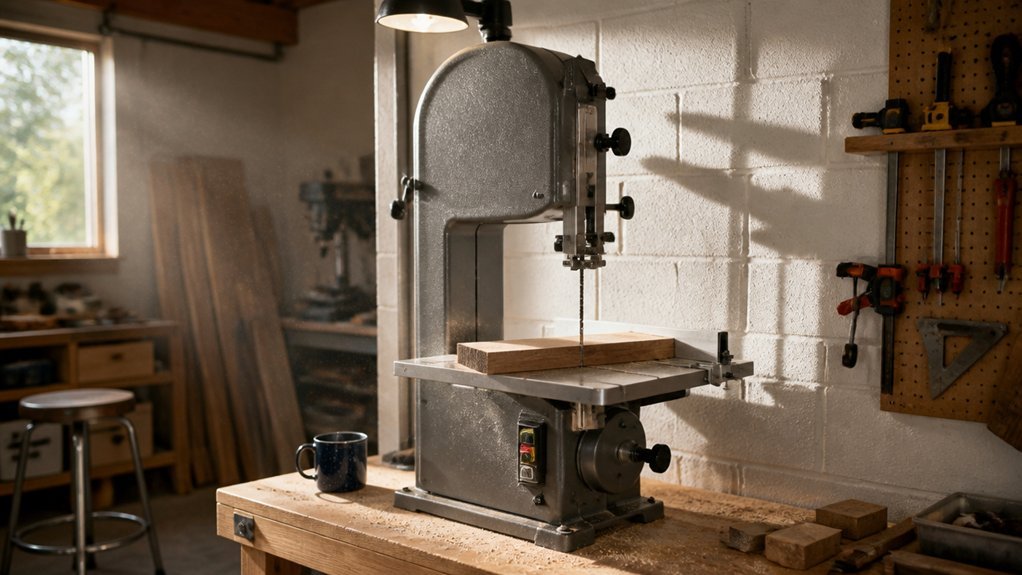
I want you to get the most saw for your money, so let’s break down what actually matters when you’re comparing these machines. Motor power and cutting capacity are the big ones that’ll make or break your projects, but don’t sleep on blade guides and frame quality either. They’ll save you headaches down the road.
And if you’ve ever blown dust out of your shop for an hour after a cut, you’ll understand why I’m putting dust collection on this list too.
Recommended Products

Compatible With: Craftsman 103.2426 103.24280 113.242113.24201 103.2425 113.24261 113.2429 113.2433 113.24331 113.243311 113.24336 113.2434 113.243401 113.24341 113.243411 113.24344 113.2435 113.24721 113.24731 113.24741 113.24744 113.248211 113.248212 113.24829 113.24832 113.248321 113.248322 113.24844 113.24851 119.22400 351.22400

Universal Compatibility - These urethane bandsaw tires fit any 14" band saw model that requires a 1" wide and .095" thick tire, including Jet JWBS-14CS, Grizzly G0555, and Powermatic PWBS-14

6-inch bandsaw tires: set of 3 - Urethane band saw tires, Applicable 3/8"Inch Wide by 6" Inch Diameter .095" Thick Band Saw Wheel.
Motor Power Requirements
How much motor do you really need?
I’ve found that 1 HP handles light resawing and hobby projects just fine. But when you’re pushing through 8/4 maple or thicker stock, you’ll want 2 HP. Trust me, there’s nothing more annoying than a motor bogging down mid-cut.
Dual-speed setups, like 1445 and 2950 FPM, demand more capable motors to switch without stalling. Higher power means higher blade speeds and aggressive cutting, plain and simple.
Here’s the catch: that 2 HP beast needs a dedicated 120V circuit pulling around 14 amps. Skip this, and you’ll trip breakers constantly.
Motor power directly affects your feed rate and surface finish. Underpowered machines struggle on dense hardwoods, leaving rough cuts and frustration. For most woodworkers, I’d recommend 1.5 HP minimum, 2 HP if you can swing it.
Cutting Capacity Limits
Motor power’s only half the story: if you can’t fit the workpiece through the saw, all those horses don’t mean a thing.
I always check throat width and resaw height first. Most 14-inch saws offer roughly 13 inches of throat and 6 inches of resaw capacity, though some stretch higher. That throat measurement dictates your widest cross-cut; the resaw number tells you how thick a board you can slice into veneers.
Table tilt matters too. Crank to 45 degrees and your effective cut depth shrinks. Annoying, but physics wins.
Higher horsepower helps you actually use that capacity without bogging down in dense stock. I’ve watched underpowered motors stall mid-cut, and it stinks.
Bottom line: match the specs to your typical workpiece. Bigger isn’t automatically better, but too small always frustrates.
Blade Guide Systems
Why do some cuts wander like a drunk tourist while others track straight as a laser? I blame the blade guides.
These little heroes control blade deflection by adjusting vertically and horizontally. I always look for upper and lower ball bearing guides: they slash friction, extend blade life, and keep cuts stable.
Steel versus composite blocks? Traditional metal-only guides run hot and wear blades faster. Urethane or composite blocks dissipate heat better. Big time saver.
Tool-free, independently adjustable guides are a must for me. Fiddling with wrenches mid-project kills my flow.
Rack-and-pinion tracking on the guide post makes blade alignment painless during tension changes. No more squinting and cursing.
Quick verdict: woodworkers doing frequent blade swaps, prioritize tool-free adjustment. Precision junkies, demand rack-and-pinion. Budget buyers, at minimum get ball bearings. Your cuts, your sanity.
Frame Construction Quality
What good’s a bandsaw with guides that cost a fortune if the frame underneath flexes like a yoga instructor? I won’t waste your money on pretty extras when the bones are wobbly.
Cast Iron vs. Steel: The Real Deal
Cast iron frames absorb vibration like a dream. They dampen that annoying chatter when you’re resawing thick maple. I prefer them for heavy work. Welded tubular steel works too, especially for single-point table adjustments that stay put year after year.
What Actually Matters
Dynamic balance keeps bearings alive longer. A rigid, aligned frame means straight cuts, repeatable results. I check for flex under load. Nothing kills accuracy faster than a frame that twists when you push.
Bottom line? Buy the stoutest frame your budget allows. Everything else depends on it.
Dust Collection Options
Once you’ve got a frame that doesn’t wobble, it’s time to think about where all that sawdust is going.
I always check for dual 4-inch dust ports, one at the table and one at the blade guard. Here’s why that matters: without both, you’re leaving chips everywhere. A sealed cabinet matters too. Air leaks kill suction faster than you’d think.
For resawing thick stock, you’ll want higher CFM and a real dust collector, not just a shop vac straining to keep up. I’ve watched cheap systems choke on walnut blanks, it’s not pretty.
Multiple ports let me route hoses for different cuts, small pieces or big resaws. Better dust collection also means longer blade life, less abrasive grit grinding your wheels and tires down.
Match your collector to your machine. Your lungs will thank you.
Speed Adjustment Features
How much does speed really matter on a bandsaw? It matters more than you’d think, and I’m picky about this feature.
Dual-Speed vs. Variable Options
Most 14-inch models give you two speeds. You’ll usually see roughly 1,445 FPM for hardwoods and 2,950 FPM for softwoods. (FPM means feet per minute, how fast the blade travels.)
Some brands list a max cutting speed, like 360 FPM, for specific operations. That’s different from blade feed speed, so check the specs carefully.
Why I Switch Speeds
Higher speeds give me smoother cuts on pine and cedar. Drop it down for oak or walnut, and I get less heat buildup, less blade wandering, cleaner edges.
It’s not just about finish quality. The wrong speed burns blades, builds up nasty resin, and wastes money.
My Bottom Line
If you cut both hard and soft woods, skip single-speed saws. Pay slightly more for dual-speed. Your blades last longer, your cuts look better, and you’ll stop cursing at scorch marks.