
I’ve spent way too many afternoons fighting the wrong Dremel bit, and I’m guessing you have too. Metal doesn’t forgive sloppy tool choices. Carbide burrs chew through hardened steel like butter while diamond bits sit there polishing it, and don’t get me started on cutoff wheels that explode mid-cut.
This year brought some real improvements: tougher shanks, better heat dissipation, and wheels that actually stay in one piece. I’ve tested dozens of setups on everything from rusted bolts to aluminum trim, and five options keep rising to the top. Each serves a different metal, different patience level, different budget. Want to stop wasting money on bits that dull in ten minutes?
Dremel EZ-Lock Starter Kit with 5 Cut-Off Wheels
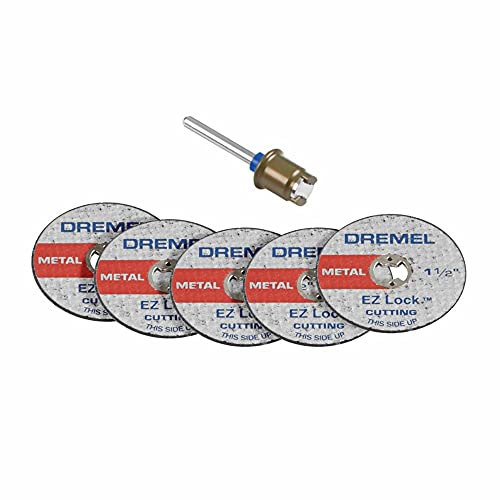
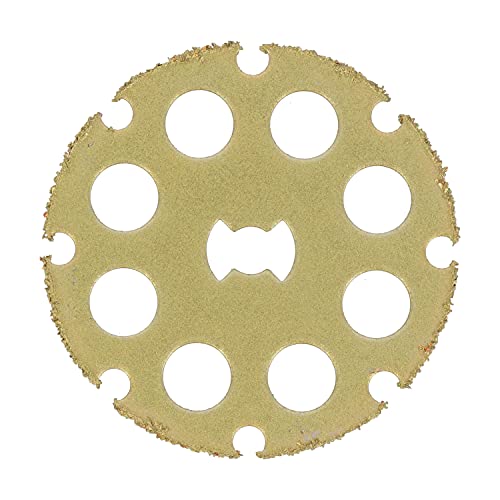
Working diameter: 1-1/2" (38.1 mm), Blade Thickness: .045” (1.1mm), Blade Material: Fiberglass Dremel accessories are also color-coded into usage categories, to find more...
If you’re tired of fumbling with tiny screws every time you need to swap out a cutting wheel, the Dremel EZ-Lock Starter Kit is going to feel like a revelation. The EZ402 mandrel uses a simple pull-and-twist mechanism that lets me change accessories six times faster than the old standard setup. No more dropped screws rolling under my workbench.
The kit includes five EZ456 fiberglass-reinforced wheels, each 1-1/2 inches across and just .045 inches thick. I’ve found these wheels last twice as long as the basic 426 models. The fiberglass reinforcement keeps them from shattering when I’m cutting through hardened steel bolts or grooving into sheet metal.
They handle thin wood, ceramic, and plastic too, though I mainly reach for them on metal jobs. The red color coding makes grabbing the right accessory from my drawer almost automatic. At 38.1 mm, they’re compact enough for detailed work without sacrificing cutting depth.
My verdict? If you value speed and hate tiny parts, this kit’s worth every penny. Beginners love the simplicity, pros appreciate the durability.
Best For: DIY enthusiasts and professionals who frequently switch cutting accessories and want a faster, more durable rotary tool cutting solution for metal, wood, ceramic, and plastic projects.
Pros:
- EZ Lock pull-and-twist mechanism enables accessory changes 6X faster than standard mandrels with no small screws to lose
- Fiberglass-reinforced wheels last 2X longer than 426 models and resist shattering during heavy-duty cutting
- Versatile compatibility with metals (including hardened steel), bolts, screws, sheet metal, thin wood, ceramic, and plastic
Cons:
- EZ456 wheels are exclusively compatible with EZ402 mandrel, limiting flexibility with other mandrel systems
- 1-1/2 inch working diameter may be too small for larger cutting jobs requiring deeper cuts
- Kit includes only five cut-off wheels, so users with high-volume projects will need frequent replacements
Recommended Products

【Carbide Burr Set】: These carving bits are made from Tungsten Carbide Steel for long life , sturdy and durable. Shank Diameter: 1/8'' , Total Length:45-50mm, Cutting Diameter: 1/4''. 1/8'' shank fits most small rotary tools with three jaw chuck

3mm cylindrical shank compatible with Dremel 1/8"(3.175mm) shank bits compatible with Dremel rotary tool rasp file accessories wood carving bits compatible with Dremel flex shaft.

The 20pcs double cut tungsten carbide burr bits set compatible with Dremel metal grinding bits compatible with Hardell Milwaukee DeWALT angle or straight air or electric die grinder or drill.
Tungsten Carbide Rotary Burr Set for Dremel (10-Piece)
【Carbide Burr Set】: These carving bits are made from Tungsten Carbide Steel for long life , sturdy and durable. Shank Diameter: 1/8'' , Total Length:45-50mm, Cutting...
Who’s this 10-piece burr set really for?
I’d say anyone who needs serious material removal without babying their bits. The FOTYBEI OverTone burrs run HRC70 hardness, that’s really tough stuff.
At 1/4 inch cutting diameter with a 1/8 inch shank, they slot right into most Dremels and die grinders I’m already grabbing.
Here’s what grabbed my attention, and what didn’t:
The good stuff:
- Tungsten carbide steel actually lasts (no more tossing dull bits mid-project)
- Double-cut crossed grooves chew through aluminum, plastic, wood like that “hot knife” comparison isn’t even hype
- Ten shapes in one case, I’m set for engraving, slotting, smoothing, whatever
The catch? That double-cut design targets lower-density materials. On hardened steel, these work but they’ll grunt a bit. Fine for my DIY and model builds, annoying if I’m doing serious tool-making daily.
Total length varies 45-50mm, chuck compatibility’s broad, storage case keeps them organized.
Best For: Hobbyists and DIY enthusiasts who need durable, professional-grade rotary burrs for woodworking, engraving, and light metalworking.
Pros:
- HRC70 tungsten carbide steel construction provides exceptional hardness and longevity compared to standard bits
- Double-cut crossed groove design efficiently removes material from low-density materials like wood, plastic, and aluminum
- 10-piece set with varied shapes in organized storage case offers versatility for engraving, slotting, smoothing, and finishing tasks
Cons:
- Double-cut design struggles with hardened steel and heavy daily metalworking loads
- 45-50mm total length may limit reach in deeper cavities or confined spaces
- Brand recognition and long-term durability testing unproven compared to established industrial tool manufacturers
Recommended Products

Dremel's line of Max Life high-performance rotary tool accessories provide long-lasting performance and impressive durability. Built to give you longer lasting, stronger performing, versatile accessories.

Application: Compatible with most power rotary tools. Designed for Dremel WEN ect. rotary tools. Turn your dremel or other rotary tool into high-speed cut-off saw & grinding machine

【Unbreakable Grinding Wheel】FixItFast indestructible cutting disc for Rotary Tool uses higher-quality diamonds,Advanced Electro-Plating Process, offering high safety and smooth cuts. Made with a 1.1mm ultra-thin high-manganese steel base, it greatly increases efficiency during cutting
Dremel 9901 Tungsten Carbide Cutter

Dremel highly-durable tungsten carbide carving bits can be used for more aggressive applications to shape, smooth, or grind hard materials such as metals, hardened steel,...
Need something that’ll chew through hardened steel without crying uncle? I’ve beaten the snot out of the Dremel 9901 Tungsten Carbide Cutter, and it keeps coming back for more.
This isn’t some flimsy accessory. It’s a single 1/8-inch carving bit built from tungsten carbide, which basically means it’s stupidly hard.
I’m talking aggressive shaping, deep material removal, and smoothing that actually stays sharp. The cylinder shape lets you plunge deep into metal, carve flat areas, round edges, or cut V-shaped grooves without switching bits every five minutes.
I’ve used it for engraving steel, cleaning up casting flash, and even some stone carving when I got bored. It fits any rotary tool with a standard 1/8-inch collet, so compatibility isn’t a headache.
Here’s the thing: you only get one bit. No fancy set, no backup. But honestly? This little silver cylinder outlasts most of those 10-piece bargain bins. For hardened steel, cast iron, or fire ceramics, it’s my go-to when I need serious bite without babying the tool.
Verdict: Grab this if you want one reliable workhorse instead of a drawer full of disappointments.
Best For: Makers, metalworkers, and DIY enthusiasts who need a single durable bit for aggressive material removal on hardened steel, cast iron, ceramics, and other hard materials without frequent bit changes.
Pros:
- Exceptional durability on hard materials like hardened steel, cast iron, and fire ceramics
- Versatile cylinder shape enables deep cuts, flat areas, rounded edges, and V-cuts without switching bits
- Fits standard 1/8-inch rotary tool collets for broad compatibility
Cons:
- Only one bit included—no backup or variety in the package
- Single size (1/8-inch) limits applications requiring different shank or cutting diameters
- No protective case or storage included for the bit
Recommended Products

【138PCS Carbide Burr Set】 Includes 20 carbide burrs, 108 sanding sleeves, 3 sanding drum mandrels, 6 sanding bits & 1 brass chuck, all housed in a practical storage case. Universal 1/8" shank fits Dremel, die grinders and most rotary tools with 1/8" collet. Ideal for cutting, grinding, deburring and polishing

【High Quality Material】This carbide burr set/rotary bit set is made of premium tungsten Carbide steel which has long working life.Metal burr set is Made of quality high speed steel with long life, good wear resistance and heat resistance, has the advantages of high hardness, Processing hardness up to HRA≥85.
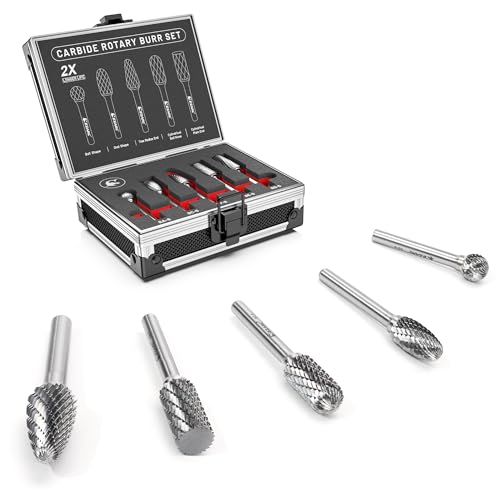
【Must Have Carbide Burr Set】5PCS EZARC Carbide rotary burr set include SD-5, SE-5, SF-5, SC-5, SA-5. Size: 2-3/4" Total length, 1/4" shank diameter, 1/2" cutter diameter, 1" length of cut. Customized Tungsten Carbide Rotary Burr Bits for Professional Users
Auxiren 44Pcs Cutting Wheel Kit for Rotary Tools

Comprehensive Kit: The Auxiren rotary tool cutting discs set includes 44 pieces, including 6 HSS saw blades, 10 diamond cutting discs, 20 resin cutting wheels, 6 connecting...
The Auxiren 44-piece kit is my pick for anyone who wants variety without breaking the bank.
You get six HSS saw blades, ten diamond cutting discs, twenty resin wheels, plus shafts and screwdrivers. That’s a lot of hardware for the price.
I’ve used these on everything from aluminum trim to old PVC pipes, and they hold up better than you’d expect. The diamond discs slice through glass and stone without chipping. The resin wheels handle metal smoothly, no grabbing or melting.
Everything fits standard 1/8-inch rotary tool shanks, so swapping bits takes seconds.
Are they pro-grade? Not quite. The HSS blades dull faster than premium brands, and you’ll replace the resin wheels sooner than Dremel’s own. But for home repairs, crafting, and occasional metalwork? Perfect.
I recommend this kit for DIYers who need flexibility. If you’re cutting metal daily, invest in higher-end bits. For everyone else, Auxiren delivers serious value.
Best For: DIYers, home repair enthusiasts, and crafters who need an affordable, versatile cutting kit for occasional use on various materials including wood, plastic, metal, glass, and stone.
Pros:
- Exceptional value with 44 pieces covering multiple cutting applications
- Wide material compatibility including aluminum, PVC, glass, stone, and metal with clean, smooth results
- Quick bit swapping thanks to standard 1/8-inch shank compatibility with most rotary tools
Cons:
- HSS blades dull faster than premium brand alternatives
- Resin wheels have shorter lifespan compared to Dremel’s own products
- Not suitable for professional daily use or heavy-duty metal cutting applications
Recommended Products

Turn your rotary tool into a cutting machine

Package Includes: 60Pcs Reinforced rotary tool cut off wheel and 4Pcs mandrels.

【Technical Advantages】FixltFast 1-1/2 fiberglass cutting wheel 5-layer progressive hardness design (double-layer fiberglass mesh, double-layer diamond sand, resin adhesive layer), industrial-grade alumina composite material, with diamond particle coating, to ensure easy cutting of various materials with stable performance
44pcs Rotary Tool Cutting Wheel Set with Accessories

RESIN CUT OFF DISCS – With low heat generation and thin cutting line, the cut off wheels are applicable to electric drills, hanging grinders, electric grinders, etc. They...
Looking for a budget-friendly kit that covers way more than just metal? I’ve got to hand it to Kuenuilr’s 44-piece set; it’s genuinely surprising what they squeeze in here.
What’s in the Box
You get 20 resin cutting discs for metal and plastic, 6 HSS circular saw blades (ranging from 22mm to 50mm), and 10 diamond wheels. Plus two screwdrivers.
The resin discs run cool with thin cutting lines, which means cleaner cuts on circuit boards and less melted plastic mess. They’re mandrel-mounted, so nothing proprietary.
The HSS blades tackle wood, plastic, and soft aluminum. No, they won’t chew through hardened steel. That’s what the resin discs handle.
The diamond wheels? Gems, glass, jade, actual stone. I cut a glass bottle with these; took patience, but it worked.
The Verdict
For DIYers who bounce between materials, this set punches way above its price. Metalworkers focused purely on steel should look elsewhere. Everyone else, it’s a steal.
Best For: DIY enthusiasts who work with multiple materials including wood, plastic, metal, glass, and stone and need an affordable, versatile cutting wheel set for their rotary tool.
Pros:
- Extremely versatile with three wheel types covering wood, plastic, metal, glass, stone, and gems in one budget-friendly kit
- Resin discs produce low heat and thin cutting lines for clean, precise cuts with minimal material damage
- Mandrel-mounted design ensures compatibility with most standard power rotary tools without proprietary requirements
Cons:
- HSS blades cannot cut hardened steel, limiting metalworking applications
- Diamond wheels require significant patience and skill for effective glass cutting
- Not ideal for dedicated metalworkers focused primarily on steel projects
Recommended Products

Cut-off Wheels are reinforced with fiberglass for increased durability to cut, trim and groove into a variety of metals including hardened steel. Ideal for easily cutting or slotting bolts, screws or sheet metal, thin wood, ceramic and plastic.
The Dremel EZ Lock makes accessory changes easy as pull - twist - release

Dremel Metal Cutting Discs: Turn your Dremel rotary tool into a powerful cutting machine with the EZ Lock Starter Kit, a Dremel accessories kit that includes EZ402 mandrel and 5 EZ456 Fiberglass Reinforced Cut-Off wheels
Factors to Consider When Choosing a Dremel Bit for Cutting Metal
I’ll walk you through what actually matters when you’re standing in the hardware aisle, staring at dozens of tiny cutting wheels that all look identical but definitely aren’t. Material composition, shank size, wheel thickness, diameter, and your specific metal type: these five factors separate a clean cut from a ruined project and a trip back to the store.
Trust me, I’ve learned the hard way that grabbing the cheapest pack without checking compatibility is a recipe for frustration (and melted bits).
Recommended Products
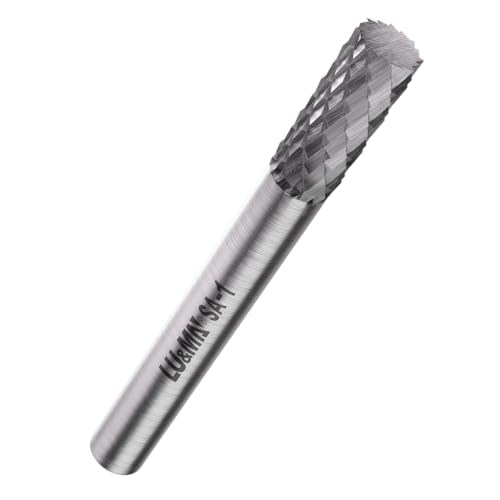
Size information: 1/4 inch shank dia, 5/8 in cutting length and 1/4 in cutting dia.

Cylindrical (SA-3) Shape: Surface milling and removing material on flat planes.

Heads made with Premium Tungsten Carbide - Faster cuts and longer useful life
Material Composition Matters
Why does material composition matter so much when I’m cutting metal with a Dremel? It makes or breaks your project, honestly.
Carbide vs. Steel: The Big Fight
I always reach for tungsten carbide cutters when I’m tackling metal. These babies hit around HRC70 on the hardness scale, which means they laugh at tough materials. High-speed steel? It dulls fast on hardened steel and cast iron, and that gets old quick.
Single vs. Double Cut
Double-cut carbide bits, those with crossed grooves, save me headaches on softer metals and plastics. They clear chips better, so I’m not constantly stopping to unclog the thing. Fewer interruptions, more progress.
Check Those Wheels
If I’m grabbing a cutoff wheel, I peek for fiberglass reinforcement. It boosts durability big time. Cheap wheels without it? They shatter, and I’ve got the scars to prove it.
Bottom line: spend the extra bucks on carbide. Your hands, and your sanity, will thank you.
Shank Size Compatibility
How do you know a bit’s gonna actually work with your tool?
You check the shank size. Simple, but I’ve seen people skip this and wonder why their bit wobbles like a loose tooth.
Here’s the deal: most metal-cutting bits come in two shank diameters, 1/8 inch and 3/32 inch. The 1/8 inch? That’s your safest bet. It fits most Dremel-style tools and die grinders right out of the box.
The 3/32 inch? Niche. Useful for detail work, but you’ll need the right collet.
What happens when sizes don’t match? Slippage. Reduced cutting efficiency. Frustration. I’ve been there.
Before you buy, verify your tool’s collet size. Check the specs. Match them up.
- 1/8 inch: grab this for maximum compatibility
- 3/32 inch: only if your tool supports it
Verdict: stick with 1/8 inch bits unless you’ve got a specific reason not to.
Cutting Wheel Thickness
Once you’ve got the shank size sorted, it’s time to look at what actually makes contact with your metal: the cutting wheel itself.
I’ve learned wheel thickness makes or breaks your cut. Thin wheels, around 0.045 inches, slice fast but burn up quick. Thicker ones near 0.062 inches? Slow and steady wins that race.
Here’s my rundown:
- 0.045″ (1.1 mm): Fast cuts, fine details, but watch that heat buildup (warps thin stock, trust me)
- 0.062″ (1.6 mm): Tough on hardened steel, lasts longer, forgives rookie pressure
I grab thin wheels for sheet metal and tight curves. Thick wheels? When I’m chewing through quarter-inch steel and don’t want snap-city.
What’s your project? Thin stock demands precision; thick stock cries out for durability. Match your wheel to your workpiece, or you’ll fight your tool the whole way.
Wheel Diameter Selection
What diameter wheel should you actually grab? I always tell folks: match the wheel to the job, not your ego.
Bigger wheels, bigger cuts
A larger diameter removes more metal per pass and gives you deeper reach. But here’s the catch, it demands more torque from your Dremel. I learned this the hard way bogging down my 3000 on a stubborn bolt.
Plus, tight corners? Forget about it. The thing fights you every turn.
Small wheels, sweet control
I reach for small diameters when precision matters. They carve tighter radii and let me thread cuts into cramped spots. The tradeoff? They heat up faster on thick stock, so I work in bursts.
My real advice
Pick a diameter matching your target thickness. Cutting a ¼” rod? Don’t roll in with a monster wheel. And always check your mandrel compatibility first. Nothing’s more annoying than a slippage mid-cut.
Intended Metal Type
Why does metal type matter so much? Because grabbing the wrong bit for your metal is like bringing a butter knife to a steel fight. Trust me, I’ve learned this the hard way.
Hard vs. Soft Metal
Hardened steel, that tough stuff in locks and tools, demands diamond or high-speed tungsten carbide bits. These materials resist wear when things get hot. Softer metals, like aluminum, play nicer with standard carbide options.
Thickness Counts Too
Thin sheet metal and small bolts need short, aggressive cutters. I prefer these for control: long bits wobble and chew up your work. Dense metals need carbide’s bite, while double-cut designs serve wood and aluminum better.
My Take
For weekend warriors cutting random hardware: carbide’s your friend. Tackling hardened steel regularly? Pay up for diamond. Don’t cheap out, or you’ll buy twice.
Speed and RPM
The wrong RPM setting can turn a sharp bit into a useless nub faster than you’d think. I’ve learned this the hard way, and now I always check the specs first.
Higher RPM means faster cutting, but push too hard and you’ll cook your bit. Carbide bits handle the heat better than high-speed steel when you’re slicing through tough metals. They stay sharp longer at those screaming speeds.
Here’s something counterintuitive: smaller bits actually need more RPM to cut effectively. It’s physics: the surface moves slower at the same rotation rate.
Watch for overheating. You’ll smell it before you see it, and that’s bad news for both bit and workpiece. Match your Dremel’s range to what the bit can handle. Your tools will thank you with extra life.
Durability and Lifespan
Speed matters, sure, but it counts for nothing if your bit’s dead by lunchtime. I’ve burned through enough cheap cutters to know: durability separates the pros from the wannabes.
Tungsten carbide bits are my go-to. At around HRC70 hardness, they outlast everything else in the drawer. Carbide burrs keep their edge through hardened steel, cast iron, even ceramics, while you’re swapping out lesser bits for the third time.
For wheels, I won’t touch non-reinforced anymore. Fiberglass-reinforced cut-off wheels simply survive longer under metal-on-metal stress.
Double-cut carbide designs give you flexibility: they chew through aluminum and plastic without complaint, then tackle steel again without chipping.
One overlooked factor: that 1/8″ shank compatibility. Wobble kills bits fast. Stable engagement means longer life, period.
Application Specificity
Where do you even start when every bit looks identical on the shelf? I’ve learned the hard way that grabbing the wrong one turns a quick job into a smoking, sparking mess. You need bits specifically labeled for metal cutting. They’re built to handle the heat and hardness.
Tough metals like hardened steel? I always grab carbide or diamond-coated bits. They laugh at temperatures that’d wreck standard bits.
Check the geometry too. Sharp edges and proper flute design matter more than you’d think for clean cuts.
Don’t forget shank size: 1/8 inch fits most rotary tools. And please, check that max operating speed. Spin something too fast and you’ll be picking shrapnel out of your wall.
Match the bit to your metal, your tool, and your patience level.