

I’ve spent way too many weekends wrestling with crooked cuts and wobbly fences, so trust me when I say a good sliding miter saw changes everything. The 2026 lineup brings some serious upgrades: smoother rails, better dust collection, and laser guides that actually stay accurate.
But here’s the thing, not every “pro-grade” saw deserves your money. Some brands slap a premium price on mediocre hardware. I’ll walk you through five models that actually deliver, from budget workhorses to precision beasts, so you can stop guessing and start cutting clean miters that actually fit together.
DEWALT 12-Inch Double Bevel Sliding Compound Miter Saw (DWS780)

Dimensions - 35cm x 45cm x 25cm Powerful 1100 watt 15 amp, 3,800 rpm motor designed for heavy duty applications delivers extended power and durability Integrated cutline...
Why pay for features you won’t use? I’ll tell you why this DEWALT matters, and when it doesn’t.
Recommended Products

POWERFUL 15 AMP MOTOR - Delivers 4,800 RPM for quick, detailed cuts

Redefine Precision: Our compound miter saw is equipped with an advanced LED guide system, projecting clear and accurate cutting lines for flawless cuts every time. The precision scale and reliable locking system make it easy to set and lock the desired cutting angles, ensuring ideal results with no guesswork
What Stands Out
The DWS780 packs a 15-amp motor spinning at 3,800 RPM. That’s serious power for hardwoods and thick trim.
At 58 pounds, I’m not breaking my back hauling it to job sites. The dual steel rails with linear ball bearings keep cuts smooth, no wobble or drift.
The XPS LED shadow line is genuinely useful. No guessing where the blade hits; the shadow shows your cut line exactly. I’ve wrestled with laser guides that go crooked after one knock. This stays true.
Recommended Products

Stainless steel miter detent plate with 14 positive stops delivers repeatable accuracy and worksite durability for the 12-inch miter saw blade

Our largest cut capacity 20v max* miter saw - cut up to 14 in. horizontally, 6-1/2 in. baseboard standing up, or 6-1/2 in. crown nested.

POWERFUL AND PRECISE: This 10-inch single bevel compound miter saw features a 15-Amp motor delivering high power for effortless cuts. The power saw generates a no-load speed up to 5,000 RPM, ensuring precise cuts for all your woodworking projects.
Cutting Capacity That Counts
Tall fences handle 7½-inch crown molding nested, or 6¾-inch base standing upright. It rips through 2×14 lumber at 90 degrees, 2×10 at 45.
The 60° right / 50° left miter range beats most competitors stuck at 45.
The dust collection actually works, capturing 75% of debris. Not perfect, but my shop vacuum isn’t choking every twenty minutes.
Recommended Products

【Dual Bevel & Compound Cutting Design】This 12 inch miter saw supports 0-45° bevel cutting and a flexible miter angle range from -45° to 0° to +45°, making it suitable for straight cuts, angled cuts, bevel cuts, and compound miter saw applications for trim, molding, framing, and woodworking projects.

Versatile Compound Cutting: Our compound miter saw offers both horizontal and vertical 45° cutting capabilities, enhanced by a sliding rail system for precise cuts. With a maximum cutting capacity of 4.2" x 13", it handles various woodworking tasks with ease and accuracy.

Dry metal cutting Chop saw; cuts metal with minimal heat or sparks and doesn't require coolant, leaving an instantly workable finish
The Trade-offs
Double bevel saves flip time on crown molding. Nice. But if you’re doing simple trim or occasional DIY, you’re spending extra for convenience you’ll hardly notice.
The detent override is handy for custom angles, though honestly, I use the positive stops 90% of the time.
Recommended Products

Fits Most 7-1/4, 8, 8-1/4, 10, And 12-Inch Miter, Sliding Compound Miter, Chop, And Portable Saws

10x Brighter Green Laser - Significantly easier to see in bright lighting and outdoor conditions
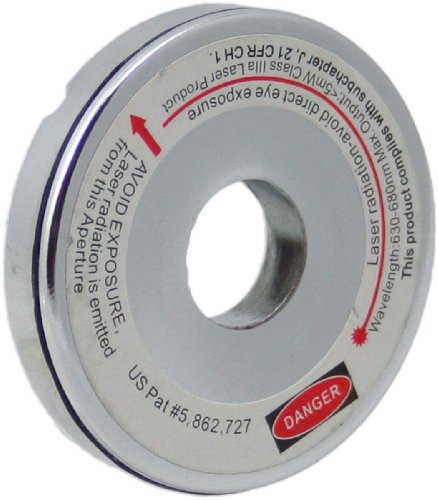
Fits most radial arm saws and saws with a threaded 5/8-Inch arbor shaft
Verdict
Buy this if you’re doing finish carpentry, crown regularly, or value portability without sacrificing capacity. Skip it for basic crosscuts; a single-bevel slider half the price handles that fine.
Worth the money, when you’ve got real work to do.
Best For: Professional finish carpenters and dedicated DIYers who regularly cut crown molding, thick trim, and dimensional lumber on job sites where portability and cutting capacity are essential.
Pros:
- Powerful 15-amp, 3,800 RPM motor handles hardwoods and thick materials with ease while remaining portable at 58 pounds
- XPS LED shadow line provides accurate, durable cut alignment without the calibration issues of traditional laser guides
- Exceptional cutting capacity including 7½-inch nested crown molding, 2×14 lumber at 90°, and wide miter range (60° right / 50° left)
Cons:
- Premium price point is excessive for users with basic crosscut or occasional DIY needs
- Double bevel functionality adds cost that casual trim cutters won’t utilize enough to justify
- Dust collection, while above average at 75%, still requires supplemental shop vacuum management
Recommended Products


NO MATH REQUIRED FOR PERFECT ANGLES: The aluminum protractor’s inner Miter Cut scale instantly gives the exact setting needed for corner joints, eliminating guesswork, calculations, and the waste of expensive trim material
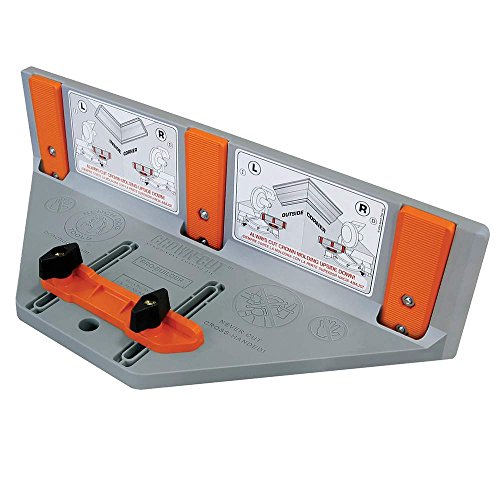
Effortless Precision: Cutting crown molding doesn't have to be difficult! This crown molding jig for miter saw simplifies the complication of cutting crown and cove molding, giving you perfect miters, every time
SKIL 10″ Dual Bevel Sliding Compound Miter Saw-MS6305-00
POWERFUL 15 AMP MOTOR - Delivers 4,800 RPM for quick, detailed cuts DUAL BEVEL – Perform cuts in four positive stop positions at 48° & 45° left, 0°, and 45° right LED...
Looking for a sliding miter saw that handles serious jobs? I found the SKIL 10″ Dual Bevel Sliding Compound Miter Saw, model MS6305-00, and it’s impressive what this tool delivers.
The 15 Amp motor spins at 4,800 RPM, so you’re getting pro-level speed. I especially like the dual bevel design with four positive stops at 48° left, 45° left, 0°, and 45° right. No more flipping your workpiece around, which saves time and reduces errors.
Cutting capacity matters, right? This saw crosscuts 2×12 lumber at 90 degrees and handles 2×8 at 45 degrees. The sliding rails extend your reach for wider boards.
You’ve got 50 degrees of miter range in both directions with 11 positive stops at common angles.
Here’s what sold me: the LED shadow line. Forget finicky lasers that drift out of alignment. This casts a crisp shadow exactly where your blade cuts, giving you dead-on accuracy for trim work and cabinetry. Framing, finish carpentry, detailed cabinetry, it handles them all.
Is it perfect? No. The 10″ blade limits you slightly compared to 12″ models. But for most DIYers and even pros doing trim and finish work, that’s rarely a problem.
Who should buy this? Builders who refuse to sacrifice accuracy. Weekend warriors tackling crown molding. Anyone upgrading from a basic chop saw who wants dual bevel convenience without the flagship price.
Verdict: The SKIL MS6305-00 proves you don’t need to spend big to cut like you know what you’re doing.
Best For: DIYers and professionals who need accurate dual bevel miter cuts for trim, cabinetry, and finish work.
Pros:
- LED shadow line provides superior cutting accuracy compared to traditional laser guides
- Dual bevel with four positive stops eliminates workpiece flipping and speeds up angled cuts
- 15 Amp motor delivers 4,800 RPM pro-level cutting speed
Cons:
- 10″ blade limits maximum cutting capacity compared to 12″ models
- Smaller cutting capacity at 45 degrees (2×8) may restrict some larger framing applications
- Budget positioning may indicate trade-offs in long-term durability versus premium competitors
Recommended Products

POWERFUL AND PRECISE CUTTING: Equipped with a robust 15-Amp motor and a 12-inch blade, this miter saw delivers a no-load speed of 5,000 RPM for swift, clean cuts through wood and composite materials. The spindle lock ensures quick and safe blade changes, while the integrated cutting depth gauge allows for precise control, perfect for everything from trim work to decking.
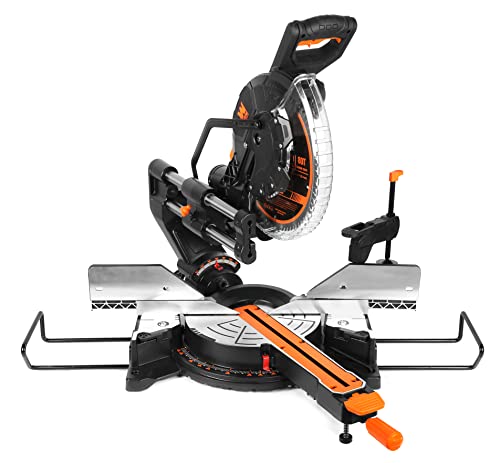
Powerful 15-amp motor crosscuts boards up to 13.25 inches wide and 4.5 inches thick

Stainless-steel miter detent plate with 14 positive stops delivers repeatable accuracy and worksite durability for the 12-inch miter saw blade.
DEWALT 12 Inch Double Bevel Sliding Compound Miter Saw (DWS779)

Powerful 15 Amp, 3,800 rpm motor delivers extended power and durability Super-efficient dust collection system captures over 75% of dust generated. Dust bag included Tall...
The DEWALT DWS779 hits that sweet spot for serious DIYers who don’t want to drop a fortune.
You’re getting a 15-amp motor that spins at 3,800 RPM, plus a 12-inch blade. That’s serious cutting power. I can slice through 2×14 lumber at 90 degrees, or 2×10 at 45 degrees.
The 49-degree bevel range goes both left and right, so I’m not flipping workpieces like a circus act.
What stands out: Those tall sliding fences handle 7.5-inch nested crown molding. The dual steel rails with linear ball bearings? Smooth as butter. Ten positive miter stops, detent override, oversized bevel scale. It’s precise, it’s fast, and it stays accurate.
The catch: Dust collection hits about 75%, which sounds good until you’re sweeping. The included bag works okay, but I hook up a vacuum.
My take: Skip this if you need a work light or laser. But for raw capability per dollar? This saw’s hard to beat. What’s your project: trim, framing, or both?
Best For: Serious DIYers who want professional-grade cutting capacity and precision without paying premium prices for features like lasers or work lights.
Pros:
- Exceptional cutting capacity with 2×14 lumber at 90° and versatile 49° dual bevel range eliminates workpiece flipping
- Smooth, precise operation from dual steel rails with linear ball bearings and 10 positive miter detent stops
- Tall sliding fences accommodate 7.5-inch nested crown molding for high-end trim work
Cons:
- Dust collection at 75% still leaves significant cleanup, requiring aftermarket vacuum hookup for best results
- Lacks integrated work light and laser guidance systems found on competing models
- Fixed dust bag design is merely adequate compared to more advanced extraction systems
Recommended Products

10" slide miter saw with the Crown molding cutting capacity (6-5/8" nested) of a 12" miter saw

Redefine Precision: The advanced LED guide projects crisp cut lines to guarantee flawless cuts. Integrated precision scales and sturdy locking hardware let you quickly fix your preferred cutting angles, removing guesswork from every woodworking task
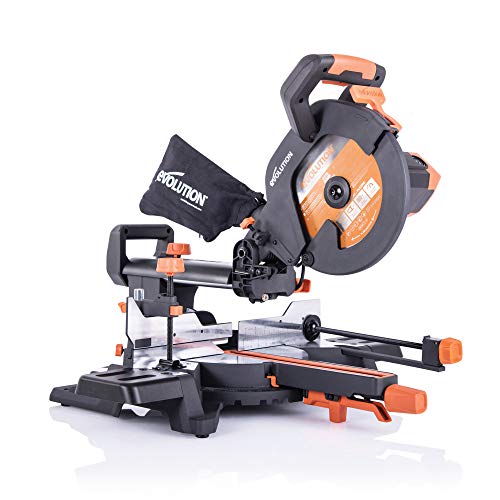
+PLUS FEATURES - Includes dual quick release clamps, dust bag, taller fences, slide rail protector, 3m long cable, integrated carry handles
Metabo HPT 10-Inch Compound Miter Saw (C10FCG2)
POWERFUL AND PRECISE: This 10-inch single bevel compound miter saw features a 15-Amp motor delivering high power for effortless cuts. The power saw generates a no-load speed...
Who needs a saw that won’t break your back or your budget? I sure do, and that’s why I’m eyeing the Metabo HPT C10FCG2. At just 24 pounds, I can carry this thing one-handed like a lunchbox. No kidding.
Power vs. Portability
The 15-Amp motor spins up to 5,000 RPM, so I’m not sacrificing muscle for the lighter frame. Compare that to the DEWALT DWS779 I covered earlier: that beast is double-bevel, sliding, 12-inch, and built for heavy flooring jobs, but it’s also a backbreaker to move.
This Metabo HPT? Single bevel, non-sliding, 10-inch, and it actually fits in my truck without a forklift. Different tools for different days, honestly.
Angles and Adjustments
I get 0-52° miter angles both ways, and 0-45° bevel left. The improved miter scale makes my life easier; no more squinting and guessing.
The bevel stops click in precisely, which matters when I’m cutting crown molding that’ll actually line up.
Real-World Cutting
The 40-tooth blade included cuts clean through trim and 2x material. Large table, vice clamping: my work stays put. Not for cutting 12-inch boards, obviously. That’s the trade.
My Verdict
Job site hopping? Starting out? Grab this. Already owning a big slider? This becomes your trim partner. Five-year warranty seals it.
Best For: Job site hoppers, DIY beginners, and professionals needing a lightweight, affordable trim saw for precise angled cuts without the bulk of heavy sliding models.
Pros:
- Ultra-lightweight 24-pound design enables one-handed portability and easy transport between job sites
- Powerful 15-Amp motor delivers 5,000 RPM cutting speed without sacrificing mobility for power
- Improved miter scale with precise bevel stops facilitates accurate crown molding and trim work adjustments
Cons:
- Single left-bevel design (0-45° only) and non-sliding mechanism cannot accommodate 12-inch boards or wide stock materials
- 10-inch blade diameter and fixed rails limit crosscut capacity compared to larger sliding compound models
- Bevel range restricted to left side only requires workpiece flipping to achieve opposite angle bevel cuts
Recommended Products

Stainless-steel miter detent plate of the 10-inch miter saw blade comes with 14 positive stops

Stainless-steel miter detent plate of 12-inch miter saw blade comes with 14 positive stops

Integrated CUTLINE Blade Positioning System provides adjustment free cut line indication for better accuracy and visibility for the 12-inch miter saw blade
DOVAMAN 10-Inch Sliding Miter Saw with Laser Guide

Multi-Material Cutting with Dual-Speed: Includes two 40-tooth and one 48-tooth TCT 10-Inch blades for versatile cutting. The dual-speed setting (5000RPM and 3200RPM) allows...
Need a miter saw that still handles pro-level jobs? I’ve found your answer. The DOVAMAN Updated 10-Inch Sliding Miter Saw (model DMS01A) punches way above its price tag.
What’s Under the Hood
This black workhorse packs a 15 Amp pure copper motor, built for efficiency and longevity. I like that it pushes two speeds: 5,000 RPM when I need fast cuts in wood, or 3,200 RPM when I’m tackling PVC and soft metals. The motor doesn’t flinch, whether I’m building decks or trimming baseboards.
Blades and Cutting Range
Here’s where DOVAMAN gets generous. You get not one, but two 40-tooth blades plus a 48-tooth TCT blade. That’s serious value.
The sliding rail extends your reach to a 4 by 13 inch cutting range, and those extendable side tables? They’re a back-saver on long stock. No more wobbling eight-foot boards across a tiny platform.
Precision Features
The built-in laser guide actually works, not some dim afterthought. I line up my mark, flip the switch, and cut. Clean. Accurate. No guesswork.
Plus, the ambidextrous design means my left-handed buddy can use it without cursing under his breath. Small detail, huge difference.
The Verdict
For DIYers and pros alike, this DOVAMAN delivers. You lose some polish versus premium brands, but you gain versatility and power.
Best For: Budget-conscious DIYers and professionals who need a versatile, powerful sliding miter saw capable of handling wood, PVC, and soft metals.
Pros:
- Dual-speed 15 Amp motor and three included TCT blades deliver excellent versatility for cutting multiple materials right out of the box
- Generous 4 x 13 inch cutting range with extendable sliding rail and side tables reduces strain and improves stability on longer workpieces
- Functional laser guide and ambidextrous design enhance precision and accessibility for operators of any handedness
Cons:
- Lacks the refined fit, finish, and long-term durability reputation of premium brand competitors
- Two-speed settings may not offer the fine-tuned control that variable-speed models provide for delicate materials
- No mention of dust collection system or accessories, which could impact workspace cleanliness and respiratory safety
Recommended Products

One Machine Instead of Two: Replaces both a table saw and a miter saw in one compact setup. From straight rip cuts to precise angled cuts, this system adapts to different project requirements without forcing you to switch between separate machines

Precision Cutting with Laser Guide: Our Compound Miter Saw ensures flawless cuts with its integrated laser marker, projecting a clear cutline onto your workpiece. The scaled fence allows quick length measurements. This precision eliminates guesswork, guaranteeing straight cuts for framing, trim, or cabinetry. Save time and material by achieving professional accuracy on every cut, ideal for woodworkers, carpenters, and demanding DIY projects.

Multi-Material Cutting with Dual-Speed: Includes two 40-tooth and one 48-tooth TCT 10-Inch blades for versatile cutting. The dual-speed setting (4500RPM and 3200RPM) allows precise cuts in wood, PVC, and soft metals.
Factors to Consider When Choosing a Sliding Miter Saw

I know you’re itching to pick the right saw, so let’s cut through the noise and look at what actually matters. Blade size options, motor power rating, cutting capacity range, bevel miter range, and rail system quality: these five factors separate the workshop heroes from the benchwarmers.
I’ll walk you through each one so you don’t waste money on features you’ll never use or, worse, buy a saw that can’t handle your projects.
Recommended Products

Simplify Complex Cutting: Streamlines crown cutting by allowing for precise 45° miter cuts (nested method) without needing the saw’s bevel adjustment. This avoids the confusion of complex 31.6°/33.9° geometry, ensuring fast and tight joints with fewer test pieces and less wasted trim

The Right Cut: Beautiful, seamless-fitting crown molding takes the guesswork out of crown molding

Miter saw crow stop accurately positions crown molding vertically against the saw fence
Blade Size Options
How much blade do you actually need?
I’ve wrestled with this question, and here’s what I’ve learned: 10-inch and 12-inch blades are your main choices, with 12-inch blades delivering deeper cuts. For example, you’ll slice through 2×14 lumber at 90 degrees with a 12-incher, while a 10-inch maxes out earlier.
But bigger isn’t automatic bliss. A 12-inch blade demands a beefier frame and more powerful motor just to spin at comparable speeds. I’ve seen compact 10-inch saws outperform sluggish 12-inch units that bog down in hardwood.
Consider your typical stock. Cutting thick crown molding or wide boards? Go 12-inch. Mostly 2x4s and trim? Save money and space with 10-inch.
Also check fence clearance. Some sliding saws choke with larger blades hitting the back fence. Verdict: weekend DIYers, grab 10-inch. Pros handling dimensional lumber daily, spring for 12-inch with quality dust collection.
Motor Power Rating
What’s actually driving that blade through a stack of oak? It’s the motor, and I won’t settle for less than 15 amps.
Most quality sliding miter saws pack 15-amp motors delivering 1100–1500 watts, roughly 1.5 to 2.0 horsepower. That’s plenty for cross-cutting heavy lumber and frequent bevel cuts without bogging down.
RPM matters too. Motors spinning 3,800 to 5,000 RPM cut faster and cleaner, though they get louder and vibrate more. I’ve felt the difference: higher RPM means less tearout on delicate trim.
Don’t just look at raw numbers. Check peak torque and duty cycle. A 15-amp motor with poor duty cycle will overheat during marathon sessions. For sustained power through 2×14 lumber, torque and cooling beat flashy specs every time.
Cutting Capacity Range
A motor that won’t quit won’t do you much good if the saw can’t actually reach across your workpiece. That’s why I always check cutting capacity first: maximum cross-cut at 90° and 45°, usually shown as 2×14 or 2×12 lumber.
Tall sliding fences matter too. They extend vertical clearance so you can handle crown molding up to 7, 8 inches nested. For compound miters, dual-bevel slides save you from rotating bulky workpieces.
Watch for accuracy features like LED shadow lines or XPS cutline projection. Positive detents help you nail precise cuts at your saw’s rated capacity. Without them, even a “capable” saw wastes material. I’ve learned that lesson the hard way.
Bevel Miter Range
Why does bevel range matter so much? It determines how far your blade tilts left and right, letting you cut angled edges without flipping your board around. Most saws give you 0° to 45°, though I’ve seen 49° and even 52° on premium models. That extra few degrees? Surprisingly handy for steep crown molding or funky compound angles.
I always check for dual-bevel capability. Tilting both directions saves serious time, no more wrestling eight-foot trim to flip it. Look for oversized bevel scales and positive stops at common angles, 22.5°, 33.9°, that stuff. Tiny, stamped scales drive me nuts when I’m squinting in garage lighting.
For DIYers doing baseboards, 45° suffices. Pros tackling complex installs? Spring for 52° range and dual-bevel. You’ll thank yourself later.
Rail System Quality
Once you’ve sorted out your bevel range, the rail system is where a sliding miter saw earns its keep.
I always look for dual horizontal steel rails with clamping mechanisms and linear ball bearings. They keep the slide compact, accurate, and built to last. A gearbox and belt-drive design boosts vertical cutting capacity, which pairs nicely with steady rail alignment.
Don’t overlook cutline aids. XPS or LED shadow lines project your cut line right onto the workpiece, and integrated blade positioning keeps everything aligned during adjustments.
Here’s what separates good from great: linear ball bearings for smoother, tighter slides; clamping mechanisms for less wobble and more repeatability; and dust collection to keep rails clean. Seriously, sawdust kills accuracy.
Without proper dust management, you’ll fight sticky slides within months. I’ve been there. It’s annoying.
For most DIYers, prioritize bearings and shadow lines. Pros should demand the full package.