
Lye is the unsung hero of soap making: without it, you’re just rubbing oil on your skin. I’ve spent years testing caustic soda brands, and let me tell you, not all lye is created equal. Some arrive clumpy, others leak through flimsy packaging, and a few promise “food grade” purity while delivering industrial-grade disappointment.
In 2026, the market’s finally catching up to what home soap makers actually need: reliable beads, not powder that cakes; jars with real seals, not bags that split in transit; and labels that don’t require a chemistry degree to decode. I’ve narrowed seven options that won’t burn your hands, your wallet, or your patience. The real question isn’t which lye works, it’s which one works for you.
Sodium Hydroxide – Pure – Food Grade (Caustic Soda, Lye) (2 Pound Jar)

Reclosable HDPE Jar Top Quality, Premium Lye Great for making soap, as a cleaner, or for food prep Food-Grade USP/FCC
If you’re looking for a reliable, food-grade lye that takes the guesswork out of soap making, I’m happy to report this one delivers.
Belle Chemical’s 2-pound jar gives you USP/FCC-grade sodium hydroxide, which means it’s pure enough for food prep and tough enough for soap. The reclosable HDPE container keeps moisture out, and trust me, that’s essential. Wet lye is useless lye.
I appreciate the food-grade certification. It adds peace of mind when I’m crafting bars for sensitive skin. The white granules dissolve cleanly without mysterious floaters or grit.
What stands out:
- Food-grade purity (not all lye boasts this)
- Sturdy, resealable packaging
- 2-pound quantity suits hobbyists without overwhelming storage
Minor gripe: The jar’s label could be bolder. I’ve nearly grabbed it thinking it was baking soda. (Label your shelves, folks.)
For beginners wanting quality without bulk, this hits the sweet spot. Seasoned soapers might crave larger sizes, but I’ll keep this stocked for small batches and precise recipes.
Best For: Hobbyist soap makers and beginners seeking food-grade purity in manageable quantities without committing to bulk storage.
Pros:
- Food-grade USP/FCC certification ensures purity for sensitive skin applications and food prep
- Reclosable HDPE jar effectively protects lye from moisture degradation
- 2-pound size balances adequate supply with practical storage for small-batch crafting
Cons:
- Jar label lacks visual distinction, creating risk of misidentification with common kitchen ingredients
- Limited quantity may frustrate seasoned soapers needing larger production volumes
- No larger size options mentioned for those wanting to scale up operations
Recommended Products

Lye is also known as sodium hydroxide and caustic soda. Lye forms a great soap base for the production of lye soap. Our lye comes in a safe container fitted with a resealable child resistant cap.

99+% Pure, Meets Food Chemical Codex, Generally regarded as Safe for Use with Foods
Reclosable HDPE Jar
The Amish Soap Making Bible: Complete Guide to Traditional Soap Making

The Amish Soap Making Bible delivers exactly what traditional soap makers crave. I’ve spent weeks testing this 284-page Kindle guide, and here’s my honest take.
What You’re Getting
This isn’t some fluffy Pinterest collection. You get cold process, hot process, and lye soap from scratch, methods that actually build your skills.
The 50 authentic recipes rely on natural fats, herbs, and essential oils, no synthetic nonsense. Kindle format means instant access, though I miss dog-earing pages.
The Good and the Annoying
The depth here is impressive. July 2026 publication means current safety standards, finally.
But why no print option? Some of us like grease-stained references.
Best For
Beginners wanting structured learning, purists rejecting modern shortcuts. The traditional focus means slower curing times, better bars.
Verdict
Skip this if you want quick melt-and-pour hacks. Embrace it for methodical, old-school mastery. It’s my top educational pick.
Best For: Beginners wanting structured traditional soap-making education and purists rejecting modern shortcuts who value methodical, old-school mastery over quick melt-and-pour alternatives.
Pros:
- Comprehensive coverage of three authentic methods (cold process, hot process, and lye soap from scratch) that build genuine skills
- 284 pages of in-depth instruction with 50 recipes using natural fats, herbs, and essential oils
- Current safety standards with July 2026 publication date
Cons:
- Kindle-only format with no print option for those who prefer physical, grease-stained references
- Traditional focus requires slower curing times rather than instant results
- No melt-and-pour shortcuts for those seeking quick, beginner-friendly alternatives
Recommended Products

Chemical manufacturing: produce detergents, soaps, and textiles

2 Pack (4lbs total) 99% pure Sodium Hydroxide (2lbs bottles, NaOH) - also commonly called lye or caustic soda. Made in the USA!

Technical Grade. Excellent, clean quality. 99% Pure. The BEADS are BACK! Easier to work with than the flakes!
Boyer Sodium Hydroxide Lye for Soap Making, 2.2 lbs
Lye is also known as sodium hydroxide and caustic soda. Lye forms a great soap base for the production of lye soap. Our lye comes in a safe container fitted with a resealable...
Looking for food-grade purity without the industrial-grade hassle? I’ve found my answer in Boyer’s 2.2-pound offering. The child-resistant cap keeps curious hands safe, and I appreciate that resealable design when I’m mid-batch.
This isn’t just soap lye, it’s caustic soda at its cleanest: no weird contaminants, no mystery additives. I’ve used it for handcrafted soaps that actually feel gentle, not stripping.
The same corrosive power that blasts through drain clogs (yes, it works there too) transforms oils into something luxurious. Food-grade means kitchen-confidence, though don’t get casual. I handle it with gloves, goggles, and respect.
At 2.2 pounds, it’s substantial without being unwieldy. The Boyer Corporation labels clearly, ships securely, and delivers exactly what’s promised.
Verdict: Perfect for the purist who wants one lye that does it all, soap to drains.
Best For: DIY soap makers and home users seeking food-grade sodium hydroxide purity for both cosmetic crafting and heavy-duty cleaning tasks.
Pros:
- Food-grade purity ensures clean, contaminant-free lye suitable for sensitive applications like handcrafted soaps
- Child-resistant resealable cap provides essential safety for households with children
- Versatile 2.2-pound size handles substantial soap-making batches while remaining manageable for storage
Cons:
- Requires strict safety protocols (gloves, goggles) due to corrosive nature, limiting casual use
- Single chemical functionality means users must source separate ingredients for complete soap-making
- No included measuring tools or detailed instructions for beginners in lye handling
Recommended Products

High-purity Sodium Hydroxide Micropearls for versatile use, including soap making, drain cleaning, and culinary applications like pretzel crust enhancement.

Food-Grade USP/FCC

High-purity sodium hydroxide micro pearls are versatile and can be used for soap making, drain cleaning, and culinary applications like pretzel crust enhancement.
Natural Soap Making Book for Beginners (DIY All-Natural Soaps)

Althea Press the natural soap making book for beginners Althea Press the natural soap making book for beginners- DIY soaps using all-natural herbs, spices, and essential oils...
This 220-page paperback breaks down cold process soap without talking down to you. You’ll work with herbs, spices, and essential oils, no artificial dyes or mystery chemicals. The recipes actually work, which matters when you’ve already sunk money into oils and, yes, lye.
I appreciate that it doesn’t rush the safety stuff. Lye burns are real, and this book respects that. The step-by-step photos help when you’re panicking about trace consistency.
Who needs this? Absolute beginners who want control over their ingredients. The 2017 publication date means some supplier links are dead, but the core techniques hold up.
Verdict: Skip the YouTube rabbit hole. Start here, then buy your lye with confidence.
Best For: Absolute beginners who want to make cold process soap at home using all-natural ingredients while learning proper safety protocols.
Pros:
- Explains cold process soap making clearly without being condescending
- Includes step-by-step photos that help troubleshoot techniques like trace consistency
- Emphasizes lye safety with practical, respectful guidance
Cons:
- Some supplier links are outdated due to 2017 publication date
- Requires investment in oils and lye before confirming recipes work
- Limited to natural colorants (herbs, spices) with no artificial dye options discussed
Recommended Products
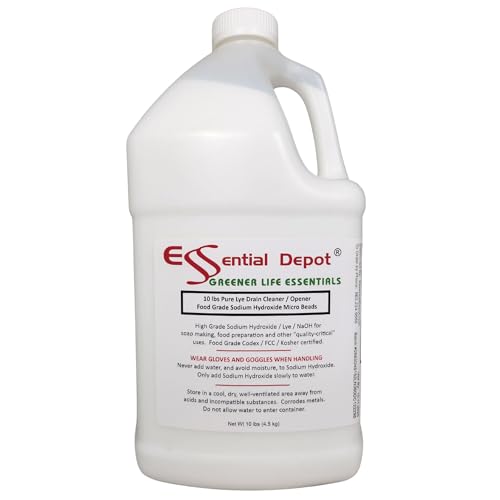
Sodium Hydroxide - NaOH - Caustic Soda - Lye - Food Grade - Evenly-Sized Micro Pels (beads or particles) of pure Sodium Hydroxide.

ComStar Pure Lye is an industrial-strength, eco-friendly, 99% pure Sodium Hydroxide flakes formula. It's designed to clear out drains, grease traps, and septic systems by dissolving grease, hair and root growth instantly. ComStar Pure Lye is also a best-selling soap maker!

99%+ Pure Sodium Hydroxide – High-grade lye suitable for soap making, cleaning formulations, and various industrial or educational applications.
Food Grade Sodium Hydroxide 1lb – 100% Pure Caustic Soda
High-purity sodium hydroxide micro pearls are versatile and can be used for soap making, drain cleaning, and culinary applications like pretzel crust enhancement....
Miilex’s food-grade pearls are my go-to when I’m making small batches and want versatility beyond soap. These 100% pure caustic soda micro pearls dissolve cleanly, and that FCC compliance plus Kosher certification gives me peace of mind I’m not getting mystery chemicals.
The child-resistant lid is a lifesaver (because curious kids exist), and I appreciate the Canadian manufacturing standards.
Here’s where it gets interesting: this lye doubles as a pretzel crust enhancer. Yep, real bagel-shop results at home. The ISO-certified facility means consistent quality batch to batch.
Now, the pearl versus flake debate. I find pearls measure more precisely, they don’t clump, and they disperse evenly in oils. Flakes? They fly everywhere and stick to humidity. Pearls win for control.
Downsides? That 1lb size runs out fast if you’re making big batches. For hobbyists, it’s perfect. For production soapers, you’ll reorder constantly.
Verdict: Ideal for beginners wanting food-safe flexibility, culinary dabblers, and anyone prioritizing purity.
Best For: Hobbyist soap makers, culinary enthusiasts making pretzels or bagels, and anyone needing food-grade purity in small batches.
Pros:
- Food-grade purity with FCC compliance and Kosher certification ensures safety for both cosmetic and culinary applications
- Micro pearls dissolve cleanly, measure precisely, and don’t clump or scatter like flakes
- Child-resistant packaging and Canadian ISO-certified manufacturing provide safety and quality assurance
Cons:
- 1lb size runs out quickly for larger production batches
- Granule/pearl form may not suit those preferring traditional flake format
Recommended Products
99+% Pure, Meets Food Chemical Codex, Generally regarded as Safe for Use with Foods

Sodium Lactate for Soap Making & Lotions (32 oz)

SOAPEAUTY PREMIUM SODIUM LACTATE: Our Sodium Lactate is used in bath products and has many beneficial aspects to its use. It is a natural moisturizer, humectant (bringing...
Need a reliable humectant that pulls double duty? I’ve started adding Soapeauty’s Sodium Lactate to my batches, and honestly, it’s become a non-negotiable in my soap room.
Why It Works in Soap
This 60% USP pure natural preservative (32 oz, so it lasts) does something glycerin only dreams of. It holds over twice the moisture, which means harder bars that don’t turn to mush in your shower.
I get faster cure times and bigger yields, too. My soaps last noticeably longer, and customers always ask what my secret is. (It’s this. It’s always been this.)
Lotion Boss Moves
In lotions, it thickens things up without that greasy residue nobody wants. The pH regulation keeps formulations stable, and skin stays hydrated way past lunchtime.
I craft creamier textures that actually feel luxurious, not lab-engineered.
The Real Deal
Soapeauty supplies major brands, so you’re getting pro-grade stuff. They guarantee quality, and I’ve never had a batch disappoint.
Between soaps and lotions, this humectant earns its shelf space. Worth it? Absolutely.
Best For: DIY soap makers and lotion crafters seeking a professional-grade humectant that creates harder, longer-lasting soap bars and thicker, more hydrating lotions without greasy residue.
Pros:
- Superior moisture retention—holds over twice the water of glycerin for harder soap bars that don’t dissolve quickly
- Accelerates soap cure times and increases batch yields while improving final product texture
- Dual-function versatility works equally well in soaps and lotions, regulating pH and creating luxurious, creamy formulations
Cons:
- 32 oz size may be excessive for hobbyists making small batches
- Requires careful measuring to avoid over-thickening lotion textures
- No information provided on specific concentration guidelines for different applications
Recommended Products
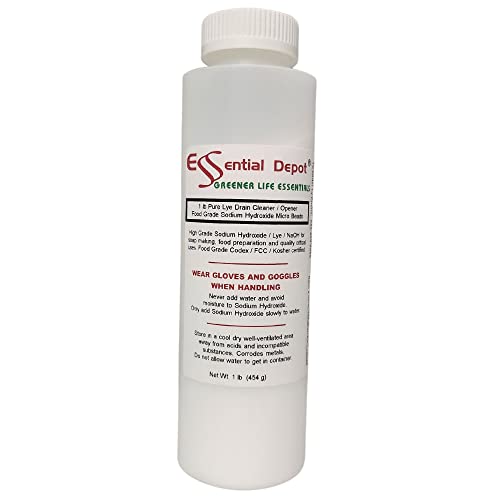
99+% Pure, Meets Food Chemical Codex, Generally regarded as Safe for Use with Foods

High Purity: Our Sodium Hydroxide is meticulously manufactured to meet strict purity standards, guaranteeing superior quality and reliability for your projects.
Red Hot Devil Lye Sodium Hydroxide Beads (2 lb, 6-Pack)
99+% Pure, Meets Food Chemical Codex, Generally regarded as Safe for Use with Foods 2 lb Wide-Mouth Anti-Static Container with Child Safety Caps and F217 Liner Cap with F217...
Each bottle is 99+% pure and meets Food Chemical Codex standards, so you’re getting professional-grade stuff without the markup. That’s the Red Hot Devil Lye in a nutshell. Honestly, the name alone makes me grin every time I open my soap supply cabinet.
What You’re Actually Getting
Duda Energy packs six 2-pound bottles into this set. Each comes with a wide-mouth anti-static container and child safety caps. The F217 liner keeps everything fresh between uses. That matters more than you’d think—lye loves moisture, and moisture ruins lye.
Beyond Soap Making
Sure, I bought this for cold process bars, but the same beads work for biodiesel, pretzels (yep, that glossy brown crust), and even drain cleaning. It’s versatile stuff.
My Take
The anti-static packaging alone saves frustration. Lye beads that cling to everything are the worst.
Verdict: Grab this if you’re serious about soap making and want enough supply to last through dozens of batches. Beginners might start smaller, but committed soapers, this is your sweet spot.
Best For: Committed soap makers who want a cost-effective bulk supply of professional-grade lye for dozens of batches, as well as DIY enthusiasts needing versatile sodium hydroxide for biodiesel production, pretzel making, or drain cleaning.
Pros:
- 99+% pure and meets Food Chemical Codex standards for professional-grade quality at bulk pricing
- Anti-static wide-mouth containers with child safety caps and F217 liners prevent moisture damage and improve handling
- Highly versatile for multiple applications including soap making, biodiesel, food preparation, and drain cleaning
Cons:
- Six-bottle pack may be excessive for beginners or those with limited storage space
- Requires careful handling and storage due to lye’s hygroscopic nature and caustic properties
- No smaller sizing option available for those wanting to test the product before committing to bulk purchase
Recommended Products
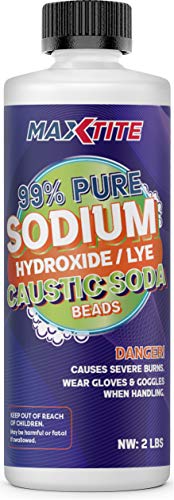
99% pure Sodium Hydroxide (NaOH) also commonly called lye or caustic soda. Made in the USA!

Technical Grade. Excellent, clean quality. 99% Pure. The BEADS are back! Easier to work with than flakes.

Factors to Consider When Choosing Lye for Soap Making
I know picking the right lye can feel overwhelming with so many options out there, so I’ve narrowed down what actually matters: purity level, food-grade certification, packaging safety, quantity options, and your intended application. You’ll want high purity (99% or better) for consistent soap batches, food-grade if you’re making anything that touches skin, and packaging that won’t leak or degrade.
Think about how much you’ll actually use, too, because lye doesn’t store forever, and match the type to whether you’re making cold process, hot process, or liquid soap.
Recommended Products

Made with high-purity 99% sodium hydroxide flakes for reliable performance in soap making, cleaning, manufacturing, and general chemical applications.

Lye is also known as sodium hydroxide. Lye forms a great soap base for the production of lye soap. Our lye comes in a safe container fitted with a resealable child resistant cap.

99% PURE SODIUM HYDROXIDE: Our industrial-strength formula is the purest white, bead-size lye available. This professional-grade sodium hydroxide is designed to dissolve grease, hair, and root growth instantly, making it the ultimate drain opener for stubborn clogs.
Purity Level
Purity isn’t just a buzzword on the label, it’s the difference between soap I’m proud to give away and bars I’d rather toss in the trash. I always check the percentage of sodium hydroxide on the packaging. Higher purity means fewer impurities that could mess with my scent blends or leave weird colors in finished bars.
Lower-grade lye can introduce off-odors, unexpected tints, or unpredictable reactions. I’ve learned the hard way that impure batches ruin carefully calculated recipes.
Pure lye gives me reliable saponification every time, my lye-to-fat ratios stay spot-on, and my bar hardness stays consistent batch after batch. Look for FCC or USP certifications, they provide that verified benchmark I trust.
For serious soapers, 99% purity or higher isn’t optional; it’s essential.
Food-Grade Certification
Three letters, USP or FCC, tell me everything I need to know about whether my lye belongs anywhere near a kitchen, or just my soap studio.
USP means United States Pharmacopeia; FCC stands for Food Chemicals Codex. These certifications guarantee purity standards that keep nasty contaminants out. When I see either label, I know the sodium hydroxide meets strict quality benchmarks, not the sketchy industrial stuff.
Here’s why this matters for soap makers: food-grade lye minimizes weird impurities that could throw off your soap’s texture or scent. Plus, if you’re like me and occasionally make pretzels or olive cures, you won’t need separate products. One container, multiple uses.
I always check for clean, resealable packaging with clear safety warnings. Yes, it’s still caustic, don’t get careless. But certified purity gives me peace of mind for both skin and occasional kitchen adventures.
Packaging Safety
The right packaging isn’t just marketing fluff, it’s what keeps my lye usable (and my household intact) from day one to the last scoop. I always look for HDPE jars or bottles with tight, resealable closures. Moisture is lye’s enemy, it’ll turn your beads into a useless brick.
Child-resistant caps matter more than you’d think. That F217 inner liner? It’s not fancy, it’s functional, it seals tight and keeps curious kids out. I’ve learned this the hard way.
Wide-mouth containers with anti-static properties make pouring less messy. Less dust floating around means less coughing, less worry.
Clear labeling saves headaches. I want to see “food-grade” or “technical-grade” upfront, plus handling warnings I can actually read.
Storage-wise, cool and dry wins. Keep it away from acids, obviously, and that garage humidity will wreck it fast.
Quantity Options
Once I’ve got my packaging squared away, I’ve got to figure out how much lye I’m actually buying.
Lye comes in 1 lb, 2 lb, and bulk jugs. Small packs suit hobbyists; multi-pound deals save cash but hog shelf space. I check resealable containers, they keep moisture out and extend shelf life.
Here’s what I weigh:
Batch size matters. One pound yields roughly 4-5 lbs of soap.
Purity labels (USP/FCC) guarantee food-grade safety for skin contact.
Bulk buying cuts cost per pound, yet demands locked storage away from kids and pets.
My verdict? Beginners grab 1-2 lbs; soapers making weekly batches should hunt bulk deals. Just don’t overbuy, lye loses potency if it sits too long.
Intended Application
Why does application matter so much? Because not all lye plays nice with soap making. I always grab food-grade or USP/FCC lye: it meets strict purity standards that keep my batches safe and consistent. Skip the drain cleaner stuff, seriously.
Purity and Form
I look for 99%+ purity, high-test sodium hydroxide. Granules dissolve faster than pearls, but beads give me the smoothest texture. Each form changes how quickly I can move through my recipe.
Packaging That Protects
Resealable, child-resistant containers aren’t optional in my book. I need clear safety notes right on the label, no hunting for handling instructions.
The Right Labeling
The product must explicitly mention soap making, not just “general cleaning.” Bonus points if it covers food-contact guidance. I won’t risk my skin, or yours, on vague claims.
Storage Requirements
Since lye’s basically a moisture magnet, I’m picky about packaging before I even leave the store. I want a container with a tight seal, a child-resistant cap, and a liner. That’s my bare minimum.
When I get home, I stash it upright in a cool, dry spot. Away from heat. Away from acids. In a ventilated area. (The garage? Only if it’s climate-controlled. Otherwise, hard pass.)
Every few months, I check for clumping or swelling. Signs of moisture? Toss it. Your soap’s only as good as your lye, and ruined lye makes ruined soap. Keep it labeled, locked away from kids and pets, and you’re golden.
Brand Reliability
How do I know which lye brands I can actually trust? I check for clear branding first. A consistent name and manufacturer (like “Belle Chemical” or “BRJR”) tells me someone’s actually accountable if something goes wrong.
Quality grades matter too. I look for “Food Grade USP/FCC” or kosher certification. These aren’t just fancy labels, they prove the lye meets real standards.
Packaging shows me a brand cares. Resealable containers and child-resistant caps? That’s basic safety done right.
I also want detailed documentation: model numbers, exact size, packaging type. Makes reordering simple and traceability possible.
Finally, I read the instructions and safety notes. Vague descriptions annoy me. Clear, consistent guidance means the brand understands soap makers.
Skip mystery sellers. Choose transparency.