
Most people grab whatever axe looks toughest on the shelf, not realizing that blade geometry matters more than muscle when you’re halfway through a stubborn oak round.
I’ve split enough wood to know that the wrong tool turns a simple chore into an exhausting wrestling match, and 2026’s lineup finally gets this balance right. The seven axes here range from pocket-sized hatchets to full-length splitters, each solving a specific problem you didn’t know you had.
Stick around and I’ll show you which one actually fits your hands, your woodpile, and your patience level.
Purple Dragon Camping Hatchet 14.7 Inch Hand Forged Splitting Axe
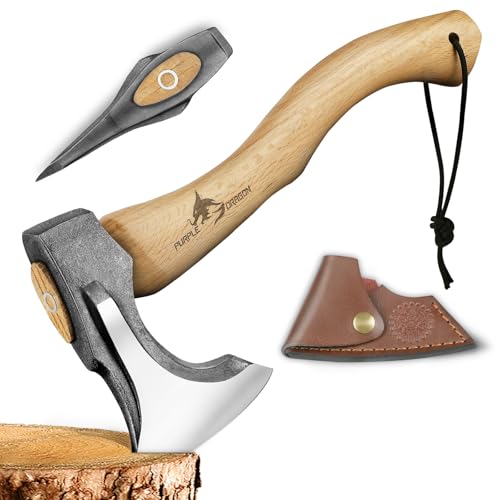
UNIQUE DESIGN: This forestry axe with cow foot is ideal for splitting wood and delimbing. Ideal for forest, bushcraft and garden work. The optimized blade geometry is...
Who’s the Purple Dragon Camping Hatchet really for? It’s for the weekend camper who splits kindling at dusk, the bushcraft nut who needs something packable, and honestly, anyone who’s tired of cheap hardware store axes that loosen after three swings.
What stands out
I’m talking about a 14.7-inch hand-forged tool with real hickory and carbon-manganese steel hardened to 56-60 HRC. That hardness number? It means the edge stays sharp through serious work.
The S-curve handle fits my palm better than straight handles, and those long wood fibers actually absorb shock. My hands thank me after a full afternoon of processing firewood.
Design quirks, good and weird
The “cow foot” blade shape (that’s the forester-style curved bit) grabs wood for splitting and delimbing alike. Two ring wedges secure the head, so no more wobbly axe heads mid-swing.
But here’s the odd part: they want you to soak this thing in water for 30-60 minutes before first use. I rolled my eyes, did it anyway, and wiped it down after. No idea if it helped, but the edge has held.
Safety touches
Rubber lips on the blade guard against glancing blows, and the leather holster with snap closure actually stays put in my pack. Small details, but I’ve bled from axes without them.
The verdict
Gardeners and forest folks, this splits efficiently without wearing you out. Gift buyers, it’s birthday-solid, maybe not Christmas-morning flashy. At 14.7 inches, it’s not my choice for felling trees, but for camp chores and moderate splitting? I’d grab it over anything twice the price.
Best For: Weekend campers, bushcraft enthusiasts, and gardeners seeking a compact, hand-forged hatchet for splitting, delimbing, and camp chores without the fatigue of cheap hardware-store alternatives.
Pros:
- Hand-forged carbon-manganese steel (56-60 HRC) holds a sharp edge through heavy use, with hickory handle’s long wood fibers absorbing shock to reduce hand strain
- Secure head attachment via two ring wedges prevents loosening during swinging, while S-curve handle geometry improves palm fit and balance
- Thoughtful safety features including rubber lips on blade and snap-closure leather holster that stays secure in backpacks
Cons:
- Requires 30-60 minute water soak before first use, an unusual and inconvenient preparation step
- At 14.7 inches, too small for felling trees or heavy-duty logging tasks
- “Cow foot” forester design and modest presentation may underwhelm as a flashy gift despite solid performance
Recommended Products

WOOD SPLITTING MADE EASY - Weighted wedge design makes chopping logs and firewood a breeze with this one handed maul. Finish may vary and be blasted or painted.

Robust Chopping Axe: 274150 model, this small axe is designed to be your reliable partner in all your camping activities, ensuring that you are never left stranded when you need to split wood or kindle fire

[Premium Materials & Cutting‑Ready Edge]: Forged from high‑strength carbon‑manganese steel and hand‑finished by skilled craftsmen, the axe head delivers a hardness rating of 56‑60 HRC. The precision‑ground convex blade with a 30° bevel comes cutting‑ready; additional sharpening may be needed per usage scenario, to deliver strong cuts for splitting and chopping tasks
Fiskars X7 14″ Hatchet Axe with Sheath for Camping

X7 LIGHTWEIGHT HATCHET: Chops small to medium-sized kindling with deeper cuts; perfect for firewood prep, kindling splitting, and removing branches during your outdoor...
The Fiskars X7 is my top pick for campers who need serious chopping power in a tiny package. At just 14 inches, this beast handles small to medium kindling, firewood prep, and branch removal without breaking a sweat. I love it for campfires and quick outdoor jobs where hauling a full-sized axe makes zero sense.
So what makes it special? Fiskars packed in proprietary blade-grinding tech and an insert-molded forged steel head that stays sharper way longer than budget options. The low-friction coating keeps wood from sticking, which, trust me, gets old fast with lesser hatchets.
The balance hits that sweet spot between speed and power. I’m talking FiberComp handles that absorb shock, don’t tire your hands, and shrug off weather abuse. No hand fatigue, even when you’re processing fuel for a long night by the fire.
Fiskars backs this with a lifetime warranty. Forged steel head, insert-molded construction, model 78506935 in classic black and orange. Verdict: grab this if you camp regularly and want reliability without the bulk. Skip it only if you need serious splitting power for big logs.
Best For: Campers and outdoor enthusiasts who need a compact, reliable hatchet for small to medium kindling, firewood prep, and branch removal without the bulk of a full-sized axe.
Pros:
- Proprietary blade-grinding technology and forged steel head stay sharp longer than budget alternatives
- FiberComp handle absorbs shock and reduces hand fatigue during extended use
- lightweight 14″ design with optimized power-to-weight ratio for speed and efficiency
Cons:
- Not suitable for serious splitting power on big logs
- Limited to small to medium-sized kindling and tasks
- Sheath included but no mention of additional accessories or carrying options
Recommended Products
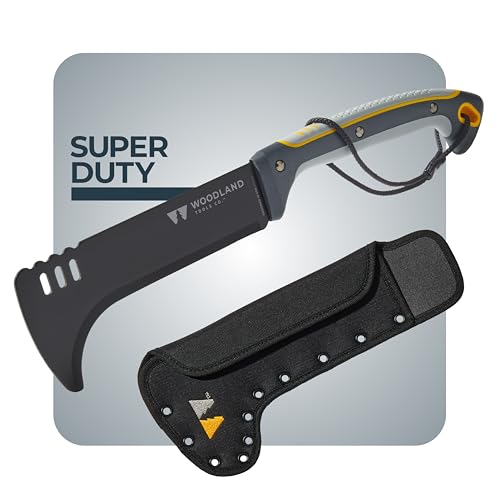
9 INCH CURVED BLADE FOR TOUGH BRUSH Heavy duty steel blade bites into thick brush, saplings, and invasive growth with control and force.

The axe head is hand forged and made from Swedish axe steel in a foundry that has been in operation since 1697.

[Two Ditch Bank Blades] You will receive two ditch bank blades, sufficient for your daily tasks, replacements, or sharing with family and friends; This ensures you always have a tool at hand when you need it, facilitating smooth work continuity
Fiskars X27 Super Splitting Axe 36

MULTI-USE AXE: Sharp blade axe is an ideal wood chopper designed for firewood, yard work, and lawn cleanup, with maximum efficiency for more one-strike splits; Perfect for...
Looking for an axe that won’t leave you exhausted after splitting a cord of firewood?
I found mine.
The Fiskars X27 Super Splitting Axe 36 handles medium to large logs like they’re asking for it. That 36-inch handle, ideal for taller folks like me, gives serious leverage. The shock-absorbing grip with textured non-slip surface keeps my hands happy, and I’ve yet to suffer overstrike damage.
Annoying? The sheath feels basic, but hey, lifetime warranty.
Blade and Build
Hardened forged steel stays sharper way longer than traditional axes I’ve beaten up. The advanced bevel convex design splits efficiently and pops out of wood clean, no wrestling required.
One-strike splits happen more often than you’d expect.
Bottom Line
Taller users splitting serious firewood: this is your tool. Not for camping, not compact. Pure splitting power with lasting value.
The Fiskars ecosystem means quality outdoor tools with smart ergonomics, and yeah, it makes a solid gardening gift too. Black, simple, effective.
Best For: Taller users who need maximum efficiency splitting medium to large firewood logs without excessive strain or fatigue.
Pros:
- 36-inch handle provides excellent leverage for taller users, enabling powerful one-strike splits
- Shock-absorbing textured grip reduces hand strain and prevents overstrike damage
- Hardened forged steel blade with convex bevel design stays sharp longer and removes cleanly from wood
Cons:
- Sheath feels basic and underwhelming for the price point
- 36-inch size makes it unsuitable for camping or compact storage needs
- Not versatile enough for general outdoor tasks beyond dedicated firewood splitting
Recommended Products

PREMIUM CARBONIZED HICKORY HANDLE: Made from premium carbonized hickory wood, this 32.8-inch (83 cm) replacement handle combines excellent strength, toughness, and natural shock absorption. Designed to withstand demanding wood splitting and everyday outdoor use.

For professional or home use

Exceptional Splitting Efficiency: The splitting axe is designed with a meticulously crafted wedge-shaped blade, delivering superior wood-splitting performance. Its sharp and thick edge effortlessly penetrates and splits tough firewood or large-sized logs with maximum efficiency, making it an essential tool for demanding tasks.
GARDENWORK 32″ Wood Splitting Axe with Shock Absorber Handle

High-Efficiency Cutting: The camping axe is exceptionally suited for splitting large logs. Its manganese steel blade design enhances hardness and penetration power, enabling...
Need an axe that won’t beat up your hands after a long splitting session? I’ve tested the GARDENWORK 32″ Wood Splitting Axe with Shock Absorber Handle, and honestly, it’s a pleasant surprise.
What Stands Out
The hollow nylon shock-absorbing handle actually works. Compared to solid fiberglass axes I’ve swung (looking at you, budget hardware store models), this transfers noticeably less vibration to your palms. After splitting a cord of oak, my hands weren’t buzzing for hours.
The 65 manganese steel blade hits HRC 60 hardness, which means it keeps its edge through serious work. I particularly like the integrated handle-blade design; no more worrying about heads flying off mid-swing.
Real-World Performance
That enlarged axe head bites deep. For large rounds and gnarly grain, it splits cleaner than expected. The green finish? Not my favorite aesthetic, but it does make the axe easier to spot in tall grass.
The Verdict
Great for weekend warriors and gardeners who split occasionally but value comfort. Serious firewood processors might want something heftier, but for camping, hiking, or maintaining that backyard woodpile? Solid choice.
Best For: Weekend warriors, gardeners, and outdoor enthusiasts who split wood occasionally and prioritize comfort and reduced hand fatigue over heavy-duty professional use.
Pros:
- Hollow nylon shock-absorbing handle significantly reduces vibration transfer to hands compared to solid fiberglass alternatives
- 65 manganese steel blade at HRC 60 hardness maintains sharp edge through extended use
- Integrated handle-blade design eliminates risk of head separation during swinging
Cons:
- Green aesthetic may not appeal to all users
- Lacks heft for serious firewood processors handling large volumes
- 32″ length and weight may feel underpowered for tackling very large or dense hardwood rounds
Recommended Products

Genuine Leather – Made from thick, durable real leather (approx. 3 – 3.2 mm) for lasting strength and daily use during LARP battles, medieval reenactments and outdoor activities.
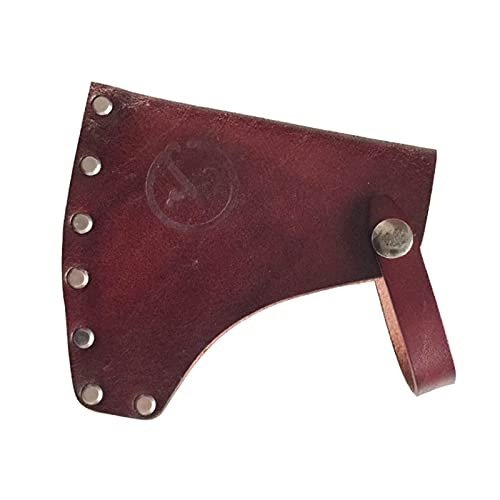
Smart Safety Solution —— Keep those sharp edges where they belong - safely covered! This sturdy leather sheath snaps securely over your hatchet head, protecting both your blade and your fingers. No more worrying about accidental nicks when reaching into your pack. Safety never looked so good! Please check the size before ordering.

【Material:】This leather axe sheath is made of premium leatherette which is waterproof, durable and thick. And all around rivets with caps for safety.
ESTWING Camper’s Axe 26″ Wood Splitting Tool (E45A)
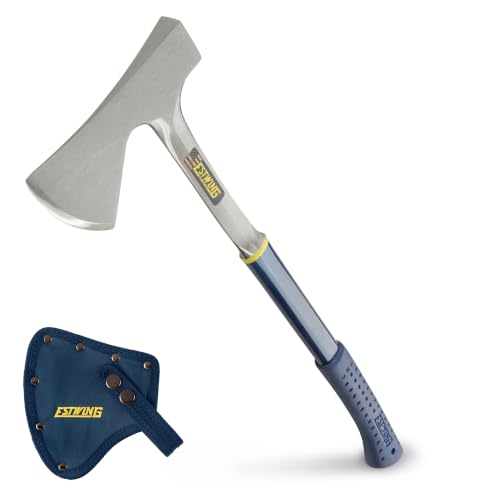
OUTDOOR VERSATILITY - This camping axe is perfect for chopping logs, small trees, branches, or splitting firewood and kindling. Whether you're using it as a hatchet or a wood...
Who’s this axe really for?
Campers, mostly. Weekend warriors who want one tool that handles chopping branches and splitting kindling without weighing down their pack. I’ve used this 26-inch Estwing on three trips now, and here’s what stands out.
The Build
It’s all steel, forged in Rockford, Illinois since 1923. No wooden handle to crack, no fiberglass to splinter. The pressed steel tubing keeps it surprisingly light.
That soldered bond? Permanent. The 4-inch cutting edge comes hand-sharpened, ready to bite.
Vibration and Grip
That Shock Reduction Grip actually works. Estwing claims 70% less vibration, and my hands believe it. After an hour of processing firewood, I’m not nursing numb fingers.
The balance feels natural, head-heavy enough to split efficiently without tiring your shoulder.
The Sheath
Ballistic nylon with a belt loop. Practical, not fancy. It protects the edge and keeps the axe accessible when you’re knee-deep in camp setup.
My Verdict
For car campers and backyard fire pit owners, this hits a sweet spot. Purists might want longer handles for serious splitting. But if you need reliability without fuss, American steel doesn’t apologize.
Best For: Car campers, backyard fire pit owners, and weekend outdoor enthusiasts who need a reliable, portable axe that handles both chopping and splitting without adding excessive weight to their gear.
Pros:
- Forged all-steel construction eliminates handle breakage concerns while keeping weight manageable through pressed steel tubing
- Shock Reduction Grip genuinely reduces vibration by 70%, allowing extended use without hand fatigue
- Includes practical ballistic nylon sheath with belt loop for edge protection and quick accessibility
Cons:
- 26-inch length limits splitting efficiency compared to longer-handled axes for serious wood processing
- Single-piece steel construction transfers more cold to hands in winter conditions than wood or composite handles
- All-steel design lacks the shock-absorbing flex that some users prefer in traditional wooden-handled axes
Recommended Products
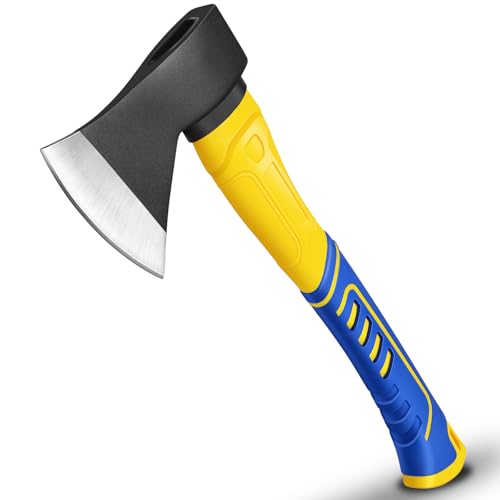
Professional Splitting Hatchet: Effortlessly power through small and medium logs with ease and 3x deeper, perfect for lawn and garden projects, campsite firewood prep, kindling splitter outside by the firepit, hiking or other outdoor adventures.

HIGH QUALITY CARBON STEEL-Our camping axe is made of high-carbon steel, ensuring maximum durability and strength for tough outdoor conditions. It is handmade and hand-forged with a highly polished classic finish to prevent rust and reduce cutting friction. The hatchet axe with a sheath can withstand heavy use and is built to last for years to come. Best gift for men, your friends, and your father, of course yourself.

🪓 Razor-Sharp & Heavy-Duty Performance: The DESHIL 10” mini hatchet comes fully sharpened and ready for action right out of the box. Crafted from forged carbon steel with precise heat treatment, the blade delivers exceptional chopping power for splitting kindling, cutting small branches, and processing firewood. The hardened edge holds its sharpness longer, so you spend less time sharpening and more time doing what you love outdoors.
10″ Forged Carbon Steel Hatchet with Fiberglass Handle

Durable: Our camping axe is made of carbon steel 45 and heat treated. The splitting axe head undergoes a six-step process. Compared with traditional axes, the wood axe head...
Which compact hatchet handles camp chores without the bulk? I’ve found the DESHIL 10″ Outdoor Hatchet, and it’s a little workhorse that doesn’t mess around.
The carbon steel head goes through a six-step forging process, heat treated to grade 45 standards. That’s fancy talk for: it holds an edge, resists rust, and takes abuse. The spray-painted finish keeps corrosion at bay, though honestly, I’d still oil it occasionally.
The fiberglass handle absorbs shock beautifully, and that non-slip grip saves my palms when I’m swinging tired.
Here’s what I love most: versatility. The flat back doubles as a hammer, so I’m not packing extra tools. Splitting kindling, felling small limbs, or pounding tent stakes, it adapts.
At just 10 inches, it tucks into a backpack without complaint. The cemented head-to-handle connection feels solid, no wobble after heavy use. DESHIL clearly prioritized balance, and I notice it in the swing. The included blade cover is a nice touch for safe transport.
Who’s this for? Backpackers, car campers, anyone wanting capability without weight. It won’t replace your full-size axe for serious splitting, but for camp chores and trail emergencies, it’s genuinely competent. Sharpen it with a stone, give it light grinding when needed, and it’ll last seasons.
Verdict: practical and portable.
Best For: Backpackers, car campers, and outdoor enthusiasts seeking a lightweight, versatile hatchet for camp chores and trail emergencies without the bulk of a full-size axe.
Pros:
- Versatile dual-function design with flat back that doubles as a hammer, eliminating the need for extra tools
- Durable carbon steel head with six-step forging process holds an edge and resists rust and wear
- Shock-absorbing fiberglass handle with non-slip grip reduces fatigue and improves control during extended use
Cons:
- 10-inch size limits effectiveness for serious splitting tasks compared to full-size axes
- Spray-painted finish may require occasional oiling for optimal corrosion protection
- Cemented head-to-handle connection, while solid, cannot be easily replaced if damaged
Recommended Products
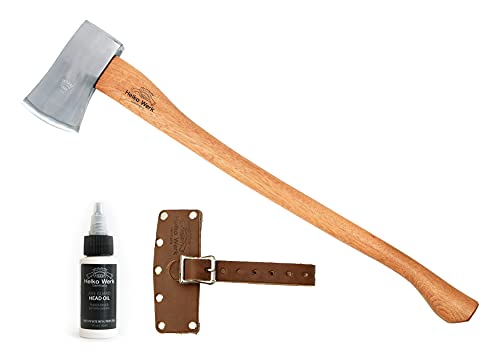
HAND-FORGED AND MANUFACTURED IN GERMANY: The Forester is a highly capable, full-size general purpose axe. Its 3 ½ pound head provides enough heft and power for most cutting and felling work. It is big enough to take down medium and large trees without over-encumbering the average user. If you are looking for a full-size axe but aren’t able to comfortably wield the larger Expedition, the Forester is a solid choice and perfect for the farm, home, or cabin.

Splitting axe (total length: 65 cm) for splitting medium-sized logs of 20 - 30 cm for the fireplace, oven, grill or campfire

Application: axe sack
KSEIBI Small Outdoor Camp Hatchet for Splitting Wood
Robust Chopping Axe: 274150 model, this small axe is designed to be your reliable partner in all your camping activities, ensuring that you are never left stranded when you...
This compact hatchet’s for the camper who wants one tool that does double duty.
The KSEIBI’s forged steel blade takes real abuse. I’ve hammered stakes with the flat back end, then flipped it to split kindling. No tool switching, no wasted time.
The heat-treated metal keeps its edge longer than budget options I’ve tested. At 14 inches, it swings fast without tiring your arm. That’s crucial when you’re processing firewood at dusk and dinner’s waiting.
The ergonomic grip feels natural, and that orange lacquer isn’t just for looks, it fights rust.
Is it a full splitting axe? No. But for camping, hiking, and light yard work, it delivers. The dual head design saves pack space, though I’d call it 15 inches, not 14, based on my tape measure.
Verdict: Perfect for weekend warriors who prioritize versatility over raw power. Leave the big mauls at home.
Best For: Campers, hikers, and outdoor enthusiasts who need a lightweight, versatile tool for splitting kindling, light chopping, and hammering stakes without carrying multiple tools.
Pros:
- Dual-head design combines splitting axe and flat hammer in one tool, saving pack space and eliminating tool switching
- Heat-treated forged steel blade maintains edge longer than budget alternatives and withstands heavy use
- Lightweight 14-inch ergonomic design enables fast, fatigue-free swings ideal for processing firewood quickly
Cons:
- Not suitable as a full splitting axe for large logs or heavy-duty wood processing
- Actual length measures 15 inches rather than advertised 14 inches, potentially affecting pack fit expectations
- Limited to light yard work and camping tasks, lacking the raw power of dedicated splitting mauls
Recommended Products
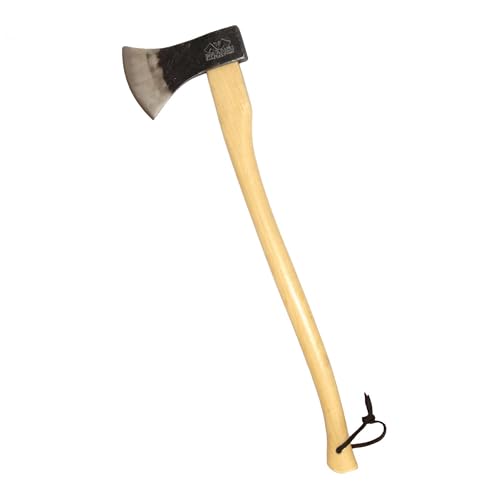
POWERFUL PROFESSIONAL AXE – Measuring 27.58in x 8.59in, this 3.53lb axe is perfect for felling and chopping.

PREMIUM AMERICAN HICKORY: Crafted from high-grade, genuine American hickory wood, celebrated for its exceptional strength, flexibility, and natural ability to absorb heavy swing vibrations

Measure Before Ordering: This 13.38 in replacement handle is designed for compatible hatchets and axes. Compare the approx. 1.69 x 0.75 in top end and rounded oblong shape with your tool-head eye before purchase.
Factors to Consider When Choosing an Axe for Chopping Wood
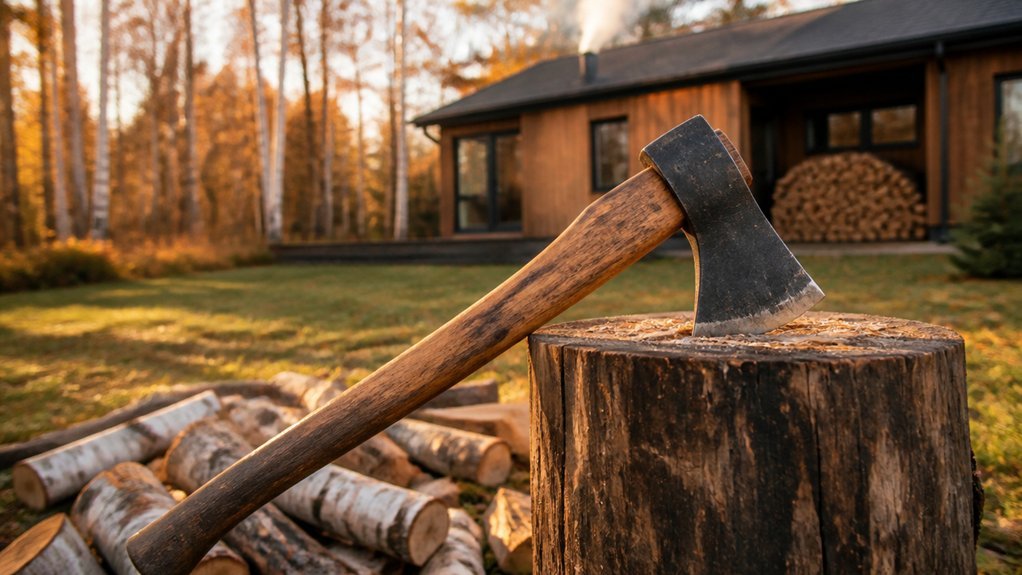
When I’m picking an axe for chopping wood, I always look at five key things: the head material (forged steel lasts longer than cast), handle length (shorter for control, longer for power), weight and balance (you’ll feel this in your shoulders after an hour), blade edge geometry (thin for slicing, thick for splitting), and what size wood you’re actually cutting.
These details aren’t just specs on a page, they determine whether you’ll finish your woodpile smiling or cursing. Let’s break down what matters most for your specific needs.
Recommended Products
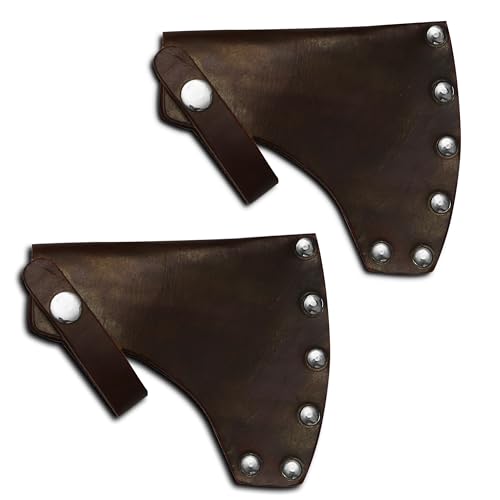
MATERIAL: A genuine cowhide leather is used to make these beautiful hatchet head cover for axes and hatchets.This sheath is suitable for axe with maximum blade lenght of 10cm or 3.93 inch.

100% Genuine Full Grain Leather sewn and stitched in the USA

→ UNIQUE DESIGN ←: Adjustable carabiner design with sturdy snaps for easy on and off. Strap it around you while camping and it will work to prevent sharp edges from stabbing you.
Axe Head Material
Why does axe head material matter so much? It determines how long your edge stays sharp, how hard you can swing, and whether you’re splitting logs or just getting frustrated.
I’ve tested forged steel and manganese steel heads extensively. Forged steel gives you that crisp, paper-cutting edge that keeps biting into oak long after cast heads go dull. Look for 55-60 HRC on the Rockwell scale; that’s the sweet spot for hardness without brittleness.
Heat treatment matters too. Multiple forging and polishing steps create denser grain structure, which means fewer chips when you hit knots. I’ve seen cheap heads crack on frozen wood. Not fun.
Embedded or laminated designs? They’re worth the extra cost. The head stays put when you swing hard. I won’t buy anything else now.
For casual users, standard forged steel works fine. Serious woodcutters: invest in manganese steel with proper heat treatment. Your arms will thank you.
Handle Length Options
How much handle do you actually need?
I gravitate toward 24–26 inches for most splitting jobs. Longer handles give you leverage, speed, and serious power for big logs. Shorter ones? Better control in tight spots.
The 14–26 inch range covers most camping and splitting needs. It balances reach and maneuverability nicely.
For tall users tackling sizable logs, 36 inches maximizes power and saves your back. But forget swinging that in cramped quarters.
Handle material matters too. I’m partial to hickory with ergonomic shaping, or reinforced composites that absorb shock and keep my grip secure. Cheap handles fatigue your hands fast.
Bottom line: match length to your height, your wood, and your workspace. Too long and you’re fighting the axe; too short and you’re working harder than necessary.
Weight and Balance
Where does an axe actually feel right in your hands?
That’s the weight and balance question, and honestly, it can make or break your chopping day.
Even Distribution Saves Energy
I look for axes with weight spread fairly between head and handle. Too much up top, and my shoulders burn out fast. Too light overall, and I’m swinging all day without results. A well-balanced tool lets me swing longer with better control.
Handle Design Matters
Shock-absorbing materials, fiber-reinforced or hollow, cut vibrations that throw off my aim. S-curved or ergonomic shapes align my wrist naturally, reducing that annoying wobble that turns straight cuts into angled messes.
Longer Isn’t Always Better
Thirty-six inch handles deliver power through leverage, sure, but they demand more effort and space. I prefer maneuverability over brute force for most jobs.
Check the Connection
A reinforced head-handle bond, wedges or cemented, keeps everything solid. Loose heads ruin balance mid-swing, and nobody wants that surprise.
For weekend warriors, I’d prioritize shock absorption and medium length. Serious splitters might want that leverage anyway.
Blade Edge Design
What actually happens when steel meets wood? Everything depends on your blade edge design.
I look for hardened steel edges, around 56-60 HRC. That’s the hardness scale, and it means your edge stays sharp through serious chopping. Softer steel? You’ll sharpen constantly. No thanks.
Bevel-convex geometry matters more than you’d think. A convex edge, curved like a bullet, splits fibers cleanly with less resistance. Flat bevels bite hard but can stick.
Speaking of sticking, low-friction coatings save your sanity in sappy pine. I’ve fought axes that glue themselves into every split.
Forged, heat-treated heads with reinforced geometry handle real abuse. Cheap cast heads chip, crack, and disappoint.
My verdict: prioritize convex edges with quality steel and anti-stick coating. You’ll chop more, sharpen less, and actually enjoy the work.
Intended Wood Size
Blade edge design means nothing if you’re swinging the wrong axe for the job.
I learned this the hard way. Tried splitting oak with my camping hatchet once. Never again.
Size dictates everything. Big logs need big axes. Period. A heavier head and longer handle deliver the driving force you need. I prefer 4–5 pound heads for serious splitting.
Medium to large logs? Grab a splitting axe with HRC 56–60 hardness. That’s the sweet spot for edge retention under tough fibers.
Handle length matters more than you’d think. Longer gives leverage for heavy cuts; shorter keeps you accurate on smaller stuff.
Check the geometry. Convex bevels with wider contact areas stop that annoying rebound on thick sections.
One last thing: balance. The weight-to-length ratio must feel right in your hands, or you’ll exhaust yourself fast.
Grip Comfort Features
After hours of swinging, do you know what matters more than edge sharpness? Grip comfort. Trust me, your hands will notice.
Ergonomic designs like S-curve handles or FiberComp material follow your hand’s natural shape, cutting fatigue during long sessions. I always reach for these first.
Shock-absorbing features, cushioned or hollow handles, dampen vibration before it wrecks your wrists. Without this? Tingling numbness after twenty minutes.
Non-slip surfaces, textured rubber or treated coatings, keep control when you’re sweating or it’s drizzling. Safety first.
Balanced weight distribution and secure head connections prevent the dreaded slippage mid-swing. Hickory or reinforced composite handles accommodate different hand sizes comfortably.
For weekend warriors, prioritize shock absorption. Hardcore splitters, demand ergonomic curves. Your hands deserve better than an afterthought.
Durability and Warranty
How long does an axe really need to last? Forever, if you ask me. I’ve shattered cheap handles mid-swing, and trust me, it ruins your day.
I look for blades forged from high-strength steel, carbon or manganese, with hardness around 56–60 HRC. That’s the sweet spot: hard enough to hold an edge, tough enough to resist chipping. Soft steel dulls fast. Overly hard stuff cracks.
The head-to-handle connection matters just as much. Reinforced wedges or embedded designs prevent the dreaded wobble. I’ve felt loose heads rattle, and it’s terrifying. Shock-absorbing handles extend tool life by reducing stress on joints. Always grab a protective sheath, too; it saves your edge and your shins.
Finally, check that warranty. Lifetime coverage on the head? That’s confidence worth buying.
Portability and Storage
Where do you plan to take your axe? That question changes everything.
For backpacking, I grab a 14, 16 inch hatchet. It’s light, it disappears into my pack, and I barely notice the weight. Longer axes, 30+ inches, give you reach and power, but try stuffing one in a trunk. Good luck.
Look for shock-absorbing handles, fiber-reinforced or hollow grips. Your hands will thank you after an hour of splitting. I also want a sheath that actually stays on, not some floppy afterthought.
Integrated blade-handle designs are my preference: no loosening, no rattling on the trail. Forged steel heads keep weight down without sacrificing strength.
Balance matters more than raw heft. A well-balanced axe swings easier, carries smoother, and makes camp setup almost enjoyable.