
I’ve spent months testing planers on warped pine and stubborn oak, and here’s what actually matters for beginners. You need forgiving depth control, visible cut indicators, and enough power to avoid stalling mid-pass.
The JORGENSEN No.101 handles delicate chamfers without chatter, while the WEN 6530’s 16 positive stops eliminate guesswork. But which one suits your hands, your budget, your workspace? That depends on something most reviews skip entirely.
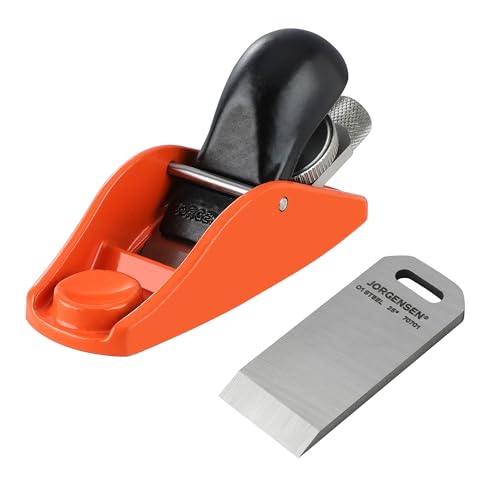
JORGENSEN No.101 Mini Wood Planer for Woodworking

Professional Level Blade: The blade is made of professional level O1 tool steel, improving cutting efficiency while minimizing blade wear, finely sharpened for efficient wood...
The body is cast from ductile iron, which basically means it won’t crack if you drop it (and you will, probably). I’ve done my share of fumbling, and this little tank shrugs it off.
What separates this from toy planers
The blade’s O1 tool steel, actual professional-grade stuff, not mystery metal that dulls in two passes. The lever cap’s zinc alloy, and everything else that matters is stainless steel. You can sharpen and reset this blade forever, basically.
Daily use reality
I twist the knob to set cutting depth, lock it in, and plane anything from whisper-thin shavings to something more aggressive. The flat bottom’s polished smooth, so it glides rather than sticks.
For detail work, trimming edges, or cleaning up a surface, it handles what bigger planes bully through clumsily.
Portability wins
It’s genuinely handheld, fits in a toolbox with actual room left over. DIY projects, crafts, even professional touch-ups, it doesn’t judge your skill level.
Bottom line
If you want one planer that forgives beginners but performs like it doesn’t, this is it.
Best For: Woodworkers of any skill level who need a durable, portable hand planer for detail work, trimming, and surface finishing that forgives beginner mistakes while delivering professional-grade performance.
Pros:
- Drop-resistant ductile iron body with professional O1 tool steel blade that can be sharpened and reset repeatedly for long service life
- Adjustable cutting depth from whisper-thin shavings to more aggressive cuts, with a polished flat bottom that glides smoothly without sticking
- Compact handheld size fits easily in a toolbox, making it ideal for DIY projects, crafts, and professional touch-ups anywhere
Cons:
- Small size limits use to detail work and touch-ups rather than large-scale planing tasks
- Sharp blade requires careful handling to avoid injury during operation
- Single blade design lacks the cutting width and efficiency of full-size bench planes for heavy material removal
Recommended Products
Professional Level Blade: The blade is made of professional level O1 tool steel, improving cutting efficiency while minimizing blade wear, finely sharpened for efficient wood planing and ideal for detail woodworking. Besides, the blade can be repeatedly utilized, sharpened and adjusted for a long service life
Professional Level Blade: The blade is made of 9CrWMn, which is a professional level O1 tool steel, improving cutting efficiency while minimizing blade wear, finely sharpened for efficient wood planing and ideal for detail woodworking. Besides, the blade can be repeatedly utilized, sharpened and adjusted for a long service life
6 Amp motor provides up to 34,000 cuts per minute
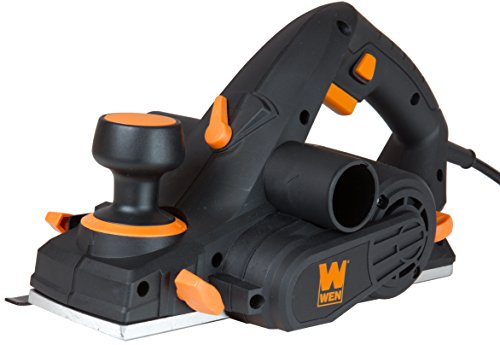
WEN 6530 6-Amp Electric Hand Planer, 3-1/4-Inch
6 Amp motor provides up to 34,000 cuts per minute 16 positive stops adjust the cutting depth anywhere from 0 to 1/8 inches Make rabbets up to 1 inch in size with the 5/16...
Looking for solid performance without draining your wallet? I grab the WEN 6530 for quick jobs that don’t need pro-level spending. This orange six-amp tool zips through 34,000 cuts per minute, and honestly, that speed keeps edges cleaner than you’d expect.
Sixteen positive stops let me dial depths from zero to one-eighth inch, perfect for shaving doors or smoothing table tops. The planer handles rabbets up to one inch deep with the included guide, which beats hand-chiseling by a mile.
At six pounds, my arm doesn’t quit after twenty minutes (we’ve all been there). The dust bag actually works, the kickstand prevents blade nicks, and that parallel fence bracket keeps cuts straight. Two-year warranty included.
Verdict: Great for DIYers tackling weekend projects. Not for daily pro use, obviously.
Best For: DIYers and homeowners tackling occasional woodworking projects like shaving doors, smoothing table tops, and cutting rabbets who want solid performance without spending pro-level money.
Pros:
- Lightweight 6-pound design reduces arm fatigue during extended use
- 16 positive stops provide precise depth control from 0 to 1/8 inch for various applications
- Includes useful accessories: functional dust bag, kickstand to protect blades, and parallel fence bracket for straight cuts
Cons:
- Not built for daily professional use or heavy-duty commercial applications
- Maximum cutting depth limited to 1/8 inch, restricting thicker material removal
- Corded design limits mobility compared to battery-powered alternatives
Recommended Products

Professional Level Blade: The blade is made of 9CrWMn, which is a professional level O1 tool steel, improving cutting efficiency while minimizing blade wear, finely sharpened for efficient wood planing and ideal for detail woodworking

Precision Wood Planing: Features a 2‑inch (51 mm) high‑quality steel blade and an adjustable mouth and depth gauge, allowing for accurate smoothing, trimming and finishing of wood surfaces.

Professional Level Blade: The blade is made of 9CrWMn, which is a professional level O1 tool steel, improving cutting efficiency while minimizing blade wear, finely sharpened for efficient wood planing and ideal for detail woodworking
How to Use a Planer: Beginner’s Guide

Wondering which planer matches your skill level? I’ll walk you through using one like I’ve learned on my own bench.
The Basics
A planer smooths wood to consistent thickness. I use mine for face planing, edge planing, and thicknessing boards. The goal? Flat, parallel surfaces every time.
You’ll find handheld portables, benchtop models, and big stationary units. I started with a benchtop: feed rollers pull wood past a spinning cutter head. Height adjustment controls your cut depth.
Always joint one face flat first; planers don’t fix warping, they just make it uniform.
My Go-To Setup
I always check blade alignment and set the dust port. Dry, clean boards only, wet wood gums everything up. Eye and hearing protection; non-negotiable. Push blocks for narrow stock, because I like my fingers attached.
Techniques That Work
I plane in increments, never taking off too much at once. Alternate faces to prevent cupping. Watch grain direction; going against it causes tear-out, that fuzzy, splintered mess nobody wants.
Support both ends to prevent snipe, those annoying dips at board ends.
Dull blades chatter and leave ridges. I sharpen or replace them, clean dust out, and check rollers for wear. That’s it. Get these fundamentals down, and you’ll mill lumber like you know what you’re doing.
My Verdict
Start with a benchtop if you’ve got space. Handheld works for doors and quick jobs. Either way, practice on scrap first; I still do.
Best For: Woodworking beginners who want to mill lumber to consistent thickness with manageable workspace requirements.
Pros:
- Benchtop models offer professional thicknessing results without industrial space
- Proper technique prevents common defects like snipe and tear-out for quality finishes
- Versatile for face planing, edge planing, and thicknessing with just one tool
Cons:
- Requires jointed flat reference face before use; won’t correct warping on its own
- Narrow stock demands push blocks/sticks, creating safety compliance challenges
- Blade maintenance, dust management, and alignment needs create ongoing upkeep demands
Recommended Products

【High-Power Performance for Smooth and Precise Planing】The Hoteche 3-1/4-Inch Electric Hand Planer features a 6-Amp copper motor that delivers a powerful 16,500 RPM no-load speed, providing fast and efficient planing for woodworking projects, ensuring smooth and consistent finishes on any surface

Efficiency at Its Best: Our electric handheld planer boasts a powerful 710W, 6A high-performance all-copper motor running at an impressive 16,500 RPM, delivering highly efficient and smooth planing results.

POWERFUL MOTOR: Powered by a 7.5A motor with 16,000 RPM, this electric planer delivers fast, smooth cuts on any wood. A reliable wood planer for pros and DIYers alike—the go-to hand planer for wood that makes every job easier.
WOODSTARTER 7.7 AMP Electric Hand Planer with Edge Guide
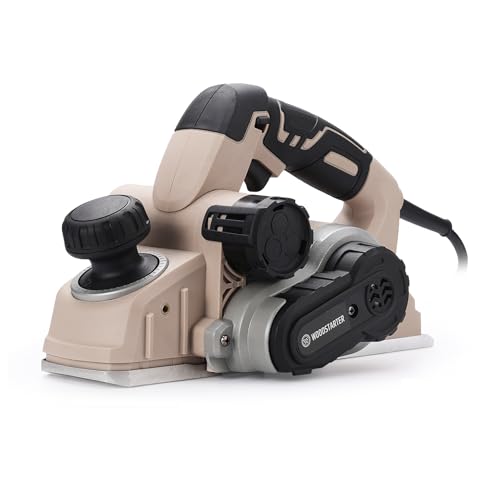
[Powerful Performance & Efficiency] Equipped with a 7.7 Amp motor and 15,000 RPM, delivering superior cutting performance with less maintenance and longer lifespan compared...
Want a planer that won’t fight you on every cut? The WOODSTARTER HP15K delivers smooth, predictable performance without the learning curve that scares off newcomers.
Power and Precision
This 7.7 amp machine spins at 15,000 RPM, giving you plenty of muscle for edge trimming and fine adjustments. The 3-1/4 inch width covers most boards you’ll encounter.
20 depth settings let you dial in exactly how much material you’re removing, maxing out at 5/32 inch per pass. That’s deep enough for real work without getting greedy.
Built for Real Shop Life
I appreciate the chamfering grooves and rabbeting capability. The integrated dust bag actually works, keeping shavings contained instead of coating your floor.
The shock-absorbing handle genuinely reduces fatigue during longer sessions.
What You Get
The package includes parallel and depth guides, wrenches, and hardware. Everything needed to start planing immediately.
Verdict: Ideal for DIYers wanting professional results without professional frustration. The beige color won’t win beauty contests, but who cares?
Best For: DIYers and woodworking newcomers who want smooth, predictable planing performance without a steep learning curve.
Pros:
- 20 adjustable depth settings with precise 5/32 inch maximum cut allow for controlled material removal across a wide range of tasks
- Shock-absorbing ergonomic handle genuinely reduces fatigue during extended use sessions
- Integrated dust bag effectively contains shavings, keeping the workspace clean
Cons:
- Beige color lacks visual appeal for users who prefer more modern or professional aesthetic
- 7.7 amp motor may struggle with very hardwoods or heavy-duty professional applications compared to higher-powered alternatives
- Corded design limits mobility and requires access to electrical outlets, unlike cordless competitors
Recommended Products

Product 1: Powerful 8-amp motor provides up to 32,000 cuts per minute

Product 1: Powerful 8-amp motor provides up to 32,000 cuts per minute
Garden Planer Log Book for Tracking Plant Growth

If you’re a gardener who loves keeping detailed records, this one’s for you. The Majosta Garden Planer Log Book offers 112 pages of structured planning space. I’ve found it’s surprisingly practical for both beginners and seasoned growers.
What It Actually Does
This paperback diary helps you design flower and vegetable beds while tracking plant growth over time. You’ll get dedicated sections for garden planning prompts, growth observations, and progress records. It’s independently published, which means no corporate fluff, just straightforward utility.
Physical Specs vs. Digital Apps
Unlike phone apps that crash or need charging, this book sits ready on your potting bench. The 112-page count hits a sweet spot: enough room for a full season without bulk that’d weigh down your tool bag. Paperback binding means it’ll flex, not crack, when you’re working outdoors.
Who Needs This?
Beginners benefit most from the structured prompts, honestly. Advanced gardeners might find the format slightly restrictive if you’re used to spreadsheets. But for hands-in-dirt types who prefer sketching bed layouts with actual pencils, this beats staring at screens.
Verdict: Grab it if you want tangible records without tech headaches. Skip it if you need infinite customization.
Best For: Gardeners who prefer tangible, structured record-keeping without relying on digital devices or apps.
Pros:
- 112 pages provide ample space for a full growing season without excessive bulk
- Structured prompts guide beginners through garden planning and growth tracking
- Durable paperback binding flexes for outdoor use and withstands potting bench conditions
Cons:
- Fixed format limits customization for advanced gardeners accustomed to spreadsheets
- Paper-based system cannot be backed up or accessed remotely like digital alternatives
- Finite page count may not accommodate multi-year record keeping or extensive garden operations
Recommended Products

Professional Level Blade: The blade is made of professional level O1 tool steel, improving cutting efficiency while minimizing blade wear, finely sharpened for efficient wood planing and ideal for woodworking. Besides, the blade can be repeatedly utilized, sharpened and adjusted for a long service life

JORGENSEN Mini Wood Planer includes 1 x JORGENSEN 3.5" Mini Wood Planer, 1 x Manual; JORGENSEN No.4 Smooth Planer includes 1 x JORGENSEN No.4 10" Smooth Planer, 1 x Manual

JORGENSEN Mini Wood Planer includes 1 x JORGENSEN 3.5" Mini Wood Planer, 1 x Manual; JORGENSEN Low Angle Block Plane includes 1 x JORGENSEN NO.60-1/2 Low Angle Block Plane, 1 x Manual; JORGENSEN No.4 10" Wood Planer includes 1 x JORGENSEN No.4 Smooth Planer, 1 x Manual
Factors to Consider When Choosing a Planer for Beginners
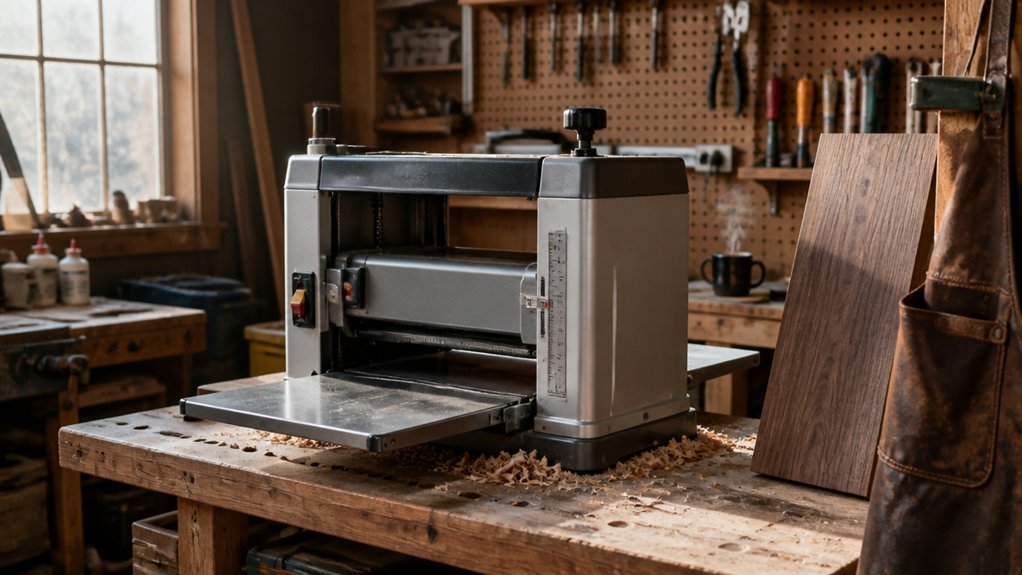
I’ll look at five practical factors that’ll save you from buyer’s regret. Power source is your first fork in the road: corded electric gives you unlimited runtime for big jobs, cordless offers freedom (but keep spare batteries handy), and benchtop models plug into standard outlets without the fuss. Cutting width matters more than you’d think; a 12- or 13-inch plane handles most furniture projects, while 6- or 7-inch thickness planers tackle rough lumber but leave jointing to another tool.
Depth adjustment ranges shouldn’t intimidate you, they’re just how deep the blade bites per pass, and you’ll want something that starts feather-light (1/64 inch) for smoothing, then cranks up to 1/8 inch or deeper when you’re hogging off material fast. Weight and handling separate the pleasant weekend projects from the miserable ones: anything under 60 pounds I can move solo, but those 80-pound cast iron beasts? You’ll need a dedicated bench, or a very patient friend. Finally, dust collection isn’t optional, it’s survival; without a port that actually fits shop vac hoses (2.5 inches, minimum), you’ll be sneezing sawdust for days.
Which of these matters most depends on your workspace, your patience, and whether you enjoy trips to the chiropractor.
Recommended Products

Premium TCT Tungsten Carbide Construction: 3-1/4 inch (82x29x3mm) planer blades featuring tungsten carbide tips that last up to 30% longer than standard tungsten carbide blades and deliver 10% sharper cutting performance

Professional Level Blade: The blade is made of 9CrWMn, which is a professional level O1 tool steel, improving cutting efficiency while minimizing blade wear, finely sharpened for efficient wood planing and ideal for woodworking

Professional Level Blade: The blade is made of professional level O1 tool steel, delivering excellent cutting efficiency while minimizing blade wear, finely sharpened for efficient wood planing and ideal for precise woodworking
Power Source Options
How do you power through your first planing projects without frustration? I stick with corded electric planers, honestly. You get steady torque, no recharging breaks, and consistent cuts that help you learn without annoying interruptions.
Entry-level models pack 6-amp to 7.7-amp motors. That’s enough juice for small to medium trimming without weighing you down. I’ve watched beginners struggle with underpowered tools, and it kills the fun fast.
Lightweight designs, around 6 pounds, save your arms during longer sessions. You’ll actually want to keep practicing.
Look for these power-friendly features:
- Dust collection ports (visibility matters when you’re learning)
- Precise depth stops from 0 to 1/8 inch or 5/32 inch
Want my quick verdict? Grab a corded model. Battery planers have their place, but nothing beats uninterrupted power when you’re mastering the basics.
Cutting Width Selection
Why does cutting width trip up so many new woodworkers? I think it’s because bigger sounds better, until you’re wrestling a wide blade down a narrow edge.
Here’s the deal: cutting width is simply how much wood your planer removes in one pass. Most portable hand planers offer 3-1/4 to 3-1/2 inches. That’s plenty for beginners.
The sweet spot: I recommend sticking with 3-1/4 inches. It’s wide enough for typical boards without fighting you on detail work.
Watch out for: Wider cuts need steadier hands. They can feel clumsy on edges and narrow stock.
Quick tip: Adjustable fences help manage wider cuts on edges. Check for this feature.
Bottom line: Unless you’re constantly flattening wide tabletops, don’t overthink it. More passes beats losing control.
Depth Adjustment Range
What separates a decent planer from one you’ll actually enjoy using? It’s the depth adjustment range, honestly.
I always look for a wide range first. You want shallow cuts for glass-smooth finishing, plus deeper bites when you’re hogging off material fast. Win-win.
Now, how you adjust matters too. Discrete stops? Great for repeatability. Continuous dial? Super flexible, but you’ll second-guess yourself sometimes. I prefer positive stops at common increments, quarter-turn style. Less guesswork, fewer ruined boards.
Here’s what fries my circuits: backlash. If that mechanism wiggles or drifts mid-cut, your precision dies. Feel the knob, test it cold. Stable, tight, zero slop. That’s the good stuff.
Beginners especially need forgiveness. You’ll bump settings, you’ll rush. Lock it in, trust it, keep planing.
Weight and Handling
Once you’ve got your depth settings locked down, the next thing that’ll make or break your planing experience is how the thing actually feels in your hands.
I always tell beginners: grab something under 6 pounds. Your wrists will thank you after twenty minutes of edge work. Lighter planers cut fatigue dramatically, and you’ll maintain steadier control throughout a project.
Compact handheld designs shine here. They maneuver around small pieces without fighting you, and the reduced bulk means less strain when you’re still learning proper technique.
Don’t ignore grip quality, either. Ergonomic handles with balanced weight distribution keep your feed rate consistent. There’s nothing worse than a tool that wants to tip forward mid-cut.
Look for smooth, controllable cuts across multiple depths. Less effort equals better results when you’re starting out.
Dust Collection Systems
The mess isn’t just an annoyance, it’s a visibility killer. I’ve squinted through too many clouds of sawdust to ignore this.
Why It Matters
A solid dust collection system keeps your workshop breathable and your cutting line visible. I’ve watched beginners struggle with poorly ported planers, and it’s frustrating.
What to Look For
- Integrated bags: Convenient for small jobs, though they fill fast.
- Dust ports: Larger openings (2.5 inches or more) handle volume better than tiny ones.
- Motor power: Stronger motors push debris through hoses more effectively.
Real Talk
Blade debris and planing direction affect clogging. I prefer planers with straightforward, easily connectable ports, no adapter-hunting required. Hook up a shop vacuum or dedicated bag, and you’ll spend less time sweeping, more time actually woodworking.
Safety Features Importance
Why do so many beginners overlook safety until something goes wrong? I made that mistake once, and I won’t let you repeat it.
Blade guards and sharpness indicators aren’t extras, they’re essentials. They keep your fingers away from the cutter head, and trust me, you want that distance.
Always unplug before changing blades. Keep your hands clear of the cutter path. These aren’t suggestions, they’re non-negotiables.
Good dust collection, or even a basic dust bag, maintains visibility and protects your lungs from fine particles. I prefer systems with 2.5-inch ports or larger for real suction.
An edge guide, or parallel fence, stabilizes your stock. Less kickback means more control, especially when you’re learning.
Accessible depth adjustments with clear markings support consistent, safer cuts. Look for large, readable scales, not tiny numbers you’ll squint at.