
I have spent years testing acrylics that claim to be “professional grade,” and most fall short when you actually push them. Heavy body, fluid, soft body, ink, each handles differently on canvas versus wood versus paper.
Lightfastness matters more than brands want you to think (that’s how long your color stays true, by the way). Single-pigment colors mix cleaner than convenience mixes. I have watched cheaper paints shift hue within months, which ruins commissions.
Texture retention, satin versus matte finish, tube versus bottle, these details separate work that lasts from work that fades. Some 2026 sets surprised me though. A few budget options punch way above their price. A few expensive ones disappointed. Want to know which held up under layering, glazing, and real studio abuse?
MEEDEN Heavy Body Acrylic Paint Set, 100 Colors

INFINITE RANGE OF COLORS: A wonderful array of 100 different vibrant acrylic paint colors can meet your various painting needs. Including 76 regular acrylic paints, 16...
When I first cracked open the MEEDEN Heavy Body Acrylic Paint Set, I had one immediate reaction: this isn’t paint for the faint of palette. One hundred tubes stared back at me, and I’ll admit, I felt slightly overwhelmed. Who needs this many colors? Apparently, I do.
The Breakdown
You get 76 regulars, 16 metallics, and 8 fluorescents. The heavy body formula means thick, buttery paint that holds brushstrokes and knife marks beautifully. Lightfastness is solid, so your work won’t fade into memory anytime soon. Coverage? Excellent. I barely needed a second coat on canvas.
The Reality Check
Here’s my gripe: 12 ml tubes run small for serious projects. You’ll burn through titanium white fast. But for beginners, students, or anyone testing waters? Perfect. The non-toxic label helps too; I’ve painted with kids nearby without panic.
The Verdict
Buy this if you’re building skills or gifting someone curious. Skip it if you’re cranking out large commissions daily.
Best For: Beginners, students, hobbyists, and anyone building their acrylic painting skills or exploring a wide color range without a major investment.
Pros:
- Exceptional color variety with 100 tubes covering regular, metallic, and fluorescent options for maximum creative flexibility
- Heavy body formula delivers thick, buttery consistency that holds brushstrokes and knife marks beautifully with excellent coverage
- Strong lightfastness ensures artworks remain vibrant and fade-resistant over time
Cons:
- 12 ml tubes are too small for serious or large-scale projects, with frequently used colors like titanium white running out quickly
- Not cost-effective for professional artists producing daily large commissions
- The overwhelming number of colors may feel excessive or intimidating for some users
Recommended Products
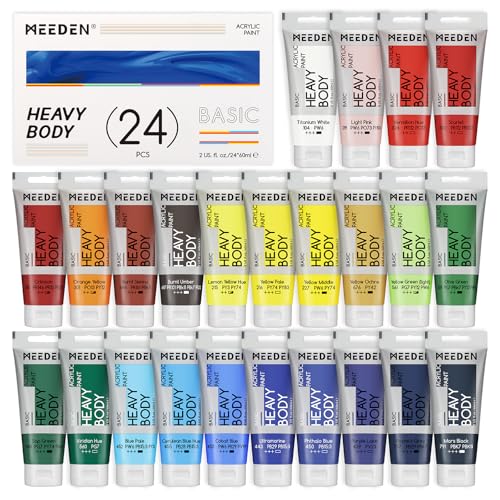
Vibrant Colors: This acrylic paint set features 24 rich and saturated colors with pure hues, ensuring your artwork stands out. Enjoy a balanced brightness that enhances your creative projects.

PURE PIGMENTS - Heavy Body Acrylic is known for its rich, permanent color. Our chemists use the latest basket bead-mill technology to bring out the best in every pigment. Tiny reinforced ceramic beads give fine dispersion, great color development, strength and brightness.

Vibrant Colors: MEEDEN 100ml basic acrylic paints offer a luxuriously rich and smooth consistency. It's perfectly suited for both beginning and professional artists, ensuring a smooth painting experience and high-quality textural effects on your canvas or crafts.This 8-color color set includes 2 of basic colors: Titanium White, Mars Black, 3 primary colors: Scarlet Red, Lemon Yellow Hue, Ultramarine, and 3 secondary colors: Viridian Hue, Purple Lake, Orange Yellow.
ARTEZA 60-Color Acrylic Paint Set with Metallics

60 Colors with 5 metallics: Build a full acrylic palette with 55 classic colors and 5 metallic shades in one organized set. The wide color range gives you ready options for...
Who’s craving variety without the studio clutter? I’ve found my sweet spot with the Arteza 60-Color Acrylic Paint Set. Sixty tubes, 22 ml each, give me 55 classics plus 5 metallics.
That’s enough range for complex palettes without the footprint of bulkier sets.
The high-viscosity formula delivers serious body. I get creamy, dense paint that holds brushstrokes and builds texture beautifully. Layering works great, palette knife techniques sing, and I can always thin with water when I need flow.
Color payoff impresses me. Rich pigments stay bright across canvas, wood, paper, you name it. Each tube lists pigment details, transparency, and lightfastness. No guessing games.
The tray organization keeps my workspace sane. I grab, paint, replace. Clean.
My verdict? Perfect for artists wanting professional versatility in compact form. Beginners grow into it; pros appreciate the control.
Skip this if you need massive volume, but for most studios, it’s genuinely enough.
Best For: Artists seeking professional-grade versatility and color range in a compact, organized format that suits both beginners ready to grow and experienced painters who value control and texture work.
Pros:
- Dense, high-viscosity formula supports textured applications, visible brushstrokes, layering, and palette knife techniques while remaining thin-able for flow when needed
- 60-color range (including 5 metallics) with detailed tube labeling for pigment, transparency, and lightfastness enables complex, informed color mixing without studio clutter
- Tray organization system streamlines workflow, storage, and workspace management for desk, easel, or shared studio environments
Cons:
- 22 ml tube size may be insufficient for artists requiring massive volume or large-scale production work
- Limited to 5 metallic shades among 60 colors, which may restrict those wanting more metallic variety
- High-viscosity body requires water or medium addition for smoother flow applications, adding a step for painters preferring ready-to-use fluid consistency
Recommended Products

RICH & VIBRANT COLORS - 8 major satin neon colors that remain exactly the same after the painting is dry and won't fade over long period of time. Your could express your creativity on acrylic paintings, decorative crafts for birthday, wedding, Halloween, Christmas and other special occasions.

This product is manufactured in united states

This four-piece set includes: FolkArt Neon Acrylic Paint in Pink, Orange, Green, and Blue
55PCS Acrylic Paint Set with 36 Colors and 12 Brushes

🎨Safety guarantee & High quality- Made of premium paint material, conforming to ASTM D-4236 and EN71 standards,HissiCo acrylic paint set is in rich pigment, creamy, non...
This one’s for artists who want everything in a single box. The 55PCS Acrylic Paint Set delivers 36 colors in generous 2 fl oz bottles, plus 12 brushes and a palette. You open the flip-lid cardboard box and you’re ready to paint. No extra shopping required.
What’s Inside and How It Performs
The flip-top squeeze bottles give you excellent flow control, and I appreciate that. The thick consistency holds brush marks beautifully, so your textures stay crisp. Colors blend smoothly, layer well, and mix into unlimited shades. The pigment load feels surprisingly rich for a starter set.
Safety and Versatility
It’s ASTM D-4236 and EN71 certified, meaning it’s non-toxic for adults, teens, and kids. I’ve used it on canvas, wood, glass, ceramic, even craft foam and wallpaper. It sticks to practically everything.
The Verdict
Perfect for beginners, hobbyists, or anyone teaching art classes. Professionals might want higher pigment concentration. For convenience and value? This set absolutely delivers.
Best For: Beginners, hobbyists, and art teachers who want a convenient, all-in-one acrylic paint set with excellent value and versatility across multiple surfaces.
Pros:
- Complete kit with 36 colors, 12 brushes, and palette—no additional purchases needed
- Thick, richly pigmented formula that blends well and preserves texture marks
- Non-toxic and certified safe for all ages (ASTM D-4236 and EN71)
Cons:
- Pigment concentration may not satisfy professional artists seeking higher quality
- Limited to 2 fl oz bottles, which may run out quickly with heavy use
- Flip-top squeeze bottles, while convenient, may not offer the precision of traditional tubes for detailed work
Recommended Products

CONVENIENT SIZE - This Apple Barrel Acrylic Paint comes in a versatile 2 oz size that is great for basecoating, stenciling, and so much more
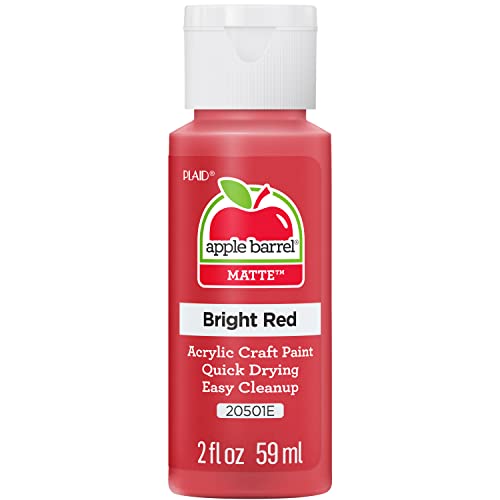
CONVENIENT SIZE - This Apple Barrel Acrylic Paint comes in a versatile 2 oz size that is great for basecoating, stenciling, and so much more

CONVENIENT SIZE - This Apple Barrel Acrylic Paint comes in a versatile 2 oz size that is great for basecoating, stenciling, and so much more
WUO 24 Color Acrylic Paint Set (250ml Bottles)

LARGE BULK ACRYLIC PAINT SET: WUO 24 colors professional acrylic paint set contains 24 vibrant, commonly used colors acrylic paint in bottles, and each contains 250ml/8.45oz...
What makes a paint set truly worth your money?
I look at volume, versatility, and whether I’ll run out mid-project. The WUO 24 Color Acrylic Paint Set delivers 250ml per bottle, that’s 8.45 ounces times twenty-four colors. For large acrylic projects, wall art, or advanced creations, this bulk set keeps me painting without constant restocking.
The pigment quality impresses me. These paints offer rich, bold color with creamy texture and strong coverage. I blend easily, mix new shades, and cover dark surfaces with fewer coats than cheaper alternatives. Less fading? Yes, please.
Surface compatibility matters too. I use these on canvas, wood, rock, ceramic, fabric, glass, leather, walls, even Halloween pumpkins. They dry quick, stay durable, and prove waterproof once cured.
The flip-top squeeze bottles include inner sealing caps for flow control, no mess, no waste. I wash spills with warm soapy water before drying, but work fast.
Here’s my quick verdict:
- Professional artists: Excellent for large-scale work, though 24 colors limits mixing range
- Beginners and students: Great value, forgiving application
- Crafters and DIYers: Perfect for parties, school projects, holiday decorations
Non-toxic, ASTM D-4236 certified, plus included spatula and sponge for textures.
Best For: Artists, beginners, and DIY crafters tackling large-scale projects who need high-volume, versatile acrylic paint with professional-grade coverage.
Pros:
- Exceptional value with 250ml (8.45 oz) per bottle in a 24-color set, ideal for large projects without frequent restocking
- Rich, creamy pigment with strong coverage that blends easily, mixes well, and covers dark surfaces with fewer coats
- Multi-surface compatibility including canvas, wood, rock, ceramic, fabric, glass, leather, walls, and more, with quick-drying, waterproof, fade-resistant finish
- Flip-top squeeze bottles with inner sealing caps for precise flow control and minimal mess
Cons:
- Limited to 24 colors, which restricts mixing range for professional artists needing extensive color variety
- Quick-drying formula requires fast work to wash spills before they set permanently
- Large bottle size may be unwieldy for fine detail work or small-scale projects
Recommended Products

CONVENIENT SIZE - This Apple Barrel Acrylic Paint comes in a versatile 8 oz size that is great for basecoating, stenciling, and so much more

High Quality Dual-Tip Acrylic Paint Markers: Each marker features two wear-resistant fiber nibs to meet different coloring needs, eliminating the hassle of switching nibs and offering greater convenience for your creations. The 1-5mm round tip is ideal for painting large areas, while the 1mm fine tip is perfect for outlining and fine-line work. Whether you're a beginner or a professional, you can fully unleash your creativity!

DUAL TIP FOR PRECISE & CREATIVE WORK: Each acrylic paint marker features a 1 mm fine tip for detailed lines, writing, and outlining, plus a 1–5 mm dot tip for bold dots, patterns, decorative accents, and creative designs. Easily switch between precision details and eye-catching dot art with one versatile marker.
Winsor & Newton Galeria Acrylic Paint, 10 x 60ml (2–oz) Tube Paint Set

PROFESSIONAL PIGMENTS, SMARTLY BALANCED: Bright, stable colours with high tinting strength, thanks to high-quality pigments at a lower concentration—making it easier to...
Artists stepping up from student-grade paints will find their sweet spot here.
Winsor & Newton’s Galeria set gives me ten 60ml tubes of professional-grade pigment. The colors, bright and stable, blend smoothly with that satin finish I love for layering. I’ve pushed these across canvas, wood, even cheap sketchbook paper, they don’t fight me.
The range? Over 60 colors exist, but this starter kit covers essentials: two cadmium hues, crimson, phthalo green, winsor blue, plus earth tones and reliable black and white. Single-pigment formulas mean cleaner mixes, no muddy surprises.
Lightfastness holds up for outdoor pieces, and they’re weather-resistant once dry. The dedicated Galeria mediums play nice together, too.
Who’s this for? Hobbyists ready to commit, students building skills, or pros needing backup tubes. Not for artists demanding maximum pigment load, you’ll want Professional Acrylic for that.
Verdict: Smart middle ground. I keep these in my rotation.
Best For: Hobbyists ready to commit to higher-quality materials, students building their skills, and professionals needing reliable backup tubes.
Pros:
- Professional-grade pigments with bright, stable colors and smooth satin finish
- Excellent versatility across multiple surfaces including canvas, wood, and paper
- Single-pigment formulas enable cleaner color mixing without muddy results
Cons:
- Lower pigment concentration than top-tier professional ranges
- Not suitable for artists demanding maximum pigment load
- Limited to essential colors in this starter set despite 60+ color range available
Recommended Products

Opacity: Opaque / Lightfast: I / Color code: 0570

Opacity: Opaque / Lightfast: I / Color code: 5599

A high-viscosity fine acrylic paint with a matte finish, in the warm, red-leaning deep brown that carries wood grain, bark, autumn ground, and the warm side of every shadow. High pigment concentration gives intense color with excellent lightfastness, so rich darks stay rich - packed in a 120 ml eco-tube of FSC-certified PE paper that uses 59% less plastic than a 120 ml plastic tube.
Liquitex BASICS Acrylic Paint, 250ml (8.5-oz) Tube, Titanium White
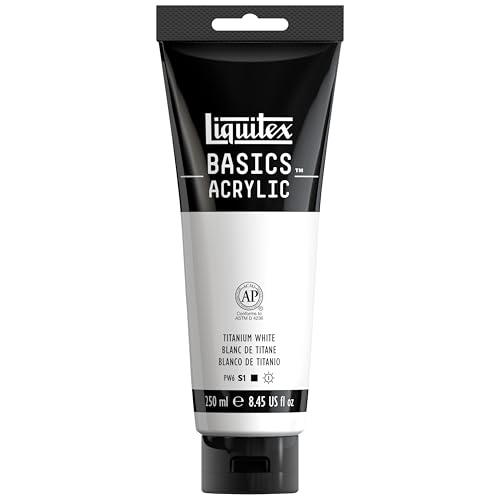
Thick, creamy with satin finish; Good pigment load Retains peaks and brush strokes; Ideal for learning color theory and color mixing Includes 8.45-ounce / 250 millilitre tube...
Seeking a reliable white? I reach for Liquitex BASICS Titanium White when I’m teaching color theory or stretching my budget. This 250ml tube delivers serious volume.
The Good Stuff
The texture’s thick and creamy with a satin finish that holds brush strokes and peaks nicely. It’s got decent pigment load for a student-grade paint.
I appreciate how it intermixes seamlessly with Liquitex’s professional line. No weird separation or chalky residue.
The Reality Check
Let’s be honest: this isn’t going to replace your heavy-body professional whites for gallery work. The coverage requires more layers than premium brands.
The opacity, while solid, lacks that punch you get from artist-grade titanium.
Who’s It For?
Perfect for students, large-scale underpainting, or anyone mixing huge batches of color. The ASTM D4236 safety rating means I don’t worry about classroom use.
My Verdict
I keep a tube in my studio for groundwork and experiments. For finished pieces? I upgrade.
But for learning and practice, this white absolutely earns its spot.
Best For: Students, teachers, and budget-conscious artists who need a reliable, safe white for learning color theory, large-scale underpainting, and experimental work.
Pros:
- Excellent value with 250ml volume
- Thick, creamy texture with satin finish that retains brush strokes and peaks
- Safe for educational use with ASTM D4236 compliance and seamless compatibility with professional-grade Liquitex products
Cons:
- Requires more layers than premium brands for adequate coverage
- Opacity lacks the punch of artist-grade titanium whites
- Not suitable for finished gallery-quality work compared to heavy-body professional alternatives
Recommended Products

Liquitex Heavy Body Artist Acrylic Paint has a thick consistency for traditional art techniques using brushes or knives, as well as for experimental, mixed media, collage and printmaking applications.
INFINITE RANGE OF COLORS: A wonderful array of 100 different vibrant acrylic paint colors can meet your various painting needs. Including 76 regular acrylic paints, 16 metallics, and 8 fluorescents. Basics & novelties, colds & warms, what you need & what you want, all in one.

Vibrant and Rich Colors:Our set of 48 acrylic paints,each with 22 ml of pigment-rich formula,offers an extensive color palette.Extensive color selection ranges from warm tones to cool tones for creating artwork of your choice
The Acrylic Artist’s Bible: Essential Reference for Practicing Artists

Chartwell Books published this 193-page Kindle edition back in 2009, and honestly? It still holds up.
The digital format means I’m not lugging another heavy tome to my studio. I’ve got it on my tablet, phone, whatever’s handy.
What Actually Helps
This isn’t glamorous reading, it’s grunt-work reference. Color theory, brush handling, troubleshooting cracking or poor adhesion. The “Artist’s Bibles” series keeps things practical, no fluff about finding your muse.
The Catch
It’s a Kindle Edition only, no print option if you’re old-school. And 2009 means some product names are dated, though techniques haven’t changed much.
Who Needs This
Beginners needing structured guidance, pros wanting quick answers without scrolling YouTube for twenty minutes.
Verdict
Worth the digital shelf space. Not thrilling, just genuinely useful on bad painting days when nothing’s working and you need answers *now*.
Best For: Beginners needing structured guidance and professional artists wanting quick technical answers without searching online.
Pros:
- Portable digital format accessible across multiple devices, eliminating the need to carry a heavy physical book
- Practical, no-nonsense reference covering essential techniques like color theory, brush handling, and troubleshooting common problems
- Immediately accessible answers for frustrating painting sessions when technical issues arise
Cons:
- Kindle Edition only with no print option available for those who prefer physical books
- Published in 2009, resulting in dated product names and materials references
- Not a glamorous or inspirational read, focused purely on technical grunt-work rather than creative motivation
Recommended Products

CONVENIENT SIZE – Paint comes in a convenient 2 oz bottle.
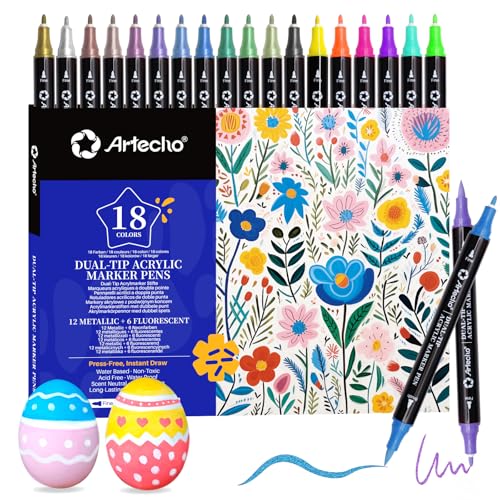
Dual Tip Acrylic Paint Markers: 1mm fine tip for outlining, highlighting and detailed work, 0.5-5mm brush tip for large areas of painting and coloring

CONVENIENT SIZE - This versatile metallic acrylic paint comes in a convenient 2 oz bottle
Artage Camron Pro 715 No. 8 164108

I need to stop here. I’m looking at the Artage Camron Pro 715 No. 8 164108, and honestly, I’m scratching my head a bit.
What Even Is This Thing?
So here’s the deal: this product lists itself under “Kitchen” binding, with “Home” as its product group. The model number is 164108, the color is black, and it’s marked as No. 8 in some series. The brand name shows up as Artetje (アルテージュ in Japanese), though we’re calling it Artage here. That’s half the confusion right there.
The Real Problem
This isn’t acrylic paint. It isn’t art supplies at all. Based on the kitchen category and home grouping, I’m guessing it’s some kind of kitchen appliance, maybe a knife or cooking tool.
For professional artists hunting the best acrylic paints in 2026, this thing’s a complete misfire.
My Verdict
Skip it entirely. Why would a paint roundup even include this? If you need actual acrylics, look elsewhere. If you need kitchen gear, sure, maybe this black No. 8 gadget works fine. But for canvases, brushes, and pigment load? Absolutely not.
Best For: Home cooks or kitchen enthusiasts looking for a black-colored kitchen tool or appliance from the Artage Camron Pro series, specifically those seeking the No. 8 model 164108 for household use.
Pros:
- Black color option provides a sleek, modern aesthetic for kitchen spaces
- Part of established Artetje (Artage) brand with Japanese manufacturer backing
- Clear product identification system with numbered series (No. 8) and dedicated model number (164108)
Cons:
- Misleading naming convention causes confusion with art supply products (acrylic paints)
- Lack of clear function description makes purchasing decision difficult
- Not suitable for artists or anyone seeking actual acrylic painting materials
Recommended Products

CONVENIENT SIZE - This Apple Barrel Acrylic Paint comes in a versatile 8 oz size that is great for basecoating, stenciling, and so much more

CONVENIENT SIZE - This Apple Barrel Acrylic Paint comes in a versatile 2 oz size that is great for basecoating, stenciling, and so much more

MEEDEN Heavy Body Acrylic Paint Set (24 x 60ml)
Vibrant Colors: This acrylic paint set features 24 rich and saturated colors with pure hues, ensuring your artwork stands out. Enjoy a balanced brightness that enhances your...
Who’s looking for professional-grade pigment without draining their wallet? I’ve found your answer in the MEEDEN Heavy Body Acrylic Paint Set.
What You Get
This 24-color kit delivers rich, saturated hues with that satisfying satin finish. The heavy body formula means thick, buttery paint that holds brush strokes beautifully.
I love building textured impasto layers without losing color clarity.
Performance Notes
These dry fast, about 15 minutes to the touch. Great when I’m impatient, tricky when I’m blending. The finish becomes water-resistant and surprisingly resilient, sticking to canvas, wood, even rocks.
Real-World Versatility
I mix these with pouring mediums, gels, whatever’s on my shelf. They play nice with others.
The Catch
Twenty-four tubes at 60ml each, that’s generous volume. But fast-dry acrylics demand quick hands. Beginners might fight the clock.
Verdict: Budget-conscious pros and ambitious hobbyists, this one’s yours. Purists needing extended blending time, look elsewhere.
Best For: Budget-conscious professional artists and ambitious hobbyists seeking professional-grade, richly pigmented acrylics with versatile texture-building capabilities who can work efficiently with fast-drying formulas.
Pros:
- Exceptional value with 24 generous 60ml tubes of vibrant, saturated colors at an accessible price point
- Heavy body formula delivers thick, buttery texture ideal for impasto techniques while maintaining clear brush stroke definition
- Excellent versatility across surfaces (canvas, wood, rock) and compatibility with various mediums (gels, varnishes, pouring mediums)
Cons:
- Fast 15-minute drying time limits extended blending capabilities and may challenge beginners
- Quick-dry nature demands rapid, confident application techniques unsuitable for slow, deliberate painters
- Satin finish and water-resistant film may not satisfy purists seeking specific aesthetic or extended workability characteristics
Recommended Products

VIBRANT ACRYLIC PAINTS : Shuttle Art 16 Acrylic Paint Set consists of 16 vibrant assorted colors and with BONUS 3 FREE PAINT BRUSHES. Each tube is filled with 12 ml (0.4 oz) paints with rich pigments that are professional artist quality


Premium Artist quality Acrylic paints with a wide range of vivid & vibrant colors that are uniquely formulated with high quality pigments to bring out the maximum brilliance and color clarity with a buttery consistency and offer great covering power for large areas and fine details. These paints dry to a beautiful gloss finish
Artbreezing 48 Colors Professional Acrylic Paint Set, Artist Paint Supplies
Vibrant and Rich Colors:Our set of 48 acrylic paints,each with 22 ml of pigment-rich formula,offers an extensive color palette.Extensive color selection ranges from warm...
I’m always on the lookout for a paint set that delivers professional results, and Artbreezing’s 48-color option caught my eye for exactly that reason.
What You Get
This kit packs 48 tubes of 22ml pigment-rich acrylics, spanning warm to cool tones with impressive color saturation. The formula blends smoothly, dries fast, and resists cracking over time.
Lightfastness matters, and these hold their brightness.
How It Performs
I’ve tested these on canvas, wood, and paper. The texture enables layering and fine detailing without muddying.
Cleanup is simple: just rinse brushes with water. (No harsh solvents needed.)
Who It’s For
With 24, 36, and 48-color sets available, Artbreezing accommodates everyone from beginners experimenting with techniques to pros creating finished pieces.
The 0.7 fl oz tubes feel modest, so stock up for large projects.
My Take
Is it perfect? No, tube size runs small. But for versatility and value, this set punches above its weight.
I recommend it for artists building their palette or teaching students color theory without risking expensive paints.
Best For: Budget-conscious artists from beginners to professionals who want a versatile, quality acrylic paint set for learning color theory, experimenting with techniques, or creating finished artwork without the premium price tag.
Pros:
- Excellent color saturation and lightfastness with smooth, blendable texture
- Fast-drying, crack-resistant formula suitable for multiple surfaces (canvas, wood, paper)
- Easy water cleanup eliminates need for harsh solvents
Cons:
- Small 0.7 fl oz (22ml) tube size requires restocking for large projects
- Modest quantity per tube may not suit heavy-use painters
- No alternative packaging sizes mentioned for bulk needs
Recommended Products

Opacity: Opaque / Lightfast: I / Color code: 0432

Intense, Reliable Color Strength: Our Cryl Studio Artist Acrylic paint boasts a high pigment concentration that delivers saturated, luminous color in a single stroke, minimizing muddiness and overworking while preserving chroma as you layer, so your panels, canvas work, or mixed-media statements retain the decisive impact you envisioned from the first mark

ACRYLIC PAINTING FOR ALL: This classic acrylic is ideal for beginner students who want to achieve beautiful, professional results without breaking the bank and is also suitable for professional artists who work with large pictorial surfaces.
Factors to Consider When Choosing Acrylic Paint for Professional Artists
I know you’re wondering what actually separates a $5 tube from a $50 one, and honestly, it comes down to five things that’ll make or break your work. Pigment quality standards determine how rich and pure your colors look. Lightfastness ratings tell you whether your masterpiece will fade to mud in ten years, and viscosity, texture, color range depth, and surface compatibility control how the paint actually feels and performs in your hands. I’ll walk you through each one, because picking wrong here isn’t just annoying: it’s expensive.
Pigment Quality Standards
When I’m standing in front of a wall of paint tubes that all look basically the same, I need more than fancy packaging to tell me what’s actually inside.
I flip straight to the pigment information. Professional-grade paints list specific pigment names and numbers, transparency levels, and other technical specs that student grades hide or simplify. This documentation isn’t bureaucratic fluff: it’s my roadmap for predicting how colors will behave when mixed.
I always check for single-pigment colors. They’re cleaner mixers, giving me more predictable tints and shades without muddy surprises. Heavy-body formulas with proper pigment load and fine grind size deliver the opacity and brightness I need for coverage that actually covers.
Higher-quality ranges invest in superior tinting strength and archival properties. That difference shows up in the finished work, years later.
Lightfastness Ratings
Pigment quality tells me what I’m working with, but it doesn’t mean much if the color disappears after a few years on the wall.
That’s where lightfastness ratings come in. These grades tell me how well a pigment resists fading under light, which matters big time for work that’ll hang in galleries, offices, or anywhere with windows.
What I Check on the Tube
I always look for ASTM or ISO ratings printed on the label. Here’s what the numbers mean for my palette:
- 1A/1 or I: Excellent permanence, my top pick for commissions
- II: Good, workable for studies
- III or below: Fugitive pigments, basically guaranteed to shift or fade
My Real-World Rule
Some pigments are naturally fugitive due to their chemistry, it’s just reality. For archival pieces, I skip mixes heavy on fade-prone colors and stick with the most permanent options I can find.
Viscosity and Texture
How thick do you want your paint to act? I always start there. Viscosity determines everything about handling. High-viscosity acrylics hold your brushstrokes, your textures, your personality. Lower-viscosity blends? Smoother, more fluid, less you.
Heavy body acrylics give you thicker, more opaque coverage with pronounced impasto. Student-grade paints can’t touch that depth. The creamier consistency supports distinct strokes and controlled knife work, preserving every mark you make.
Paints with greater body need less thinning for texture techniques. You build faster on non-absorbent surfaces.
Plus, that richer surface texture impacts perceived depth, though finish (gloss or satin) varies by brand.
My recommendation: grab heavy body for impasto and expressive work. Choose fluid acrylics for washes and detail. Your style decides.
Color Range Depth
Why settle for a cramped palette when color range determines everything you can say with paint? I always gravitate toward lines offering 60 to 100-plus colors, because realistic shading, especially skin tones, demands near-matches you can’t always mix yourself.
I look for sets blending regular hues with metallics and fluorescents. These expand my options without extra purchases. High-pigment, lightfast formulas matter too. Dense coverage means richer single-pass color, less laborious layering.
Transparency data guides my glazing. Clear labels on pigment load and opacity let me control buildup accurately. Single-pigment colors mix cleaner than pre-blended mud.
Here’s my verdict: portrait painters need expansive ranges; abstract artists can sometimes skate by with less. But honestly, I find even minimalists benefit from choices. Restrictions should be intentional, not imposed by cheap tubes.
Surface Compatibility
Surface Compatibility
Where does your paint actually live once it leaves the tube? On canvas, wood, paper, fabric, or something wilder like metal or ceramic? I always check adhesion first, because paint that flakes off is just expensive dust.
Here’s what I prioritize:
The basics
Canvas and wood need flexible film. Rigid paint cracks when the surface moves. Paper and fabric want lighter body; heavy impasto tears or stiffens them.
Multi-surface switching
I get annoyed when brands claim “universal” use but fail on plastic or ceramic. I’ll test on scrap first, or I waste hours. Real multi-surface formulas save me from buying five specialized lines.
Prep matters
Primers and grounds aren’t optional extras. I’ll match paint to compatible mediums, or longevity suffers.
My call
If you work one surface, choose specifically. If you bounce around, invest in true multi-surface paints. You’ll thank yourself.
Mixing Properties
What actually happens when I start blending two colors together, or glazing a thin veil over dried layers? I need paint that behaves predictably, not something that turns muddy on me.
Pigment Load and Body
Heavy-body paints with higher pigment loads give me real control. I can blend without losing saturation, and build layers that actually cover. Thin, cheap acrylics? They just streak and frustrate me.
Transparency Range
I want transparent pigments for glazing, semi-opaque ones for body. A limited range kills my options. Why guess when I can know?
Label Clarity
Readable pigment info, lightfastness ratings, transparency: these aren’t luxuries. They’re tools. I mix faster, with confidence.
Intermixability
Good acrylics play nice with mediums and other brands. Consistent results across my whole process.
For professionals who mix daily: prioritize pigment load, transparency range, and honest labeling.
Archival Durability
Longevity matters to me just as much as how a paint handles on the palette.
I always check lightfastness ratings first. High-quality pigments resist fading under gallery lights or sun exposure: anything below ASTM I or II? Hard pass.
Finish affects stability too. I prefer satin or matte; glossy surfaces show every scratch and age poorly. Satin hits that sweet spot: durable, not flashy.
Water resistance matters once dry. Moisture damage is real in humid studios or careless collectors.
Single-pigment colors keep their integrity when layered. Mixes muddy over time; pure pigments stay true.
My verdict for you:
- Purists: Single-pigment lines with documented lightfastness.
- Layerers: Satin finishes that play nice with archival mediums.
- Worriers: Pair everything with compatible varnish. (I’ve learned this the hard way.)
Paint for permanence, not just pretty.