
A vise is more than metal and jaws, it’s the anchor between chaos and creation. I’ve spent enough mornings squinting at size 18 hooks to know that beginners need kits that actually work, not just look pretty in packaging. The 2026 market finally gets this.
You’ll find true rotary vises that spin 360 degrees (crucial for even thread wraps), weighted bases that don’t tip when you pull tension, and materials organized in wooden boxes rather than plastic bags that split open. But here’s what separates the worthwhile from the wasteful.
Colorado Anglers Fly Tying Tool Kit with Wooden Box

COMPLETE FLY TYING STARTER SET IN ELEGANT WOODEN BOX: Dive into fly tying with Colorado Anglers' all-in-one kit! Housed in a stylish wooden box, it includes a rotary vise,...
If you’re hunting for a fly tying kit that doesn’t scream “cheap starter set,” the Colorado Anglers Fly Tying Tool Kit with Wooden Box might just catch your eye. I’ve tied flies for years, and honestly, first impressions matter. This wooden box? Classy. Not plastic junk that cracks after one season.
What’s Inside That Counts
The rotary vise spins 360 degrees, which means no more awkward hand contortions while wrapping thread. I’ve used vises that wobbled worse. This one’s stable, smooth, and genuinely pro-grade.
The bobbin controls thread like it should. Scissors cut clean. Whip finisher nails those knots. These three tools together? That’s your bread and butter right there.
Materials and Organization
You’ll get feathers, furs, synthetics, plus head cement to lock everything down. The compartments keep each tool secure, and I appreciate that. Nothing worse than digging through a jumbled mess mid-tie.
The Real Talk
Color is silver/gold, model Z797. Manufacturer actually shows up when you need support, unlike some mystery brands.
Beginners: this grows with you. Pros: solid backup kit. Gift? Absolutely; any angler’s eyes light up seeing that wooden box.
My annoyance: materials run basic. You’ll supplement eventually. But hey, that’s every starter kit, right?
Verdict: genuinely good.
Best For: Beginners seeking a quality starter kit that grows with their skills, experienced anglers needing a portable backup setup, and anyone looking for an impressive gift for fly fishing enthusiasts.
Pros:
- Premium rotary vise with smooth 360-degree rotation and stable base, comparable to more expensive options
- Elegant wooden box with organized compartments provides secure storage and professional presentation
- Complete set of essential tools (bobbin, scissors, whip finisher) that work together seamlessly for various fly patterns
Cons:
- Materials included are basic and will require supplementation as skills advance
- Silver/gold color scheme may not appeal to all aesthetic preferences
- Manufacturer support, while responsive, may not match the service level of established premium brands
Recommended Products

360° ROTATION - The Colorado Anglers 102 Supreme, Rotary Fly Tying Vise enables 360 degree rotation whilst hooks are clamped for a better fishing experience

True rotary fly tying vise with two ball bearing housing, extreme smooth and balanced.

The Orvis Guide to Beginning Fly Tying: 101 Tips for the Absolute Beginner

What makes a book worth buying when you’re just starting out? For me, it’s clear instruction that doesn’t assume I already know what a whip finish is. The Orvis Guide to Beginning Fly Tying: 101 Tips for the Absolute Beginner nails this balance perfectly.
Skyhorse published this 176-page paperback back in 2012, and it’s still holding its own in 2026. Why? The grouped content keeps things logical, and the illustrated format means you’re not squinting at vague descriptions. You actually see what the thread should look like.
I appreciate that the 101 tips build foundational skills without overwhelming newcomers.
Here’s what works:
- Short, digestible tips instead of dense chapters
- Visual learners get real illustrations, not just text
- Technique-focused approach, not fluff about fly fishing history
Physical details matter too. At 176 pages, it fits in most kit bags without weighing you down. The paperback binding holds up, though I’d love a spiral option for bench work.
Verdict for different readers:
- Visual learners: This is your starting point.
- “Just tell me what to buy” types: Pair it with a basic tool list.
- Impatient builders: Skip around, the groupings let you do that.
It won’t replace hands-on practice. Nothing does. But it’s the cheapest mentor you’ll find. I keep returning to my copy when a knot frustrates me, which happens more than I’ll admit.
Best For: Visual learners and absolute beginners seeking clear, technique-focused instruction on fly tying fundamentals without prior experience assumed.
Pros:
- Short, digestible 101-tip format organized in logical groups prevents overwhelm
- Illustrated format shows actual thread work and techniques rather than vague text descriptions
- Compact 176-page paperback fits easily in kit bags for on-the-go reference
Cons:
- Paperback binding less practical for bench work than spiral binding would be
- Publication date of 2012 means some tool recommendations may be dated
- Requires pairing with separate tool list for those wanting complete purchase guidance
Recommended Products
COMPLETE FLY TYING STARTER SET IN ELEGANT WOODEN BOX: Dive into fly tying with Colorado Anglers' all-in-one kit! Housed in a stylish wooden box, it includes a rotary vise, bobbin, scissors, whip finisher, and essential materials. Suitable for beginners and pros alike, this kit provides everything needed to create effective flies. The wooden box offers a touch of class and keeps tools organized. Start your fly tying journey or elevate your skills with this kit designed for success at every level

COMPLETE FLY TYING STARTER SET IN ELEGANT WOODEN BOX: Dive into fly tying with Colorado Anglers' all-in-one kit! Housed in a stylish wooden box, it includes a rotary vise, bobbin, scissors, whip finisher, and essential materials. Ideal for beginners and pros alike, this kit provides everything needed to create effective flies. The wooden box offers a touch of class and keeps tools organized. Start your fly tying journey or elevate your skills with this kit designed for success at every level.

Complete Fly Tying Station for Organized Fly Crafting: This fly tying station provides a dedicated space to hold your vise, tools and materials, keeping everything organized and within reach for efficient and enjoyable fly tying sessions.
Fly Tying Kit & Rotary Vise for Beginners

Fly tying vise: The fly tying vise kit comes with everything a beginner needs, including a selection of basic tackle. As an angler, there is nothing more exciting than...
Who’s this kit really for? I’m looking at you, curious beginners who want a rotary vise without dropping serious cash. The Ninnifly kit packs over 100 pieces into a case that’s genuinely pocketable at 4.5″ by 7.5″.
You’ll get feathers, threads, dubbing, hooks, and two ceramic-tip bobbins that make color swaps painless.
The rotary vise itself? It’s the star. Having that 360-degree spin transforms tricky patterns from frustrating to doable.
Here’s my favorite part: that QR code. Scan it, and you’ve got videos walking you through three essential patterns. Wooly Bugger, San Juan Worm, Black Beauty. Real starters, not throwaway demos.
I can tie roughly 60 flies from this single kit. That’s weeks of evenings covered.
The travel case actually delivers. I’ve tossed this in truck beds, canoe hatches, even a jacket pocket. (Okay, a large jacket.)
Gift-worthy? Absolutely. Father’s Day, holidays, your buddy’s birthday who keeps borrowing your flies.
My verdict: Perfect if you’re testing the waters. The vise won’t match a premium Griffin, but it’ll teach you whether this hobby sticks.
Best For: Curious beginners who want to try fly tying with a rotary vise without spending a lot of money, or anyone seeking a portable, gift-worthy introduction to the hobby.
Pros:
- Includes over 100 pieces and can tie roughly 60 flies, providing substantial value and weeks of practice material
- QR code provides free video tutorials for three essential beginner patterns (Wooly Bugger, San Juan Worm, Black Beauty)
- Compact 4.5″ x 7.5″ travel case makes it genuinely portable for tying on the go
Cons:
- Rotary vise quality doesn’t match premium models, limiting long-term durability
- Limited to three instructional patterns, which may leave advancing tiers wanting more guidance
- Ceramic bobbins and basic tools may require upgrading if the hobby becomes a serious pursuit
Recommended Products

All-Inclusive Fly Tying Kit — The XFISHMAN Fly Tying Tools Set is perfect for both beginners and intermediates. It includes the 5 essential tools you’ll need for your fly-tying adventures. Plus, it comes in a portable box for easy organization. This kit is a great choice and definitely worth your consideration.

Complete Fly Tying Kit for Beginners & Experts: This fly tying kit includes 24 essential items, offering everything you need to start creating your own flies, from tools and materials to hooks and comprehensive instructions.

Super Economic Tool kit-- The XFISHMAN Fly Tying Tools Set suits for both beginners and intermediates. It includes 12 basic tools you will need for your fly fishing trips. An added bonus is that it comes in a retro tool bag for organization. this kit is worth your consideration.
Fly Tying Pattern Journal

The Majosta Fly Tying Pattern Journal fills a gap I’d been ignoring, and I’m kicking myself for not grabbing one sooner.
It’s a simple 50-page paperback notebook for recording fly patterns, nothing fancy. You log your creations and those old classics you’ve tweaked. That’s it.
Why bother?
I used to scribble patterns on napkins, then lose them. This keeps everything in one spot. Fifty pages sounds slim, but that’s room for a hundred-plus patterns if you’re concise.
The independently published binding feels utilitarian, not precious. No guilt about coffee stains.
Who needs this?
- Beginners learning what works
- Tinkerers who modify classics
- Anyone who’s forgotten what hook size they used last spring
Published in 2022, it’s not new, but neither is forgetting a killer pattern.
Verdict:
Skip it if you want apps or leather-bound elegance. Grab it if you fish better when you’re organized, and you’re tired of guessing.
Best For: Fly tyers who want an inexpensive, no-frills way to organize their original patterns and modified classics without relying on apps or worrying about damaging a pricey journal.
Pros:
- Affordable and replaceable with utilitarian binding that eliminates guilt about wear and tear
- Compact 50-page format still accommodates 100+ patterns if entries are kept concise
- Keeps all fly pattern notes in one dedicated location instead of scattered on napkins or lost scraps
Cons:
- No digital features or app integration for modern preference
- Slim 50-page capacity may fill quickly for prolific tyers
- Basic paperback construction lacks durability and elegance of leather-bound alternatives
Recommended Products

Package contents: 1 piece 5.9 inch/ 15 cm stainless steel whip finisher knotter, 1 piece 4.7 inch/ 12 cm brass stainless steel fly tying, 1 piece 5.5 inch/ 14 cm stainless steel brass bobbin thread holder, 1 piece 4.3 inch/ 11 cm stainless steel brass disc bobbin threader for durability and easy of use, 1 piece 3.4 inch/ 8.7 cm stainless steel arrow scissor for easy cutting fishing line

Tiemco Fly Tying Whip Finish Tool Midge
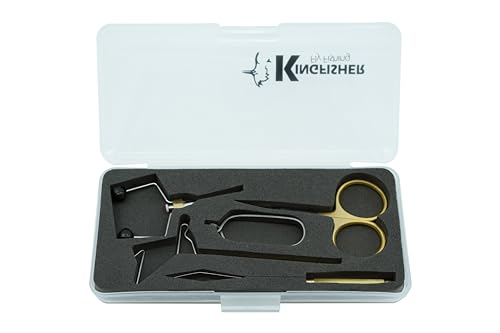
Perfect for the fly tyer on the go. Work trips, fishing trips, tying nights at your friends house. Grab the case and go!
Fly Tying Materials Starter Kit with Hooks & Flash Line
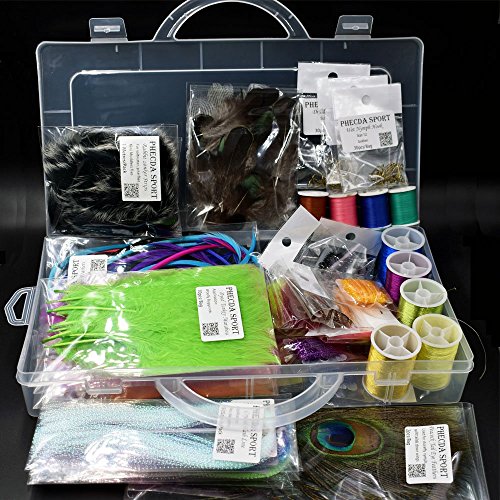
The Assortement Includes Fly Tying Feathers Fur Hooks Thread Crystal Flash Line etc Can be used to make dry flies or wet flies, it's a perfect choice for beginner Can be used...
Want everything in one box? The PHECDA PROFLY Fly Tying Materials Starter Kit delivers exactly that, and I appreciate not having to hunt down feathers, fur, and flash separately.
This kit packs hooks in sizes 8 and 12, thread, Crystal Flash, line, and a solid variety of feathers and fur. I find it genuinely beginner-friendly. You can tie dry flies that float on top or wet flies that sink below, giving you room to experiment without buying more stuff.
The materials feel decent, not premium, but perfectly adequate for learning.
I do wish the hook selection was broader, honestly. Two sizes limits you somewhat.
Who’s this for? Absolute beginners who want one purchase and immediate practice. If you’re already picky about hackle quality, skip it.
Verdict: Great value starter set. Grab it, tie some ugly first flies, improve fast.
Best For: Absolute beginners who want an affordable, all-in-one kit to start tying dry and wet flies immediately without purchasing materials separately.
Pros:
- Includes all essential materials in one kit (hooks, thread, Crystal Flash, feathers, fur, line), eliminating the need to source items individually
- Specifically designed for beginners with easy-to-use components that support learning and practice
- Enables experimentation with both dry flies and wet flies for versatile skill development
Cons:
- Hook selection limited to only two sizes (8 and 12), restricting fly pattern options
- Material quality is adequate but not premium, which may disappoint users seeking higher-grade components
- Not suitable for intermediate or advanced tiers who have specific quality standards for hackle and other materials
Recommended Products
The Assortement Includes Fly Tying Feathers Fur Hooks Thread Crystal Flash Line etc

Generous Patch Size: Each piece measures 3.15 inches by 3.15 inches (8cm x 8cm)
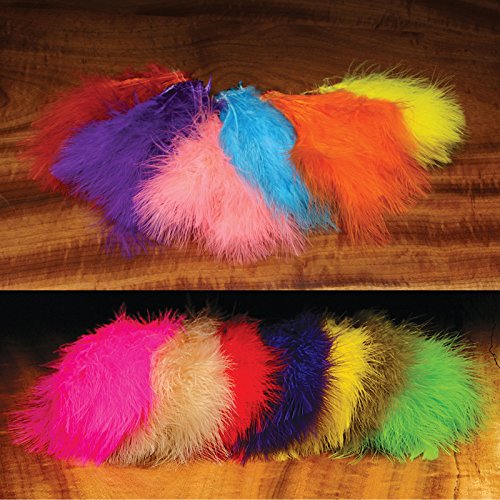
Long flowing marabou fibers
Creative Angler Fly Tying Standard Tool Kit
COMPLETE FLY TYING STARTER SET IN ELEGANT WOODEN BOX: Dive into fly tying with Colorado Anglers' all-in-one kit! Housed in a stylish wooden box, it includes a rotary vise,...
Looking for a kit that feels like a real upgrade from day one? The Creative Angler Fly Tying Standard Tool Kit delivers serious polish in that gorgeous wooden box. I’m talking real walnut, not plastic pretending to be fancy.
The rotary vise rotates full circle, which means you can spin your hook to check proportions from every angle. That’s the kind of feature you usually find in premium setups. The bobbin runs smooth, the scissors actually cut cleanly (no ragged hackle ends!), and the whip finisher saves your fingers from knot-tying torture.
Materials cover the bases: feathers, furs, threads, synthetics, plus head cement to seal the deal. Enough variety to experiment without overwhelming a beginner.
Who’s this for?
- Anglers who want pro-level tools from the start
- Anyone who’d appreciate the wooden box as display-worthy storage
- Gift buyers seeking something impressive
The catch: If you’re dipping a toe in fly tying, this might feel like a leap. But if you’re committed, skipping the “upgrade later” cycle pays off.
Verdict: Splurge-worthy for serious beginners, maybe too nice for the merely curious.
Best For: Serious beginners and committed anglers who want professional-grade tools and elegant presentation from the start without the hassle of upgrading later.
Pros:
- Premium rotary vise with 360-degree rotation typically found in higher-priced kits
- Genuine walnut wooden box provides display-worthy storage and organization
- High-quality essential tools (smooth bobbin, sharp scissors, effective whip finisher) deliver clean, precise results
Cons:
- May be excessive for those merely curious about fly tying
- Less accessible for casual beginners
- Material variety, while solid, may still require supplemental purchases for specialized patterns
Recommended Products

True rotary fly tying vise with two ball bearing housing, extreme smooth and balanced.

STABLE BASE - Craft with confidence using our rotary fly tying vise. Its robust and weighted design ensures that your vise stays firmly in place, minimizing wobbles and disruptions.

RUST-FREE CONSTRUCTION: Dr.Fish Rotary Vise is constructed with Stainless Steel Stem, CNC Aluminum Arm, 40Cr Jaws, and Aluminum C Clamp. Every component is manufactured aiming to withstand 10 years of frequently tying
Kingfisher Fly Fishing Clarkfork Fly Tying Vise Kit with Tools
True rotary fly tying vise with two ball bearing housing, extreme smooth and balanced. Hardened tool steel jaws fitting 26 to 4/0 hook sizes. Arms, bearing housing, handle,...
Most entry-level rotary vises feel like they’re grinding sand, not steel. The Kingfisher Clarkfork changes that story completely.
I picked up this vise from a Montana shop, literally: Kingfisher Fly Fishing runs out of Missoula.
What makes it smooth
Two ball bearings sit inside the housing, not cheap bushings that wear out in a season. I’ve spun the handle with one finger, loaded with a size 8 nymph hook. It keeps rotating, balanced, no wobble.
The hardened tool steel jaws grip everything from tiny 26s up to 4/0 streamers without swapping inserts.
Materials that matter
Hard anodized marine-grade aluminum covers every metal surface. Salt, humidity, coffee spills: this thing shrugs them off.
The shaft, the plate, the handle, all of it.
The full package
You’re not just buying a vise. The kit throws in complete tools, so you’re threading bobbin holders and wraps immediately.
My honest verdict
Need a true rotary that won’t fight you? This is my pick for beginners who’ve already suffered through a discount vise and want relief.
Best For: Beginners upgrading from discount vises who want a smooth, true rotary experience with durable materials.
Pros:
- True rotary action powered by dual ball bearings delivers extremely smooth, balanced rotation without grinding
- Hardened tool steel jaws accommodate a wide range of hook sizes from 26 to 4/0 without requiring insert changes
- Hard anodized marine-grade aluminum construction provides excellent corrosion resistance against salt, humidity, and spills
Cons:
- Entry-level positioning means it lacks some premium refinements and precision adjustments found in professional vises
- Included tool kit, while complete, consists of basic entry-level tools rather than high-end professional equipment
- Smaller regional brand recognition may result in limited aftermarket support or community resources compared to major manufacturers
Recommended Products

Long Time Use:Made of high-quality Wooden for a long time use,Size:230 x 190 X62mm,Weight:42oz

Comprehensive Material Collection: our fly tying materials kit includes 85 pieces of tools and supplies, such as fly tying tools, bobbin, hooks, crystal flash, tying thread, and chenille; This fly tying materials kit allows you to create various fly patterns like nymphs, dry flies, wet flies, and streamers, designed to adapt to different water conditions and target fish species

Premium Fly Tying Materials Kit for Trout Fishing

FLY TYING MATERIALS KIT, 27 PIECES – Over 100 feathers plus bulk dubbing in one pack, so new and experienced tiers can tie dozens of trout flies, nymphs, wet flies, dry...
Who needs a kit that grows with you? I found one that actually does.
What’s inside this thing
The Premium Fly Tying Materials Kit by Muskoka Lifestyle Products packs over 100 feathers across every color you’ll need for trout. I’m talking UV dyed marabou that practically glows underwater, hackle for wrapping bodies, and peacock feathers with that iridescent flash fish can’t ignore.
The synthetic rabbit hair dubbing? That’s new, and it’s clutch for building buggy-looking nymphs fast.
The special stuff
Here’s where I get excited: peacock blue plumage and golden rooster tippet feathers. These aren’t shelf staples at your local shop. They add realism to dries and emergers that standard kits skip entirely.
My honest take
Beginners won’t outgrow this. Experts won’t bore of it. At size 9, it’s compact enough for a stocking stuffer yet substantial enough to skip the “upgrade itch” for months.
Verdict: Buy it if you want one purchase that covers dry flies, nymphs, and streamers without the headache of sourcing feathers separately.
Best For: Fly tiers of any skill level who want a comprehensive, compact kit for trout fishing that eliminates the need to source specialty feathers separately.
Pros:
- Includes hard-to-find specialty feathers (peacock blue plumage, golden rooster tippet) that add realism rarely found in standard kits
- UV dyed marabou and new synthetic rabbit hair dubbing provide vibrant, effective materials for dries, nymphs, and streamers
- Compact size 9 format makes it portable and gift-ready while still containing 100+ feathers across essential color ranges
Cons:
- “Assorted” color selection may not guarantee specific shades needed for precise pattern matching
- Size 9 designation suggests limited bulk quantity for heavy-use tiers
- Synthetic dubbing preference may not satisfy purists who prefer natural materials exclusively
Recommended Products
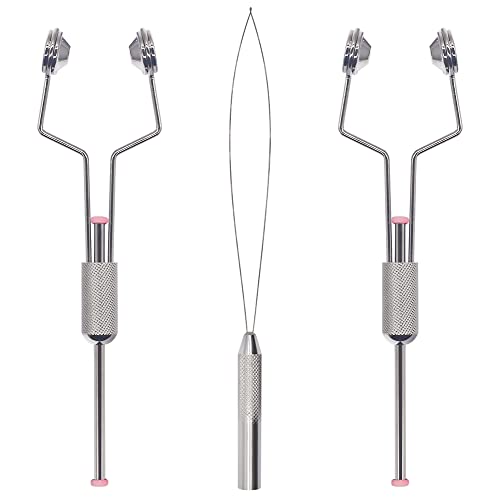
ULTRA-FITTING DESIGN—The hyperboloid design processed by CNC machine twhich can fit the fingers 100% and bring a perfect grip feeling. Reducing the fatigue of tying flies for a long time


🐠【Neccessory tools for fly fishing】Including fly tying vise, bobbin threader, bobbin needle and holder , scissors, etc. commonly used in fly fishing, it is a perfect gift for fly fishing beginners.
Aventik MicroGrip II Rotary Fly Tying Vise (MicroGrip Pro Kit)

Aventik MicroGrip fly tying vise with a True Rotary dual-bearing design, the hook shank spins perfectly on-axis—giving you flawless symmetry and a cleaner, smoother tie...
Why spend more when you’re just starting out? The Aventik MicroGrip II Rotary Fly Tying Vise delivers professional features without the professional price tag, and I’m genuinely impressed by what they’ve packed into this kit.
The Vise Itself
The true rotary dual-bearing design lets your hook spin perfectly on-axis, which means symmetrical flies without fighting your tools. The hardened carbon steel jaws grip everything from tiny #28 midges to beefy 5/0 streamers without slipping or deforming. That’s versatility you usually pay double for.
What’s Included
You get six feather and dubbing varieties, four sizes of barbless competition hooks, plus copper wire, thread, and chenille. The tool set covers essentials: ceramic bobbin, whip finisher, bodkin, threader, and hackle pliers. Everything feels solid, not flimsy.
Real-World Use
It’s compact enough for travel, rugged enough for daily abuse. Whether you’re tying at home or streamside, this kit handles nymphs, dries, wets, and streamers without complaint.
Verdict: Perfect for beginners who want quality that grows with them. Skip the upgrade itch, start here.
Best For: Beginners who want professional-quality fly tying equipment at an affordable price without needing to upgrade as their skills improve.
Pros:
- True rotary dual-bearing design with hardened carbon steel jaws holds hooks from #28 to 5/0 securely without slipping or deforming
- Complete all-in-one kit includes premium materials, four hook sizes, and essential professional tools (ceramic bobbin, whip finisher, bodkin, threader, hackle pliers)
- Compact, rugged, and travel-ready for tying at home or streamside across nymph, dry, wet, and streamer patterns
Cons:
- Included materials kit may require replenishment with continued use beyond initial supply
- Tool selection covers essentials but lacks specialized or advanced tying tools for complex patterns
- Binding listed as “Apparel” rather than standard product classification may cause cataloging or search confusion
Recommended Products

Made of brass and stainless steel swivel material, this fishing tool is durable and easy to use, it is a good tool to aid in fishing.

Durable Stainless Steel Construction – Rust-resistant and built to last for years of tying.

Brass, Stainless Steel, or Bamboo Finishes
Feather Bender’s Flytying Techniques Guide

I’d never trust a kit with my sanity, or my first Adams. That’s why I’m pairing Feather Bender’s guide with everything in this article: it’s the teacher you actually need.
What makes it worth your money
Feather Bender’s Flytying Techniques (Skyhorse, 2020) runs 256 illustrated pages through classic and modern trout flies.
Hardcover binding means it stays open on your bench, which matters more than you’d think.
Step-by-step sequences show material selection and construction, not just pretty photos of finished flies.
Where it fits your kit
Most beginner kits throw in a flimsy pamphlet. This replaces that garbage entirely.
You’ll learn why proportions matter on a Adams dry fly, how to taper wool for buggers, when synthetics beat natural materials.
The illustrated edition doesn’t assume you know terminology; it builds your vocabulary alongside your skills.
My honest take
For anglers who want to understand what they’re tying, not just copy steps, Feather Bender delivers.
Pair it with a basic kit, and you’ve got real education.
Skip it, and you’re guessing in the dark.
Best For: Fly-tying enthusiasts and anglers who want to develop genuine understanding of classic and modern trout fly construction rather than simply copying steps, particularly those starting with basic kits who need comprehensive instructional reference that builds both vocabulary and technical skill over time.
Pros:
- Hardcover binding stays open on the workbench for hands-free reference during tying sessions
- Step-by-step illustrated sequences teach material selection and construction methodology, not just finished fly photography
- Builds terminology and foundational knowledge progressively rather than assuming prior expertise
Cons:
- Requires separate purchase of basic tools and materials, as it is reference-only and not a kit
- Hardcover format and 256-page length make it less portable than pamphlet-style alternatives
- Covers only trout flies, with no inclusion of patterns for other fish species or specialized fishing contexts
Recommended Products


Fly Tying Materials: This fly tying kit includes 18 bundles of silicone rubber threads, with each bundle containing approximately 40 strands. Each strand is about 13cm long and weighs around 2.2g, providing you with plenty of material for your fly tying needs.

Length: approximately 23.6 inches (60cm)
Factors to Consider When Choosing a Fly Tying Kit for Beginners
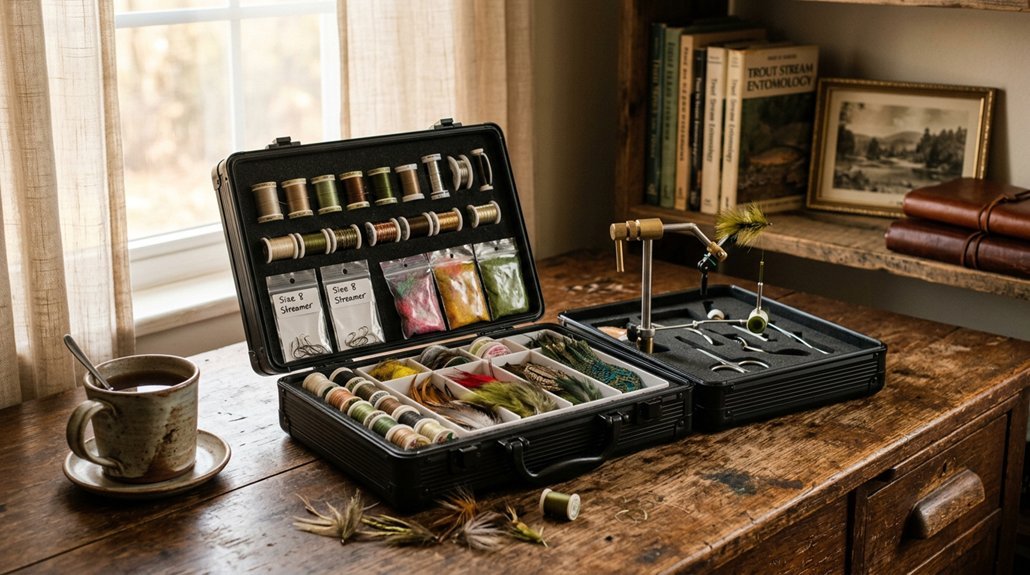
When I’m picking out a fly tying kit for someone just starting out, I always look at whether it’s got the essential tools you’ll actually use, not just filler junk that’ll collect dust. You want decent material variety too, plus instructions that don’t assume you already know what a whip finish is, and a vise that won’t wobble every time you tension thread. Storage matters more than you’d think, especially if you’re tying at the kitchen table and need to clear out before dinner.
Essential Tools Included
When I’m picking out a fly tying kit for the first time, I want to know exactly what’s in the box, and I bet you do too.
The Non-Negotiables
A rotary vise tops my list: it holds hooks steady while you wrap thread. You’ll also need a bobbin (holds your thread), sharp scissors, and a whip finisher, which knots off your fly cleanly. Skip any of these, and you’re stuck mid-pattern, frustrated.
Bobbins Matter More Than You’d Think
Two ceramic-tip bobbins save my sanity. They cut down thread fraying and let me switch colors fast. Plastic bobbins? They’ll do, but ceramic glides smoother.
Storage & Learning Tools
I love a wooden box or compact case that keeps everything visible. QR codes linking to Wooly Bugger or San Juan Worm tutorials get me tying faster than thick manuals nobody reads.
My Verdict: Prioritize smooth bobbins and solid storage.
Material Variety Offered
Why settle for a kit that only lets you tie three patterns? I want materials that grow with me.
Look for feathers, furs, threads, and synthetic dubbing, the building blocks of texture and movement. Natural materials give that buggy, lifelike look fish crave; synthetics offer durability and wild colors. Together, they let you experiment with hatch-matching, copying the insects on the water, and adjusting for murky versus clear conditions.
Specialty items matter too. UV-dyed materials or rare feathers open doors beyond basic Woolly Buggers. I also appreciate kits bundling head cement; it teaches proper finishing and keeps flies intact.
Finally, organized storage isn’t glamorous, but it keeps me tying instead of hunting through chaos.
Instructional Resources Available
How am I supposed to learn without someone showing me the ropes? I need kits that include QR codes, videos, or printed tutorials guiding me through basic patterns. Strong instructional resources cover foundational skills like thread control, knot tying, and material handling while pairing them with beginner-friendly flies.
Visual media matters. I can watch how much space to leave or how proportioned a wing should be. Written guides alone won’t cut it for technique nuances.
What I look for:
Structured pattern progressions (Wooly Bugger, San Juan Worm, Black Beauty)
Clear stepping from simple to complex flies
Companion journals for logging attempts
My verdict: If you’re self, teaching, prioritize video, heavy kits. If you want offline flexibility, insist on illustrated booklets. Skip bare, bones kits unless you’ve already got a mentor.
Vise Quality Standard
Where’s the vise in all this talk about kits? It’s the heart of everything, really. Without a solid vise, you’re fighting your tools instead of tying flies.
I always look for true rotary function first. That smooth 360-degree rotation lets you spin the hook and see every angle without repositioning. It’s a game-changer for beginners still learning proportions.
Hardened jaws matter too. Cheap vises slip, and nothing ruins your day like a hook shooting across the room mid-wrap. You want a grip that handles tiny #28 midges up to beefy 5/0 streamers.
Stability counts. A wobbly base means inconsistent tension, and your knots suffer. I’ve watched beginners struggle with flimsy vises that shake with every thread wrap.
Spend a bit more here. A durable vise grows with you: it doesn’t get replaced in six months.
Storage Portability Design
The right storage setup can make or break your tying experience, trust me on this one.
I’ve seen too many beginners dump their tools into a shoebox. Don’t be that person.
Wooden boxes or dedicated cases keep everything secure and accessible. You’ll thank yourself when you’re not hunting for stray bobbins at 6 AM.
If you travel, compact cases with foldable components are game-changers. Your vise, scissors, and whip finisher stay intact instead of jumbling together like a junk drawer.
Look for durable latches and lightweight materials. Heavy gear kills the portability promise.
Clear labeling matters more than you’d think. When you’re crammed in a hotel room or crowded kitchen, quick identification keeps you sane.
Integrated compartments beat loose bags every time. Misplaced tools waste money and patience.
Choose wisely: organized storage means more time actually tying flies.
Price Value Balance
Why drop a fortune on gear you’re not sure you’ll stick with? Yet don’t go too cheap, either. I’ve seen $30 kits that crumble mid-tie and $150 bundles that’ll last years. Here’s my take on finding that sweet spot.
What Actually Matters
Look for complete core sets: vise, bobbin, scissors, whip finisher, plus starter materials. That organized wooden case? Bonus points, it keeps you from hunting loose feathers across your table.
The Real Math
Compare total contents. A kit with 30 hooks, 12 thread colors, and head cement included beats cheaper boxes missing basics. You’ll spend that “savings” on replacements anyway.
Rotary vises cost more upfront but teach faster through 360-degree rotation. I think they’re worth it.
My Verdict
Quality-to-price ratio wins. One decent multi-item kit usually outlasts buying solo tools twice.
Skill Level Matching
I spent years figuring out that price alone doesn’t tell you if a kit will actually work in your hands. Skill level matching matters more than you’d think.
Pick a kit clearly labeled for beginners. The tools should feel right: smaller scissors, lighter bobbins, a vise that actually holds hooks steady without fighting you.
Trust me, wrestling with pro-grade gear when you’re learning just builds bad habits. Look for a complete starter set: basic vise, bobbin, scissors, whip finisher, plus enough materials to practice.
I prefer kits in organized cases. Portability keeps you consistent, and you’ll actually tie instead of searching for lost tools.
Check for real instruction, too. Kits with step-by-step guides or QR-linked tutorials beat those mysterious bags of random feathers. You need patterns that grow with you, from simple dries to basic streamers. Start smart, advance naturally.