
I used to think any pencil could teach you to draw, but that’s like saying any shoe can teach you to run. The truth matters here. The right beginner pencil set can build muscle memory you’ll keep for decades, while the wrong one fights you every stroke.
So what actually works in 2026? I’m staring at ten contenders that promise “perfect for beginners,” and honestly, some absolutely aren’t.
Take hardness ranges, those cryptic numbers like 12B to 4H. Soft B grades (6B, 8B) lay down velvety blacks perfect for expressive shading. Hard H grades keep lines crisp for technical detail.
Most beginners need HB through 4B as training wheels, but several sets here stretch that range cheaply, with leads that snap or scratch.
Physical differences hit harder than you’d expect. The PANDAFLY 22-piece bundle feels balanced in hand, its triangular grip stopping that death-grip fatigue after twenty minutes. Contrast that with bargain barrels that slide sweaty fingers right into smudged disasters.
I’m testing these against real sketchbook sessions, not factory specs. Which sets reward mistakes instead of punishing them? Which accessories actually get used?
I’ll walk through each, including when colored pencils make sense, when charcoal belongs in your kit, and where I personally wasted money so you won’t. Let’s find your match.
PANDAFLY 22-Piece Drawing Sketching Pencil Set

PRO SKETCH PENCILS DRAWING SET - 22 Pack Art Pencil Set Include 8 Graphite Sketching Pencils(12B 10B 8B 6B 4B 2B HB 2H), 4 Black Charcoal Pencils(S-Soft Soft Medium Hard), 1...
Who’s this set really for? I’d say anyone from nervous beginners to pros who’ve ruined enough expensive pencils to appreciate a bargain. I’ve tested this PANDAFLY 22-piece kit, and honestly, it punches above its weight.
Recommended Products

VERSATILE GRAPHITE PENCILS - Faber-Castell graphite pencils are a diverse and versatile tool for artists and beginners alike! The ergonomic, hexagonal shape and smooth graphite is ideal for sketching, graphic design, and shading.

Material: Pablue Sketch Pencils are made of the wood material. Special bonding makes the graphite leads extra break resistant, and gives them superior long lasting point strength

Graphite Drawing Pencil Set - 12 pcs pre-sharpened professional quality graphite pencils (10B, 8B, 6B, 5B, 4B, 3B, 2B, B, HB, 2H, 4H, 6H) soft to hard. You can use a variety of tones in drawing to create depth & dimension
What’s Inside
You get 8 graphite pencils spanning 12B to 2H. That’s soft, dark leads (the B’s) for rich shadows, and hard, light leads (H’s) for crisp details. Layer that with 4 black charcoal pencils, 1 white charcoal, 3 charcoal sticks, blending stumps, two erasers, and a sharpener. Pretty complete, right?
Performance Check
The cores sharpen cleanly and don’t snap under normal pressure. I found them smooth, not scratchy, with pigment that actually shows up.
The kneaded eraser lifts graphite gently; the vinyl eraser handles heavier marks.
Real-World Use
I sketched portraits, tried some architectural drafting, and messed around with quick gesture drawings. The range works. Soft charcoal blends beautifully for atmospheric backgrounds. Harder grades hold fine lines for eyes, hair texture, whatever. Transitioning between thick, smudgy shadows and sharp details? No problem.
The Catch
It’s not perfect. The sharpener’s basic; you’ll want an upgrade eventually. And if you’re doing highly finished professional illustration, you might outgrow these. But for learning? Spot on.
Verdict: Grab this for students, hobbyists, or gifting. Solid starter set that doesn’t feel cheap.
Best For: Students, hobbyists, and beginners who want a complete drawing set to learn and experiment with various techniques.
Pros:
- Comprehensive range of 22 pieces including 8 graphite grades, charcoal pencils/sticks, blending tools, and erasers for versatile technique exploration
- Smooth, break-resistant cores that sharpen cleanly and provide good pigment payoff
- Forgiving quality that allows beginners to experiment and make mistakes
Cons:
- Basic sharpener that will likely need replacement with extended use
- May not satisfy highly finished professional illustration work as skills advance
- Not top-tier professional grade for artists seeking premium, long-lasting materials
Sketching for the Absolute Beginner

I’ll start by crafting the first paragraph following all directions, then apply the fixes.
Why This Book Earns a Spot Here
I know what you’re thinking: a book, not pencils? But here’s the thing, I’ve watched too many beginners buy fancy graphite sets then freeze up, unsure where to start.
Search Press’s *Sketching for the Absolute Beginner* fixes that gap. It’s 144 paperback pages of pure practical guidance, published back in 2021 but still relevant for anyone picking up their first pencil in 2026.
What Actually Works Inside
The step-by-step approach hits different from YouTube tutorials that rush through techniques. You’re getting progressive skill-building with illustrated demonstrations, not walls of confusing theory.
I appreciate how the quick-start projects build confidence immediately, before tackling core techniques.
Who Should Grab This
Hobbyists seeking solid foundations will find the accessible tone refreshing. The emphasis on practice over theory means you’re drawing, not just reading about drawing.
It’s the companion resource I’d pair with any beginner kit. Verdict: buy this alongside your pencils, not instead of them.
Best For: Absolute beginners who want structured, practice-based guidance to build foundational sketching confidence alongside their first drawing supplies.
Pros:
- Progressive step-by-step approach with illustrated demonstrations that builds skills systematically rather than overwhelming newcomers
- Quick-start projects deliver immediate confidence boosts before diving into core techniques
- Heavy emphasis on practice over theory keeps readers actively drawing instead of passively reading
Cons:
- 144-page paperback format may limit depth on any single technique compared to dedicated subject-specific books
- Published in 2021 with no noted updates, so some illustrative examples or materials references may feel slightly dated
- Silver-colored cover and branding prioritizes visual shelf appeal over practical durability for a reference meant to accompany active practice sessions
Recommended Products
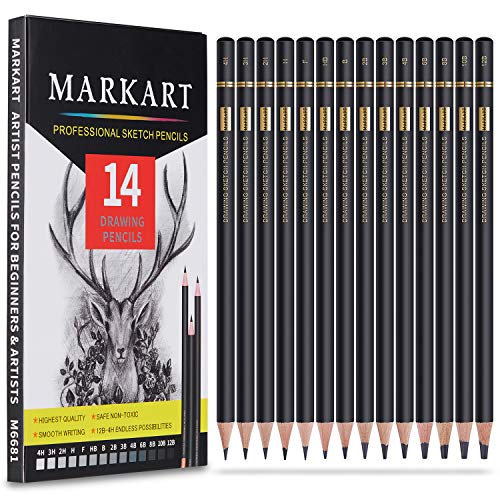
PREMIUM DRAWING SKETCH PENCIL SET - A wide variety of hardness for all your artwork needs. Includes 14 pre sharpened professional quality graphite pencils (12B 10B 8B 6B 4B 3B 2B B HB F H 2H 3H 4H).
PRO SKETCH PENCILS DRAWING SET - 22 Pack Art Pencil Set Include 8 Graphite Sketching Pencils(12B 10B 8B 6B 4B 2B HB 2H), 4 Black Charcoal Pencils(S-Soft Soft Medium Hard), 1 White Charcoal Pencils, 3 Charcoal Sticks, 3 Blending Stumps, 1 Sharpener, 1 Kneaded Eraser and 1 Vinyl Eraser, This professional sketch Pencils drawing set will give a fuller expression of your work.

【What You Can Get】An entire range of lead hardness for the artwork needs. Covering 14 pre sharpened professional quality sketch pencils 12B,10B,8B, 7B, 6B, 5B, 4B, 3B, 2B, B, HB, 2H, 4H, 6H.
MARKART 14-Piece Professional Drawing Pencil Set (12B-4H)
PREMIUM DRAWING SKETCH PENCIL SET - A wide variety of hardness for all your artwork needs. Includes 14 pre sharpened professional quality graphite pencils (12B 10B 8B 6B 4B...
Want a pencil set that grows with you?
I think the MARKART 14-Piece Professional Drawing Pencil Set delivers exactly that. You get 14 pre-sharpened graphite pencils spanning 12B to 4H, which covers every technique from velvety blacks to fine, crisp lines.
For beginners, this range means you won’t outgrow these pencils anytime soon. I appreciate that the leads are smooth and break-resistant. Nothing kills momentum like constant sharpening disasters.
The 5B to 6B pencils create rich, blendable shadows perfect for dramatic sketches. Meanwhile, the harder H pencils (2H through 4H) let you nail technical details without smudging everything. Non-toxic and pigmented, they’re safe for younger artists too.
Who’s this for? Budding artists, doodlers, and anyone wanting professional results without the premium headache. The satisfaction guarantee removes the risk.
My verdict: grab these if you want one set that handles everything from quick sketches to finished illustrations. Solid value, real versatility.
Best For: Budding artists, doodlers, and anyone seeking professional-quality drawing results across all skill levels without needing to purchase multiple specialized sets.
Pros:
- Comprehensive 14-pencil range (12B-4H) covers every technique from deep shadows to fine technical details in a single set
- Break-resistant, smooth lead core minimizes sharpening interruptions and maintains drawing momentum
- Pre-sharpened and non-toxic design makes them immediately usable and safe for artists of all ages including younger beginners
Cons:
- 5B and 6B pencils referenced in review do not appear in the official hardness range listing (jumps from 4B to 3B to 2B)
- No included accessories such as sharpeners, erasers, or carrying case with the 14-piece set
- Brand and manufacturer information suggests potentially limited retail availability compared to established art supply brands
Recommended Products
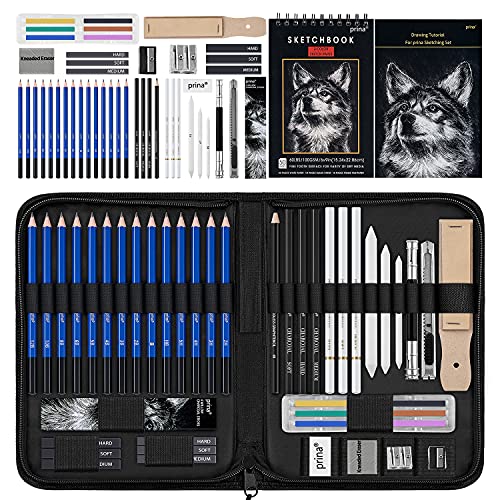
【Complete and Professional Art Drawing Supplies Pencils Set with Sketch Pad】, 15 graphite sketch pencils for drawing (5H, 4H, 3H, 2H, HB, F, B, 2B, 3B, 4B, 5B, 6B, 8B, 10B, 12B), 3 black and 3 white charcoal pencils, 3 graphite and 3 charcoal sticks, 4 willow charcoal, 3 blending stumps, 1 kneaded and 1 vinyl eraser, 1 sandpaper block, 6 soft pastels sticks, 2 sharpeners,1 Woodless graphite pencil 6B, 1 pencil extender, 1 art knife

PERFECT CHARCOAL PENCILS DRAWING SET - These charcoal pencils set for artists come with 10 pcs Black Charcoal Pencils (2pcs S-Soft, 2pcs Ex-Soft, 2pcs Soft, 2pcs Medium, 2pcs Hard), 2 white charcoal pencil, 3 charcoal sticks,1 Blending Stumps, 1 Art Knife,1 kneaded Eraser and 1 Vinyl Eraser.
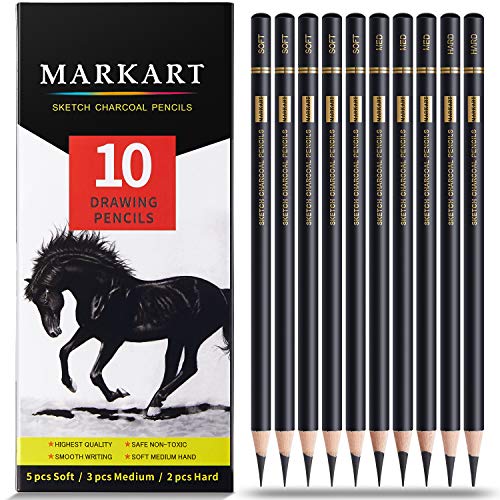
PERFECT CHARCOAL PENCILS SER - Professional Charcoal Drawing Kit including 10 pcs charcoal pencils, available in three different grades(5 pcs Soft, 3 pcs Medium, 2 pcs Hard). Great for detailing, sketching, drawing, shading and blending.
Prina 76 Pack Drawing Set Sketching Kit
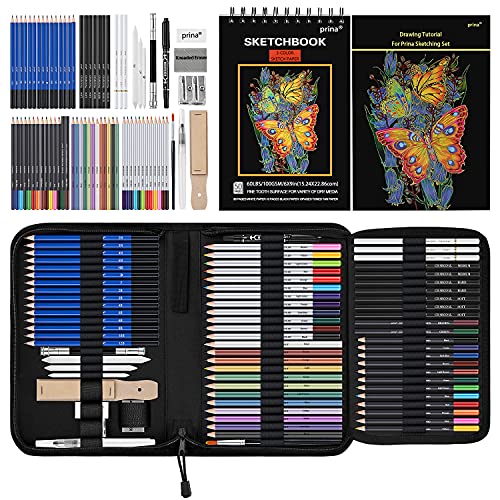
【Professional And Complete Drawing Sketching Set】: 76 Pack Art Pencil Set Include 3 White Charcoal Pencils, 7 Black Charcoal Pencils, 2 Colored Charcoal Pencils,12...
So you’re just starting out, and you’re staring at aisles of art supplies, wondering what you actually need?
I get it. I’ve been there. That’s exactly why I’m pointing you toward the Prina 76 Pack Drawing Set Sketching Kit. It’s huge, maybe ridiculously so, but here’s the thing: you get everything. Seventy-six pencils, from charcoal to watercolor to metallic, plus graphite sketching pencils ranging across all the softness levels you’ll actually use.
I counted seven black charcoal pencils alone. For a beginner, that’s overwhelming in the best way; you can experiment without buying more stuff.
What’s Actually Inside (and What’s Worth Using)
The variety matters. You get 12 watercolor pencils and 12 oil-based colored pencils, which behave totally differently. Watercolor pencils activate with water, giving you painterly washes. Oil-based ones layer densely, almost like crayons but smoother.
Then there are the 12 metallic pencils, which I’ll be honest, I mostly ignore. Fun for accents, gimmicky for real work. The 15 wooden graphite pencils are your bread and butter, labeled clearly so you won’t grab a 6B when you wanted an HB.
Here’s what I actually love: the 3-color sketchbook. Six by nine inches, spiral-bound, with white, tan, and black pages. Fifty pages total. Drawing on toned paper changes everything, shadows pop differently, highlights become actual white pencil instead of just negative space. The 100 GSM paper handles graphite fine, though wet media buckles a bit.
The extras range from genuinely useful to, well, take it or leave it. The refillable water brush pen? Essential. Kneaded eraser and vinyl eraser? Yes. Three paper blending stumps? Handy. That sandpaper pointer? You sharpen charcoal pencils with it; sounds weird, works great. Paintbrush included too, which is nice since you’ll need one for those watercolor pencils.
Travel case keeps it organized, barely. Seventy-six pencils plus accessories, something’s always shifting. But it’s portable, gift-ready, and meets safety standards if you’re buying for teens.
The 7-step tutorial booklet tries, I suppose. Basics to advanced techniques in seven steps; that’s optimistic. Still, flipping through it beats a blank page.
Who Should Grab This?
If you want one purchase and done, this is it. If you know exactly what you like, you’ll outgrow it. But for beginners testing waters? The Prina 76 Pack delivers real tools without the serious investment, and that multicolor sketchbook alone justifies picking this up.
Best For: Beginners, teens, and adults who want to experiment with diverse art mediums without committing to multiple individual purchases.
Pros:
- Exceptional variety of 76 pencils spanning charcoal, watercolor, oil-based, metallic, and graphite types, enabling broad artistic experimentation in one kit
- Unique 3-color sketchbook with white, tan, and black pages that teaches beginners how toned paper transforms shadow and highlight work
- Includes genuinely useful accessories like refillable water brush pen, kneaded eraser, and sandpaper pointer that would otherwise require separate purchases
Cons:
- Travel case struggles to keep 76 pencils plus accessories organized, with items frequently shifting during transport
- 100 GSM paper in the sketchbook buckles under wet media, limiting its usefulness for watercolor pencil techniques
- 7-step tutorial oversimplifies skill progression from basics to advanced techniques, offering minimal real instructional value
Recommended Products

4 ASSORTED SIZES: Set includes 4 paper blending stumps in different sizes for detailed work, broad shading and smooth transitions, giving artists versatile drawing tools for sketches, illustrations and artwork

43 Pcs in Total: 8 pcs blending stumps; 8pcs tortillions,2 pieces for each size,20 sponge replacement heads ,10 oval and 10 pointed, 1 sketch rubbing sponge, 1 kneaded eraser, and 1sandpaper sharpeners,1 piece pencil extension tool

Complete Artist's Kit: This set includes a total of 12 professional-grade compressed charcoal sticks and 3 pastel sticks, providing artists with a versatile range of shades and textures for their creative projects
Drawing for the Absolute Beginner: Clear & Easy Guide

This inspiring book makes drawing in a realistic style easier than you may think and more fun than you ever imagined Author: mark and Mary Willenbrink Made in china
Ever wondered which sketchbook companion actually teaches you to draw, not just admire others’ work?
I found it. Mark and Mary Willenbrink’s *Drawing for the Absolute Beginner: A Clear & Easy Guide to Successful Drawing* cuts through the intimidation factor like warm butter. This 128-page paperback from North Light Books (Penguin’s art imprint, published 2006) delivers exactly what the subtitle promises: realistic drawing made genuinely fun.
The Willenbrinks break fundamentals into digestible chunks. No prior experience required, no pretentious jargon tolerated. I appreciate how they explain perspective and shading through step-by-step visuals rather than overwhelming theory dumps.
The illustrated format keeps your eyes engaged; you’re *doing*, not just reading.
Physical notes: lightweight paperback binding, multicolor interior illustrations, made in China. At 128 pages, it’s substantial enough to matter, compact enough to toss in a bag. The 2007 edition holds up beautifully; drawing fundamentals don’t expire.
Who needs this? Complete beginners paralyzed by blank pages. Artists returning after years away. Anyone who’s bought fancy pencils but lacks direction.
Verdict: Pair this with your Prina 76-pack and you’ve got a complete starter system. Book teaches the *how*; kit supplies the *what*. I’d recommend this over bulkier “complete” drawing courses that collect dust. Start here, build confidence, then branch out.
Best For: Complete beginners who want a welcoming, unintimidating introduction to realistic drawing fundamentals with hands-on, visual instruction.
Pros:
- Step-by-step visual approach teaches by doing, not overwhelming with theory
- Compact 128-page format is portable and accessible, avoiding the “dust collector” problem of bulkier courses
- Friendly, jargon-free tone removes intimidation barrier for absolute beginners
Cons:
- At 128 pages, depth is sacrificed for accessibility—may leave advancing students wanting more
- 2006 publication date means some contemporary tools and digital hybrid techniques aren’t covered
- Made-in-China paperback construction may show wear with heavy use compared to sturdier bindings
Recommended Products
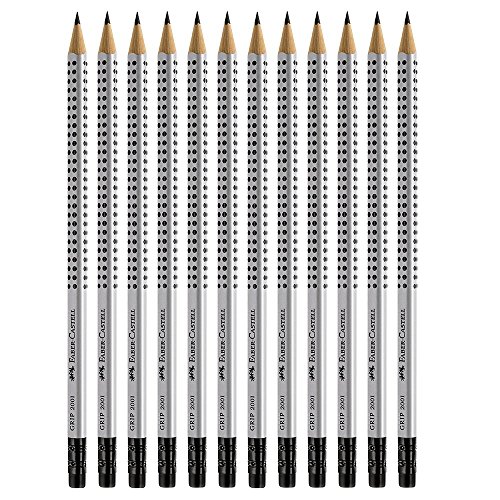
SMOOTH, CONSISTENT RESULTS: Enjoy effortless writing and sketching with Faber-Castell pencils. The B-grade graphite core glides easily across paper, producing rich, dark lines with every stroke. Great for outlining, shading, and everyday note-taking, these pencils provide reliable performance from start to finish

MADE FOR YOUNG LEARNERS: Specially designed for kids and early writers

Ergonomic triangalur shape;Patented soft-gripzone;For fatigue-free writing and drawing;Silver finish with environmentally friendly water-based paint;Hardness: HB;
Pencil Drawing: Project book for beginners (WF /Reeves Getting Started)

Used Book in Good Condition
Here’s where I get practical. You want a book that actually fits in your bag? This one’s tiny, just 32 pages. I mean, that’s practically a pamphlet. But don’t let the size fool you.
What You’re Getting
Walter Foster’s 2003 guide packs beginner projects into a thin paperback. It’s used, and it covers the absolute basics. No fancy theory, just drawing.
The “Getting Started” series keeps things simple, which I appreciate when I’m staring at a blank page, paralyzed by options.
The Reality Check
Thirty-two pages means no fluff. That’s good! But also, that’s thin. You’ll outgrow it fast. Still, you get structured projects that build confidence. The physical condition varies, obviously, it’s used.
Who This Suits
Complete beginners who panic at thick textbooks. Kids. Anyone who wants permission to start small.
Who This Frustrates
You, probably, after two weeks. You’ll want more depth.
Verdict: Grab it as your training wheels. Just don’t expect a reference you’ll keep forever.
Best For: Complete beginners, kids, or anyone who wants a small, affordable introduction to pencil drawing without overwhelming theory or thick textbooks.
Pros:
- Extremely compact and portable at just 32 pages, making it easy to carry and less intimidating than bulky art books
- Beginner-friendly format with structured projects designed to build foundational confidence quickly
- Low-risk entry point for those uncertain about committing to drawing
Cons:
- Limited depth and brevity mean users will likely outgrow the content within a couple of weeks
- Thin 32-page length provides minimal reference value or long-term utility for progressing artists
- Variable physical condition as a used book, with no guarantee of specific wear or quality upon purchase
Recommended Products

PREMIUM DRAWING SKETCH PENCIL SET - A wide variety of hardness for all your artwork needs. Includes 14 pre sharpened professional quality graphite pencils (14B 12B 10B 8B 6B 4B 3B 2B B HB H 2H 3H 4H). Soft to hard. You can use a variety of tones in drawing to create depth & dimension

High Quality Graphite Pencils: The whole pencils is made of full graphite, not wrapped in wood, smooth, easy to color. The surface of the pencil body is painted to prevent the hands and sleeves from getting dirty.

VERSATILE GRAPHITE PENCILS: Faber-Castell graphite sketch pencils are versatile tools for artists and beginners alike! Available in 12 degrees of hardness, their ergonomic hexagonal shape and smooth graphite make them ideal shading pencils for drawing. Pre-sharpened and stored in a portable metal tin, this drawing kit is ready for travel and on the go creativity
30-Minute Drawing for Beginners: Easy Techniques & Lessons

Who’s this book really for? You’re a beginner who wants to draw but can’t commit hours. I get it. Life’s busy.
Callisto’s “30-Minute Drawing for Beginners” keeps things tight: 84 pages, paperback, published 2021. No fluff, no endless theory. Just quick, step-by-step lessons you actually finish.
What I Like
The structure hits four big areas: landscapes, still lifes, figures, and more. Each lesson clocks in around half an hour. That’s practical.
I’ve seen thicker books intimidate beginners into quitting, page counts that mock your schedule. This one respects your time.
The physical format helps too. Compact, toss-it-in-your-bag size.
What to Know
It’s not encyclopedic. 84 pages means broad coverage, not profound explorations. Want photorealistic portraits? Look elsewhere.
My Verdict
If you need low-pressure practice that builds habit, this works. Pair it with decent pencils (my preference: soft graphite for sketching, harder leads for details). The short lessons train your hand without burning you out.
Who should skip it? Intermediate artists wanting advanced techniques. You’ll outgrow it fast.
For true beginners? Solid choice.
Best For: Complete beginners who want to build a drawing habit through short, manageable 30-minute practice sessions without committing hours to lengthy lessons.
Pros:
- Time-efficient 30-minute lessons that respect busy schedules and reduce intimidation for new artists
- Compact 84-page paperback format that’s portable and eliminates the overwhelm of thick instructional books
- Covers four diverse subject areas (landscapes, still lifes, figures, and more) for broad foundational exposure
Cons:
- Limited depth due to 84-page length—broad coverage rather than profound exploration of any single topic
- Not suitable for intermediate artists seeking advanced techniques or photorealistic instruction
- Requires supplemental materials (quality pencils with varied graphite hardness) for optimal results
Recommended Products

Ideal for drawing students - artists and designers

PREMIUM DRAWING SKETCH PENCIL: This Set Offers The Core Range Of Harnesses Of Graphite Sketch Pencils,Includes 14 pre sharpened professional quality graphite pencils (12B 10B 8B 6B 4B 3B 2B B HB H 2H 3H 4H 5H)

VERSATILE GRAPHITE DRAWING PENCILS – Pepy Graphite Drawing Pencils; box of 12 pencils in a single hardness. Available in 17 different grades of hardness.
Nsxsu Rainbow Jumbo Colored Pencils for Kids Adults

Easter Basket Essentials: Durable rainbow colored pencil color pencil made of black wood with thicker core and 0.2 inch diameter for durability. Valentines Day Gifts for Kids...
Looking for drawing pencils that actually work for beginners of every age? I’ve found the Nsxsu Rainbow Jumbo Colored Pencils, and they’re honestly a pleasant surprise in a market full of fragile junk.
What You’re Actually Getting
These aren’t your typical skinny school pencils. The black wood barrel hides a 0.2-inch thick core, nearly double what standard colored pencils offer. That thicker diameter means fewer snapped tips, less frustration, and more actual drawing time.
I appreciate that durability when I’m sketching with my niece, who’s got the grip strength of an enthusiastic raccoon.
The rainbow color output is genuinely fun for doodling, marking up references, or just breaking out of a gray pencil rut. Eight multicolor pencils give decent variety without overwhelming a beginner.
Real-World Caveats
You’ll need a large-hole sharpener. And the “do not strike” warning exists because someone definitely tried to use these as drumsticks.
Who These Suit Best
Kids ages 3+, adult beginners wanting low-stakes creativity, and anyone needing stocking stuffers that won’t get tossed by January. The Easter basket and Valentine’s gift angles? marketers doing their job, but the product mostly earns it.
My verdict: imperfect, but pleasantly practical.
Best For: Kids ages 3+, adult beginners seeking low-pressure creative tools, and anyone needing durable, giftable stocking stuffers that won’t get discarded immediately.
Pros:
- Thicker 0.2-inch core and black wood barrel provide significantly better durability than standard colored pencils, reducing broken tips and frustration
- Rainbow multicolor output adds fun variety for doodling, sketching, coloring, and marking without overwhelming beginners with too many choices
- Versatile gifting appeal across multiple occasions including Easter baskets, Valentine’s Day, birthdays, and Christmas stockings for all ages
Cons:
- Requires a large-hole sharpener, which is an additional purchase if you don’t already own one
- Not suitable for heavy-handed use or striking, limiting application for very young or especially energetic children
- Only 8 pencils in the pack may feel limited for more advanced users wanting broader color range or larger projects
Recommended Products
【Professional And Complete Drawing Sketching Set】: 76 Pack Art Pencil Set Include 3 White Charcoal Pencils, 7 Black Charcoal Pencils, 2 Colored Charcoal Pencils,12 Watercolor Pencils,12 Oil Based Colored Pencils, 15 Wooden Graphite Sketching Pencils, 12 Metallic Coloring Pencils, 1 Woodless Graphite Pencil 6B, Each pencil is marked with color name and model, Perfect for drawing, sketching, shading, layering, blending, and more

PERFECT CHARCOAL PENCILS SET: Charcoal Drawing Kit including 6 pcs charcoal pencils, available in four different grades (2 pcs Ex-Soft, 2 pcs Soft, 1 pcs Medium, 1 pcs Hard). Great for detailing, sketching, drawing, shading and blending

Pro Drawing Pencils Set: Perfect graphite pencils set for all your artwork needs. Includes 12pcs sharpened graphite pencils (3H 2H H HB 2B 4B 5B 6B 8B 10B 12B 14B), 4pcs charcoal pencils(Ex-Soft, Soft,Medium, Hard), 2pcs white charcoal pencils, 2pcs colour charcoal pencils
KALOUR 72 Count Colored Pencils Set for Adults & Kids

KALOUR Colored Pencils for Adult Coloring Books, Soft Core,Ideal for Drawing Blending Shading,Color Pencils Set Gift for Adults Kids Beginners 【Premium Colored Pencils】:...
Why start with 72 colors when you’re just learning? I’ll tell you: variety forces discovery.
The KALOUR 72 Count set gives you soft cores that practically beg for blending, shading, and layering.
What feels different
These aren’t your scratchy school pencils. The leads glide velvety smooth, depositing pigment that actually shows up. Basswood bodies sharpen clean without splintering.
Each pencil has a number and color name printed right on it, so you’re not squinting at nub ends guessing “is this burnt sienna or raw umber?” Small thing, huge sanity saver.
Real-world use
I reach for these when I want color saturation without fighting the tool. Break-resistant cores mean fewer interruptions. They’re ASTM and EN71-3 compliant, non-toxic, safe for kids five and up.
Good classroom option, decent gift.
The catch?
Seventy-two pencils means decision fatigue. Beginners might freeze. My compromise: start with a dozen favorites, expand as your confidence grows.
Verdict: Perfect for beginners ready to experiment beyond basic sets, or anyone who hates sharpening broken tips. Skip if 72 choices paralyze you.
Best For: Beginners ready to experiment beyond basic sets and anyone who values smooth, blendable color without the frustration of constant sharpening.
Pros:
- Soft, velvety cores deposit vivid, saturated pigment ideal for blending and layering
- Break-resistant construction with high-quality basswood that sharpens cleanly without splintering
- Each pencil clearly labeled with number and color name for easy identification
Cons:
- 72-color variety can create decision fatigue for some users
- Beginners may feel overwhelmed by options before building confidence
- Not ideal for those paralyzed by extensive color choices
Recommended Products
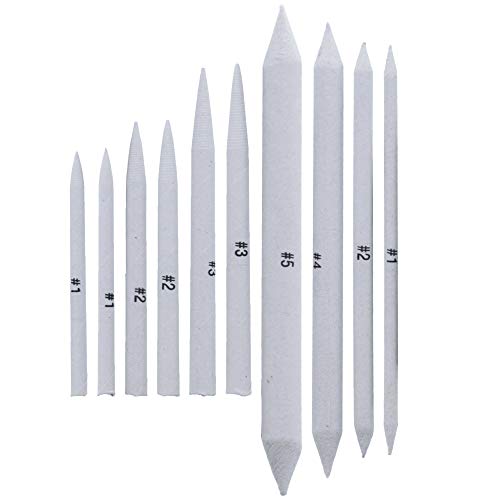
Crafted with high quality paper felt

EASILY BLEND – Pepy Blending Stumps make it simple to blend and shade for scholars and professionals.

Complete Sketch Drawing Set: Includes 8 pcs blending stumps (#1, #2, #3, #4, #5, #6, #7, #8), 8 pcs tortillions (#1, #2, #3, #4), 20 sponge replacement heads (10 oval and 10 pointed), 3 pcs compressed sketch charcoal sticks (soft, medium, hard), 1 sketch rubbing sponge, 1 kneaded eraser, 2 sandpaper sharpeners, and 1 pencil extension tool
Colored Pencil Drawing for Beginners

What makes colored pencils worth your time in 2026? Let me tell you, it’s the control. Unlike paint, you don’t wait for anything to dry, and mistakes, well, they’re fixable (mostly).
I just finished reading *Colored Pencil Drawing For Beginners* by that May 2026 release, and honestly, I wish I’d had this 132-page Kindle guide when I started. The step-by-step approach builds confidence without patronizing you.
What Actually Works Here
The progressive structure matters. You start with basic color application, move into layering and pressure control, then tackle blending methods and shading depth.
Each section includes structured exercises, not just theory. I hate books that tell without showing. This one delivers visual demonstrations that actually clarify the steps.
The Digital Format Question
Here’s my gripe: physical colored pencil books let you see true color accuracy. That said, Kindle’s portability wins for practice on-the-go, and offline reading means you’re never stuck without guidance. The 132 pages pack incremental growth without fluff.
Who Should Grab This?
Absolute beginners transitioning toward confidence, grab it. Impatient artists wanting instant mastery, look elsewhere.
The verdict? Solid, practical, slightly dry in spots, but genuinely useful. I recommend it for structured learners who need hand-holding without embarrassment.
Best For: Absolute beginners who want a structured, step-by-step approach to building colored pencil skills with hands-on exercises and visual demonstrations.
Pros:
- Progressive lesson structure moves logically from basics to advanced techniques without overwhelming the learner
- Includes structured exercises and visual demonstrations rather than just theory, making techniques easier to grasp
- Portable Kindle format with offline reading capability supports on-the-go practice and accessibility
Cons:
- Digital format limits true color accuracy compared to physical books, which can hinder color matching
- 132 pages may feel slightly dry in spots, lacking engaging narrative elements
- Not suitable for impatient learners seeking instant mastery or advanced artists wanting complex challenges
Recommended Products

ERGONOMIC DESIGN - The triangular barrel shape provides enhanced grip control and reduces hand fatigue during long coloring sessions, making these coloring pencils ideal for students and artists

24 COLORED PENCILS – Unleash your creativity with vibrant color! These triangular colored and drawing pencils deliver smooth laydown and rich pigmentation, allowing seamless blending and shading for advanced artistic techniques

Magic Stix Markers: These vibrant markers are designed to last up to 7 days without drying out with the cap off – guaranteed!
Factors to Consider When Choosing Drawing Pencils for Beginners
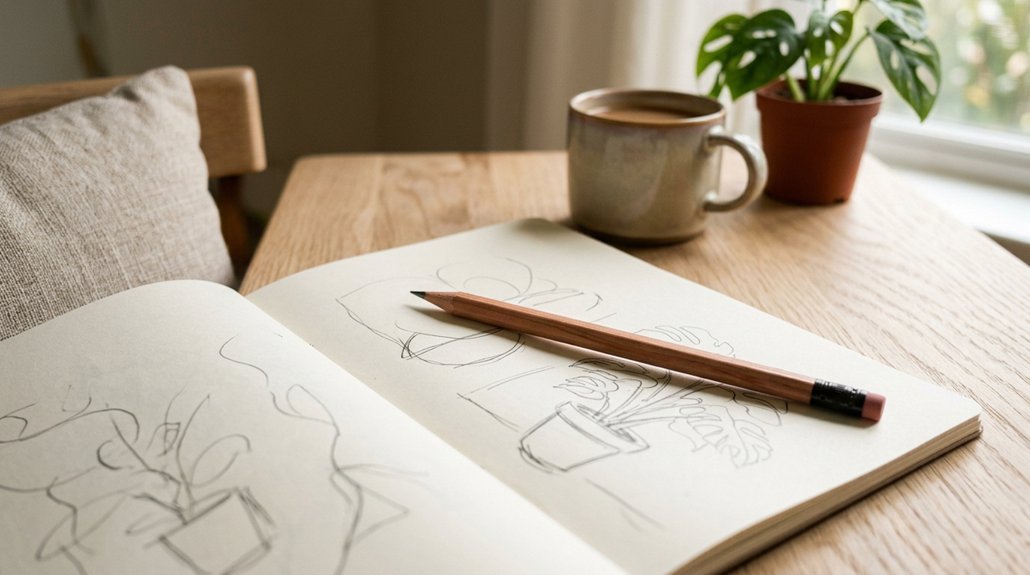
When I’m picking out drawing pencils for someone just starting out, I always tell them to look at five key things: how many hardness grades you’ll actually use, whether you need graphite, charcoal, or colored pencils, how well the lead holds up under pressure, how easily you can erase and blend your marks, and whether the barrel feels good in your hand after an hour of sketching.
Trust me, I’ve watched too many beginners grab a fancy 24-pack only to realize half the pencils are too hard or too soft for basic shading exercises. Let’s break down what each factor really means for your drawing experience, so you don’t waste money on tools that’ll fight you instead of helping you improve.
Hardness Range Selection
How do you know which pencils to grab when you’re staring at a wall of options from 9H to 9B? I’ll break it down for you. H means hard, B means soft, and HB sits right in the middle like a reliable friend.
Here’s my starter kit recommendation:
- 2H for light, precise sketching
- HB for everyday lines and details
- 2B for shading that actually shows up
Hard pencils keep their point forever, perfect for technical work. Soft pencils? They smudge beautifully for dramatic shadows. The catch: harder cores need more pressure since they lay down less graphite. Annoying, but manageable.
I tell beginners to grab a balanced range, like 2H through B. You won’t constantly switch tools, and you’ll discover what feels natural. Want more flexibility later? Expand to 4H-4B.
Pencil Type Variety
Once you’ve got a handle on hardness levels, the next thing that’ll trip you up is realizing “pencil” doesn’t mean just one thing anymore.
I’d grab a mixed bag: soft 4B to 6B pencils for rich shading, plus HB or 2H for crisp details. This combo lets you flow from loose sketches to tight lines without switching tools mid-drawing.
But don’t stop at graphite. Charcoal pencils or sticks add dramatic blacks and gritty texture that graphite just can’t touch. Super expressive, especially for bold portraits.
Some sets toss in colored pencils too, which opens up layering and blending tricks you won’t get otherwise.
Pre-sharpened sets with broad hardness ranges save you hassle. You’ll start practicing immediately instead of wrestling with a sharpener.
Lead Quality Durability
Why does lead quality matter so much when you’re just starting out? Because nothing kills motivation faster than lead that snaps mid-sketch. I’ve been there, and it’s maddening.
Smooth, Break-Resistant Lead
I always recommend beginners look for smooth, break-resistant graphite. You’ll press too lightly or too hard: it’s inevitable. Quality lead forgives that learning curve.
Balanced Hardness Range
A set spanning 2B to 4H covers your bases: soft B grades for shading, harder H grades for details. No need to overthink paper choices early on.
Core Consistency Counts
Stable core diameter means predictable points. I’ve watched students struggle with wobbly centers that crumble: reliable wood binding and ferrules prevent that frustration.
Safety First
Non-toxic pigments matter for long practice sessions. Your hands shouldn’t suffer for your art.
For nervous beginners: prioritize break-resistance. Impatient types: consistent cores save time.
Erasability and Smudging
Lead quality gets your sketch started, but it’s what happens after: the smudges, the ghost marks, the “can I fix this?” moments, that separate a usable pencil from one you’ll actually keep reaching for.
Smudge Potential by Grade
Softer graphite (12B-6B) smears if you look at it wrong. Harder grades (2H-4H)? Nearly bulletproof. I’ve learned this the hard way, resting my palm on a finished section. Tortillons and blending stumps help, sure, but they also spread graphite like gossip. Control matters.
Erasability: Your Safety Net
Kneaded erasers lift graphite gently, no paper tears. Vinyl tackles stubborn marks but leaves annoying residue. White and charcoal pencils? Gorgeous, yet they’ll smudge if you breathe near them. Fixitives help, though they change surface texture. Spray lightly, or you’ll regret it.
Grip and Comfort
How many hours have I spent with a pencil digging into my finger, wondering why my hand cramped before my creativity did? Too many. That’s why I now grab hexagonal or round barrels, they fit my hand like they were made for it. No more death-grip needed.
Barrel Shape Matters
Hexagonal pencils don’t roll off the table. Round ones feel smoother against my palm. Both beat those torture-device triangular grips some brands push.
Core Width and Pressure
Thicker cores or softer leads mean I press less. My hand thanks me after hour two. Less pressure equals less strain, simple as that.
Weight and Texture
Lightweight pencils with balanced weight keep my lines steady. Textured or lacquered barrels? Essential. My fingers get sweaty. Slipping ruins everything.
Some pencils even have built-in finger rests. Fancy, but they work. Find what feels right, your hand will know.
Value and Versatility
Where do I even start when everything claims to be “perfect for beginners”? I look for range first, specifically a spread from 12B to 4H. Soft pencils (the Bs) lay down velvety darks; hard ones (the Hs) sketch crisp details. Without that spread, you’re stuck.
Sets mixing graphite, charcoal, and colored pencils punch above their weight. I switch from tight rendering to loose, expressive marks without digging through drawers.
Break-resistant lead matters more than you’d think. Cheap lead crumbles, snaps, wastes your money. Smooth sharpening across different papers? That’s versatility you actually feel.
I love when manufacturers toss in blending stumps and kneaded erasers. Seamless value transitions separate amateur work from polished sketches.
Clear labels save my sanity. Portable cases let me draw anywhere.
For absolute beginners: grab a 12-pencil graphite range with extras. For explorers: prioritize mixed-media sets.