
I spent three hours last weekend trying to blend a sunset with cheap pencils, and let me tell you, it looked like a traffic cone had a bad day. That’s when I knew I needed to talk about what actually works.
The Prismacolor Premier line dominates every artist’s wishlist for a reason: their soft cores melt together like butter, but they snap if you press too hard. Meanwhile, KALOUR’s 72-count set gives beginners serious bang without the bankruptcy. Ready to find your perfect match?
KALOUR 72 Count Colored Pencils for Adult Coloring

KALOUR Colored Pencils for Adult Coloring Books, Soft Core,Ideal for Drawing Blending Shading,Color Pencils Set Gift for Adults Kids Beginners 【Premium Colored Pencils】:...
If I’m being honest, I’m always a little skeptical of 72-pencil sets that cost less than a nice dinner. But KALOUR surprised me. Their soft cores actually blend, the colors pop, and the basswood bodies sharpen clean without splintering.
Each pencil has a number and name printed right on it, so I don’t waste time guessing.
Here’s what you’re getting: 72 colors, break-resistant leads, and none of that waxy cheap-pencil feel. The ASTM safety rating means I’d hand these to my niece without worry. They’re labeled “for adults,” but honestly, beginners and kids do fine with them too.
The downsides? Don’t expect lightfast archival quality. These aren’t museum pieces, they’re workhorses.
Verdict: Perfect for coloring book addicts, classroom budgets, or anyone testing whether they’re serious about this hobby before dropping serious cash.
Best For: Budget-conscious coloring enthusiasts, beginners testing the hobby, and classroom or family settings where blendable, safe, and easy-to-use colored pencils are needed without premium investment.
Pros:
- Soft cores blend smoothly and produce vivid colors without a waxy cheap-pencil feel
- Basswood bodies sharpen cleanly without splintering, with numbered and named pencils for easy identification
- ASTM D-4236 and EN71-3 compliant, making them safe for ages 5 and up
Cons:
- Not lightfast or archival quality, so artwork won’t be museum-grade
- 72-color range may still lack some specialized shades for advanced artists
- Performance ceiling limits serious hobbyists who may eventually need to upgrade
Recommended Products
KALOUR Colored Pencils for Adult Coloring Books, Soft Core,Ideal for Drawing Blending Shading,Color Pencils Set Gift for Adults Kids Beginners

Enhance Art with Our Comprehensive Colored Pencil Set: Dive into a world of color and creativity with our specially designed colored pencil collection. Perfect for artists at every level, these coloring pencils allow for intricate blending, layering, and creating dramatic effects with unparalleled ease. As an essential tool in any art colored pencils set, these artist pencils are crafted to enhance the work of those who love drawing pencils for sketching, providing a rich palette for endeavors.

VIBRANT 72-COLORED PENCILS SET: Unleash your creativity with our premium color pencil set of 72 richly pigmented colored pencils, carefully curated to provide an extensive range of shades for every artistic need. Whether you're blending, shading, or adding intricate details, these fade-resistant hues ensure smooth and consistent color application
Soucolor 72-Color Colored Pencils for Adult Coloring Books

Looking for vibrant colored pencils that blend smoothly? Our 72 pre-sharpened pencils with soft, break-resistant cores deliver rich pigments and seamless blending. Each...
I reach for these Soucolor pencils when I want variety without the premium price tag. Seventy-two colors, soft break-resistant cores, and silky-smooth leads that actually blend without that waxy buildup that ruins everything.
What Works
The saturated pigments deliver consistent color, and each pencil comes numbered and named. No guessing games.
The premium wood sharpens cleanly, and the ergonomic design keeps my hand comfortable through long sessions.
Real-World Performance
I use these for adult coloring books, sketching, and layering gradients. The lightfast formula means colors stay put. They’re non-toxic and odorless, so I don’t get headaches in small spaces.
Who They’re For
Beginners building their first serious set. Teachers stocking classrooms. Anyone who wants reliable performance without overthinking it.
The verdict? Solid workhorses. Not fancy, but they get the job done every time.
Best For: Beginners building their first serious colored pencil set, teachers stocking classrooms, and budget-conscious artists who want reliable performance without premium pricing.
Pros:
- 72 vibrant, numbered and named colors with saturated pigments that blend seamlessly without waxy buildup
- Soft, break-resistant cores in premium wood that sharpen cleanly and hold up through extended use
- Non-toxic, odorless, and lightfast formula safe for small spaces with lasting color retention
Cons:
- No artist-grade or professional-level pigment concentration for advanced techniques
- Limited information on individual pencil replacement availability
- Ergonomic design may not suit all hand sizes or grip preferences over very long sessions
Recommended Products

Brilliant colors Apply smoothly, evenly and blend easily for subtle shades, tints and color mixtures

Mistakes Are Easy to Erase: Each of our colored drawing pencils in this set has its own eraser, making it simple to erase and start again.
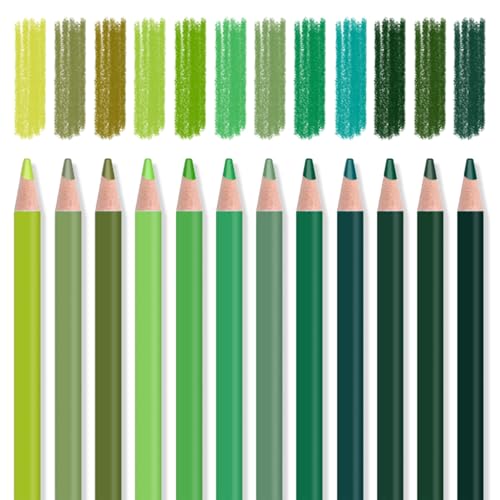
12 Color Pencil Set: These art pencils are vibrant colored pencils, which are suitable for coloring books & professional art projects with limitless creative freedom
Prismacolor Premier Colored Pencils, 24 Count

SOFT THICK CORES: Perfect for shading and creating shadows SMOOTH LAYDOWN: Ultra-smooth, even color for consistent drawing BRILLIANT PIGMENTS: Lightfast, richly saturated...
Who needs a massive set when you’re starting out?
I’ve grabbed Prismacolor’s 24-count tin more times than I can count. The soft, thick cores glide like butter, letting me build shadows without scratching up the paper. That smooth laydown? It’s the real deal, pigment-dense and consistent from first stroke to last.
The leads hold up. I’m talking adult-coloring-book sessions, heavy pressure, zero crumbling. Lightfast means colors won’t fade on your wall, which matters if you’re actually hanging your work.
Twenty-four shades sounds slim, but look closer: you’ve got warm and cool reds, multiple greens, that gorgeous Parma Violet. It’s curated, not cramped. The tin travels clean; toss it in a bag, done.
But let’s be honest; 24 colors limits complex blending. You won’t mix a sunset with six oranges.
Verdict: Beginners, casual colorists, anyone testing the Prismacolor waters, this is your gateway. Serious illustrators will outgrow it fast. Me? I keep one for travel.
Best For: Beginners, casual colorists, and anyone testing the Prismacolor waters who wants a portable, curated set for adult coloring, drawing, and sketching without committing to a larger investment.
Pros:
- Soft, thick cores deliver ultra-smooth, pigment-dense laydown ideal for building shadows and consistent color application
- Durable leads resist cracking and chipping even under heavy pressure during extended coloring sessions
- Convenient tin case offers excellent portability and clean storage for travel or on-the-go use
Cons:
- 24-color limit restricts complex blending and makes creating nuanced gradients (like sunsets) difficult
- Curated selection may feel cramped for serious illustrators who need extensive color range
- Users will likely outgrow the set quickly as their skills or project complexity advance
Recommended Products
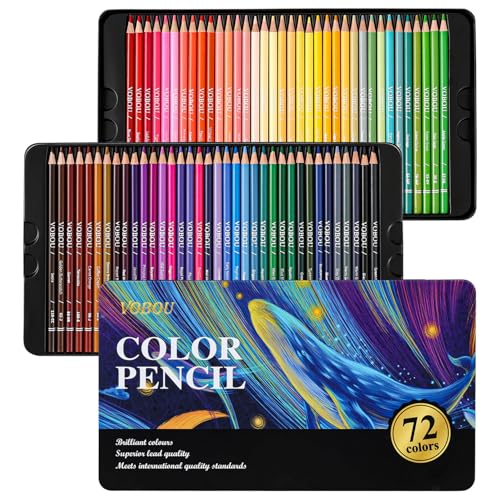
Unique Design:You get 72 pencils that span the entire color spectrum. Each pencil is labeled numbered for easy color identification. They have a consecutive number and a color name, alongside, is a code for the undertone color. This makes matching pencils for seamless blending as simple as reading the number on the pencil

12 Wooden Coloring Pencils in Box

COLORED PENCILS SET - This set contains 72 premium colored pencils with 1 garden flowers coloring book, 1 pencil sharpener, 1 vinyl eraser. Includes a portable storage case with elastic slots to keep pencils organized and protected. Go explore your creativity with a wide variety of colors!
Prismacolor Scholar Colored Pencils, 24 Count

High-quality art pencils designed for beginning artists and crafters Soft, smooth leads for superior blending and shading Hardened cores resist breakage Rich, vibrantly...
Prismacolor Scholar pencils hit that sweet spot for beginners. I grabbed the 24-count set when I started teaching my niece to draw, and honestly, they’re impressive for the price.
What You Get
Twenty-four colors cover your basics: multiple blues, greens, and reds, plus that handy Pale Cold Grey for shading. The leads feel soft and creamy, so blending actually works without fighting the paper.
Hardened cores mean fewer frustrating snaps when you press too hard (we’ve all done it).
Real-World Performance
The pigment pops more than student-grade competitors. Scarlet Red and Crimson Lake layer beautifully. That said, these aren’t Premier pencils. The color range is smaller, and the wax bloom builds faster if you’re heavy-handed.
Who Should Buy?
Perfect for beginners, casual crafters, or anyone testing whether colored pencils stick as a hobby. Serious artists will outgrow them. But for learning techniques without crying over broken expensive leads? These deliver.
Best For: Beginners, casual crafters, and anyone exploring colored pencils as a hobby who wants quality performance without the premium price.
Pros:
- Soft, creamy leads blend smoothly and resist breakage better than typical student-grade pencils
- Rich, vibrant pigmentation outperforms competitors in the same price tier
- Hardened cores forgive heavy-handed pressure, making them ideal for learners
Cons:
- Smaller 24-color range limits advanced work compared to professional sets
- Wax bloom builds faster than premium lines, especially with layered applications
- Serious artists will outgrow them quickly as skills progress
Recommended Products

Soft, thick cores are perfect for shading and shadows
SOFT THICK CORES: Perfect for shading and creating shadows
Looking for vibrant colored pencils that blend smoothly? Our 72 pre-sharpened pencils with soft, break-resistant cores deliver rich pigments and seamless blending. Each pencil numbered and named for easy identification and color accuracy. Professional artist colored pencils for Smooth blending and exceptional layering capability without waxy buildup, consistent color application. Ideal gift case for arts and crafts Supplies, graduation gift, teacher appreciation supplies.
Crayola Colored Pencils 36-Pack for Kids & Adults

36 CRAYOLA COLORED PENCILS: Explore a spectrum of color with 36 distinct colored pencils that transform artwork into vibrant masterpieces. KIDS ART SUPPLIES: Ignite your...
Looking for a reliable set? I’ve found the Crayola Colored Pencils 36-Pack delivers serious value for everyday creativity.
What You’re Getting
This isn’t fancy artist-grade stuff. It’s 36 presharpened pencils with soft cores that actually resist breaking when my kid presses too hard. (We’ve all been there.)
The colors glide smoothly across coloring book pages, no waxy drag or scratchy nonsense.
Who It’s Actually For
Kids? Absolutely. The Model 68-4036 screams “classroom staple” for good reason. But here’s what surprised me: I keep a set around for quick sketching and color blocking. They’ve got decent pigment for the price, and when I lose the burnt sienna between couch cushions, I’m not mourning it.
The Real Trade-offs
You’ll get vibrant basics, not nuanced layering. I can’t blend these like my Prismacolor Scholars, but for homework, doodling, or occupying a car ride? Perfect.
No sharpening party needed; they arrive ready.
My Verdict
Gift for grandkids, teens, or your own sanity. Birthdays, back-to-school, rainy Tuesdays. Cheap enough to share, decent enough to enjoy. Sometimes simple wins.
Best For: Budget-conscious parents, teachers stocking classrooms, casual colorists, and anyone seeking reliable, everyday colored pencils for kids’ art projects, schoolwork, quick sketching, or affordable gifting without worrying about losing or breaking expensive supplies.
Pros:
- Presharpened and ready to use right out of the box, saving time and hassle for busy parents and teachers
- Durable soft cores resist breaking under heavy pressure from enthusiastic young artists
- Exceptional value, making them ideal for sharing, classrooms, or guilt-free replacement when pencils go missing
Cons:
- Limited blendability compared to higher-end artist-grade pencils like Prismacolor Scholars
- Basic color range lacks nuanced layering capabilities for more sophisticated artwork
- Pigment intensity falls short of premium brands, delivering vibrant but not deeply saturated colors
Recommended Products

3 IN 1 PRODUCT - Color pencils, watercolor pencils and wax crayons all in one product! Made especially to fit kid’s hands with a 13mm strong lime wood and 8mm long lasting lead

✏️ 3 IN 1 PRODUCT - Colour thick pencils, watercolour pencils kids and wax crayons all in one product! Made especially to fit kid’s hands with a 13mm strong lime wood and 8mm long lasting lead

COLORED PENCIL SET: Includes 12 Crayola Colored Pencils in gorgeous pastel shades!
Shuttle Art 80 Colored Pencils for Adult Coloring

80 UNIQUE COLORS: Shuttle Art 80 color pencils set contains 80 unique and no duplicated colors colored pencils, with color name and number on the barrel, suitable for kids...
Need a budget-friendly way to explore color without sacrificing quality? I found Shuttle Art’s 80-pack delivers serious value. You get 80 unique colors with zero duplicates, each labeled with names and numbers. The barrel color matches the core, so I grab what I need without testing.
These pencils glide smoothly and lay down vibrant, rich pigment. I use them for coloring books, sketching, layering, and blending without frustration. The soft core resists breaking under normal pressure.
The high-quality wood sharpens cleanly every time. Safety matters: they’re non-toxic, acid-free, and meet ASTM and EN71 standards. Safe for kids, satisfying for adults.
Who should buy this?
- Beginners testing the waters
- Budget-conscious artists wanting variety
- Adult coloring enthusiasts needing reliable tools
The satisfaction guarantee removes risk. Not museum-grade, but absolutely practical.
Best For: Beginners, budget-conscious artists, and adult coloring enthusiasts who want a wide range of reliable, vibrant colors without spending a lot.
Pros:
- 80 unique, non-duplicate colors with labeled barrels that match core colors for quick, easy selection
- Smooth, vibrant pigment performance suitable for coloring, layering, blending, and sketching
- Non-toxic, acid-free, and safety-certified (ASTM D-4236 and EN71) for worry-free use by all ages
Cons:
- Not museum-grade quality for professional or archival work
- Soft core may require careful handling under heavy pressure to avoid breaking
- Satisfaction guarantee details are unspecified regarding terms or process
Recommended Products

【72 Vibrant Color Pencils】With 72 vibrant and vivid colors to choose from, this colored pencil set offers a wide range of shades and hues to bring your imagination to life. From intense and bright colors to softer pastel tones, you'll have everything you need to explore different styles and capture your artistic vision. Use them for landscapes, portraits, still life, or other subject matter, giving you endless possibilities for coloring and creating beautiful designs.

Vibrant Color Range: This set includes 72 different colored pencils, offering a comprehensive palette to fulfill all your artistic needs. Each pencil is richly pigmented to ensure bright, vivid colors on paper.

【Professional Colored Pencils】The Yagol 72 colored Pencils, colored pencils for artists and colored pencils for adult coloring enthusiasts. Each pencil features a unique name and number for easy identification. Ideal for doodling, drawing, painting, shading, sketching, and perfect for adult coloring books, our colored pencils help unlock your creative potential. Satisfy all your coloring needs with our versatile drawing supplies, catering to artists of all levels and preferences.
Colored Pencil Painting Bible: Luminous Color Techniques

Used Book in Good Condition
Want truly luminous blends? I’ve studied *Colored Pencil Painting Bible: Techniques for Achieving Luminous Color and Ultrarealistic Effects*, and it delivers. This 192-page paperback from Watson-Guptill (2009) breaks down exactly how to build light-filled, realistic layers.
Why it helps your pencils shine
This isn’t basic instruction. The author shows burnishing, solvent blending, and color layering that transform ordinary pencils into glowing paint-like surfaces.
I appreciate the clear progression: start with undertones, build saturation slowly, finish with optical mixing. Technical? Yes, but explained simply.
Physical notes
Black cover, standard paperback binding. Mine’s held up despite heavy use (kitchen table, couch, studio). At 192 pages, it’s substantial without overwhelming.
The catch
Published 2009. Some product references feel dated. Techniques remain solid, though. I cross-reference with newer videos for current pencil brands.
Who needs this
Serious color pencil artists wanting depth beginners miss. Illustrators pursuing realism.
Patient learners, mostly: this demands practice, not passive reading. Skip if you want quick Pinterest-style tutorials.
Verdict
Worth owning used. The luminous techniques alone justify shelf space.
Best For: Serious colored pencil artists and patient learners pursuing luminous, realistic effects through layered techniques rather than quick tutorials.
Pros:
- Clear, progressive instruction on advanced techniques like burnishing, solvent blending, and optical mixing
- Durable 192-page paperback format that withstands heavy studio use
- Techniques remain fundamentally sound despite publication date
Cons:
- Published in 2009 with dated product references requiring cross-referencing
- Demands active practice rather than passive reading
- Not suitable for beginners seeking quick, simple tutorials
Recommended Products

High-quality art pencils designed for beginning artists and crafters.
36 CRAYOLA COLORED PENCILS: Explore a spectrum of color with 36 distinct colored pencils that transform artwork into vibrant masterpieces.

The pencil barrels are made of high-density poplar wood with tight grain structure. The wood remains intact during sharpening and will not split or splinter easily. The reinforced lead structure reduces breakage during drawing and pressing, so creators can keep working without frequent interruptions caused by broken cores.
Prismacolor Premier Colored Pencils, 12 Count
Soft, thick cores are perfect for shading and shadows Ultra-smooth, even color laydown Lightfast, richly saturated pigments Thick, robust leads resist cracking and chipping...
Who’s this tiny tin really for?
It’s for anyone testing the Prismacolor waters without drowning in a 150-count sea of choices. I’ve grabbed this 12-pack when I’m traveling light, and honestly?
The soft, thick cores deliver that signature smooth laydown artists obsess over. Lightfast pigments mean your colors won’t ghost you after a few sunlit months.
The Core Breakdown
- True Blue to Crimson Red: your primaries, solid and saturated
- Two greens, two violets: smart move, Prismacolor, though I’d swap one violet for a yellow ochre
- Sienna Brown, Dark Brown, Black, White: the grounding crew
Here’s the catch. Twelve pencils means constant sharpening, and that creamy softness?
It’s a double-edged sword. Beautiful blending, sure, but you’ll burn through these faster than harder leads.
Tin artwork varies, so don’t get attached to the packaging.
Pros:
- Soft, thick cores deliver ultra-smooth color laydown with rich, lightfast pigments that resist fading
- Curated 12-color selection covers essential primaries, secondary hues, and neutral earth tones for versatile basic work
- Compact tin packaging makes it highly portable for on-the-go sketching and coloring
Cons:
- Creamy soft leads burn through quickly with frequent sharpening required
- Limited color range lacks yellow ochre and intermediate tones needed for complex layering
- Small set size means faster depletion compared to larger sets for serious, ongoing projects
Recommended Products

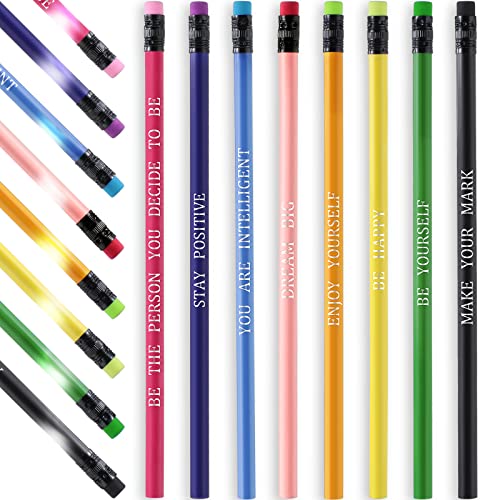
Package Included: you will receive 60 pieces of motivational cute pencils in 8 different styles; Sufficient quantity and styles can meet your various uses and replacements, enough to meet your daily writing and painting needs

Custom Pencils Personalized Bulk: Support customization of your name, required information, your favorite logo and unique message. It is the best choice for gifts during the back-to-school period.Two kinds of customization, color printing and engraving.
Prismacolor Premier Soft Core Colored Pencils (48-Count)

BRILLIANT PIGMENTS: Lightfast, richly saturated pigments for stunning color saturation SOFT THICK CORES: Perfect for shading and creating shadows SMOOTH LAYDOWN:...
I keep reaching for these when I’m teaching beginners. The 48-count tin gives new artists enough colors to grow without overwhelming them, and that soft, thick core? Forgiving as butter. You can blend shadows without fighting the pencil.
What Makes These Stand Out
The leads resist cracking, which matters when you’re still learning pressure. Brilliant pigments stay lightfast, so your work won’t fade into sadness. Ultra-smooth laydown means consistent color, not patchy frustration. Waterproof too, because accidents happen.
Real Talk on the Tin
That 9-3/4 inch case travels easy, though I’ll warn you: the artwork on top changes. Don’t flip if yours looks different from mine. It’s the same pencils inside.
Who Actually Needs This
You’ve got a wide color array here, enough for illustration, coloring books, or casual sketching. Artist-quality at every level sounds like marketing speak, but it’s true. These perform.
My Verdict
Skip the 12-count unless you’re testing waters. This 48-count? The sweet spot. More colors than you need immediately, exactly enough once you improve. Made in the USA since 2010, and still worth your cash.
Best For: Beginners and developing artists who want a versatile, forgiving colored pencil set with enough colors to grow into without being overwhelmed.
Pros:
- Soft, thick cores enable smooth blending and shadow work without requiring advanced pressure control
- Durable leads resist cracking and chipping during the learning process
- 48-count tin offers a practical color range for illustration, coloring books, and sketching in a portable, protective case
Cons:
- Tin artwork varies, so appearance may differ from expectations or reference images
- 48-count may still exceed minimal needs for true casual testers (12-count exists but lacks growth potential)
- Made in USA since 2010 with no noted updates to formula or manufacturing process
Recommended Products

Colored Pencils for Adult Coloring Books. This 80-piece colored pencil set delivers rich, saturated pigments with a full spectrum of shades including bright tones, earth hues and soft pastels. It applies color smoothly on drawing and coloring paper to meet all your creative needs for coloring books, sketching and illustration.

Complete Color Pencil Set: Contains 36 premium colored pencils in eco-friendly tube for artists to express creativity and ideas in vibrant and colorful way.
BRILLIANT PIGMENTS: Lightfast, richly saturated pigments for stunning color saturation
KALOUR 180 Colored Pencil Set for Adults Artists

VIVID VIBRANT COLOR: Kalour colored pencil set contains 180 professional colored pencils. You can find any color you need in these 180 unique colors to enrich your coloring...
Need a color range that doesn’t quit? I’ve found it in the KALOUR 180 Colored Pencil Set. With 180 colors crammed into one tin case, I never run out of options for my coloring books or sketching projects.
The soft, velvety cores blend beautifully, and I appreciate that they’re break-resistant (no more frustrating mid-drawing snaps). Each pencil has a number and name printed right on it, so I can grab “Crimson Red 47” without squinting at color swatches.
Twelve metallic pencils hide in the mix too, adding shimmer when I want it. The basswood bodies sharpen cleanly, and the non-toxic formula means I don’t worry about my niece borrowing them. The built-in tray keeps everything organized, though I wish the plastic felt sturdier.
Who’s this for? Beginners overwhelmed by choice, budget-conscious artists, and anyone who colors for stress relief. You’re sacrificing some lightfastness compared to pricier brands, but for casual work, I don’t mind.
Verdict: Grab these if you want maximum color variety without emptying your wallet.
Best For: Budget-conscious artists, coloring book enthusiasts, and beginners who want maximum color variety without spending a lot.
Pros:
- 180 colors with numbered, named pencils for easy identification
- Soft, blendable cores that are break-resistant
- Includes 12 metallic pencils for added creative options
Cons:
- Lower lightfastness compared to premium brands
- Plastic tray feels flimsy
- Not ideal for professional, archival-quality work
Recommended Products

3-IN-1 CREATIVITY: Colored pencil, wax crayon, and watercolor in one. One set, three ways to create

THE PURITY OF BEESWAX, NOW IN A PENCIL : Honeysticks Pencils are the first pencils made with a natural beeswax core. Made without petroleum-derived paraffin wax, they are non-toxic and safe for toddlers aged 1+

12 COLORS METALLIC COLORED PENCILS: 12 assorted colors metallic pencils, Length 6.9 inches, Pre-sharpened long pencils, strong and durable, Easy to sharpen pencils that are break resistant and last longer, no duplicate, great for coloring books and freehand drawing, this set of colored pencils adds a metallic sheen your art
Factors to Consider When Choosing the Best Colored Pencils
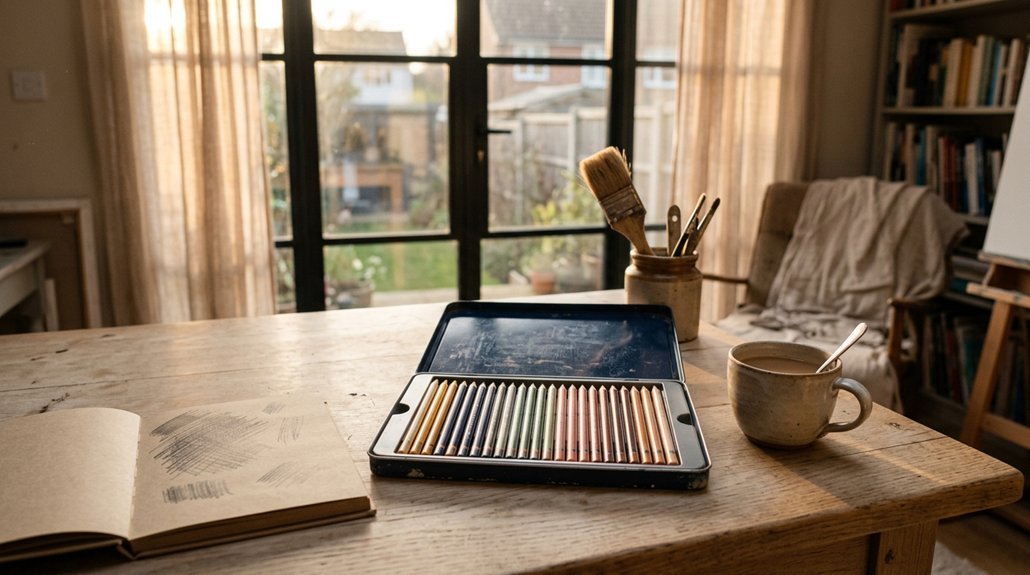
I always tell folks to scrutinize core quality first, that sturdy inner stick of pigment that shouldn’t snap when you’re sharpening, alongside color range and blendability: because what’s the point of 180 pencils if they won’t mix? You also need durability for those heavy-handed moments and safety standards that keep nasty chemicals away from your skin, especially with cheaper sets.
Trust me, once you’ve felt the difference between a creamy wax core that glides and a brittle mess that scratches your paper, you’ll never grab the bargain bin again.
Core Quality
What kind of core am I actually getting? That’s the first thing I check when I’m testing colored pencils. Soft cores give me that buttery, smooth shading and blending I love, but here’s the catch: they shouldn’t crumble if I press a little harder. I’ve wasted too much money on pencils that snap mid-stroke.
Pigment quality and lightfastness matter more than you’d think. Cheap pigments fade, turning my vibrant sunset into a muddy mess within months. I always look for labels promising archival quality.
Consistent color laydown saves my sanity. Wax buildup? No thanks. I want even layers without that weird greasy resistance.
And numbered, color-named barrels? Essential. I’m not playing guessing games when I’m in the zone.
Color Range
Color Range
The color range can make or break whether I’m reaching for my pencils daily or letting them collect dust in a drawer. I’ve learned that bigger isn’t always better, but it sure helps.
How Many Colors Do You Actually Need?
Sets run from 12–24 basics up to 180+ in monster collections. For me, 48–72 hits the sweet spot: enough variety without decision paralysis.
What Makes a Range Worthwhile?
I look for evenly distributed families: rich neutrals, usable browns, skin tones that don’t look like orange crayons, and primaries that actually pop. Warm and cool versions of each hue let me nail color temperature, which sounds fancy but just means my shadows look shadowy, not muddy.
Numbered pencils with real names? Game-changer. I can match colors across projects instead of guessing “which blue was that?”
Blendability
Because I spend half my drawing time pushing colors into each other, blendability isn’t some bonus feature, it’s the whole game.
Soft cores and smooth leads make or break my blending sessions. They let colors melt into seamless transitions without those harsh edges that ruin a sunset gradient.
Higher pigment saturation means richer results when I layer multiple shades. Break-resistant cores keep the color flowing during all that back-and-forth motion.
I chase uniform color laydown and minimal wax buildup. Ghosting and weird color shifts? No thanks.
A wide color range with clear names helps me match tones precisely for smooth gradations.
For blendability-focused artists, I’d prioritize soft, highly pigmented options with consistent cores. Your fingers (and finished piece) will thank you.
Durability
I usually snap a lead at the worst possible moment, right when I’m deep into a layered sky or a detailed eye. That’s why I obsess over durability now.
What’s Actually Protecting Your Core
Core hardness matters most. Softer cores lay down smoother, but they’ll crack under pressure. Harder cores fight back. I gravitate toward thicker, robust leads, they survive shading marathons without chipping or fallout.
Wood Quality Counts
Basswood or premium hardwood bodies? Worth it. Cheap casings crack during sharpening (infuriating).
Labels Save Points
Color names or numbers on the barrel? Essential. Less guessing, less pointless sharpening, longer life.
The Binding Bonus
Standards-compliant production, think ASTM D-4236, usually means better internal binding. No crumbling, no core separation.
My Pick
Balanced-soft core, quality wood, labeled barrel. For heavy-handed artists, harder cores; layerers, go thicker and softer.
Safety Standards
Sharp pencils aren’t much use if they’re leaching something nasty onto your skin, right? I always check for EN71-3 and ASTM D-4236 certifications before buying. These marks mean something real.
EN71-3 limits harmful elements in materials kids might handle. ASTM D-4236 means a medical professional reviewed chronic hazards, so you’re covered for long studio sessions. I look for both, not just one.
Here’s what frustrates me: “non-toxic” gets slapped on everything. That label doesn’t promise your art will last, just that it won’t poison you. Lightfastness and safety are totally separate battles.
When I’m shopping, I flip the box and hunt for those certification codes. No marks?
I keep looking. Your hands deserve better than mystery chemicals, and frankly, so does your peace of mind.
Packaging Type
Where do you stash 180 pencils without losing your mind? Packaging matters more than you’d think.
Tin cases win for durability and that satisfying “clink” when you open them. They protect your investment and look sharp on a shelf.
Cardboard boxes? Lighter on your backpack and wallet, sure, but they crumble eventually. I’ve seen too many split corners dumping pencils everywhere.
Built-in trays are the real MVP if you travel. They keep colors sorted and tips safe from snapping. Nobody wants to sharpen half their set before starting.
Set sizes range from pocket-friendly 12-packs to sprawling 180-count collections. Bigger isn’t always smarter, consider your actual workflow.
Some brands print color names right on the pencils. Huge time-saver when you’re hunting for that exact shade.
My take: grab tins with trays if you sketch on location. Studio rats can save cash with cardboard.
Intended Skill Level
How do you know if a pencil set actually matches where you’re at in your art journey?
For Beginners
I always recommend softer cores. They’re forgiving, blend like a dream, and you don’t need a death grip to lay down rich color. Look for sets with color names and numbers printed right on the barrel. I can’t tell you how much time I’ve wasted hunting for “that blue” in unlabeled sets.
Safety Check
If you’re buying for kids or classrooms, grab non-toxic pencils with EN71-3 or ASTM D-4236 compliance. It’s basic peace of mind.
Growing Your Palette
Bigger counts, think 72 or 180, give you smoother gradations. That’s huge when you’re learning transitions.
The Trade-off
Soft cores burn down faster. Beginners should prioritize sharpening ease over archival longevity. You can always upgrade later.