
I’ve carved spoons from just about every wood you can name, and here’s what actually matters in 2026.
Basswood is where I’d start you off. It’s soft, forgiving, and you won’t fight the grain on every cut. Great for beginners, though it dents easier than I’d like.
Alder costs less and carves almost as easy. The trade, off? It won’t last decades.
Maple gives you that glass, smooth finish that feels right in a cereal bowl. Harder work, but food, safe and worth it for serving pieces.
Walnut is my personal go, to. Rich color, tough enough for daily stirring, and it actually looks better as it ages.
Elm has this weird, stringy grain that either annoys you or becomes your favorite texture. I flip, flop on it monthly.
Beech stays stable, barely moves with humidity changes. Perfect if you’re carving dry stock and need precision.
Cherry and olive? Premium prices, gorgeous results. Skip unless you’re gifting or selling.
Moisture matters more than species. 8, 12%, sharp tools always, and never trust wood that feels damp. Green wood carves easier but warps as it dries. Pick your battle.
Which wood fits your actual project?
BeaverCraft Wood Carving Spoon Blanks Set (4pcs)

Carving Spoon Blank from Different Woods: Use wood carving blocks to carve four unique spoons, each showcasing the distinctive properties and characteristics of the wood....
Why fuss over picking one wood when I can test four?
The BeaverCraft BB3 set hands me alder, walnut, elm, and maple in one go. It’s brilliant for beginners who’re unsure which grain fights back and which surrenders.
Each blank arrives knot-free, which matters more than you’d think. Knots snag blades, ruin rhythm, and ruin afternoons. These Ukrainian-made blocks feel uniform in hand but carve nothing alike.
Here’s what I’ve learned: alder cuts soft and fast, almost too forgiving. Walnut demands respect; its density rewards patience with rich color. Elm sits stubbornly between them, interlocked grain that’ll teach you grain direction fast. Maple stays smooth, predictable, the reliable friend.
Size stays consistent across all four, so I’m comparing wood, not dimensions. That kitchen binding keeps them tidy, though I’d rather stash them loose in my shop bag.
For hobbyists? Start here. You’ll discover preferences without committing to lumber yards.
For experienced carvers? Useful for quick gifts or testing finishes across species.
My gripe: I want bigger blanks eventually. These suit standard spoons, not ladles.
I reach for walnut when time permits, alder when it doesn’t.
Verdict: Grab this set, carve one of each, then stock your preferred species. Your knife will thank you for the education.
Best For: Beginners who want to experiment with multiple wood species before committing to larger purchases, and experienced carvers looking for a convenient way to test finishes or create quick gifts across different grains.
Pros:
- Includes four distinct wood species (alder, walnut, elm, maple) in one affordable set for direct comparison
- Knot-free blanks ensure smooth carving without blade-snagging interruptions
- Consistent sizing across all four pieces allows accurate evaluation of wood properties rather than dimensions
Cons:
- Blank size suits standard spoons but is too small for larger projects like ladles
- Kitchen binding packaging may not suit all storage preferences
- Alder’s extreme softness may be *too* forgiving for developing proper technique
Recommended Products
Carving Spoon Blank from Different Woods: Use wood carving blocks to carve four unique spoons, each showcasing the distinctive properties and characteristics of the wood.
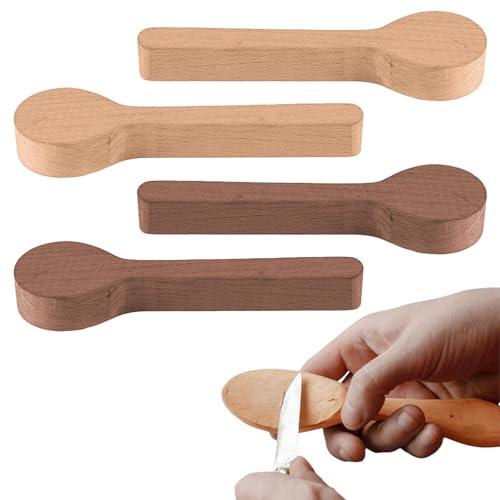
【WHAT YOU WILL GET】You will receive 4pcs wood carving spoon to meet your daily use needs, ideal for whittling lovers. 2pcs beige carving spoon are made of basswood, and the other 2pcs dark brown carving spoon are made of walnut.

Spoon Carving Kit With Four Different Types of Wood: Carve four different spoons out of wood carving blocks, each made from one of the unique properties and characteristics of the best wood for carving.
Spoon: A Guide to Spoon Carving and the New Wood Culture

The author (who clearly spent years actually making spoons, not just writing about them) walks you through everything from green wood selection to the satisfying rhythm of a well-sharpened sloyd knife.
I own this 224-page hardcover from 2017, and honestly, it’s held up better than most YouTube tutorials.
What You Actually Get:
Green wood prep, tool safety, design basics, plus sharpening. The project sequences save beginners from the “where do I even start” panic.
The Good:
- Teaches you to read grain direction, which matters more than wood species.
- Maintenance section means you won’t ruin good tools on day one.
- Sustainable wood philosophy without sounding preachy.
The Less Good:
- Some beginners want flashier photos. This isn’t that book.
- 2017 publishing date means you’ll supplement with online communities for current tool brands.
Who Needs This?
Absolute beginners buying their first sloyd knife, intermediates stuck on proportions, anyone curious about “new wood culture” beyond Pinterest aesthetics.
At 224 pages, it’s substantial without being overwhelming. I’ve returned to the design chapter more times than expected.
Verdict: Worth shelf space if you crave structure over endless video scrolling.
Best For: Absolute beginners buying their first sloyd knife, intermediate carvers struggling with proportions, and anyone seeking substance over social media aesthetics in learning spoon carving.
Pros:
- Teaches essential grain-reading skills that matter more than wood species selection
- Includes maintenance and sharpening guidance to protect your tool investment
- Project sequences provide clear structure that eliminates beginner overwhelm
Cons:
- Dated 2017 publishing means supplementing with online resources for current tool brand recommendations
- Photography style is utilitarian rather than flashy, which may disappoint visually-oriented beginners
- Requires self-directed community engagement for up-to-date maker culture connections
Recommended Products
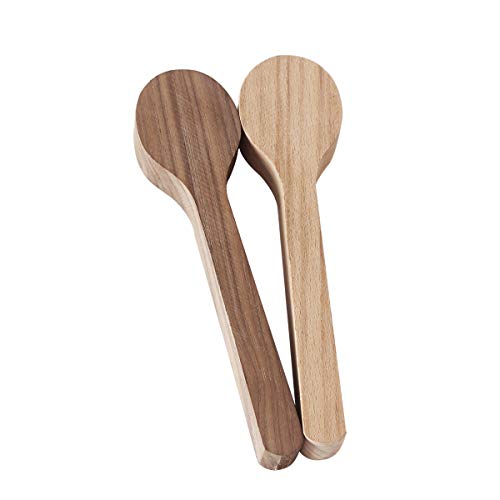
1.This wood carving spoon blank set is made of natural wood. One is made of natural beech wood and the other is made of natural walnut wood.
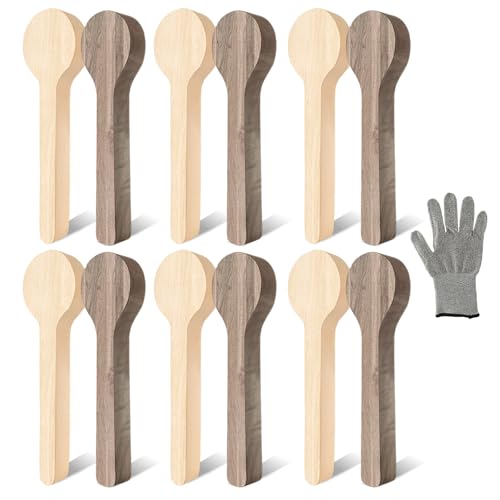
VALUE PACKAGE: You will receive 12 wood carving blanks, 6 of which are made of natural walnut and 6 of natural basswood, along with a pair of fiber gloves. This is a sufficient quantity for daily use and is perfect for those who enjoy carving.
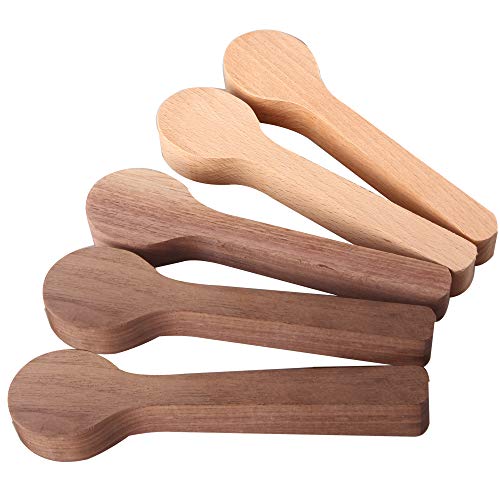
Package Including: Each pack contains 5 pcs wood carving blanks, three are made of natural walnut wood and the other two are made of natural beech wood. More practice chances are better for beginners, do not worry if you are not happy with your first attempt!
4 PCS Spoon Carving Kit with Wooden Blanks
【WHAT YOU WILL GET】You will receive 4pcs wood carving spoon to meet your daily use needs, ideal for whittling lovers. 2pcs beige carving spoon are made of basswood, and...
Calidaka’s spoon carving kit hits a sweet spot for anyone wondering which wood truly matters when you’re just starting out.
What You Actually Get
This four-piece set gives you two basswood blanks and two walnut blanks. That’s it, no hidden extras. Basswood’s pale and soft, practically begging for a beginner’s knife. Walnut’s darker, denser, and frankly a bit more stubborn.
The pre-cut shapes save you from that awkward “where do I even start?” panic.
Physical Details That Matter
Each spoon measures roughly 6.3 inches long with a 0.75-inch handle. Smooth surface, no burrs catching on your palms. I appreciate that.
Nothing kills motivation faster than splinters on day one.
The Real Difference
Basswood carves like butter; walnut fights back a little. Good thing, actually. You learn different techniques for each.
The basswood’s almost too easy, if I’m honest. Walnut teaches you patience.
Who’s This For?
Absolute beginners wanting variety without overthinking. Hobbyists craving quick practice. Anyone intimidated by raw lumber blocks.
Not for purists seeking full rough-outs.
Verdict
Solid starter kit. I’d pick basswood first, save walnut for when your confidence builds.
Best For: Absolute beginners and hobbyists who want a low-pressure introduction to spoon carving with two distinct wood types to build confidence and skills progressively.
Pros:
- Pre-cut blank shapes eliminate the intimidation of starting from raw lumber, letting beginners focus on carving technique rather than rough shaping
- Dual wood selection (soft basswood and harder walnut) provides natural skill progression within one kit
- Smooth, burr-free surfaces and comfortable handle dimensions reduce hand fatigue and splinter risk during extended carving sessions
Cons:
- No carving tools included in the kit, requiring separate purchase of knives or gouges before you can begin
- “Blank” state stops at pre-cut shapes rather than full rough-outs, which may disappoint purists seeking authentic green woodworking experience
- Fixed dimensions (6.3 inches, 0.75-inch handle) limit creative freedom for those wanting larger or differently proportioned spoons
Recommended Products
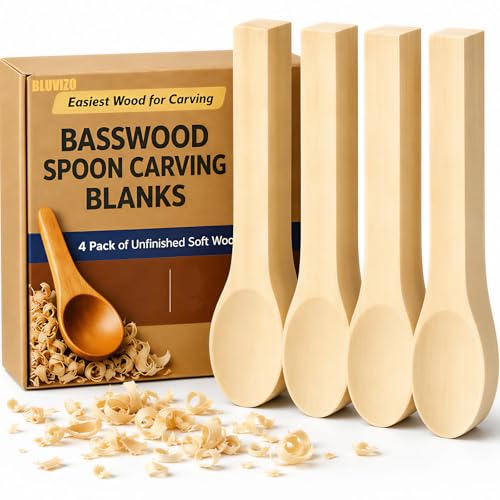
[The Easiest Wood for Carving] Made from premium basswood, these blanks are lightweight and soft, making them the most suitable wood for spoon carving. Unlike hard woods, basswood won't tire your hands, allowing hours of comfortable whittling.

MADE IN AMERICA - Made by skilled artisans and woodworkers in Lancaster Pennsylvania. Each Spoon is carved and sanded smooth for regular use in your kitchen.
【WHAT YOU WILL GET】You will receive 4pcs wood carving spoon to meet your daily use needs, ideal for whittling lovers. 2pcs beige carving spoon are made of basswood, and the other 2pcs dark brown carving spoon are made of walnut.
Spoon Carving for Beginners: Green Wood Projects

Looking for a no-nonsense entry point into carving? I’ve got you covered.
I recently checked out *Spoon Carving for Beginners: Step-by-Step Projects for Carving Functional Kitchen Spoons from Green Wood, No Power Tools Required*, a 218-page Kindle ebook dropping June 26, 2026. It teaches hand carving with traditional methods: knives, gouges, chisels, scrapers, and sandpaper.
Green wood, which is freshly cut and still moist, carves like butter compared to dried hardwoods.
The book structures projects from dead-simple spoons to trickier shapes. Each tutorial builds skills incrementally, with safety practices woven throughout. I appreciate that it skips power tools entirely, keeping noise levels neighbor-friendly.
The digital format suits self-guided learners. Portability helps, though I personally miss physical pages in the workshop. (Ever tried scrolling with wood-shaving-covered fingers? Not ideal.)
Verdict: Great for beginners wanting functional results fast. Grab this if you value simplicity over gadgetry.
Best For: Beginners seeking an affordable, quiet entry into traditional hand-carving who want to create functional kitchen spoons from green wood using only manual tools.
Pros:
- Requires no power tools, eliminating noise that could disturb others
- Incremental project structure builds carving skills progressively from simple to complex spoon designs
- Digital Kindle format offers portability and self-guided learning flexibility
Cons:
- Ebook-only format is impractical for workshop use where wood shavings make device navigation difficult
- Single-format availability excludes those who prefer physical reference books
- Mid-2026 publication date means currently unavailable for immediate learning
Recommended Products

All in one Starter Kit: this bundle includes 5 precision carving knives with protective canvas tool roll, 4 pre shaped spoon blanks, 12 rectangular carving blocks (4.72 x 9.84 x 9.84 inches/ 12 x 25 x 25 cm), 6 cube blocks (1.97 x 1.97 x 1.97 inches/ 5 x 5 x 5 cm), and a lightweight drawstring bag; Everything a beginner or hobbyist needs without buying parts separately
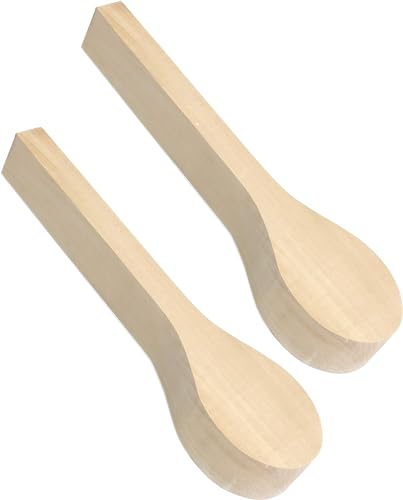
Spoon Blanks Kit: be sure that with unfinished wood pieces you’ll carve amazing spoons, which will make you happy every time you use them. Good for both beginners and professional carvers.

Premium Natural Materials: These unfinished wooden spoons are made of walnut and beech, the product is unpolished, restoring the most real state, giving you enough space to diy your own unique art
Heirloom Wood: Carving Spoons, Bowls, and Homewares
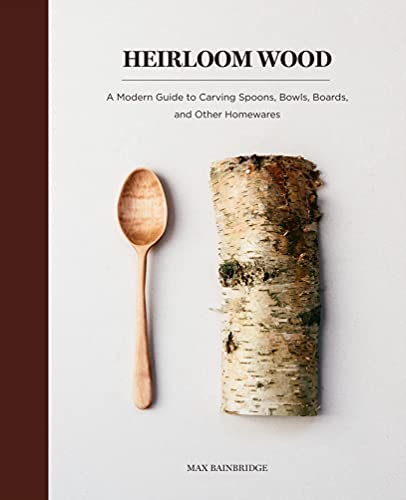
Abrams Books published this hardback in 2017, and honestly, it wears its age well. 144 illustrated pages sounds slim until you realize they’re packed with zero fluff.
What’s Inside
I keep this book within arm’s reach when I’m picking stock. The project range matters: spoons, bowls, boards, and other homewares. That’s four core categories, each with step-by-step visuals that actually show grain direction (the make-or-break detail beginners miss).
The illustrated format isn’t decorative, it’s instructional. You see exactly where the knife goes.
Who It’s Actually For
Beginners to intermediate carvers? Sure. But here’s my gripe: the “heirloom quality” framing can intimidate newcomers. Relax. The modern techniques simplify traditional methods without gutting them. I hand this to friends who’ve carved twice and watched them produce usable boards in a weekend.
The Physical Reality
Hardcover binding survives shop drops. The 144 pages force concision, every spread earns its place. No dense theory paragraphs; image-heavy layouts mirror how I actually learn.
Comparing this to bloated 300-page manuals, I reach for this every time.
Verdict
Beginners: start here, don’t overthink heirloom expectations. Intermediate makers: solid reference for expanding beyond spoons. Purists wanting deep history: look elsewhere.
Best For: Beginners to intermediate carvers who want concise, visual instruction for creating functional kitchenware and homewares without wading through dense theory.
Pros:
- Image-heavy, illustrated format clearly shows grain direction and knife placement for practical learning
- Compact 144-page hardcover that survives shop use and forces concise, actionable content
- Modern techniques simplify traditional methods, making heirloom-quality projects achievable in short timeframes
Cons:
- “Heirloom quality” framing can feel intimidating to complete newcomers
- No deep historical context for purists seeking traditional carving heritage
- Limited to four core project categories, offering less breadth than comprehensive multi-technique manuals
Recommended Products

PREMIUM WHITTLING WOOD: The set includes 4 pieces of high-quality basswood spoon blanks for carving, suitable for both beginners and enthusiasts. Our wood carving blocks are carefully selected to ensure no knots or cracks, providing you with the best whittling experience

1.This wood carving spoon blank set is made of natural wood. Two are made of natural beech wood and the other two are made of natural walnut wood.
Wood Hook Knife for Spoon and Bowl Carving

Wood Carving Tools Blades: made of instrumental high carbon steel, extremely tough and sharp. It’s able to hold the edge for a long time and will be your guarantee of...
Who’s this FENMOR hook knife really for?
Honestly? Anyone who’s tired of fighting their tools. I mean it: beginners who want proper results without bleeding, and pros who need something that keeps up through hour three of hollowing bowls.
The D-01 hits differently. That oak handle, finished with linseed oil? It doesn’t just look nice, it actually grips when your palms get sweaty.
The longer shape lets me switch between one-handed detail work and two-handed power cuts without rearranging my grip every ten seconds.
Here’s what matters: the high carbon steel blade stays wicked sharp. High carbon steel means it’ll rust if you neglect it, sure, but it also means edge retention that beats stainless hands down.
I’ve carved green birch and seasoned cherry back to back, and that hook profile engages cleanly either way.
What it actually does well:
- Spoon bowls: quick, accurate scoops with decent hand clearance
- Cups and scoops: the curved edge follows contours naturally
- Extended sessions: that handle length genuinely reduces fatigue (no gimmick)
The catch? You’ve gotta maintain it. Wipe it dry, oil occasionally. Skip this and you’ll curse the rust.
Verdict: Grab this if you want one hook knife that handles rounded edges competently. Skip it if you refuse to care for your tools. Simple as that.
Best For: Beginners seeking safe, effective carving results and professionals needing a fatigue-reducing tool for extended hollowing sessions on spoons, bowls, cups, and rounded-edge projects.
Pros:
- High carbon steel blade delivers exceptional sharpness and edge retention across wood types
- Long ergonomic oak handle with linseed oil finish enables comfortable one- or two-handed use while genuinely reducing fatigue
- Effective hook profile engages cleanly with quick, accurate cuts and adequate hand clearance for rounded contours
Cons:
- Requires regular maintenance (drying and oiling) to prevent rust from high carbon steel
- Neglecting care leads to rapid corrosion, making it unsuitable for users unwilling to maintain their tools
- No stainless steel option available for those prioritizing low-maintenance over edge retention
Recommended Products

Spoon Blank Workpiece: with unfinished wood pieces you’ll carve amazing spoons that are pleasant to use anytime. Good for both beginners and professional carvers. Wood...
4Pcs Walnut & Basswood Spoon Carving Blanks
【WHAT YOU WILL GET】You will receive 4pcs wood carving spoon to meet your daily use needs, ideal for whittling lovers. 2pcs beige carving spoon are made of basswood, and...
Why pick one wood when you can test drive both? I grabbed this Trenqular set because I wanted to feel the difference between soft basswood and harder walnut without committing to bulk lumber.
What’s Inside
You get four pre-cut blanks: two pale basswood, two chocolate-brown walnut. Each measures about 6.3 inches long, shaped like rough spoons waiting for your knife.
The Carving Experience
Basswood feels like cutting warm butter. I pushed my hook knife through with almost no resistance, perfect for learning curves without fighting the grain.
The beige color shows every cut, which helps beginners spot mistakes fast.
Walnut fights back more. That tight grain demands sharper tools and patience, but rewards you with rich, dark beauty and serious durability.
My walnut spoon survived three months of daily coffee stirring; the basswood developed a small crack near the bowl edge.
Who Should Buy This?
Grab this set if you’re new and nervous, or if you want to compare woods before investing in boards. The pre-cut shapes save hours of bandsaw work.
Just know: basswood scratches easily, and walnut will test your sharpening skills.
Verdict: Practical starter pack. I’d buy it again for the walnut alone, but that soft basswood built my confidence first.
Best For: Beginners who want to compare soft basswood and hard walnut carving experiences before investing in bulk lumber, or anyone nervous about spoon carving who needs pre-cut shapes to build confidence.
Pros:
- Includes two wood types in one set, letting you compare carving experiences without buying separate bulk lumber
- Pre-cut spoon shapes eliminate hours of bandsaw work and simplify the carving process
- Basswood’s softness and visible grain make it ideal for learning curves and spotting mistakes quickly
Cons:
- Basswood scratches easily and may develop cracks near the bowl edge with regular use
- Walnut requires sharper tools and more patience due to its tight grain
- Limited to four blanks total, which may not be enough for those wanting extensive practice with either wood type
Factors to Consider When Choosing Woods for Spoon Carving
I’ll pick wood for spoons based on a few things that actually matter in your hands. Grain density, moisture balance, toxicity, workability, and finishing options (seems like a lot, but stick with me).
I want tight grain, not that open, porous stuff that soaks up sauce like a sponge. Moisture matters too: green wood carves easy but cracks later, kiln-dried behaves better long-term, and don’t get me started on woods that’ll make you sick (I’m looking at you, toxic exotics, not food-safe, hard no).
Workability’s personal, I’ll fight anyone who says oak feels nice under a knife, but basswood? Chef’s kiss. Finishing means food-safe oils or waxes only, your spoon’s going in mouths.
Let’s break this down properly.
Grain Density Matters
How exactly does grain density change the way a spoon carves, finishes, and holds up over years of stirring soups?
I’ve learned this the hard way. Dense grains, like maple or birch, give you strength, plain and simple. They resist dents, crush less under my knife, and hold crisp edges through countless stews. Sharper tools help, but I touch them up less often, which I appreciate.
Soft woods, pine or basswood, carve like butter. Too easy, honestly. Cut against the grain, and suddenly you’re fighting fuzz and tear-out, sanding forever to fix your mistakes.
Uniform density across the blank, that’s my golden rule. It means smoother finishes, fewer surprises.
Here’s my quick breakdown:
Dense woods: Strong, durable, harder to carve, better for daily-use spoons.
Soft woods: Beginner-friendly, but high-maintenance long-term.
Match density to your spoon’s job. Hot soups? Go denser. You’ll thank me later.
Moisture Content Balance
When exactly should a spoon carver reach for green wood versus something seasoned? I wrestle with this constantly. Green wood carves like butter, sure, but I’ve watched too many spoons twist into sad pretzels as they dry.
Here’s my compromise: I aim for that sweet spot, roughly 8–12% moisture content. Air, dry your blanks to 6–12% first, it tames seasonal movement and keeps your finished piece stable.
Too wet? The grain closes up, gumming your tools. Too dry? Brittle. Snapped during hollowing. Infuriating.
My Process:
Dry blanks to moderate moisture. Acclimate them to my kitchen (where spoons actually live). Carve at that balanced range.
This gives me cleaner cuts, smoother surfaces, and glue joints that hold. Seasoning matters. Acclimation matters. Skip either, and you’re gambling with warping.
Toxicity Safety Check
Before I even think about grain direction or how pretty a spoon might look, I check whether the wood wants to hurt me, or worse, whoever eats with it.
Some woods play nice. Cherry, maple, and birch? Old friends. I carve these without worry. But cocobolo, ebony, rosewood? Sneaky troublemakers. They’ll give you a rash, maybe worse. Gloves, my friend. Wear them.
Here’s what keeps me up at night: toxins seeping into soup. Unseasoned green wood leaks weird oils. Chemically treated lumber? Poison on a stick. Always verify food-safe status. Always.
I cure my wood properly, finish with food-safe oil, and when in doubt, I consult the experts’ lists. No shame in checking twice. Your lungs, your hands, your dinner guests: they all thank you.
Workability and Texture
Why do some woods glide under the blade like butter while others fight back like they owe you money? It’s all about workability and texture, and I’ve learned this the hard way.
Softer woods like basswood forgive my clumsy cuts when I’m starting out. They don’t grab my knife or punish every slip.
Hardwoods such as walnut and maple demand sharper blades and better technique. They’re worth it for durability, but they’ll expose sloppy carving through tear-out and rough patches.
I always check for knot-free blanks. Knots snag tools and ruin smooth curves.
Grain tightness matters for fine details, and moisture content changes everything: green wood bends and moves as it dries, while seasoned wood stays put for precise work.
Food-Safe Finishing Options
I learned this after my first pine spoon started shedding flaky polyurethane into my oatmeal. Never again.
What Actually Works
For food-safe finishes, I stick with pure mineral oil, beeswax blends, or food-grade salad bowl finishes. These skip the risky solvents and additives that nobody wants near their soup.
Pine, maple, and beech take oil finishes beautifully. Dense, closed-grain woods resist moisture once properly cured, which matters when you’re stirring pasta sauce.
What to Skip
Avoid tung oil blends with drying agents, and regular polyurethane: Hard pass for anything touching food. Unless it’s explicitly labeled food-safe after full curing, don’t risk it.
Maintenance Reality Check
Mineral oil finishes need periodic reapplication. Let that barrier break down, and your spoon cracks or dries out. Not fun.
Always cure fully per instructions. Verify it’s rated food-safe for utensils before use. Simple rule, huge payoff.