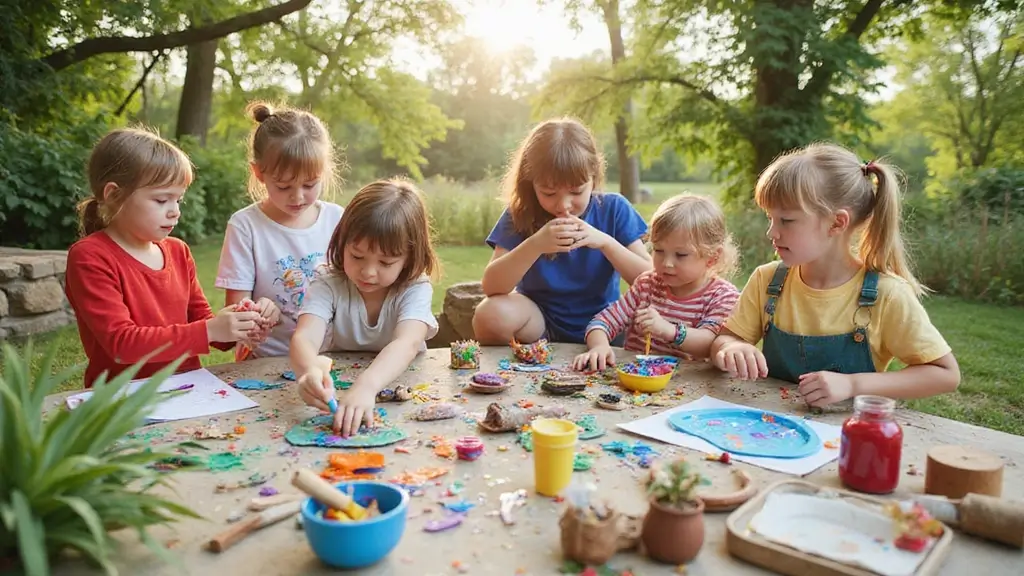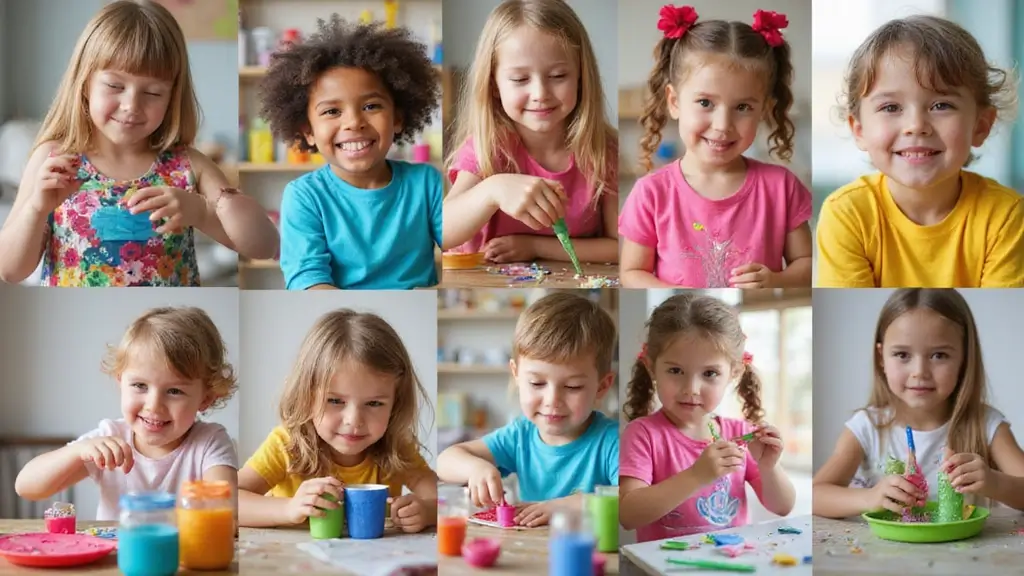

Craft time can feel a little chaotic. I made this post to help you turn simple projects into real learning for preschoolers. I want parents, caregivers, and teachers to see crafts as a way to grow skills, not just pass the time. This guide focuses on early skills you can teach while kids have fun.
If you’re looking for activities that are affordable, quick to set up, and easy to adapt, this is for you. You care about color and shape recognition, steady hands, and confident thinking in your child. You want projects that fit into a busy day with minimal prep. You’ve got it.
Inside you’ll find 26 preschool crafts DIY ideas that use common materials and stay gentle on the budget. Each idea comes with simple steps, safety tips, and easy tweaks for different ages. They lean on recycled materials and everyday items, so you can use what you already have. They are designed for small spaces and easy cleanup.
These crafts build real early skills. Kids practice fine motor work with glue sticks, safety scissors, and stickers. They learn color names, color sorting, and shape recognition. They also practice counting, patterns, and simple storytelling as they create.
I include practical tips to make setup fast and clean. Use a small tray to keep pieces together. Prep a few crafts ahead so you can start quickly. Keep washable supplies within reach and supervise as needed. Swap in materials you have—buttons for beads, pasta shapes for stamps, scraps for collages.
This guide helps you plan a week or two of craft time that feels calm and purposeful. You’ll get ready-to-use ideas, simple tweaks for different ages, and ways to involve kids in clean-up and reflection. If you want to bring more play into learning, you’re in the right place. Let’s get started with crafts that spark curiosity and build early skills without the stress.
1. Recycled Egg Carton Animals

Looking for a cheap, mess-friendly craft that builds fine motor skills? Try recycled egg carton animals. It gives new life to old materials and sparks kid ideas. Plus, your child practices painting, gluing, and telling stories all at once.
What you’ll need
– an egg carton or cups from one carton
– non-toxic paints and brushes
– googly eyes or craft beads
– scraps for decorations (feathers, pom-poms, yarn, paper scraps)
– scissors or kid-safe cutters
– glue or tape
– a tray, wipes, and a smock or apron
How to make them
1) Cut the carton into small critters. A cup can be a head, a row of cups becomes a snake, or two cups share body parts.
2) Paint with bright colors. Let your child pick a color plan and pattern.
3) Add faces and bits. Glue on eyes, ears, noses, and tiny decorations.
4) Let them dry. Then use the animals in a story or scene you create together.
Tips to make it smooth
– Cover the workspace and use washable paints.
– Keep glue and scissors kid-friendly.
– Have wet wipes nearby for quick cleanups.
Here is why this matters: kids build fine motor control as they grip brushes and press small pieces. They also stretch imagination by making up animal stories. This is a simple, practical way to upcycle and play.
@media(max-width:480px){
2. Nature Collage

You’re looking for a calm, easy craft that helps your child grow. Nature collage fits well, using real things to keep hands busy and focus growing.
What you need
– Cardstock or a small canvas for a sturdy base.
– Non-toxic glue or a glue stick.
– Leaves, twigs, petals, seeds, and small stones from outdoors.
– A simple tray to catch loose pieces.
– A simple background color sheet to add depth.
How to make it
1) Go outside and collect items like leaves, twigs, and petals.
2) Set the base on the table and lay out a few pieces first.
3) Let your child arrange pieces by size, color, and texture.
4) Talk about textures and shapes as they place items.
5) Apply glue and press pieces down, then let it dry.
Why it helps
Nature collages build fine motor skills as little hands press and place pieces. They spark observation and curiosity about color and texture. They also give space to talk about nature and the environment.
Tips and variations
– Keep the theme simple, such as forest, garden, or sea.
– Use a plain background so pieces stand out.
– Take a photo of the finished collage to build a memory folder.
– End with quick cleanup so kids learn to put items away.
@media(max-width:480px){
3. DIY Sensory Bottles
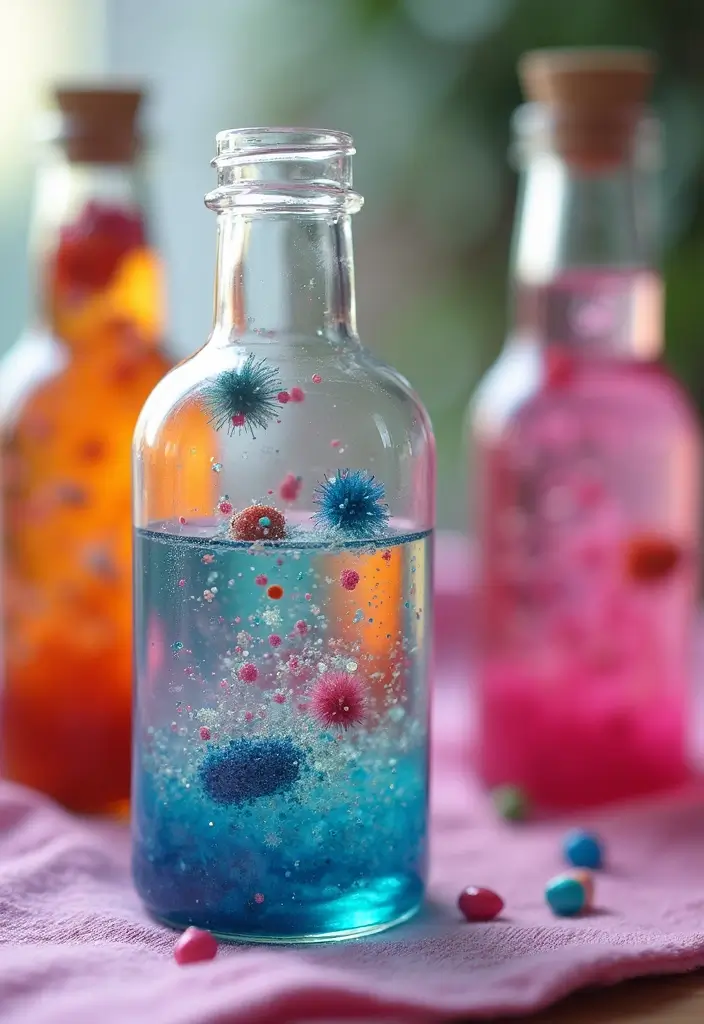
If your child needs a quick way to settle during quiet time or car rides, try a DIY sensory bottle. It sparks the senses and helps little hands stay focused.
– Materials
– Clear plastic bottle with lid
– Water and vegetable oil
– Glitter or tiny beads
– Small beads or mini toys for a surprise
– Glue or tape to seal
– Steps
– Fill the bottle about three quarters with water.
– Add a splash of color if you like.
– Pour in oil to slow the moving pieces.
– Drop in glitter and the small items.
– Seal the lid tightly with glue or hot glue, then tape for extra security.
– Shake, watch the swirls, and set it down to settle.
– Ways to use
– Use during calm moments to help focus.
– Bring it on car trips for steady distraction.
– Let your child shake and observe the flow before new tasks.
– Tips and ideas
– Try two or three color combos to see what your child likes.
– Switch in different small objects for variety.
– Label bottles with your child’s name for a fun craft moment.
– Safety notes
– Keep bottles away from very young children who put things in mouths.
– Always supervise during play and keep the bottle clear when not in use.
This simple bottle is a calm, hands-on tool you can make in minutes. It supports attention, fine motor skills, and a bit of early science learning.
@media(max-width:480px){
4. Cardboard Box Castle
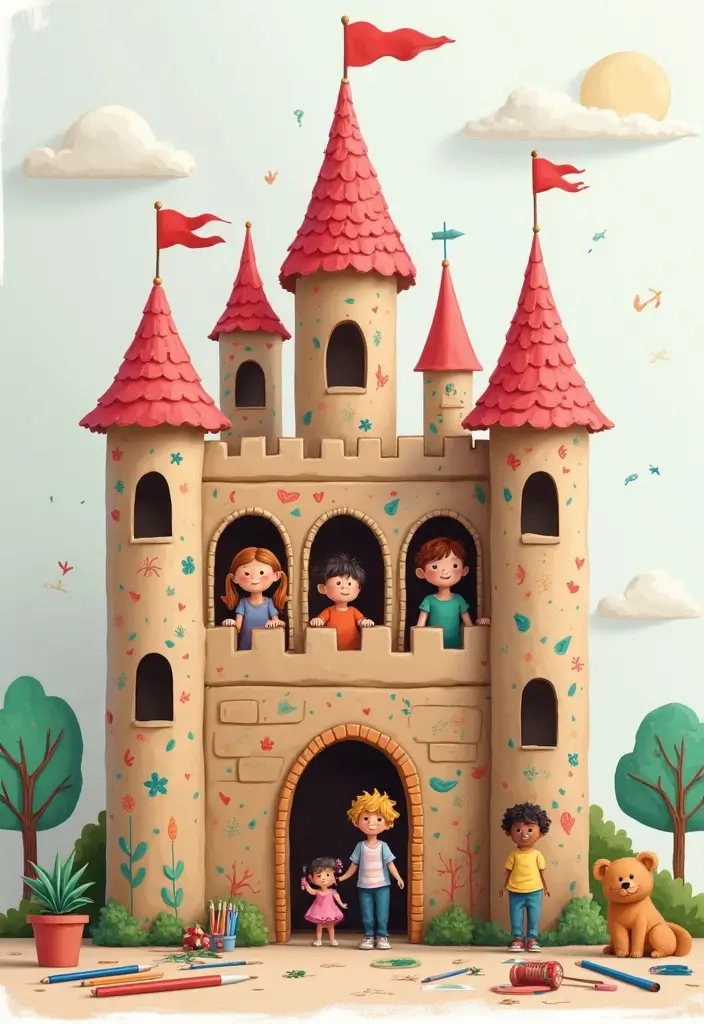
– Want a craft that sparks imagination and builds small muscles at the same time?
– A cardboard box castle fits that need.
– Grab two big boxes, tape, paint, markers, and old wrapping paper.
– Choose boxes that stand up well.
– Plan where windows and doors go with a marker.
– An adult safely cuts openings; kids trace shapes.
– Let your child decorate with non toxic paint, markers, stickers, or scraps.
– Glue on paper, fabric, or tape to add texture.
– Use an old sheet as a cozy roof.
– Invite friends to join and share the castle.
– This builds sharing, taking turns, and talking while you plan.
– Let play end with a quick cleanup.
– Storage helps you save the space after fun.
– For safety, adult hands cut openings with a dull blade.
– Choose non toxic paints and glue.
– Keep the box project flexible and take breaks as needed.
– Turn this into a tiny story with knights and dragons.
– Store markers in a labeled bin near the castle.
– Talk through a simple plan: a throne room, a gate, and a pretend moat.
– Use tape to secure the walls and let the castle last for days.
– Clean up with a quick wipe and a spot check for splinters.
@media(max-width:480px){
5. Painted Rock Animals
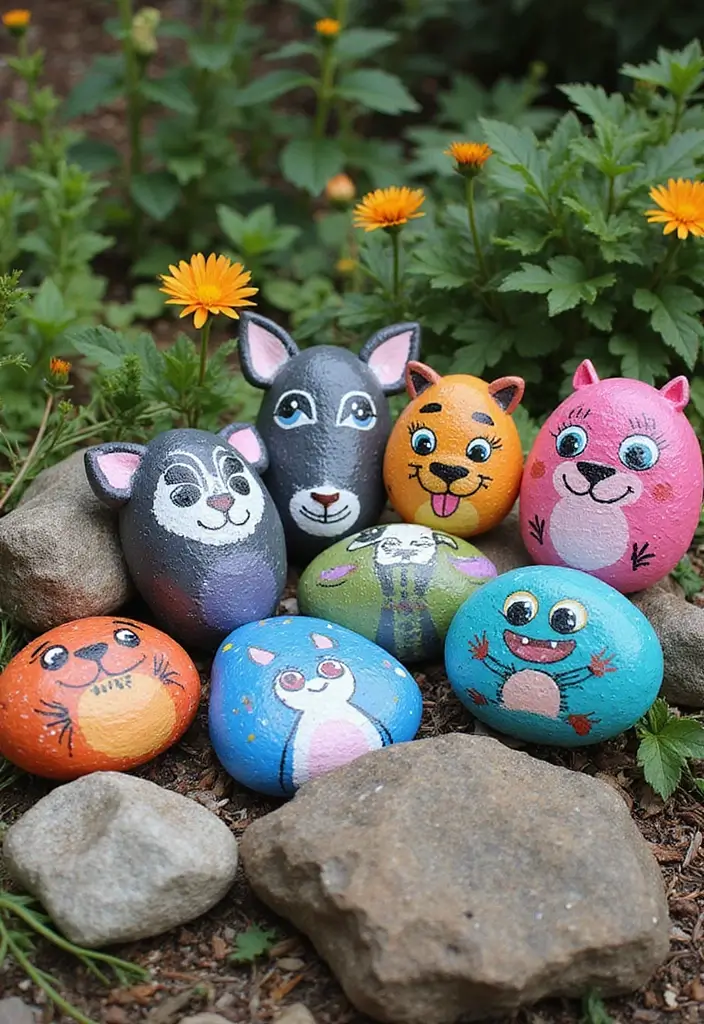
Painted Rock Animals
Want a calm, hands-on project that helps small hands grow stronger? Painted rock animals fit the bill for preschool crafts and daily play.
– Gather smooth stones on a nature walk. Pick stones that are flat and clean for your art.
– Set up a kid-friendly painting station. Lay down paper towels, keep water handy, and pick non-toxic paints and brushes.
– Decide on animals. Let your child pick a real animal or imagine a new creature.
– Paint in simple steps. Start with a base color, then add shapes for eyes, ears, fins, or wings. Try dotting to make spots or stripes.
– Let colors dry and seal. Allow each layer to dry before adding details. Finish with a clear sealant so rocks hold up outdoors.
– Use and share. Place rocks in a garden, on a shelf, or as pet rocks your child cares for.
– Include an outdoor twist. Bonus: search for rocks during your walk to start the craft, turning the trip into a little outdoor adventure.
This activity builds fine motor control, focus, and imagination. It teaches color, pattern, and care. Ready to start? Invite a story about each animal as you finish.
@media(max-width:480px){
6. Paper Plate Masks
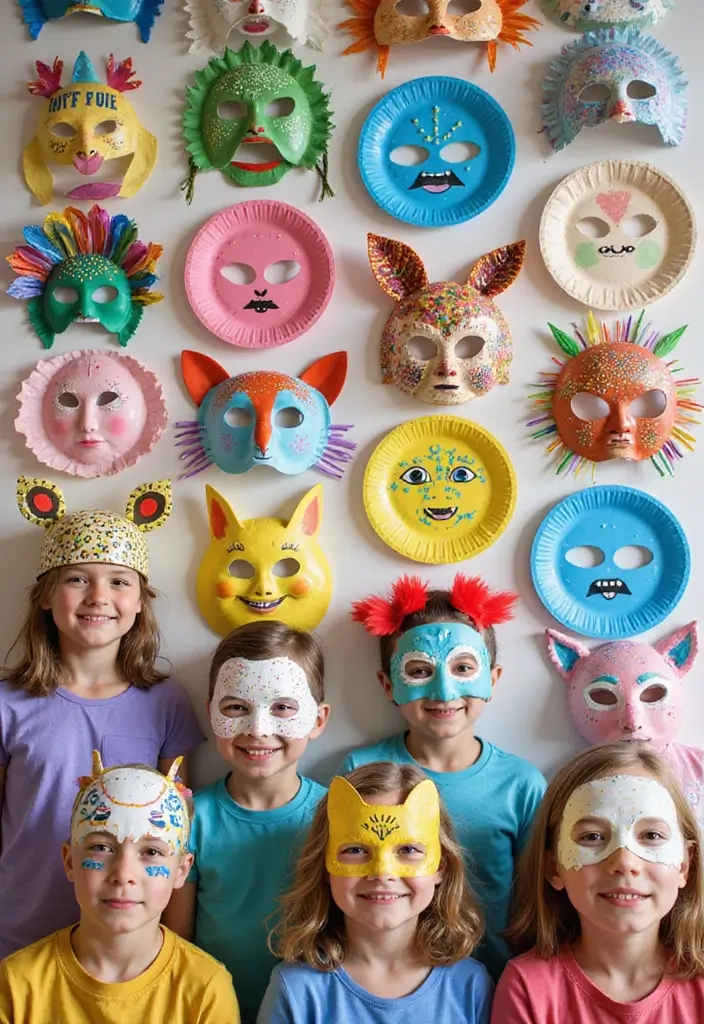
Are you looking for a craft that builds early skills and sparks imagination? Paper plate masks fit the bill. They use simple supplies and invite kids to tell stories.
What you need
– Paper plates
– Child-safe scissors
– Paints or markers
– Stickers, feathers, or fabric scraps
– String or popsicle sticks for a handle
How to make them
– You place the plate on a flat surface and cut out two eye holes with adult help.
– Your child can decorate the plate with color, pattern, and texture.
– Attach a string or a popsicle stick so the mask can be worn.
– Add extra features like a nose, ears, or a mouth to finish the character.
Here is why this helps
– It builds hand-eye coordination as kids cut and glue.
– It strengthens fine motor skills with precise drawing.
– It sparks storytelling as kids pretend to be a character.
– It boosts social skills as kids share ideas and present a show.
Tips to keep it smooth
– Use bright colors and varied textures for more interest.
– Start with simple shapes like animals or suns.
– Keep plates flat and scissors small for safety.
Next steps
Invite a mini performance at the end. Take photos, switch masks with friends, or add a new mask next day.
@media(max-width:480px){
7. DIY Nature Stamps
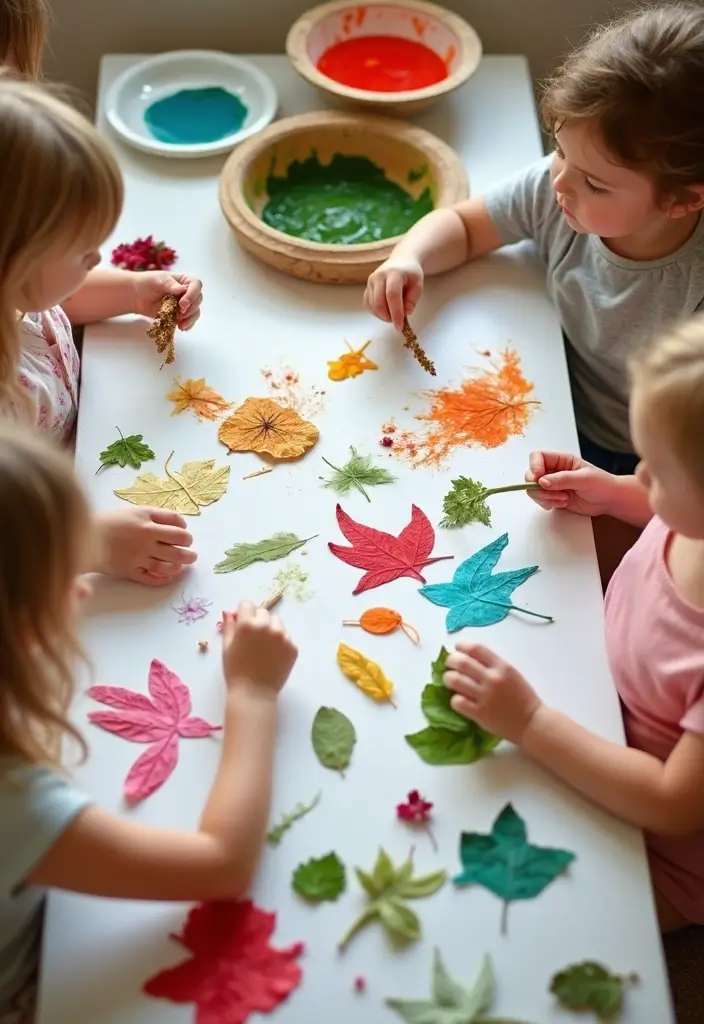
You want a simple craft that uses nature and builds early skills. DIY nature stamps give kids a hands-on way to explore textures, colors, and patterns.
What you need
– Non-toxic paint in a few bright colors
– Paper or cardstock for printing
– Natural stamps like leaves, flowers, seeds, and a potato for stamp art
– A blunt knife and adult help for cutting the potato
– A shallow tray or plate for paint
– Paper towels or wipes for quick cleanups
How to make stamps
– Gather your natural items first. Pick clean leaves and small flowers.
– Cut the potato in half. With simple shapes, carve a tiny stamp like a leaf, circle, or heart.
– Dip the carved side into paint. Tap off excess so prints don’t smudge.
– Press the stamp onto paper. Lift straight up to reveal the print.
– Try two colors and stamp in rows. This builds rhythm and symmetry.
Try these ideas
– Create a garden scene with stems, leaves, and petals.
– Make abstract art by stamping in different colors and directions.
– Use stamps to make greeting cards or a custom wrapping sheet.
What your child learns
– Shape awareness, color awareness, and pattern making.
– Vocabulary like stamp, print, texture, and pattern.
– Focus and fine motor skills through careful stamping.
Tips for success
– Wash stamps after use and lay flat to dry.
– Use fresh, non-toxic paint and keep wipes handy.
– Let kids describe their prints to build language skills.
@media(max-width:480px){
8. Eco-Friendly Glitter Jars
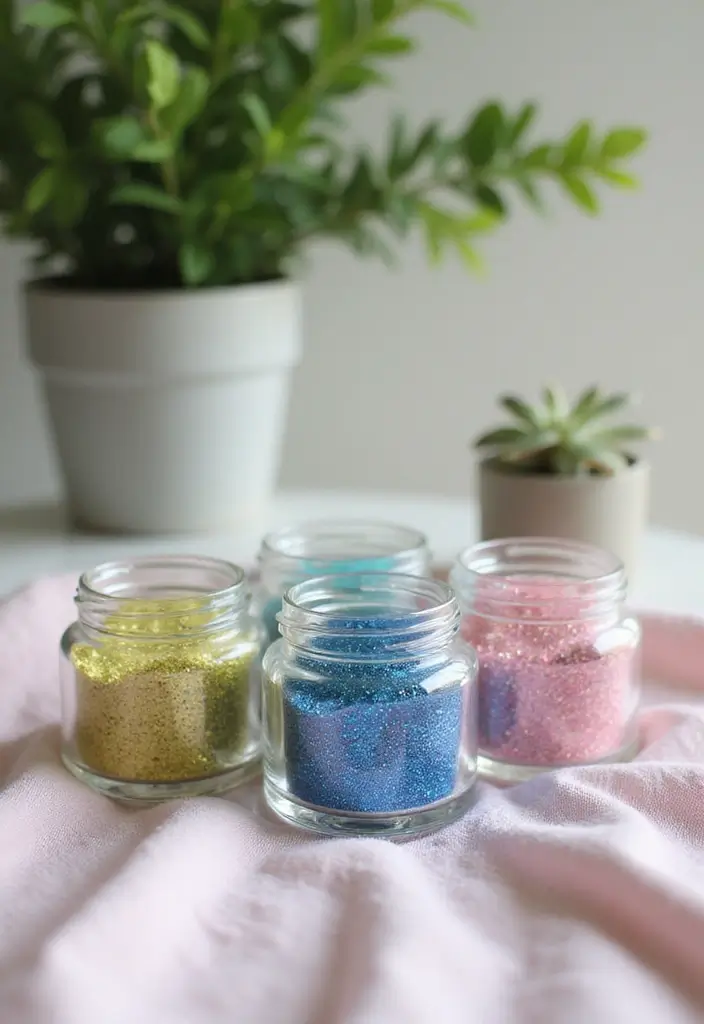
You want a calm, kid-friendly craft that stays safe and green. Eco-friendly glitter jars fit that need. They’re simple to make and invite slow, focused play.
What you’ll need
– 1 cup water
– Biodegradable glitter
– Natural colorants (fruit juice or a drop of food coloring)
– A clear jar with a tight lid
– Glue or silicone to seal the lid
Next, the steps are easy to follow.
How to make
1) Fill the jar almost full of water.
2) Add a small pinch of glitter and a few drops of color.
3) Seal the lid firmly with glue or silicone for a tight seal.
4) Shake gently to mix. Watch the glitter swirl.
5) Let it settle. Notice how colors calm and flow.
6) Talk with your child about the colors, textures, and how the jar makes them feel.
Here is why this works. The jar provides steady visual input. Swirls slow the mind and help focus. It also gives a safe space to name feelings and practice mindfulness.
Safety and care
– Use a plastic jar if you worry about breakage.
– Always supervise young kids.
– Check the seal before play. Replace if the lid loosens.
– Keep jars clean and dry when not in use.
Quick twists
– Swap colors often to refresh the look.
– Try adding a scent with a tiny drop of natural essential oil (do not use near young children who are sensitive).
– Use as a countdown tool for events or routines.
Next steps: make a few jars in different colors and set up a cozy calm corner in your child’s room.
@media(max-width:480px){
@media (max-width: 600px) {
.normal-quiz-iframe { min-height: 570px !important; height: 570px !important; }
}
9. DIY Wind Chimes
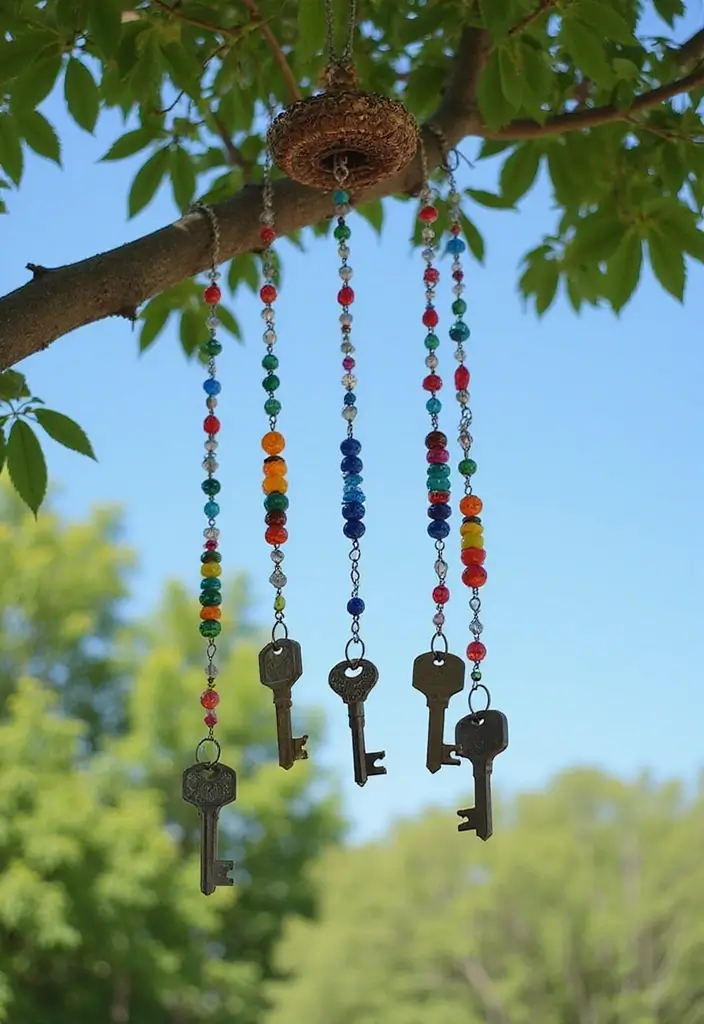
Here is why wind chimes work well for preschoolers: they turn air into music and let kids explore sound.
– What you need: recycled keys, metal spoons, beads, shells, or feathers; a hanger or sturdy stick; string or yarn; safe tape or glue.
– Make the chimes: tie each piece to the hanger with a short length of string. Vary the lengths for different pitches. Space items out so they can move freely. This helps kids feel the breeze on their skin.
– Experiment with sound: hang the chimes outside and let a breeze move them. Ask your child to listen to each piece. Change the order to hear new melodies.
– Decorate: paint the items, add shells, or wrap cords in bright colors. Let kids sign their name with paint. Their signature makes the wind chime feel special.
– Care and safety: supervise with small parts. Use kid-safe knotting. Bring indoors when storms threaten. Let the wind do the rest. You can leave it outside year round.
– Gift idea: make a set for a grandparent or neighbor. Add a gift tag and wrap with ribbon. Keep it simple for younger kids.
– Next steps: take a photo of your finished wind chime and write a tiny note about what your child learned about sound and movement. Capture a quick note for later.
@media(max-width:480px){
10. Salt Dough Ornaments

You want a craft that is easy, builds early skills, and yields a keepsake. Salt dough ornaments do that. With simple kitchen ingredients, your child can measure, mix, and shape.
What you need
– 2 cups all-purpose flour
– 1 cup salt
– 1 cup warm water
– Optional: paints, markers, glitter, and ribbon for hanging
How to make it
1) In a bowl, mix flour and salt until they look like sand.
2) Stir in warm water a little at a time until a soft dough forms.
3) Knead about five minutes until smooth.
4) Roll to 1/4 inch thick, cut shapes, and punch a hanging hole.
5) Place shapes on a sheet. Bake or air dry.
Bake or air dry
– Bake at 200F (93C) for 2–3 hours, turning once, until hard.
– Or air dry 24–48 hours, checking daily.
Decorate
Paint the shapes with kid-safe paints, add markers, and a dab of glitter if you like. Let the pieces dry.
Make it meaningful
Choose themes like holiday decorations or small gifts. Have your child write the date and name on the back for a memory they can hold onto.
Tips to keep it simple
Store leftovers in a sealed bag. If you want them to last longer, apply a thin clear finish after they dry.
Next steps
Show the finished ornaments on a fridge or tree. They’re easy to gift or save as a family keepsake.
11. Fabric Scrap Creatures
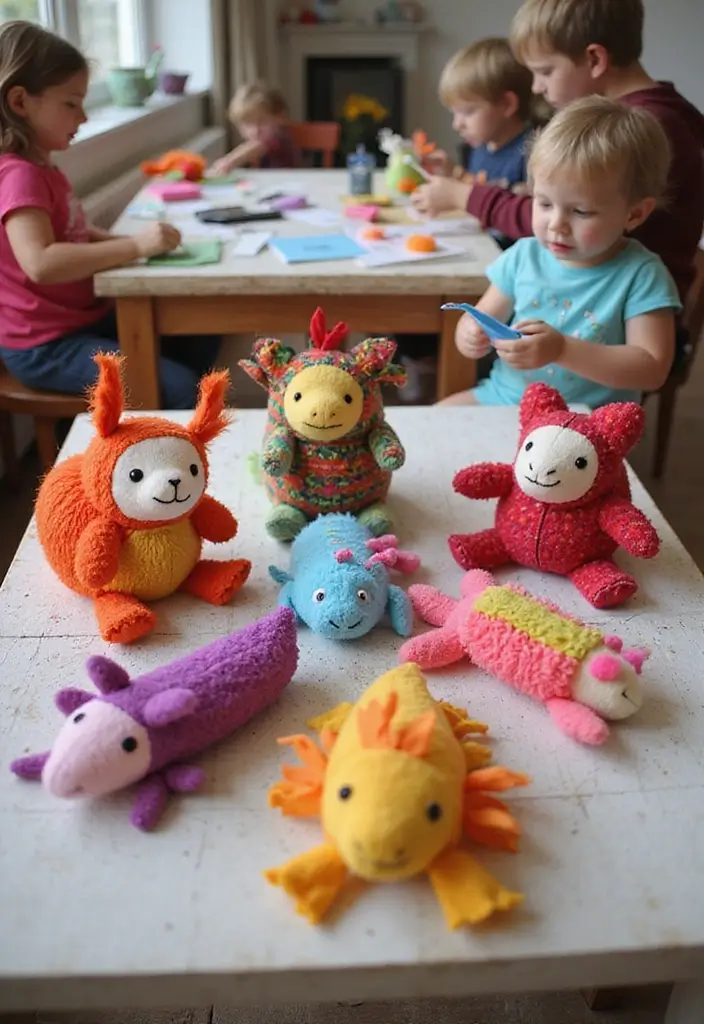
You want a simple craft that uses scrap fabric and helps kids grow. Fabric scrap creatures turn leftover pieces into friendly pals. They boost focus and fine motor skills while sparking stories. You can do this with a calm, playful pace.
– Gather supplies
Collect bright fabric scraps in different textures. Have kid-safe scissors, a bottle of fabric glue for younger kids, and a short length of yarn or thread for older ones. A felt base keeps pieces from sliding. A dash of imagination helps, too.
– Cut shapes
Let your child pick shapes. Cut circles, squares, and triangles from the scraps. If you are guiding tiny hands, show a simple cut and let them mimic. Small cuts build control and confidence.
– Glue or sew
Lay shapes on a sturdy base like felt or cardboard. Glue pieces in place for a quick project. If your child sews, use big, easy stitches along the edges. Always supervise when thread is involved.
– Add features
Glue on eyes, ears, and noses with felt, buttons, or yarn. Finish with a fuzzy tuft of yarn hair or a felt tail. These details make the creature feel real and fun.
– Story time
Ask your child to name the creature and tell a tiny story about it. Where does it live? What does it like to do? Let imagination guide the scene and dialogue.
– Extend play
Turn the creature into a puppet, a fridge magnet, or a pocket buddy. Display the mini creatures on a shelf, and revisit their stories over weeks.
@media(max-width:480px){
12. Upcycled Bottle Planters
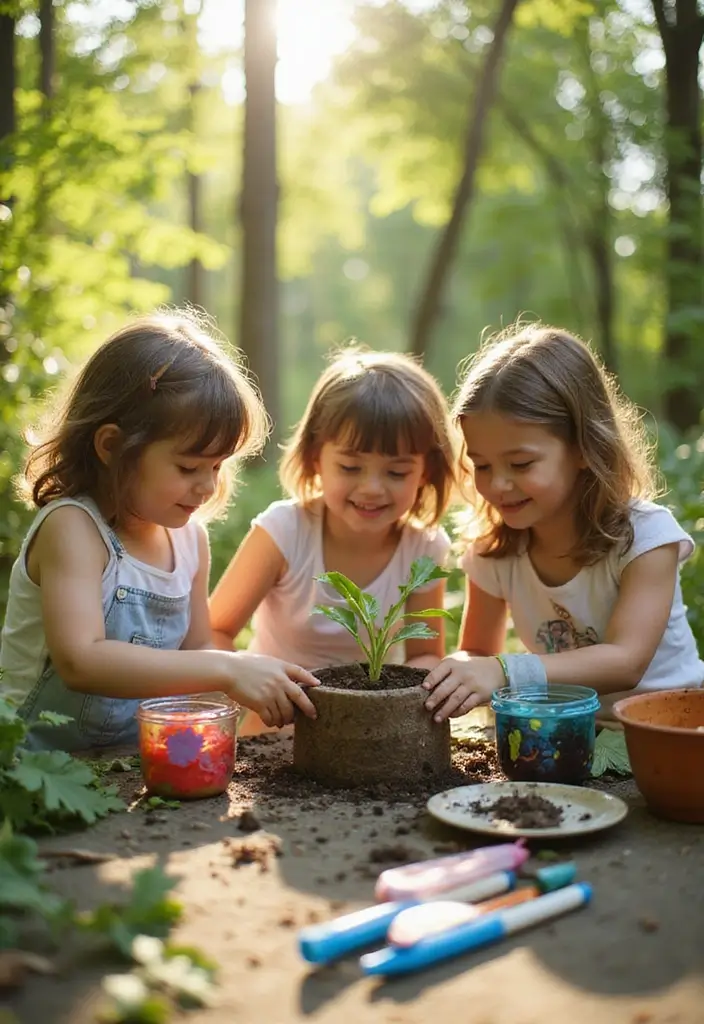
You want a kid-friendly craft that teaches planting and recycling. Upcycled bottle planters fit the bill. They turn old plastic into bright, useful planters and give kids a simple garden to care for.
What you’ll do
– Gather clean plastic bottles, rinse them well, and peel off any labels.
– Cut a hole in the bottom for drainage. Save the top cap for a mini watering aid.
– Decorate the outside with safe paints or markers. Let it dry before you plant.
Planting steps
– Add a small layer of gravel at the bottom for drainage.
– Fill with potting soil suited for herbs or tiny flowers.
– Plant seeds or a tiny seedling. Water gently, then place in bright light.
Care and tracking
– Water regularly and watch for new growth.
– Keep a simple garden journal or draw each stage.
– Note height, leaf color, and how the plant changes week by week.
Tips and limits
– Use kid-safe paints and wash hands after crafting.
– Avoid heavy plants in tiny bottles; herbs, lettuce, or flowers work best.
– This craft fits school projects, after-school time, and small-space gardens.
What’s next?
– Try different bottle sizes and colors.
– Observe your tiny garden thrive.
@media(max-width:480px){
13. DIY Friendship Bracelets

You’re looking for a screen-free way to boost tiny hand strength and social skills. DIY friendship bracelets for kids fit that need. They use simple yarn, beads, or even recycled bits. The project is easy to adapt for many ages and spaces.
Materials
– Bright yarn in kid-friendly colors.
– A few large-hole beads or buttons.
– Kid-safe scissors and tape or a small board to hold the work.
– Optional recycled scraps for a mixed look.
Steps
– Cut a length of yarn about 60 cm long.
– Tape the center of the string to the table to keep it steady.
– Learn a simple forward knot to start the pattern.
– Add beads as you go to create stripes or designs.
– Plan your color order before you finish so the bracelet looks intentional.
– Tie a sturdy knot at the end and trim the tails.
Here is why this helps: kids practice grip, finger control, and hand-eye coordination. They also pick color ideas and talk about which friend they made the bracelet for. This builds focus and planning while allowing sharing and kindness.
Tips for success
– Start with thicker yarn for younger children.
– Use beads with big holes to make threading easy.
– Safety first: supervise when beads are near small children.
Next steps: try a bracelet swap day with classmates or family. It’s a friendly way to celebrate effort and generosity.
14. Leaf Rubbings
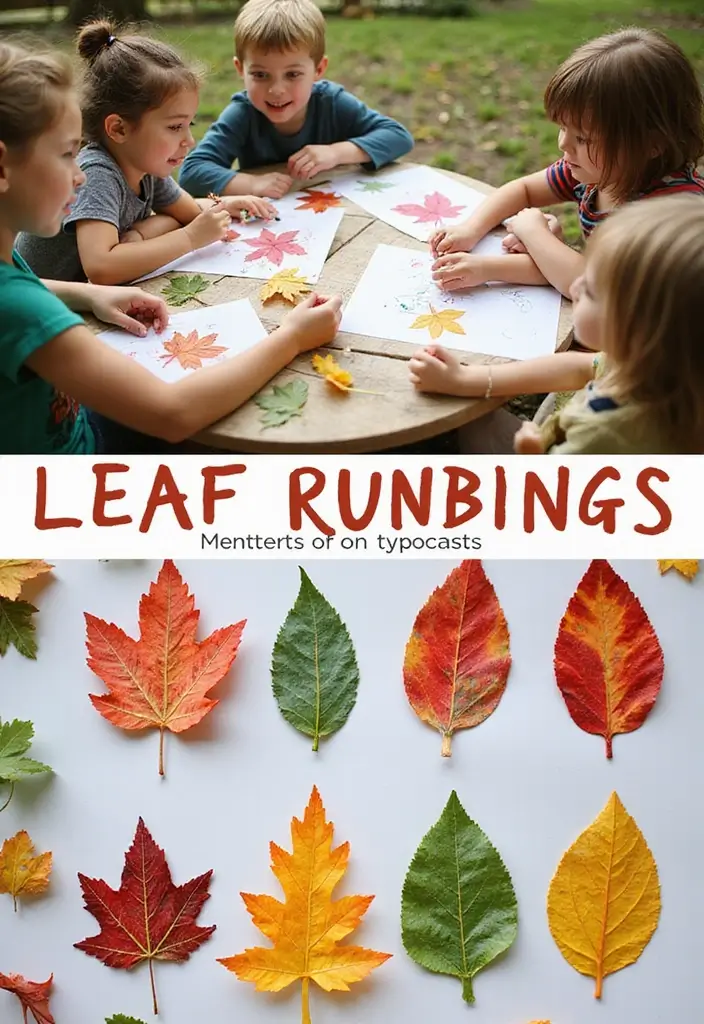
Want a calm, hands-on craft that builds early skills? Leaf rubbings mix nature and art in a simple, satisfying way.
– Materials: leaves collected on a walk, sturdy drawing paper, crayons or colored pencils, a flat table, and optional tape to mount finished pieces.
– Steps:
– Gather a mix of leaves in different shapes and sizes.
– Place a leaf under a sheet of paper on the table.
– Rub softly with a crayon held flat to spread color across the paper.
– Lift the paper to see the leaf’s print. Adjust pressure for light or bold lines.
– Try several leaves to make a small set of rubbings.
– Talk about what you notice, like curved edges or jagged edges.
– Display ideas: line up the prints on a wall, or clip them to a string with clothespins to make a mini gallery. Add simple labels with leaf names or where you found them.
– Why it helps: you practice fine motor control, build sensory awareness, and learn to describe shapes. It also invites curious questions about trees and seasons.
– Tips: work on a clean, flat surface. Keep rubbings quick and light for clean prints. Store finished pieces in a folder or on a corkboard.
– Variations: try white crayons on dark paper for contrast, or use pencil lines instead of color to create a pencil rub.
Next steps: gather leaves on your next nature walk and try a quick 10-minute session with your child.
@media(max-width:480px){
@media (max-width: 600px) {
.visual-quiz-iframe { min-height: 995px !important; height: 1100px !important; }
}
15. DIY Colorful Kites
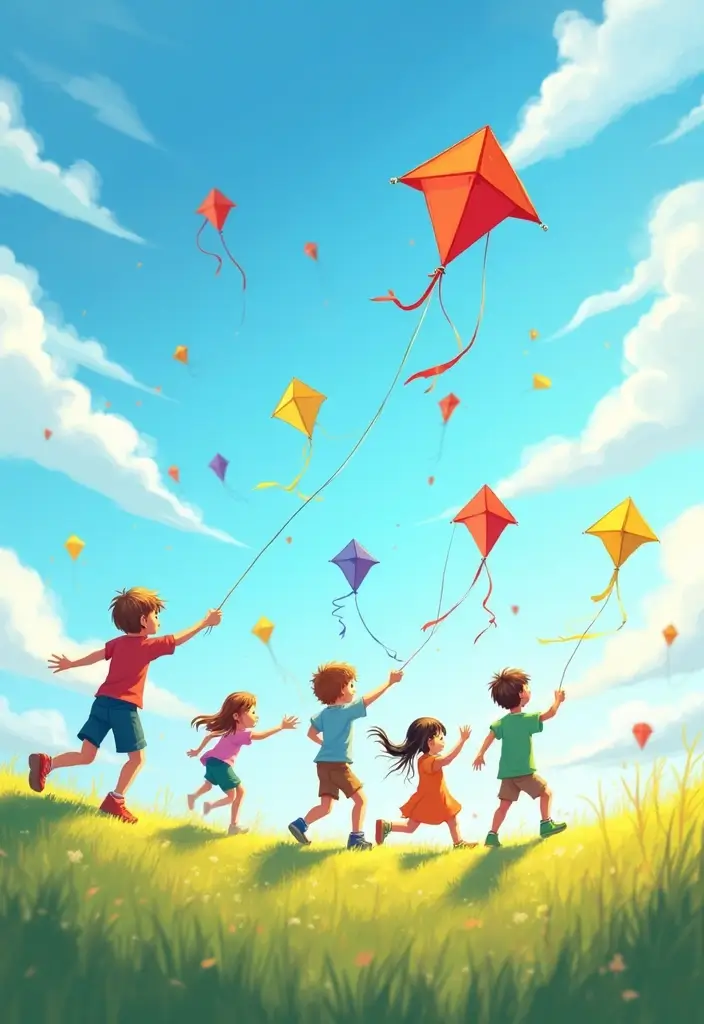
You want a craft that builds small hands and sparks curiosity. Try DIY Colorful Kites. Start with light stuff like a plastic bag or plate. Gather string, tape, kid-safe scissors, and markers or paint. Keep it simple so your child finishes with pride.
What you need
– Plastic bag, or paper plate
– A light frame like a thin stick
– String, tape, and kid-safe scissors
– Markers, or paint
– Ribbon or yarn for a tail
Steps
1) Choose your base and lay it flat.
2) Cut a simple shape if needed, like a diamond or square.
3) Decorate the surface with color.
4) Build a light frame and attach it to the back with tape.
5) Tie a string to the frame and add a tail for balance.
6) Go to a park on a calm day and launch.
Test and adjust. If the kite noses down, lengthen the tail or tilt the nose up a bit. If it stays up too high, shorten the tail or ease the angle.
Learning moments
Wind helps the kite rise. Air moving past the shape lifts it. Watching it in a light breeze teaches cause and effect.
Tips
– Keep sessions short and fun.
– Let kids pick colors and patterns.
– Store kites flat or rolled to protect decorations.
This blends craft with outdoor play. Next: try new shapes.
16. Paper Mache Creations
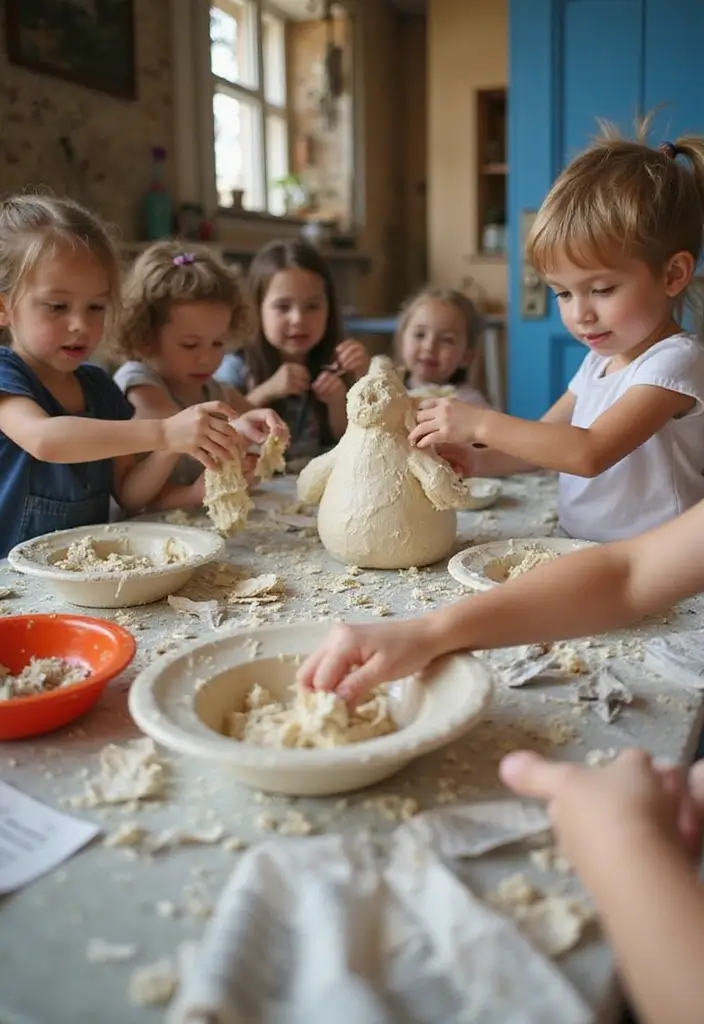
Are you looking for a preschool project that’s fun and builds small hands? Paper mache fits. It strengthens fingers, teaches patience, and sparks imagination. Your child can make animals, masks, or abstract shapes.
What you need
– newspaper strips
– flour and water paste
– a bowl and spoon
– a base shape (balloon or cardboard)
– paint, brushes
– a protective sheet for the table
How to make it
– Mix flour and water to a smooth paste.
– Tear strips from the newspaper.
– Dip a strip, shake off the excess, and smooth it on the base.
– Add 2–3 layers for strength. Let each layer dry a bit.
– Let the sculpture dry completely, usually overnight.
Finish ideas
– Paint bold colors.
– Add texture with yarn, tissue, or buttons.
– Draw eyes or a simple face.
Tips
– Work on a washable surface. Wear an old shirt.
– Keep paste at a safe level for hands.
– Dry in a warm spot away from drafts.
– Supervise small decorations to avoid choking hazards.
Why it helps
– Builds fine motor control with every strip.
– Teaches planning and patience.
– Encourages creativity and problem solving.
Next steps
– Start with a simple sphere or heart.
– Then try a small animal or mask.
– If you want a quicker start, use a pre-made base.
17. Color Mixing Fun
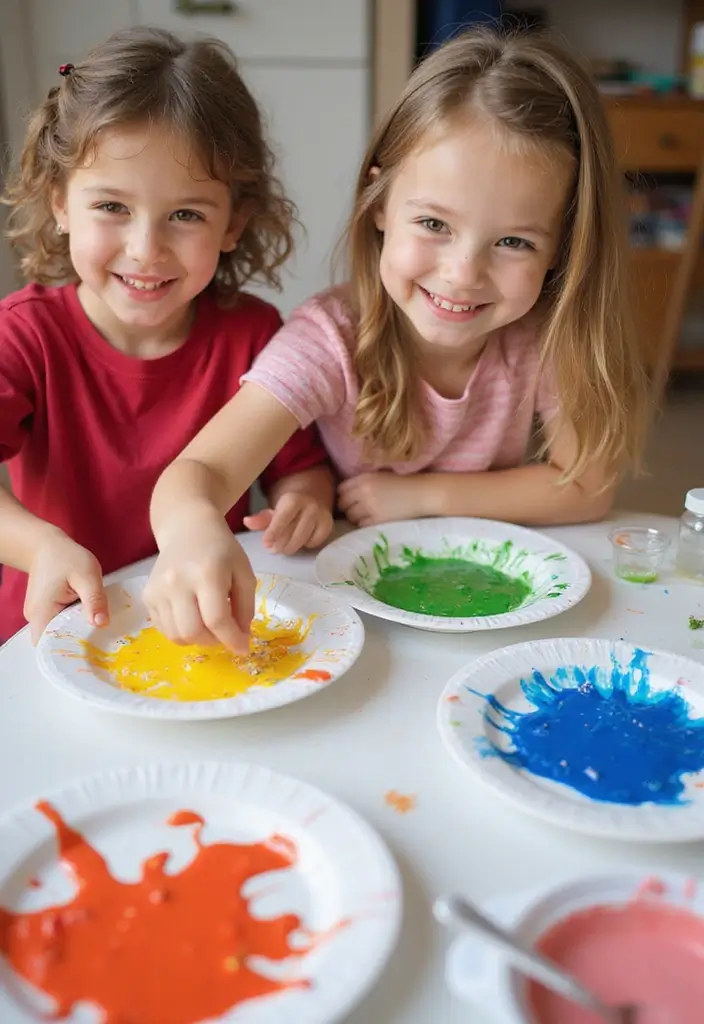
Color mixing is a simple, powerful way to grow curious minds. You guide kids to become little scientists without big mess. Use safe, non-toxic paints so everyone stays comfortable.
What you need
– Primary color paints: red, blue, yellow
– A white paper plate as a mixing tray
– Brushes, sponges, or clean hands
– A cup of water for rinsing
– Paper towels or a cloth for quick cleanups
Getting started
– Set the plate within easy reach. This keeps colors tidy.
– Let your child choose two or three primary colors.
– Add small drops of one color into another. Watch how new shades appear.
– Talk about what you see. Is the mix lighter or darker? Which color is more?
– Try equal amounts to see a bold mix. Add more of one color to change the tone.
What kids learn
– Color names and shade ideas
– Sensory awareness from touching the paint
– Early math ideas like more, less, and changing color
Tips to keep it easy
– Work on a plain surface for simple cleanup
– Use a white plate so cleanup is quick
– Let kids lead and name the colors
Follow-up ideas
– Paint a small scene using your mixed colors
– Point out how colors change as you mix
– Clean up with water and wipe the plate when done
@media(max-width:480px){
18. Pom-Pom Creatures
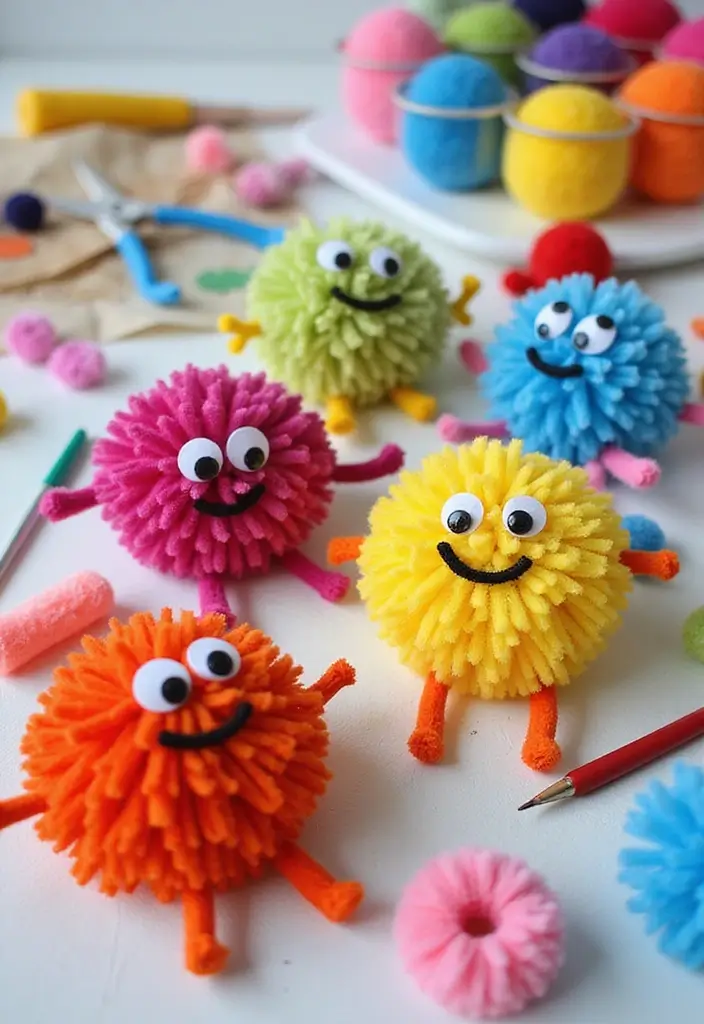
Your preschoolers need a craft that strengthens tiny hands and sparks imagination. Pom-pom creatures are perfect. They use soft yarn, a quick tool, and simple decorating. You can do this at home or in a classroom.
– Materials
– Pom-pom maker or a simple method
– Yarn in bright colors
– Googly eyes, felt scraps for ears or fins
– Glue safe for kids
– Scissors (child-safe)
– Steps
– Step 1: Make a few pom-poms with the yarn and maker. Keep the shapes fluffy.
– Step 2: Add eyes and a mouth with googly eyes and a small felt strip.
– Step 3: Attach ears, fins, or limbs with glue. Let each creature have its own look.
– Step 4: Mix textures by using soft, fluffy, and even sparkly yarn.
– Step 5: Use the creatures for stories, color games, or tiny décor.
– Skills and play ideas
– While you work, talk about animal traits. Color choices teach recognition.
– Ask, “What sound would this friend make?” Then act it out.
– These little wins build finger strength and hand control.
– Safety and tips
– Supervise small parts. Store pieces in a box after crafts.
Next moves: Make a small group of creatures to tell a tiny story. You can line them up as a mini parade or a display on a shelf.
@media(max-width:480px){
19. Suncatchers with Nature
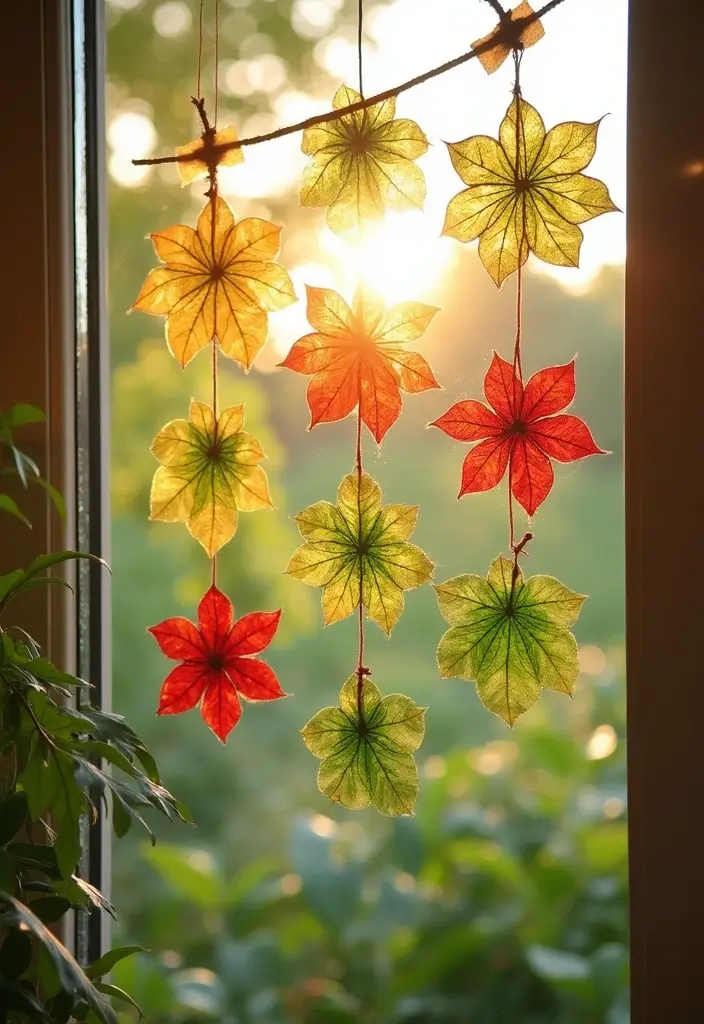
If you want a calm, colorful craft that fits a nature theme, try suncatchers with real items. Kids watch light move and colors glow. You get window decor that changes with the season and time of day.
What you’ll need
– Leaves, petals, flowers, seeds, and small twigs from outdoors
– Clear contact paper or other transparent, kid-safe sheets
– Eco-friendly glue or a biodegradable adhesive
– Scissors (adult help as needed)
– A string or ribbon for hanging
How to make it
– Bring in natural pieces. Let kids wipe them clean and lay them flat.
– Open a sheet of contact paper with the sticky side up. Add the pieces in a loose, playful mix.
– Place a second sheet on top, sticky side down. Press gently to seal.
– Trim the edges and smooth any air pockets. If you like, punch a hole and add string.
– Hang the suncatchers in a sunny spot. Watch the light catch the colors.
What kids learn
– Color recognition comes alive as hues glow in light.
– Fine-motor skills grow from placing tiny pieces and smoothing edges.
– Observation sharpens as they compare shapes, sizes, and patterns.
– Creative thinking grows through pattern ideas and seasonal displays.
Pro tips and seasonal ideas
– Use autumn leaves in fall and pine needles in winter for fresh looks.
– Keep glue kid-safe and supervise younger children.
– This activity stays doable in short bursts, but you can extend it by making several small suncatchers at once.
Next steps: try a sunlit window and discuss what changes as the day passes. You’ll get a simple project that builds focus, curiosity, and a cozy mood in your space.
@media(max-width:480px){
20. Recyclable Art Sculpture

You want a project that is fun, teaches recycling, and builds skills. A recyclable art sculpture does all three. It uses items you have—magazines, bottles, caps, tubes, scraps. You guide the child, but the art grows from their choices.
Here is why this works: kids plan with objects, test ideas, and learn patience as glue dries. They see waste become art.
Let’s break it down into simple steps.
– Gather and sort materials: choose colors and textures that stand out.
– Decide on a theme and plan: ask, What story will this piece tell? Sketch a quick map of parts.
– Build the base and add pieces: glue, tape, and stack to form. Let each layer dry before adding more.
– Add details and texture: crumple paper, twist wire, press bottle caps for eyes, glue on fins.
– Create a moving or story element: add a simple string to move a part, or attach a card that tells a story.
– Display at home: set up a mini gallery. Give each piece a title and label.
Next steps: invite your child to make another piece that moves or tells a bigger story. With practice, your recyclable art grows bolder.
Enjoy the praise as you learn.
@media(max-width:480px){
21. DIY Terrariums
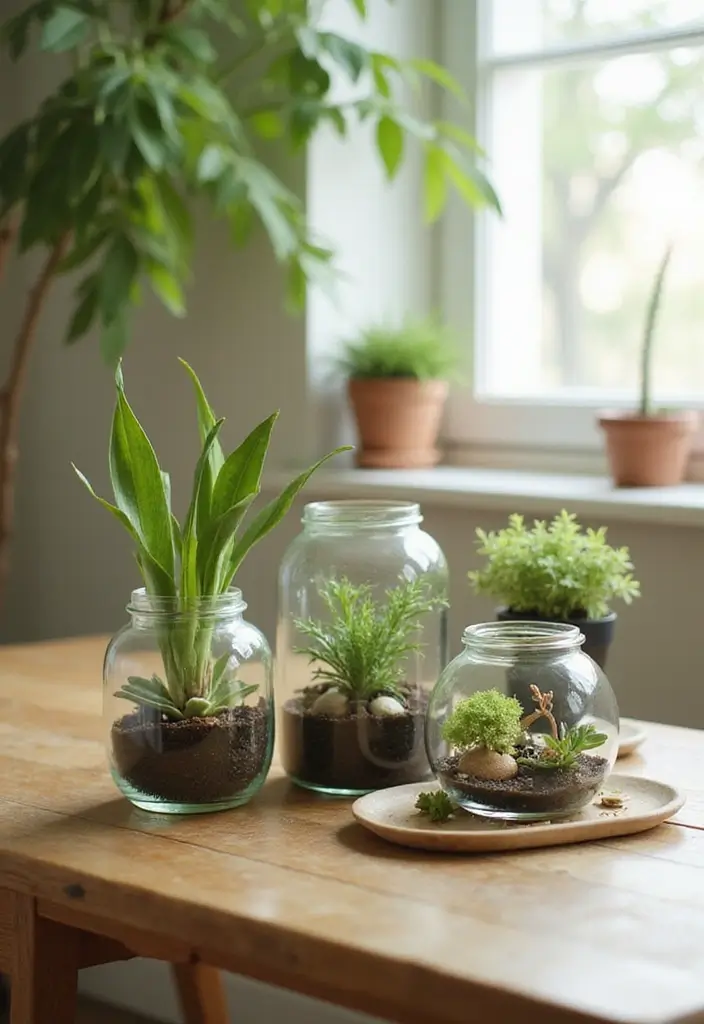
You want a craft that teaches nature and care. DIY terrariums fit. They turn a clear jar into a tiny world you can watch.
Materials
– clear container
– tiny plants or moss
– soil and a few smooth stones
– a spoon or stick for placement
– optional natural decorations
Here is why this works for you. Kids plan the scene first. Then they build it, layer by layer. They practice fine motor skills as they press soil and place pieces. They also learn responsibility by caring for their mini ecosystem.
Steps
– Add a thin soil base
– Gently place plants or moss
– Top with stones and small decorations
– If you use a lid, prop it so air can move a bit
Next steps. Talk about sun, water, and air and how they help the plants stay alive. For an easy-care option, moss or small succulents work well.
Tips
– Open terrariums stay simple to care for
– Mist the moss or plants when they seem dry
– Keep the space kid-friendly with simple tools and close supervision
Terrariums make nice room decor or gifts. They spark curiosity and give kids a hands-on nature lesson.
@media(max-width:480px){
22. Painted T-shirts

You want a craft that lets kids wear their art and build small skills. Painted T-shirts let kids enjoy t-shirt painting and practice careful handwork.
What you’ll need
– Gather fabric paint, fabric markers, brushes, and stencils in a few colors.
– Have a few plain T-shirts and a sheet of cardboard to slip inside the shirt.
– Set up a clean, flat work area with paper towels and small cups for paint.
How to do it
– Let your child pick a theme and a color plan.
– Place sturdy cardboard inside the shirt to stop paint from seeping through.
– Have them light sketch a design or use a stencil for easy shapes.
– Apply fabric paint with a brush or sponge, building color in layers.
– Add fine details with fabric markers for thin lines.
– Allow the design to dry fully before handling.
Tips for success
– Use stencils for younger kids to guide the look.
– Tape off edges to keep lines neat.
– Work in small layers and let each layer dry.
– Let kids choose a second design on a new tee for practice.
Finish and care
– If your paint needs heat setting, follow the product instructions with an iron.
– Turn the shirt inside out and wash in cold water.
– Let it air dry to keep colors bright.
– Share the finished shirt with family at show and tell.
@media(max-width:480px){
23. Nature Footprint Art

You want a craft that is simple and fun. It helps kids build early skills. Nature footprint art fits. It uses feet, paint, and paper to make pictures that feel part of the season.
Here is what you need:
– Washable, non-toxic paint in a few colors
– A shallow tray for the paint
– Sturdy paper or a small canvas
– A damp cloth for quick cleanups
– Markers or brushes to add details
Next, set up comfortably. Lay down a mat or old newspaper. Pour a small amount of paint into the tray. Invite your child to step into the paint and press their foot onto the paper or canvas.
Stop and talk as you go. Compare footprints of different sizes. Ask, “Which one is bigger?” Can we line them up to make a path? Count the steps or measure with a ruler to add early math ideas.
When the footprints dry, add details. Draw grass, flowers, or a sun around the prints. Press a leaf to add texture, or stamp with a sponge for more leaves.
Cleanup is part of the craft. Wash hands, wipe the surface, and keep the paints in their container.
Use this nature footprint art to boost sensory play, language, and early math all at once. It’s a simple activity that fits busy days and grows with your child.
@media(max-width:480px){
24. DIY Bubble Wrap Printing
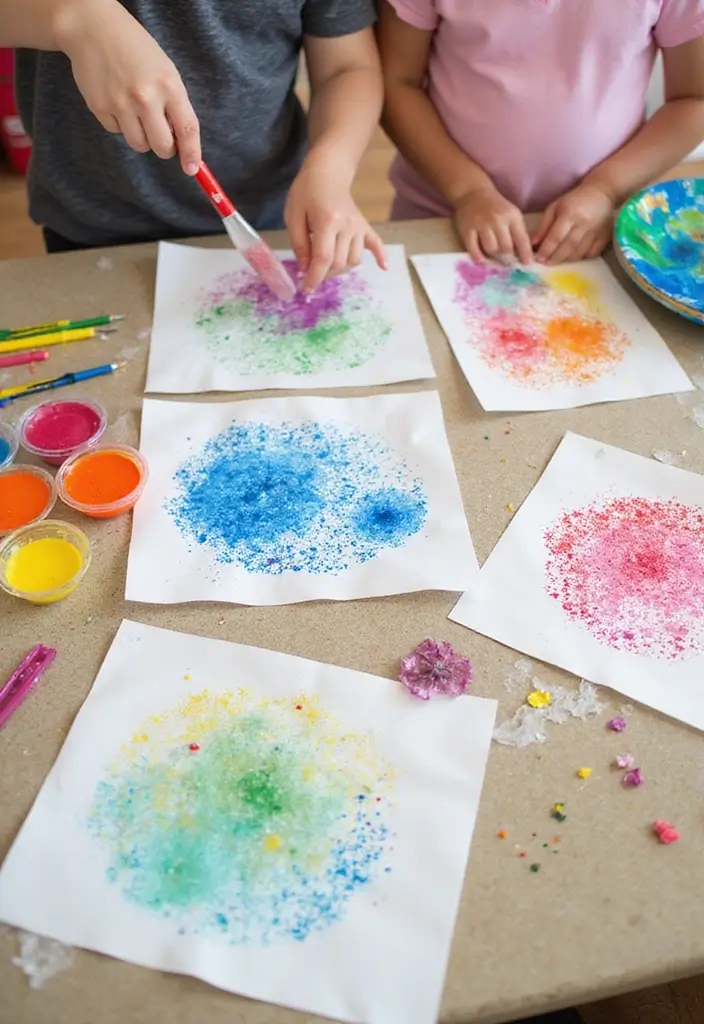
Looking for a preschool craft that blends color, texture, and calm play? Bubble wrap printing fits. It teaches printmaking and helps kids see how colors blend on paper.
What you need
– bubble wrap in different sizes
– washable paint in several colors
– paper for printing
– a flat work surface and a tray or lid for paint
– a sponge or brush for applying paint
– old newspaper or a protective cloth to catch spills
How to do it
– Cover the workspace with newspaper to keep cleanup simple.
– Pour a small amount of paint onto the tray.
– Dip a sponge or brush in paint and dab the bubble wrap, coating the bumps.
– Press the painted side of the bubble wrap onto a sheet of paper.
– Lift straight up to reveal the print.
– Repeat with other colors and different bubble wrap sizes.
– Let the prints dry fully before handling.
Tips and variations
– Use large bubble wrap for bold circles and small wrap for tiny spots.
– Overlap prints to build layered textures.
– Clean between colors or blend them by lightly smudging with a finger.
– Rotate the wrap before pressing to create new patterns.
– Try glossy paper for bright prints or matte paper for softer looks.
Why this helps
– It strengthens hands as kids press, lift, and repeat.
– It builds color awareness and pattern thinking.
– It introduces simple design ideas like repetition and contrast.
– It stays fairly tidy and is easy to clean up after a busy art time.
@media(max-width:480px){
25. DIY Holiday Cards
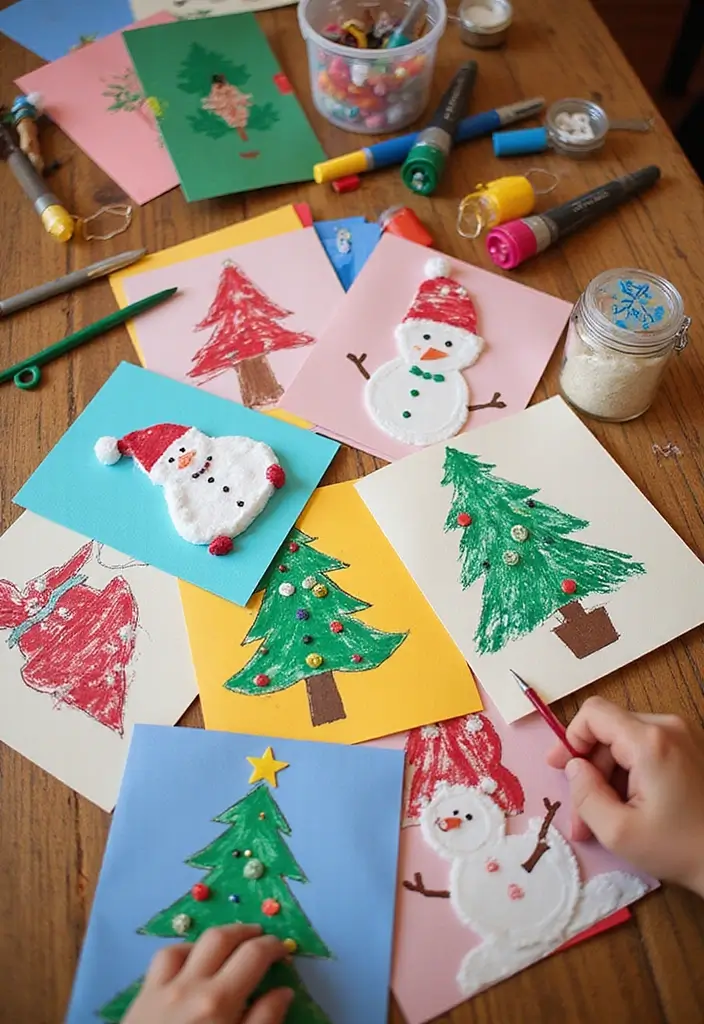
You’re looking for a simple, meaningful craft that kids can do for the holidays. DIY holiday cards let them create something from the heart and build early skills at the same time. Here is why this works.
What your child gains: better motor control from cutting and drawing, more creativity, and a chance to share kindness when they write messages.
What you need:
– sturdy cardstock or folded note cards
– kid-safe markers, crayons, and paint
– stickers, stamps, glue, and safety scissors
– envelopes for gifting
– optional: textured papers, ribbon, or confetti
How to do it:
– Fold the cardstock to make a card.
– Let your child draw, paint, or collage a scene that fits a holiday or theme.
– Ask for a short message inside. Simple lines like “Happy Holidays” or “Wishing you joy” teach empathy.
– Decorate with stickers or stamped shapes to add color and texture.
Try these ideas:
– Layered paper cards with cut shapes for a 3D look.
– Thumbprint designs that become tiny trees or stars.
– Mini pop-up cards using folded paper and easy folds.
Make it practical:
– Set up a small workspace, keep wipes handy, and use safe scissors.
– Create a card exchange day so kids share their work with classmates or family.
Next steps: gather supplies, pick a day, and start crafting together.
@media(max-width:480px){
26. DIY Story Stones
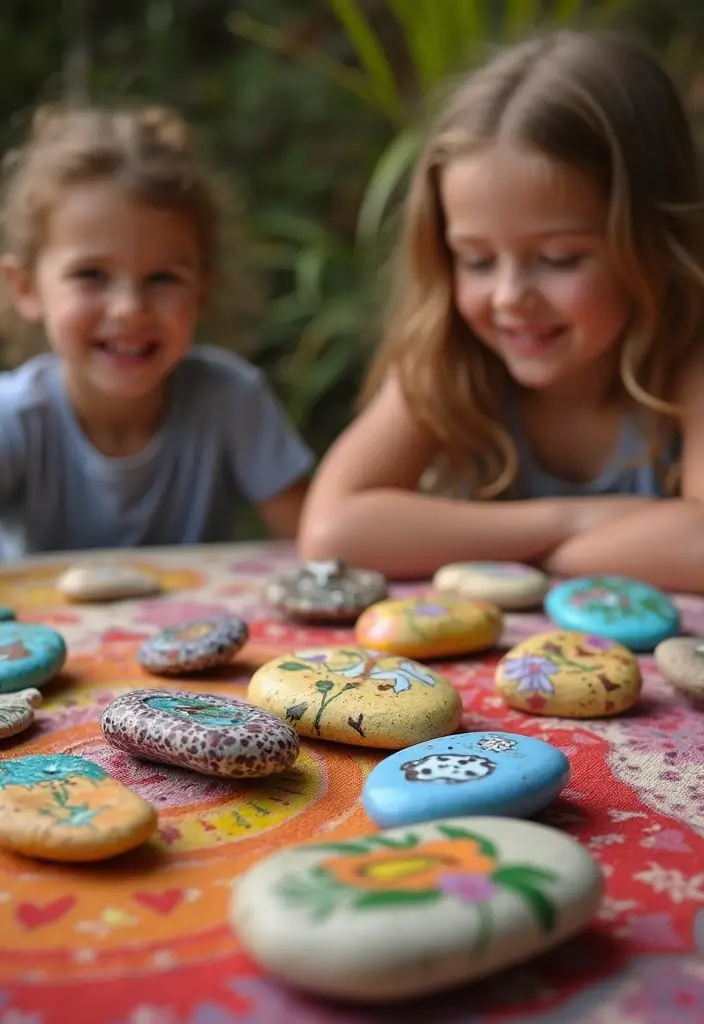
You want a simple, screen-free activity that helps kids build stories and language. DIY story stones can do that. They turn plain river rocks into lively characters and settings for quick, vivid tales.
What you need
– Smooth stones, washed and dry
– Kid-safe paints or markers
– Fine brushes or cotton swabs
– Clear sealant (kid-safe) if you want durability
– Water cup and cloth for cleaning
– A small bag or box to store the stones
Steps
– Start by cleaning the stones and letting them dry completely.
– Plan tiny scenes. On each stone, paint a character, object, or place.
– Let the stones dry, then seal if you use wet paints.
– Gather a few stones for a short story starter, then add more to continue the tale.
How to use
– Place stones on a tray where kids can see them easily.
– Pick three stones: setting, character, and goal. Tell a quick story, then bring in new stones to add twists.
– Use the stones to practice sequencing. Ask questions like, What happened first? What happened next?
Benefits and tips
– Story stones boost vocabulary and turn-taking. They also teach story order and problem solving.
– For little hands, offer pre-drawn stones or stickers to finish quickly.
– Use story stones at circle time or during travel for calm, creative moments.
Next steps
– Create themed sets, such as animals, friends, or weather. Store them in the bag for easy access and ongoing practice.
Conclusion
Crafting isn’t just about creating; it’s a journey of learning and discovery for preschoolers!
These 26 eco-friendly crafts help build early skills while highlighting the importance of creativity and sustainability.
Encourage your little ones to dive into these projects, and watch as they explore, play, and learn through every colorful creation. Happy crafting!
Note: We aim to provide accurate product links, but some may occasionally expire or become unavailable. If this happens, please search directly on Amazon for the product or a suitable alternative.
This post contains Amazon affiliate links, meaning I may earn a small commission if you purchase through my links, at no extra cost to you.
Related Topics
preschool crafts diy
eco-friendly crafts
creative learning
hands-on activities
art projects for kids
DIY for toddlers
recycled materials
nature-inspired crafts
easy crafts
fine motor skills
screen-free activities
imaginative play