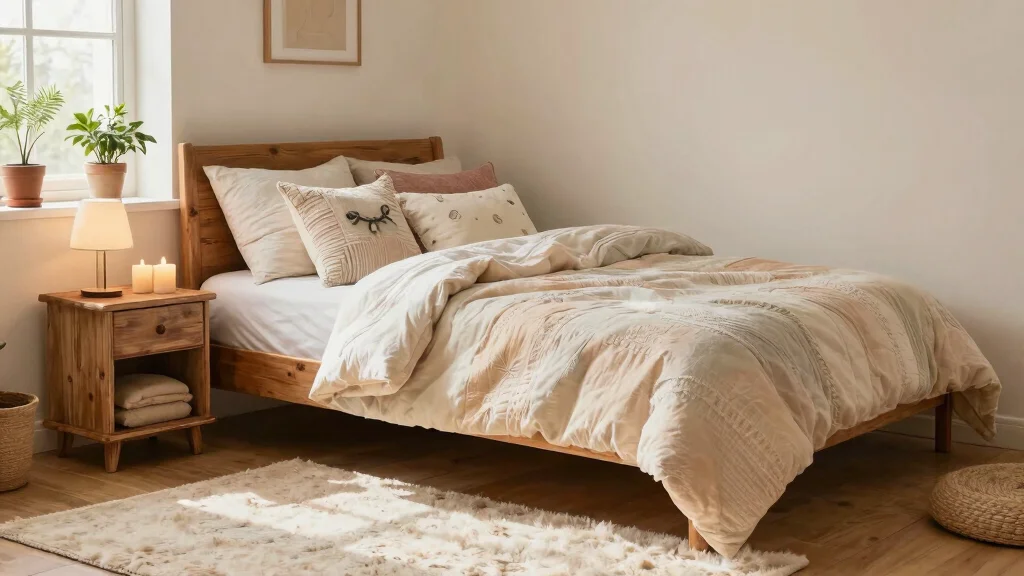

Creating a minimal home design has never been more appealing. With our fast-paced lives, clutter can easily overwhelm us. That’s why I put together this guide. I want to help you bring simplicity and calm into your living space. Minimalism isn’t just about having fewer items; it’s about creating a peaceful environment where your mind can rest and your creativity can flourish. If you’ve been looking to embrace a cleaner lifestyle, these ideas will resonate with you.
This post is perfect for those who are passionate about DIY projects, sustainable living, and modern decor. Whether you’re a seasoned crafter or just getting started, you’ll find inspiration here. You’ll learn practical tips to transform your home into a minimalist sanctuary. Each idea is designed to help you declutter, organize, and enjoy your space more fully.
As you explore these 15 DIY minimal home design ideas, you’ll discover ways to express your personality through simple yet impactful decor choices. From upcycling furniture to creating a calming color palette, these projects will enhance your home while promoting a cleaner, more sustainable lifestyle. So, let’s dive into the world of minimalist design and find the perfect projects for you!
Key Takeaways
– Embrace Upcycling: Discover how upcycled wooden pallets can serve as stylish furniture pieces, reducing waste and adding character to your home.
– Create a Personal Gallery: A minimalist wall art gallery can showcase your favorite pieces while keeping your space open and airy.
– Incorporate Plants: Sustainable plant decor not only beautifies your home but also improves air quality and brings a touch of nature indoors.
– Maximize Storage: Built-in storage solutions can help you keep clutter at bay, making your space feel organized and functional.
– Choose a Neutral Palette: A neutral color palette can create a calming atmosphere, making your home feel more spacious and inviting.
1. Upcycled Wooden Pallet Furniture
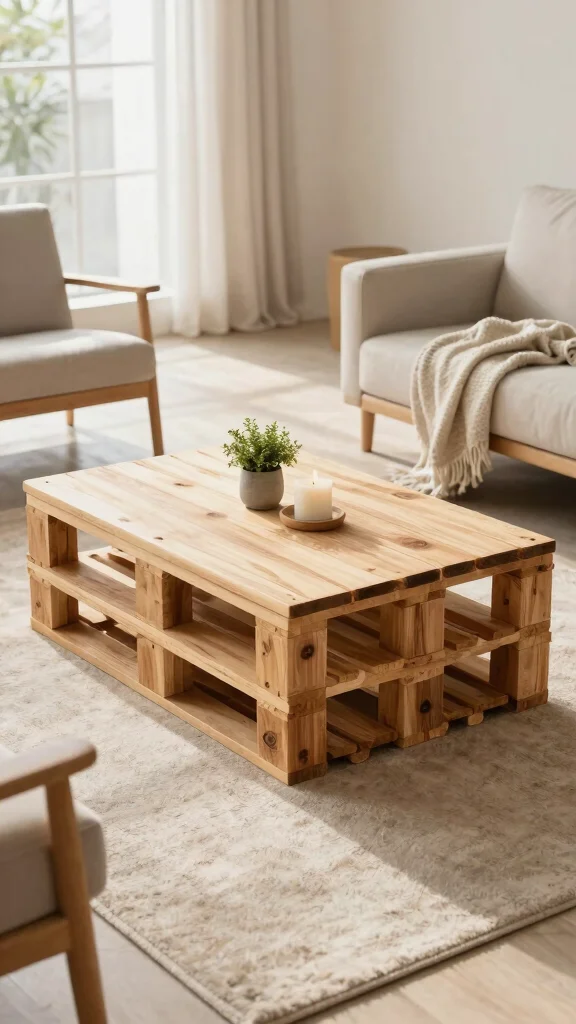
Embrace the charm of upcycled wooden pallets by transforming them into stylish furniture pieces. This eco-friendly approach not only breathes new life into discarded materials but also introduces a rustic elegance to your minimalist home. Consider staining the pallets in soft neutrals to maintain a cohesive look that complements your clean design aesthetic.
For an affordable touch, you can create a coffee table by stacking two pallets securely or turn a single one into a chic wall shelf. Sanding the wood is essential to avoid splinters, ensuring a safe and stylish addition to your space.
Consider these ideas to enhance your space with pallet furniture:
– Pair stacked pallets with a glass top for a modern twist
– Use painted pallets as a creative headboard
– Incorporate pallet planters for an outdoor touch
This sustainable choice not only showcases creativity but also adds warmth through natural textures, enriching your home’s overall ambiance.
How To Choose Minimalist Home Decor
Choosing the right minimalist home decor can transform your space into a serene and functional environment. With the focus on simplicity and sustainability, selecting decor items requires thoughtful consideration. Here’s a guide to help you make the best choices.
1. Assess Your Space
Start by evaluating the size and layout of your room. Consider how much space you have for furniture and decor. Measure areas to avoid overcrowding. A minimalist design thrives on open spaces, so keep the dimensions in mind to maintain a clean look.
2. Define Your Color Palette
Choose a neutral color palette that promotes calmness and clarity. Opt for shades like whites, grays, and soft earth tones. This creates a cohesive look and enhances natural light. Remember, a well-defined color scheme ties together various elements, making your space feel unified.
3. Prioritize Functionality
Select decor that serves a purpose. Multifunctional furniture, like a coffee table with storage, helps you keep clutter at bay. Focus on items that add value to your daily life. This approach not only simplifies your space but also aligns with the principles of sustainable living.
4. Choose Sustainable Materials
When selecting decor, look for items made from sustainable materials like bamboo, reclaimed wood, or organic cotton. These choices not only reduce your environmental impact but also add a unique touch to your home. Sustainable decor often has a story behind it, adding character to your minimalist design.
5. Incorporate Natural Elements
Bring the outdoors in by adding plants or natural stone accents. Plants improve air quality and add a pop of color without overwhelming your space. Consider low-maintenance varieties like succulents if you’re new to plant care. Natural elements enhance your home’s tranquility and align with simple living ideas.
6. Keep Accessories to a Minimum
Limit decorative accessories to a few meaningful pieces. Choose art or decor that resonates with you personally. This prevents your space from feeling cluttered. Remember, less is more in minimalist home decor, so focus on quality over quantity.
Pro Tip: Always consider the lifecycle of your decor items. Look for furniture and accessories that can adapt to different styles or purposes over time. This will save you money in the long run and support a sustainable approach to home design.
Making thoughtful choices in your minimalist home decor will help you create a space that feels serene and organized. Each item should reflect your values and lifestyle, contributing to a clean and functional living environment. Enjoy the process of selecting pieces that will bring you joy while promoting a sustainable lifestyle.
2. Minimalist Wall Art Gallery
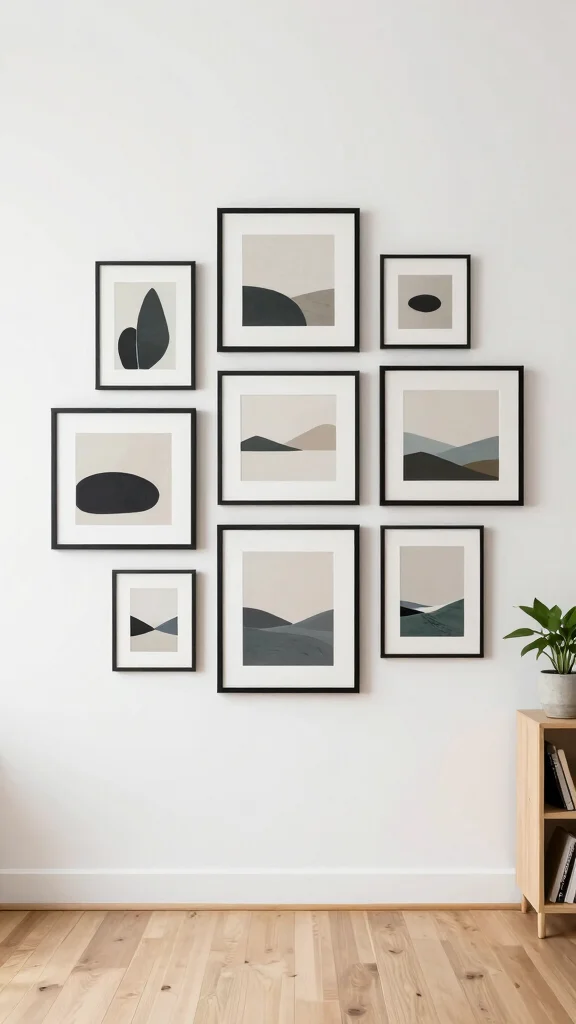
A minimalist wall art gallery can become a stunning focal point in your home. By selecting a few impactful pieces that resonate with your style, you create a curated space that speaks to your personality. Using uniform frames, like white or black, enhances visual harmony, allowing your art to take center stage without overwhelming the decor.
To implement this, focus on artwork that inspires you, whether it’s serene landscapes or bold abstracts. Maintain consistent spacing between the frames to achieve a clean, organized look, and consider crafting your own frames from reclaimed wood to keep it eco-friendly.
Here are some tips for creating your gallery:
– Choose striking artwork that reflects your taste
– Arrange pieces in a grid for a sleek appearance
– Use a mix of sizes for added interest
This thoughtful approach to displaying art allows you to personalize your space while keeping it elegantly simple.
Keep your minimalist wall art gallery simple: choose 3–5 pieces that truly speak to you. Use uniform white or black frames and equal spacing to create calm, intentional vibes—ideal for any diy minimal home design.
🏡 Transform Your Home Effortlessly
Unlock the secrets to stunning DIY makeovers that elevate your minimalist living space with style and sustainability.
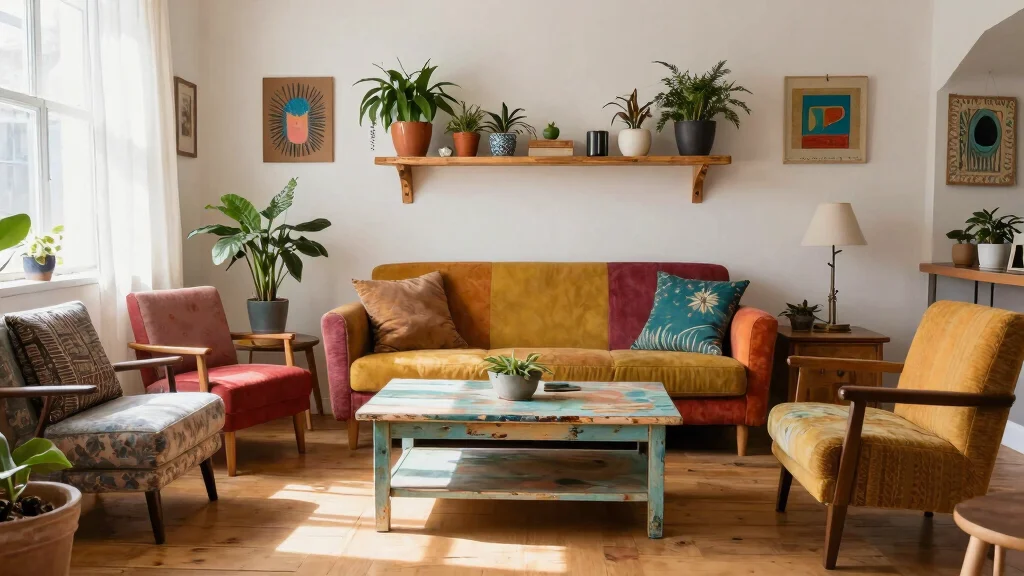
3. Sustainable Plant Decor

Incorporating plants into your home design instantly brings life and freshness to your space. Opt for low-maintenance varieties like succulents or snake plants that thrive on minimal care, making them perfect for busy lifestyles. Displaying them in simple pots keeps the overall aesthetic clean and enhances your connection to nature.
Using floating shelves or stylish macramé hangers can elevate your plants, adding visual interest without clutter. Grouping plants in odd numbers creates a pleasing arrangement, ensuring your decor remains balanced and inviting.
Consider these ideas for integrating plants:
– Pair succulents with textured pots for contrast
– Hang trailing plants for vertical interest
– Use ceramic or terracotta pots for a natural feel
This blend of nature and minimalism not only beautifies your home but also purifies the air, fostering a serene environment.
4. Built-in Storage Solutions
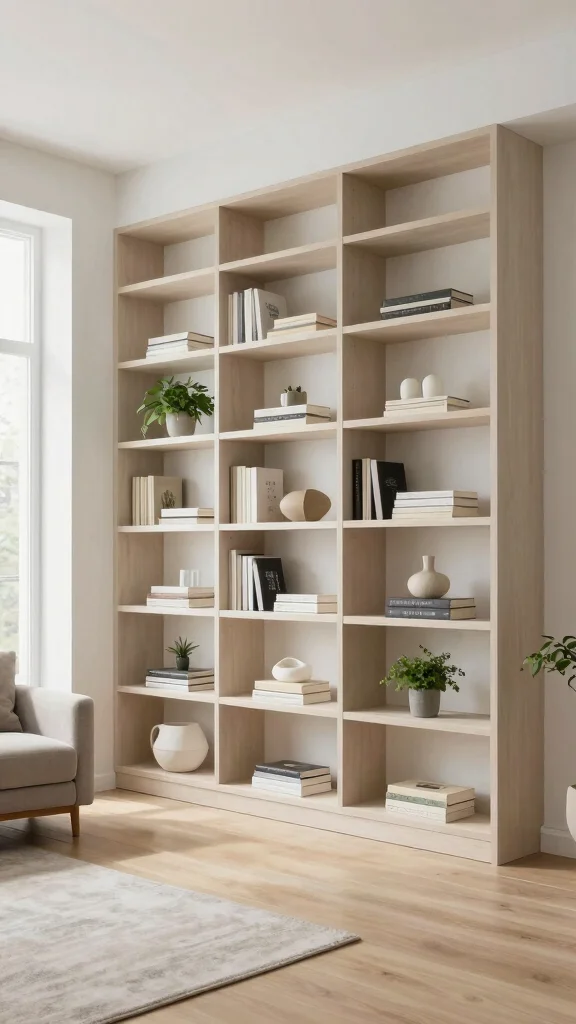
Maximize your living space with built-in storage that seamlessly integrates into your decor. By designing shelves or cabinets that complement your color palette, you create a cohesive look that minimizes clutter and enhances the minimalist aesthetic. This thoughtful approach not only organizes your belongings but also elevates your home’s style.
Consider installing floating shelves in your living room or a built-in cabinet under the stairs to utilize every nook. Using decorative baskets or boxes within these spaces can keep items organized while maintaining a tidy appearance.
Explore these built-in storage ideas:
– Create a reading nook with shelves for books
– Use under-stair cabinets for hidden storage
– Design a built-in bench with storage underneath
A well-organized home not only looks appealing but also improves your overall living experience, making spaces feel open and inviting.
5. Simple Textile Choices
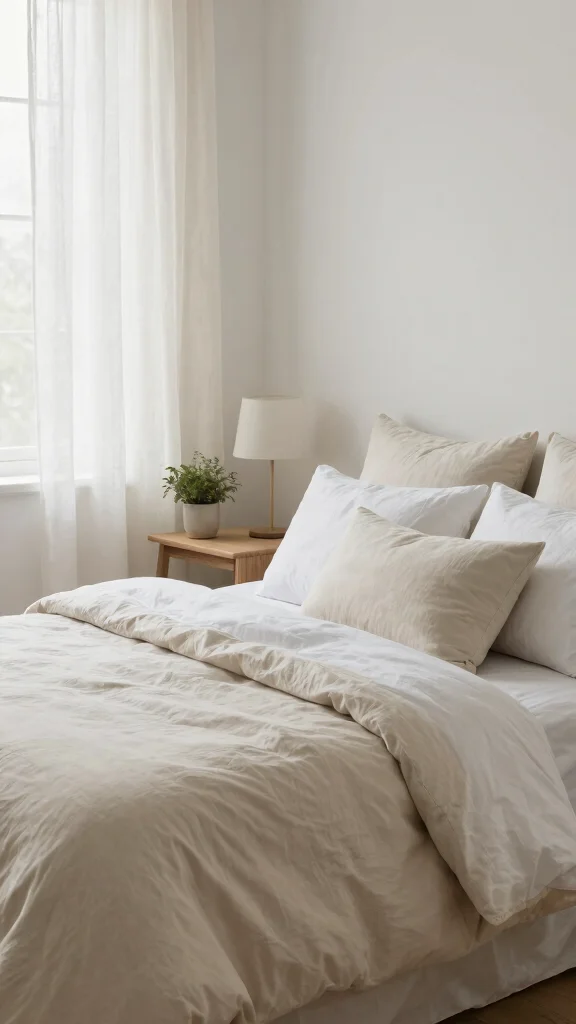
Choosing textiles that embody simplicity can significantly enhance the comfort of your home. Opt for natural fabrics like cotton or linen in soothing neutral shades for your curtains, cushions, and throws. This selection fosters an airy atmosphere while aligning with sustainable living practices.
Layering different textures can add subtle interest without overwhelming the space. Consider sewing your own cushion covers from organic fabric to personalize your decor while embracing eco-friendly choices.
Here are some textile tips to consider:
– Stick to whites, beiges, and soft grays for a serene vibe
– Combine knits and linens for varied textures
– Opt for lightweight fabrics that flow easily
This mindful approach to textiles enhances the minimalist aesthetic, ensuring a cozy yet uncluttered environment.
6. Clear Container Organization
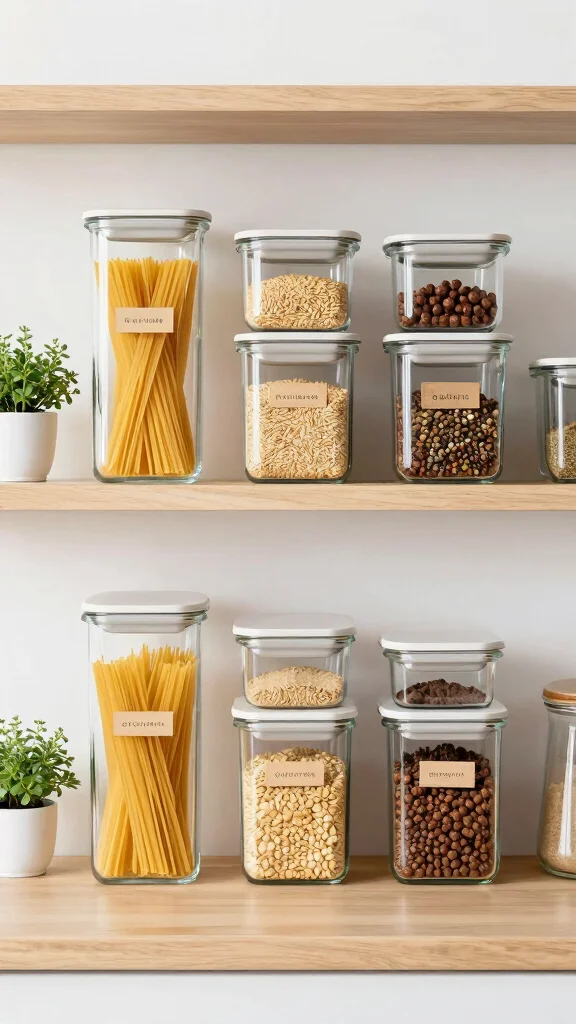
Utilizing clear containers for storage is a fantastic way to keep your home organized and visually appealing. This method is especially effective in kitchens or workspaces, where a clean aesthetic is essential. By choosing stylish baskets or jars, you can showcase your essentials while maintaining order.
Labeling containers with simple tags helps keep everything organized without adding visual clutter. Grouping similar items together streamlines access and enhances the overall flow of your space.
Try these strategies for effective organization:
– Use clear jars for pantry staples to maintain visibility
– Choose woven baskets for a natural touch
– Keep office supplies in labeled containers for easy access
This practical approach not only maximizes your space but also creates an effortlessly organized environment.
Fun fact: clear containers can cut kitchen searching time by up to 50%. In diy minimal home design, labeling simple tags keeps essentials visible without visual clutter, transforming chaos into calm and easy access for every room.
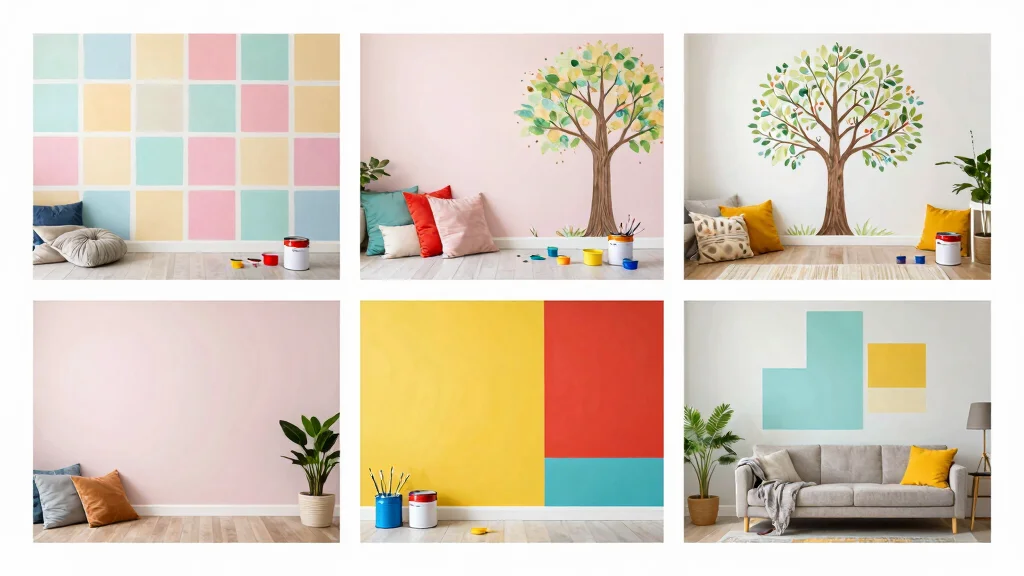
7. Neutral Color Palette
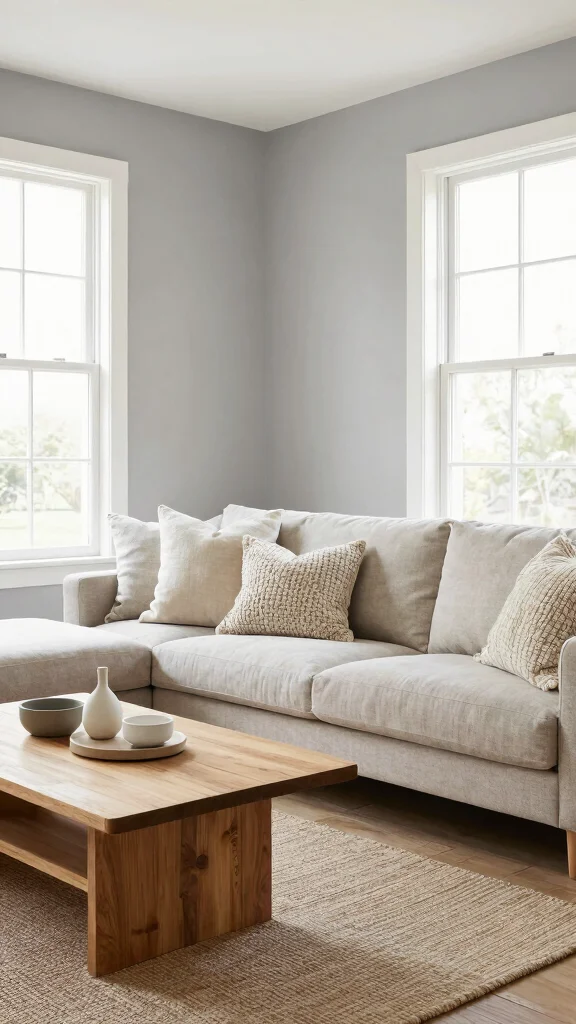
Adopting a neutral color palette can significantly enhance the tranquility of your home. Shades of white, beige, and soft gray create a calming backdrop, allowing natural light to reflect beautifully and breathe life into your space. By focusing on a cohesive color scheme, you cultivate a sense of harmony throughout your home.
Consider introducing small accent colors through accessories to keep the base neutral while adding personality. Using matte finishes for walls can reduce glare, enhancing the minimalist appeal while balancing textures for added depth.
Explore these color palette tips:
– Introduce soft pastels for subtle pops of color
– Use matte finishes for a refined look
– Balance different materials for visual interest
This simple choice in color not only transforms your home into a serene retreat but also creates a soothing ambiance.
8. Multifunctional Furniture
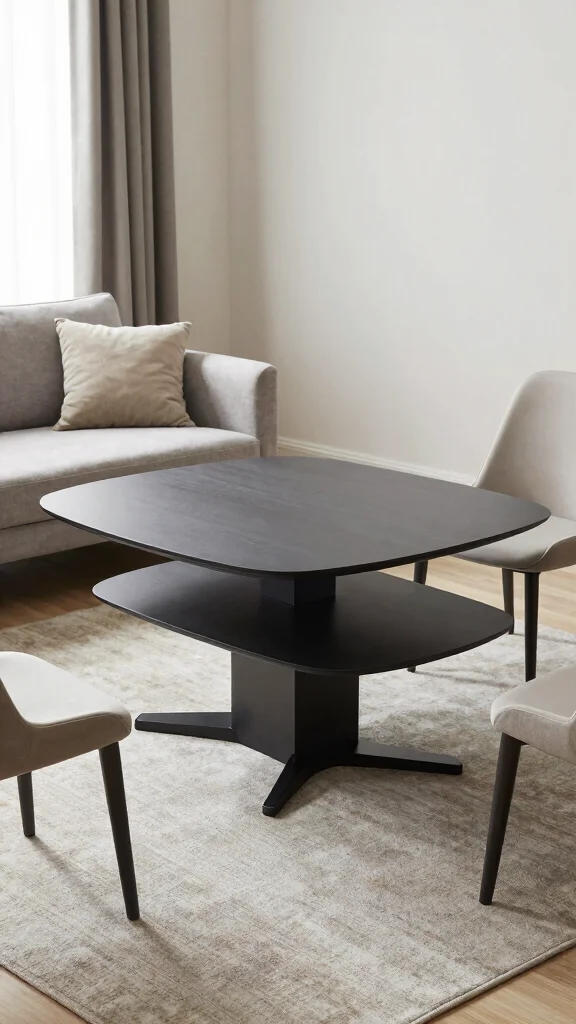
Investing in multifunctional furniture is a smart way to maximize your space while maintaining a minimalist approach. Look for versatile pieces like storage ottomans or convertible sofas that adapt to your needs. These choices enable a streamlined aesthetic without compromising on functionality.
Selecting items that complement your existing decor can enhance the overall design while optimizing space. Choose furniture that fits well in smaller areas but still meets various needs, allowing for flexibility in your home.
Consider these multifunctional options:
– Opt for storage benches in entryways
– Use sofa beds for guest accommodations
– Choose foldable tables for dining versatility
This focus on functionality keeps your living space open and inviting, essential for a minimalist lifestyle.
9. Minimalistic Lighting Solutions
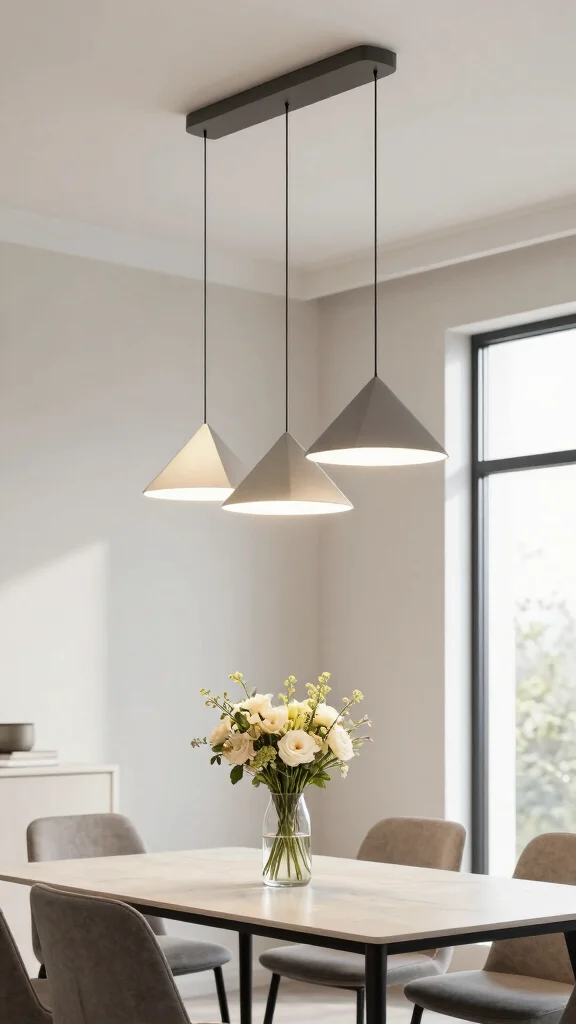
Selecting the right lighting significantly influences your home’s ambiance. Opt for simple, elegant fixtures that enhance the minimalist vibe without overwhelming the decor. Consider pendant lights with geometric shapes or sleek floor lamps that provide soft illumination for a cozy feel.
Incorporating layered lighting from multiple sources can add versatility without cluttering the space. Choosing energy-efficient LED lamps not only saves energy but also supports a sustainable lifestyle.
Explore these lighting strategies:
– Use pendant lights for focal points in rooms
– Incorporate floor lamps for ambient lighting
– Position task lighting where needed for functionality
This thoughtful approach not only elevates your decor but also emphasizes the practical use of your living space.
Did you know layered lighting can cut energy use by up to 75% with LEDs? Pair geometric pendant lights with sleek floor lamps for cozy, clutter-free warmth—great for a diy minimal home design.
10. Minimal Kitchen Design

A minimal kitchen design prioritizes clean lines and efficient space use. Keeping countertops clear and utilizing hidden storage minimizes visual clutter, creating a serene cooking environment. Opting for a few high-quality kitchenware pieces that complement your aesthetic enhances the overall simplicity of the space.
Implementing drawer dividers helps keep utensils organized and easily accessible. Maintaining a consistent color scheme for cabinets and appliances reinforces the minimalist style while ensuring every item serves a purpose.
Try these kitchen design tips:
– Use drawer dividers for tidy utensil storage
– Stick to a cohesive color palette for harmony
– Select multifunctional tools to reduce clutter
This intentional approach not only makes cooking enjoyable but also transforms your kitchen into a welcoming space.
11. Outdoor Minimalism
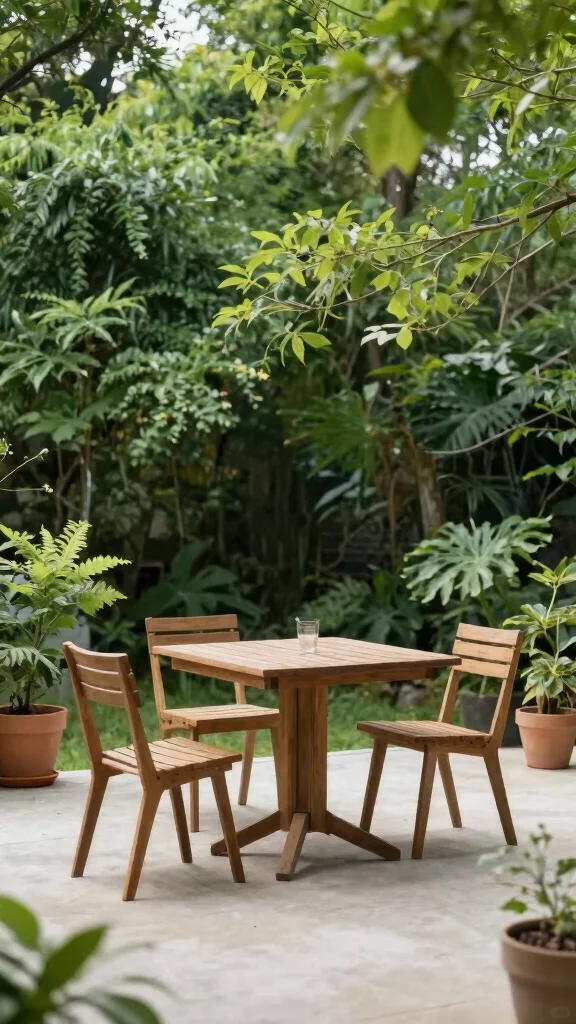
Bringing minimalist design principles to your outdoor spaces creates a seamless flow between your home and nature. Opt for simple outdoor furniture that allows the beauty of the natural environment to take center stage. A few well-placed plants or a small garden can enhance the ambiance without overwhelming the area.
Choosing natural materials for your outdoor furniture can add to the serene vibe while ensuring durability. Keeping decorative elements minimal allows you to maintain a peaceful outdoor retreat.
Consider these outdoor design ideas:
– Opt for a simple table and chairs made from wood
– Use clean lines in landscaping for cohesion
– Incorporate a few decorative stones for texture
This careful approach to outdoor spaces complements your home, providing a tranquil oasis to unwind and relax.
12. Decluttering Techniques
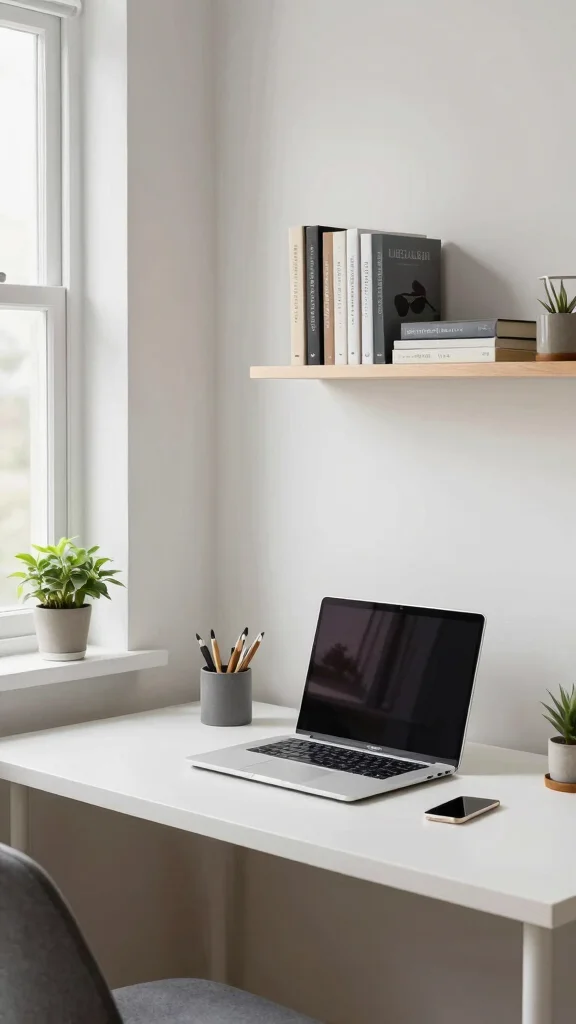
Decluttering serves as the cornerstone of a minimalist lifestyle. Start by evaluating your belongings and determining what truly adds value to your life. Implementing the one-in-one-out rule helps keep clutter at bay, encouraging intentional living and mindful consumption.
Begin with one room at a time, setting a timer to maintain focus, and be decisive about what to keep or discard. Using bins or bags for sorting items into categories helps streamline the process, making it easier to maintain your space.
Explore these decluttering techniques:
– Start with one area to avoid overwhelm
– Use bins for sorting items into keep, donate, or discard
– Schedule regular decluttering sessions for maintenance
This practice not only simplifies your surroundings but also fosters a clearer mindset, leading to a more fulfilling life.
13. Customizable Furniture
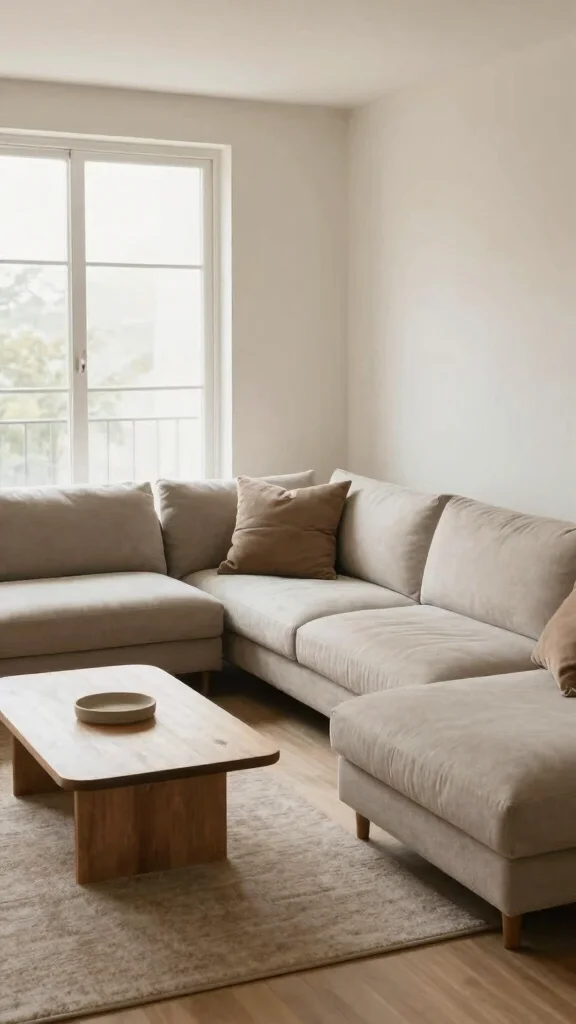
Consider customizable furniture that adapts to your changing needs over time. Modular sofas or adjustable tables can be rearranged effortlessly, allowing you to refresh your space without the need for new purchases. This flexibility supports a minimalist lifestyle by reducing waste and maximizing functionality.
Choosing neutral styles that blend seamlessly with your existing decor enhances the overall aesthetic while providing versatility. Investing in quality pieces ensures longevity and adaptability as your lifestyle evolves.
Explore these customizable furniture options:
– Look for modular sofas that can be reconfigured
– Choose adjustable tables for versatile use
– Invest in quality items that withstand time
This approach promotes sustainability while enriching your living environment.
14. Mindful Sourcing of Decor Items
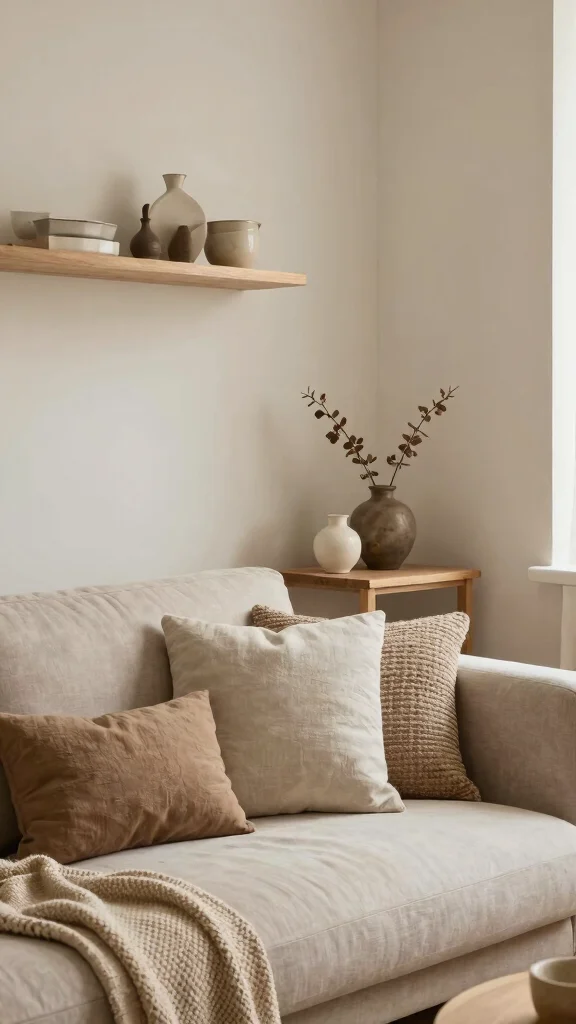
Being intentional about sourcing your decor items can significantly enrich a minimalist home. Select pieces that not only enhance beauty but also tell a story or support sustainable practices. Shopping from local artisans or thrift stores can yield unique items with character and history.
Focusing on quality over quantity is vital; choose fewer pieces that resonate with your personal journey. Displaying items with significance adds depth to your decor while maintaining simplicity.
Consider these mindful sourcing strategies:
– Select high-quality items that resonate with you
– Look for decor that tells a personal story
– Support local businesses for unique finds
This thoughtful approach enhances your home’s character while staying true to minimalist principles.
15. Seasonal Decluttering Rituals
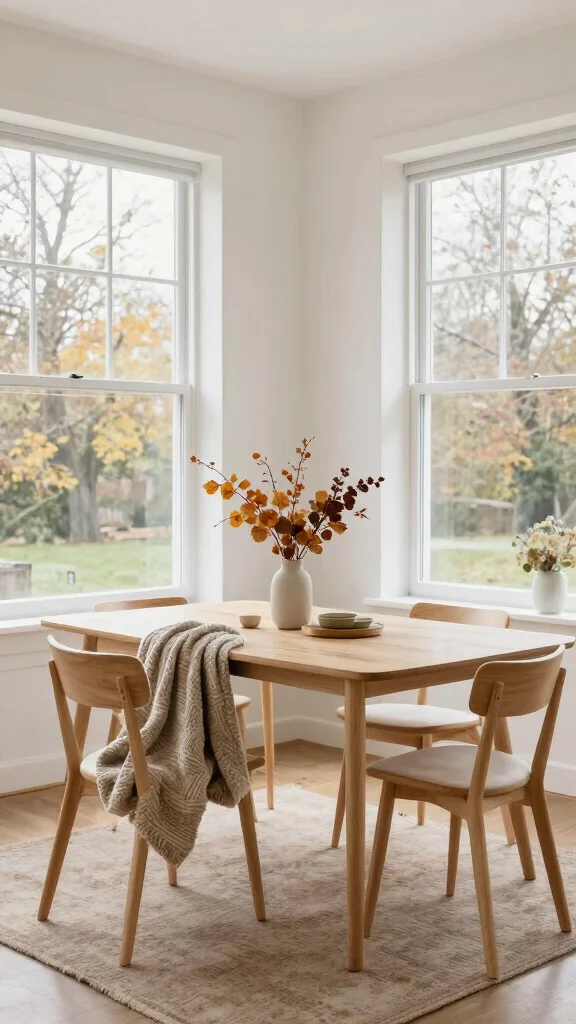
Incorporating seasonal decluttering rituals into your routine can keep your home feeling fresh and organized. At the start of each season, take the time to reassess your belongings and let go of items that no longer serve a purpose. This practice not only maintains a minimalist aesthetic but also allows for a natural flow of new items.
Scheduling these rituals consistently helps build a habit of mindful living, making it easier to maintain an organized space. Involving family members can encourage shared responsibility and engagement in creating an uncluttered home.
Here are some ideas for seasonal decluttering:
– Schedule rituals at the start of each season
– Make it a family activity for fun and engagement
– Celebrate your progress to motivate ongoing efforts
Regular evaluation of your belongings fosters a mindful approach to living simply, creating a lighter, more open space.
Conclusion
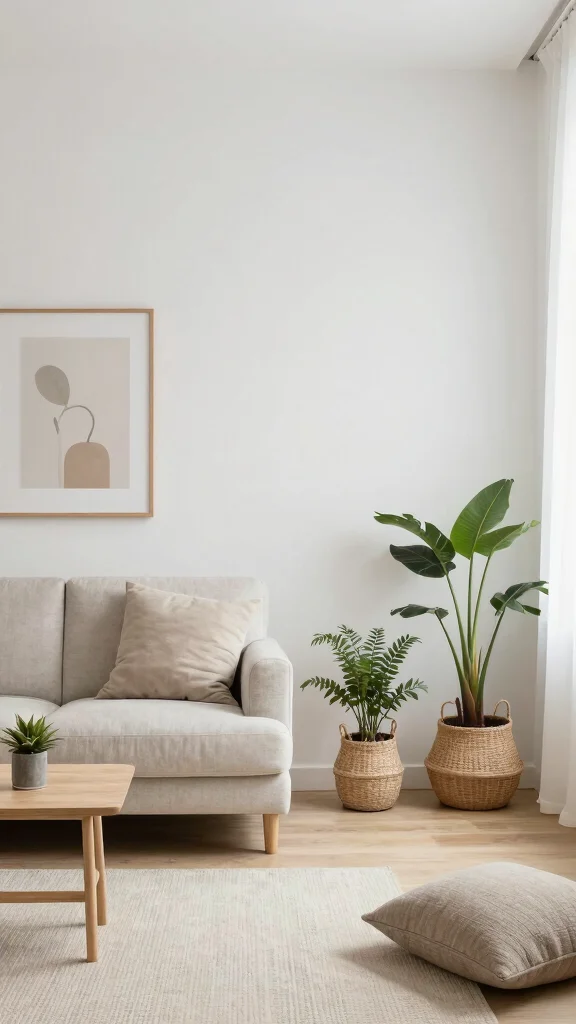
Embracing a minimalist lifestyle through these DIY home design ideas allows you to cultivate a serene environment that resonates with your values. Each project not only enhances your space but also promotes sustainability and intentional living. By focusing on quality over quantity, you can create a home that feels open, welcoming, and deeply personal. Consider incorporating one or more of these ideas into your space, and watch how it transforms your daily life.
Frequently Asked Questions
How do I start with diy minimal home design for a clean, clutter-free space?
Start with a simple plan: pick a soothing color palette, measure each room, and write down your top 5 needs. Then tackle DIY home organization by decluttering first—sort items into keep, donate, or recycle. Build 2-3 simple pieces that fit your space, like a wall-mounted shelf or a bench with hidden storage, using sustainable materials whenever possible. Keep surfaces clear and store items vertically to boost light and openness—that’s at the heart of diy minimal home design. Finally, introduce one minimalist home decor accent (a plant, a single piece of art) to warm the room without crowding it.
What are easy DIY home organization ideas for a minimalist home design?
Start with zones—entry, kitchen, and workspace—to keep routines predictable. Use DIY home organization hacks like floating shelves, labeled storage bins, and drawer dividers. Build simple organizers from scrap wood or repurpose jars and boxes. Choose clear or matching containers so everything looks cohesive in minimalist home decor and modern interior design. Schedule a quick 15-minute declutter session weekly to maintain a calm, functional space.
How can I incorporate sustainable craft projects into a diy minimal home design?
Look for second-hand or renewable materials first—reclaimed wood for shelves, glass jars for storage, fabric scraps for cushions. Plan projects around what you already own to cut waste and cost. Finish with low-VOC, water-based sealants to keep your space healthy. Prioritize durable, timeless pieces that stay stylish in sustainable craft projects and modern interior design. Start with one project per month, like a wall shelf from reclaimed wood or a cork tray from scrap cork, and document your process for future ideas.
What are simple living ideas to keep a space clean and stylish with minimalist home decor?
Embrace simple living ideas like a nightly 5- or 10-minute reset to wipe surfaces, a single-in, single-out rule for belongings, and furniture that doubles as storage. Choose minimalist home decor with clean lines and a neutral palette to expand perceived space. Keep a “one place for everything” system and label zones so you know where items belong. Rotate decor seasonally instead of filling every corner—this preserves the calm vibe of your diy minimal home design.
Which tools and materials are essential for diy minimal home design projects?
Start with a lean toolkit: measuring tape, square, drill, hand or powered saw, sandpaper, and basic fasteners. For finishes, stock water-based paints or sealants and a few good brushes. Gather storage options like recycled jars and woven baskets to keep things tidy. Choose materials with low environmental impact—reclaimed wood, bamboo, and recycled metal work great for sustainable craft projects. Plan projects in advance to minimize waste, and always test finishes on scrap before applying to your main piece.
Related Topics