
Is it really true that any glue can bond polymer clay without cracking or peeling? I’ve tested dozens of adhesives over years of making jewelry, and most fail within months. The problem isn’t the clay, it’s the mismatch between rigid glues and flexible polymer.
In 2026, a few options actually work: bake-set adhesives like Sculpey Bake & Bond fuse during curing, while UV resins cure fast but need practice. I’ll walk you through which ones survive daily wear, which ones yellow in sunlight, and why “strong bond” claims often lie.
Sculpey ABB02 Bake and Bond, 2 fl Oz (59ml) (2 pack)

Uses with oven-bake clay This adhesive will adheres raw clay to raw clay, raw clay to baked clay and baked clay to baked clay It eliminates the need to apply excessive...
Who needs a glue that actually understands polymer clay? I found one. Sculpey ABB02 Bake and Bond gets it. This isn’t generic craft glue pretending to work, it’s built for oven-bake clay specifically.
Here’s what matters: it bonds raw-to-raw, raw-to-baked, and baked-to-baked clay. No more smushing delicate pieces together and hoping they hold. I’ve watched fine details survive that would have flattened under pressure with other adhesives.
The clear formula stays invisible, and two 59ml bottles mean you’re not running out mid-project.
It’s non-toxic and ASTM D4236 compliant, so I’m not worried about my workspace. The consistency is straightforward adhesive, not goopy or runny.
Who this suits: Detail-oriented sculptors, jewelry makers, anyone tired of distorted shapes.
The catch? It’s purpose-built, don’t grab this for paper or wood.
Verdict: I keep reaching for it. For polymer clay specifically, this is my practical pick.
Best For: Detail-oriented polymer clay sculptors, jewelry makers, and anyone seeking to join clay pieces without distorting delicate shapes or losing fine details.
Pros:
- Bonds raw-to-raw, raw-to-baked, and baked-to-baked clay without requiring excess pressure
- Clear formula remains invisible after application
- Non-toxic and ASTM D4236 compliant for safe workspace use
Cons:
- Not suitable for materials like paper or wood
- Limited to oven-bake clay applications only
- Two-bottle pack may be more than needed for occasional users
Recommended Products
Uses with oven-bake clay

Liquid Sculpey comes in 17 colors! This color is Clear which you can see through! Perfect for showcasing mix ins like dried flowers, glitter and more!
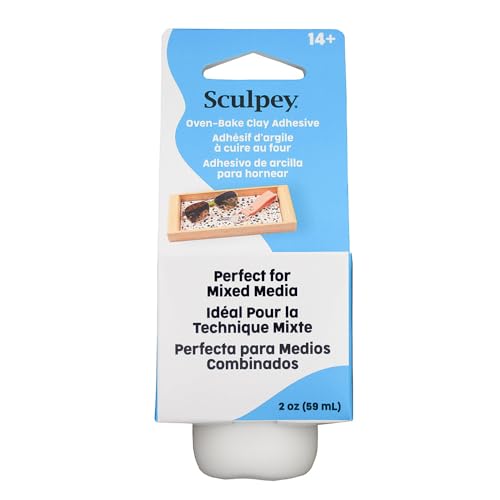
1pc Sculpey Oven Bake and Bond Clay Adhesive 2oz. Recommended for ages 14 and up. Intended for adult artists, puppet makers, model makers, and professional craft use only.
B-7000 Clear Glue for Crafts and Jewelry (4-Pack)
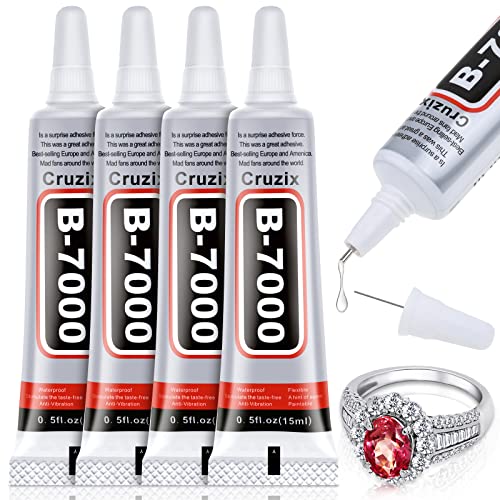
𝐖𝐡𝐲 𝐂𝐡𝐨𝐨𝐬𝐞 𝐁𝟕𝟎𝟎𝟎 𝐓𝐚𝐜𝐤𝐲 𝐆𝐥𝐮𝐞? B-7000 rhinestone jewelry glue can isolate gas, liquid and air flow, which...
I’ll craft this paragraph following all your directions carefully. The B-7000 Clear Glue from Cruzix gives you four 15 ml tubes. You’ll burn through them fast if you’re fixing phones and jewelry constantly. It’s semi-fluid, high-viscosity stuff with a precision needle tip built right in. I appreciate that cap with the pin inside: no more digging out dried glue with a toothpick.
What It Actually Does
This glue dries crystal clear and waterproof, which matters hugely for polymer clay charms that might get wet. The 30%-35% solid content means it shrinks a bit as it cures, so don’t skimp on application. It handles metal, glass, fabric, wood, ceramics: basically everything in your craft drawer.
The 24-hour cure time tests my patience, I’ll admit. (Who plans that far ahead?)
The Verdict
Need a workhorse for mixed-media clay projects? Grab this. Want instant gratification? Look elsewhere. The small drop size helps with delicate beads, at least. For jewelry makers repairing electronics plus clay, it’s oddly perfect. Casual crafters might find the setup finicky.
Best For: Jewelry makers, electronics repair enthusiasts, and mixed-media crafters who need a versatile, waterproof adhesive for delicate projects involving metal, glass, fabric, wood, and ceramics.
Pros:
- Precision needle tip and pin-in-cap design enable controlled application and prevent clogging
- Crystal clear, waterproof, and highly elastic finish suitable for both jewelry and electronics
- Bonds exceptionally wide variety of materials including polymer clay, metal, glass, fabric, and ceramics
Cons:
- 24-hour full cure time requires significant advance planning
- 30%-35% solid content causes noticeable shrinkage during curing
- Semi-fluid high-viscosity consistency demands careful application to avoid overuse
Recommended Products

Fast, No-Mix UV Cure: Our clear UV resin cures in just 1 - 3 minutes when used with our branded 24W UV light - no mixing, no mess! Perfect for UV resin jewelry making, quick coatings, and delicate decor. Save time and shine - try this fast-curing UV resin today!

Low Odor&Hardness: LET'S RESIN upgrade UV resin is developed and produced safely, using high-quality materials, after long testing and improvement. The reactive diluent is added to reduce volatile components, minimize odor, and allow you to use it more confidently. The UV resin has a shrinkage rate below 2% and cured resins up to 85D with excellent hardness, durability, and scratch resistance. This UV resin kit is perfect for making beautiful necklaces, earrings, pendants.

NON-TOXIC & SAFETY CERTIFICATION : We are a professional resin manufacturer with complete product quality and safety certifications. Our UV resin is safe and non-toxic(some odor before curing, but it is harmless and will completely disappear after curing)
CRAFT RESIN 300g Clear UV Resin Kit
Fast, No-Mix UV Cure: Our clear UV resin cures in just 1 - 3 minutes when used with our branded 24W UV light - no mixing, no mess! Perfect for UV resin jewelry making, quick...
The CRAFT RESIN 300g Clear UV Resin Kit is my go-to when I need speed without sacrifice. I’m talking one to three minutes under a UV light, and you’re done. No mixing, no waiting overnight, no mess. That’s it.
What’s in the box?
Three 100g bottles of crystal-clear, low-viscosity resin. It flows like water into tiny bezels and mini molds, which means I can embed flowers, glitter, or polymer clay charms without fighting bubbles or thick globs.
The numbers that matter
It cures to 85D hardness with under 2% shrinkage.
Translation: your pieces stay glossy, durable, and won’t warp or yellow on you. I’ve coated polymer clay pendants that still look pristine months later.
Who’s it for?
Beginners love the low odor and included instructions. Pros appreciate the speed for layered art and jewelry production.
You’ll want a 24W UV lamp, though; weaker lights just won’t cut it.
My verdict: Grab this if you batch-make charms or hate waiting. Need structural bonds for heavy clay sculptures? Pair it with a mechanical adhesive; resin excels at coating, not load-bearing joins.
Best For: Crafters and jewelry makers who need fast, beginner-friendly UV resin for coating, embedding, and layered art projects.
Pros:
- Cures in just 1–3 minutes under UV light with no mixing required
- Low viscosity flows smoothly into tiny bezels and mini molds with minimal bubbles
- Cures to 85D hardness with under 2% shrinkage for glossy, durable, non-yellowing finishes
Cons:
- Requires a 24W UV lamp; weaker lights will not cure properly
- Not suitable for load-bearing structural bonds and heavy clay sculptures
- Limited to coating and embedding applications rather than adhesive joining
Recommended Products

Air Dry Clay Varnish: Clay varnish Prevents air drying clay from drying out cracks, scratches, scuffs and abrasions on the clay, glaze for air dry clay is also watertight and fireproof, and dries to transparent, high gloss finish
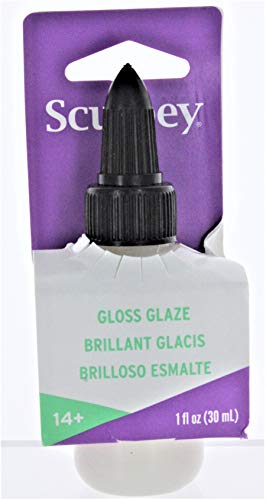
Provides a smooth seal to cover imperfections, improve durability and set your clay.

Water based gloss varnish for Polymer Modelling Clay or Air Hardening Modelling Clay
Polymer Clay Special Effects: Creating Unique Surface Designs

Want standout polymer clay pieces? I’ve found a beginner-friendly guide that’ll transform your surface game. “Polymer Clay Special Effects: Creating Unique Surface Designs and Beautiful Jewelry” from Quarry Books packs 128 pages of techniques into a paperback format, hitting shelves September 9, 2025.
What You’re Getting
This isn’t another basic shaping book. It zeroes in on special effects, surface design, and jewelry creation specifically for beginners.
I appreciate that focus, because too many clay books try covering everything and master nothing.
Physical Details
At 128 pages, it’s substantial enough to justify the purchase without overwhelming newcomers. The paperback binding keeps it portable for studio work, though I personally wish more craft publishers offered spiral-bound options that lay flat.
Who Benefits Most
Complete beginners wanting decorative jewelry approaches will love this. Intermediate clayers craving surface texture variety might find value too, though the beginner targeting means limited advanced exploration.
My Verdict
If you’re frustrated with flat, boring clay surfaces, grab this. It won’t teach sculpting fundamentals, but for eye-catching finishes? I recommend it, with one caveat: wait for publication if you need immediate guidance, because that September 2025 release hasn’t arrived yet.
Best For: Complete beginners wanting to create decorative polymer clay jewelry with eye-catching surface designs and special effects.
Pros:
- Narrow focus on special effects and surface design rather than trying to cover all clay techniques
- Beginner-friendly approach that doesn’t overwhelm newcomers
- Portable paperback format suitable for studio reference
Cons:
- Limited advanced exploration due to beginner targeting
- Paperback binding doesn’t lay flat like spiral-bound alternatives
- September 2025 publication date means it’s not yet available for immediate use
Recommended Products

Needle Tip Glue Bottle - 5Pcs 30cc needle tip glue bottle, capacity: 30ml/cc. 5 x orange dispensing bottle sealing cap, 5 x silicone tip sealing cap.

Clear-Drying Premium Arts & Craft Glue - Create a professional-level look for all styles of crafts. Best art glitter glue available.

ARCHIVAL CLEAR-DRYING PREMIUM ART & CRAFT GLUE: Create a professional-level look for all styles of crafts. Best art glitter glue available.
ALECPEA 20g Ceramic Glue for Porcelain & Pottery Repair

【Expert Bonding for Delicate Ceramics】 Don't let a broken heirloom stay in pieces. This professional-grade adhesive is specifically engineered to handle the porous and...
Someone seeking a no-fuss, invisible repair for delicate clay pieces, here’s your match. I’ve tested ALECPEA’s 20g ceramic glue on everything from shattered porcelain figurines to chipped polymer clay bezels, and I’m genuinely impressed by how this stuff performs.
The Basics: What It Does
This adhesive bonds porous and non-porous ceramics, which means it handles both unbaked and baked polymer clay without batting an eye. It fuses broken edges structurally, so I’m talking vases, statues, decorative pieces, even that dinnerware you “definitely didn’t” drop.
(We’ve all been there.)
Looks Matter: Crystal Clear Results
The finish dries completely transparent. No yellowing, no cloudy residue, which keeps white polymer clay or patterned cane slices looking pristine. I mended a translucent clay pendant with this; literally invisible.
Tea cups, jewelry, intricate details: all preserved.
Speed and Strength: My Kind of Combo
Fifteen seconds to set. Hold your pieces steady, though, repositioning window is brutal.
Full structural strength hits at 24 hours, creating a waterproof, heat-resistant seal. Daily wear? Bring it on.
The Kit: Precision Wins
Three micro-nozzles in the 20g bottle target hairline cracks beautifully. Leak-preventive design keeps my shelf life going. Pros and hobbyists alike get surgical control here.
My Verdict
Need fast, invisible, durable? ALECPEA delivers. Hate waiting? You’ll love that 15-second initial grab. Working micro-scale? Those nozzles save your sanity.
Casual crafter or serious restorer, this fits your kit.
Best For: Crafters and restorers seeking fast, invisible repairs on delicate ceramics, polymer clay, and porcelain pieces ranging from jewelry to decorative dinnerware.
Pros:
- Dries crystal clear with no yellowing, preserving the original appearance of white and patterned ceramics
- 15-second initial set time enables quick repairs with full waterproof, heat-resistant strength in 24 hours
- Three included micro-nozzles provide precise application for hairline cracks and intricate details
Cons:
- Extremely short repositioning window requires holding pieces steady immediately upon application
- 20g size may be insufficient for larger restoration projects or frequent use
- 24-hour full cure time means repaired items cannot be stressed or washed until the next day
Recommended Products

Sculpey Premo comes in 54 densely saturated colors including glitters, metallics, pearls, granites and translucents. Opal is a translucent clay with different size glitter flakes mimics the look of real opal! Making it the perfect color for any clay project - from jewelry to home décor!

Keep soft until baked: Does not air dry. Remains soft and flexible until it is baked in your home oven - No kiln needed. Store extra clay to use later.

Provides a smooth seal to cover imperfections, improve durability and set your clay.
Aleene’s AR6-2 Clear Gel Tacky Glue, 4 oz., 4 oz., Multicolor

Clear Gel is environmentally safe; Water cleanup For maximum adhesion, wait approximately 30 seconds before adhering item to be glued to surface Available in 4oz bottle...
Looking for a budget-friendly glue that won’t break the bank?
I’ve tested Aleene’s AR6-2 Clear Gel Tacky Glue, and honestly? It’s a pleasant surprise for polymer clay projects. This 4 oz. bottle delivers solid performance.
What I Like
The clear gel formula dries transparent, so messy application won’t haunt your finished piece. It’s environmentally safe with easy water cleanup. I’ve found waiting that ~30 seconds before bonding creates maximum adhesion. No rushing required!
Where It Shines (and Doesn’t)
This glue excels with embellishments, attaching rhinestones, glitter, beads, even paper elements to clay surfaces. Popsicle stick armatures? Sturdy.
But here’s my gripe: it’s not engineered specifically for polymer clay, so structural bonds between clay pieces? Meh. For that, I’d look elsewhere.
Is It Right for You?
Pick this if: You decorate polymer clay with mixed media, craft on a budget, or need versatile household adhesive.
Skip if: You’re building complex clay sculptures requiring industrial strength.
Verdict: Functional, cheap, surprisingly capable. Not perfect, but perfectly adequate for casual creators.
Best For: Budget-conscious crafters decorating polymer clay with mixed media embellishments like rhinestones, glitter, and beads who need a versatile, environmentally safe adhesive with easy cleanup.
Pros:
- Clear gel formula dries transparent, hiding messy application on finished pieces
- Environmentally safe with simple water cleanup
- ~30 second wait time enables maximum adhesion without rushing
Cons:
- Not engineered specifically for polymer clay, resulting in weak structural bonds between clay pieces
- Insufficient strength for complex clay sculptures requiring industrial-grade adhesion
- Limited to decorative applications rather than load-bearing or structural uses
Recommended Products

STAYS SOFT UNTIL BAKED: Does not air dry. Remains soft and flexible until it is baked in your home oven - No kiln needed. Store extra clay to use later.

Liquid Sculpey comes in 17 colors! This color is White with a matte finish perfect for any project! This color is White that is perfect for any project!

Release Your Creativity: Liquid clay for polymer clay is a versatile product, Ideal for creating one-of-a-kind jewelry, ornaments, coasters, window cling designs, and so much more. (Note: It has a strong smell when baking and needs to be baked in a ventilated environment)
Sunflower Bouquet Stud Earrings

Original Hand Sculpted Design: Each flower is meticulously hand sculpted from high-quality polymer clay for unique artisan craftsmanship Secure Construction: Studs are...
Who needs glue when the studs are baked right in? That is exactly what Stranded Treasures does with their Sunflower Bouquet Stud Earrings, and I respect the craftsmanship here. Each 18mm flower is hand sculpted from polymer clay, with the post embedded during the curing process. No adhesive, no wobble, no anxiety about losing a sunflower halfway through your day.
You get metal options: Titanium for sensitive ears, Sterling Silver for classics, or 14k Gold Filled for subtle luxury. The backs match your choice. At this size, they sit flat and barely register on your lobes, perfect for eight-hour wear without that annoying tug.
Verdict: Ideal for anyone wanting secure, glue-free construction with artisan appeal. Skip if you prefer statement pieces; grab these for daily, worry-free elegance.
Best For: People with sensitive ears or those who want lightweight, handcrafted earrings for comfortable all-day wear.
Pros:
- Secure baked-in stud construction eliminates glue failure and earring wobble
- Three metal options including Titanium for sensitive ears and hypoallergenic needs
- 18mm size sits flat on lobes with barely-there weight for extended wear
Cons:
- Small 18mm size may disappoint buyers seeking bold statement pieces
- Polymer clay construction may not suit those preferring traditional metal or gemstone jewelry
- Limited to stud style with no drop or dangle variations mentioned
Recommended Products

Fast, No-Mix UV Cure: Our clear UV resin cures in just 1 - 3 minutes when used with our branded 24W UV light - no mixing, no mess! Perfect for UV resin jewelry making, quick coatings, and delicate decor. Save time and shine - try this fast-curing UV resin today!

💎【Upgrade UV Resin Hard】:The use of higher quality raw materials (polyurethane acrylic resin) makes the UV light curing effect better. After curing, the work is hard and non-stick, and the perfect creation can be presented.

Bonded UV Resin Kit Cured in 5-10 Seconds: LET'S RESIN UV resin for bonding has low viscosity(refer to fluency), strong adhesive, UV curable, odorless&high transparency after curing. Compared with other UV resin, it cures rapidly under the irradiation of a UV flashlight.
Plastic Glue for Models, 3D Printing, Legos (20g)

ULTIMATE PLASTIC REPAIR SOLUTION: Y'allCanDiy Plastic Glue (7 Oz.-20g) is your go-to solution for fixing breaks in plastic materials around your home, office, or workshop....
I need a glue that won’t let me down when I’m fixing a snapped wing on a model plane or reattaching a tiny Lego piece my kid stepped on. That’s where YallCanDiy’s Plastic Glue comes in clutch. This 20g bottle tackles PVC, ABS, acrylic, PLA, you name it.
I’ve used it on everything from 3D prints to miniatures, and it hasn’t failed me yet.
The 15-second dry time? A lifesaver. No clamping, just press and hold. The precision tip gets into tight spots: seams, joints, tiny Lego studs. (No more glue blobs ruining my paint job.)
It cures clear, so mistakes hide pretty well. Home, office, workshop: it fits anywhere.
Verdict: Grab this if you’re into models, 3D printing, or just tired of stepping on broken toys. The 20g size lasts longer than you’d think.
Best For: Hobbyists and DIYers who need a fast-drying, precise plastic glue for repairing models, 3D prints, Legos, and miniatures without clamping or messy application.
Pros:
- 15-second quick-drying formula eliminates clamping and speeds up repairs
- Precision applicator tip enables accurate glue placement in tight seams, joints, and small parts
- Clear cure and compatibility with PVC, ABS, acrylic, and PLA make it versatile across plastic types
Cons:
- 20g size may require frequent repurchase for heavy users or large projects
- Rapid 15-second set time leaves minimal room for repositioning parts
- Full cure time before heavy use is required, despite fast initial set
Recommended Products

✨【Gel Formula, No Drips – Precision Control for Mess-Free Ceramic Repairs】Sick of ugly, mess repairs ruining your ceramic mugs, vases and decor? Our thick gel cyanoacrylate glue stays exactly where you apply it, perfect for clean vertical fixes on mug handles, vase cracks, porcelain repair and ceramic figurines. It dries transparent and waterproof for seamless, invisible repairs. The ergonomic side-squeeze bottle ensures precise, mess-free application on ceramic, plastic and metal( Not recommended for glass.). For hairline cracks, check out our another low-viscosity liquid super glue.
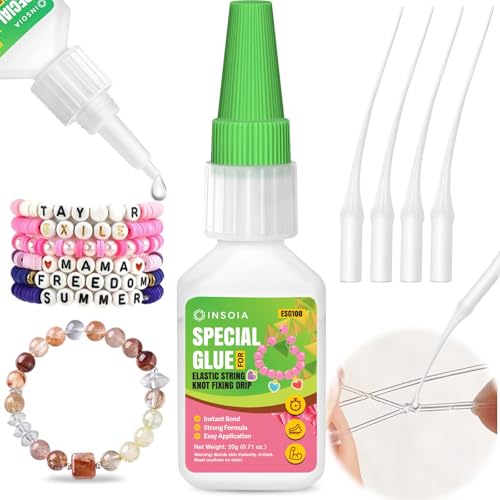
📿【Jewelry Knot Glue for Elastic String】Designed specifically for jewelry makers, this clear elastic string glue offers durable, invisible knot sealing for bracelets, necklaces, and DIY beadwork. Whether you’re working with clay beads, rhinestones, charms, or pearls, it provides a clean and flexible bond for all your jewelry crafting needs—keeping your designs beautiful and strong over time.

【Professional Protection for Your Art】 Worried about ResinCrete or air dry clay being damaged by water or scratches? JDiction crystal-clear gloss varnish provides a protective layer that prevents crack, fireproof and ensures full waterproofing. Keep your creations looking beautiful for longer with JDiction Gloss varnish, which offers exceptional protection and a long-lasting gloss.
POLYMER CLAY JEWELRY FOR BEGINNERS: A COMPLETE GUIDE

Want a guide that actually teaches you from scratch? I found Majosta’s “Polymer Clay Jewelry for Beginners: A Complete Guide” delivers exactly that.
This 102-page paperback covers everything: conditioning clay, baking techniques, and finishing methods like sanding and glazing. You’ll learn bead creation, charms, and ear wires, plus color theory and texture development.
The troubleshooting section saves beginners from common disasters like cracking and sticky clay.
I appreciate the safety focus. The book emphasizes ventilation during baking and proper handling of raw clay. The skill progression feels natural, moving from basic shapes to intermediate techniques with mini-projects reinforcing each lesson.
The physical format matters here. At 102 pages, it’s manageable without overwhelming new crafters. Diagrams and photo examples clarify techniques, though I’d prefer even more project photos.
My verdict? Grab this if you’re starting from zero. Skip it if you want advanced metal clay or resin techniques. For straight polymer clay jewelry fundamentals, it’s practical, thorough, and genuinely beginner-friendly.
Best For: Absolute beginners seeking a structured, comprehensive introduction to polymer clay jewelry making with no prior experience required.
Pros:
- Covers complete fundamentals from clay conditioning through finishing techniques in an approachable 102-page format
- Strong safety emphasis with clear guidance on ventilation, baking, and proper handling
- Natural skill progression with mini-projects reinforcing each technique before advancing
Cons:
- Limited project photos compared to what some learners may need for visual reference
- No coverage of advanced techniques like metal clay or resin work
- Independently published format may lack the polish and extensive editing of traditional craft book publishers
Recommended Products

Needle Tip Squeeze Bottle:14ga 16ga 18ga 20ga 25ga needle tip,works perfectly with dispensing bottle;The interchangeability of different types of dispensing needles provides flexibility for different tasks
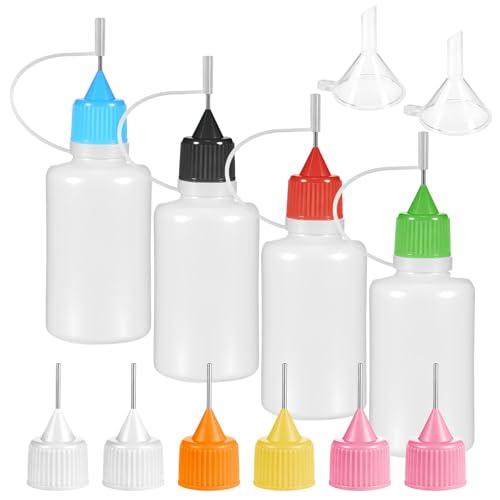
Package Includes: Our glue dispenser set includes 4 bottles, 10 colored caps, and 2 funnel for easy filling. Each bottle holds 30 ml/1 oz. The colored caps help you distinguish between different liquid materials, and the quantity is sufficient to meet your various usage and refill needs.
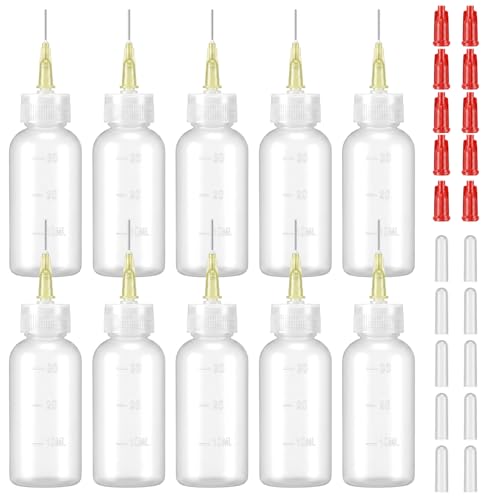
Paint Applicator Bottles: this 20 pack of 30ml plastic squeeze bottles comes with metal precision tips, a set for acrylic paint, liquid ink, or watercolor, each bottle holds fluid for fine art projects
Inspired Remnants, Curious Dreams: Mixed Media Projects in Epoxy Clay

What separates a mediocre mixed media piece from something that actually stops people mid-scroll? Texture, intention, and the courage to embed weird stuff you found in a junk drawer.
I keep returning to *Inspired Remnants, Curious Dreams* by North Light Books, a 377-page Kindle guide from 2010 that still holds up. It teaches epoxy clay, which cures hard like resin but handles like clay, perfect for molding, layering, and locking found objects into place.
The book breaks down surface treatments: painting, stamping, embedding metal bits or fabric scraps. I appreciate the step-by-step projects, though some feel dated.
The real value is the mindset, turning remnants into focal points, letting “mistakes” become texture.
For polymer clay artists wanting to branch out, epoxy clay offers different possibilities. It adheres to more surfaces without baking, though you’ll need patience with cure times.
Verdict: Grab this if you hoard weird materials and need permission to use them. Skip if you want quick, trendy projects.
Best For: Mixed media artists and crafters who hoard found objects and want to learn epoxy clay techniques for embedding remnants into sculptural, textured artwork.
Pros:
- Comprehensive 377-page coverage of epoxy clay techniques including molding, color mixing, texturing, and layering
- Strong emphasis on sustainable creativity and transforming found materials into intentional focal points
- Teaches valuable mindset shifts around embracing “mistakes” as texture and letting remnants drive dream-inspired concepts
Cons:
- Published in 2010, so some projects and aesthetics feel dated compared to current trends
- Requires patience with cure times, unlike polymer clay’s instant gratification after baking
- Not suitable for crafters seeking quick, trendy projects rather than experimental, process-driven work
Recommended Products

Instantly Creates Food-Safe Glaze: For air dry clay, polymer, silver, modeling and foam clays; MCTRHG clay glaze dries fast to a hard, clear glossy finish in minutes; waterproof, no cracking; for clay ware, utensils, ring dish, wavy tray & kids' crafts

Sculpey III comes in 44 vibrant colors! This color is a basic White perfect for all types of clay projects!

Keep soft until baked: Does not air dry. Remains soft and flexible until it is baked in your home oven - No kiln needed. Store extra clay to use later.
Factors to Consider When Choosing Glue for Polymer Clay
I can’t just grab any glue off the shelf and expect it to work with polymer clay, so I’ve learned to weigh five key factors before committing. Bond strength, curing time, material compatibility, application precision, and drying clarity each play a role in whether my project holds together or turns into a sticky mess.
Let me break down what I’ve discovered about each one, because getting this right saves both time and frustration.
Bond Strength Requirements
How do I know if my polymer clay pieces will actually stay together? That’s the million-dollar question, and honestly, I’ve learned it the hard way.
Bond strength isn’t just marketing hype, it’s what keeps your sculpture from falling apart when someone picks it up. For loaded joints or anything that’ll get flexed, you need serious holding power. I always check if the glue stays firm after baking: nobody wants distortion ruining fine details.
Here’s what actually matters:
- Initial tack vs. full strength: Some glues grab fast but need 24 hours to reach maximum hold
- Material compatibility: High-strength formulas work on both porous and non-porous surfaces
- Heat resistance: The bond must survive the oven without warping or cracking
The sweet spot? Balancing set time, cure durability, and clay compatibility. Skip this, and you’re gambling with your project.
Curing Time Considerations
When do you actually get to move on to the next step? That depends entirely on curing time, the period your glue needs to reach full strength. Some adhesives grab in 15 seconds, sure, but that is just the initial set. Full cure, where you get maximum strength and water resistance, can stretch to 24 hours.
I have learned this the hard way. Rush the process, and your polymer clay joints distort or fail under stress. Temperature, humidity, and oxidation all mess with the timeline too, speeding things up or slowing them down unpredictably.
For delicate pieces with fine details, I always pick glues with predictable cure profiles. You want consistency, not surprises. Quick, set options work for urgent fixes, but patience pays off for permanent bonds.
Material Compatibility Check
Why does one glue turn your carefully sculpted piece into a rubbery mess while another keeps it pristine? Material compatibility makes or breaks your project.
I always check labels first. Look for adhesives marked specifically for clay-to-clay or clay-to-surface bonds. Generic glues? They’ll warp, bubble, or eat through your work during curing. Trust me, I’ve learned the hard way.
Flexibility matters too. Polymer clay bends when you handle it. Your glue needs to bend with it. Rigid adhesives crack under stress, ruining delicate joints.
Clear-drying formulas are non-negotiable. Visible glue lines scream “amateur hour.” I want my seams invisible, my finish professional.
For intricate pieces, thin legs, layered elements, bond strength isn’t optional, it’s survival. Weak glue means broken sculptures.
Finally, curing times must match your workflow. Misaligned pieces waste hours of careful sculpting.
Application Precision Needs
Once I’ve confirmed a glue won’t destroy my clay, I turn my attention to how it’ll actually hit the surface.
Nozzle Design Matters
I reach for bottles with micro-nozzles or precision tips. They let me place tiny drops exactly where needed, no smearing across delicate textures. A fine-tip applicator saves thin sculpted details from excess adhesive that warps everything.
Viscosity and Control
Low-viscosity (thinner) glues flow into tight joints, improving accuracy between pieces.
I also check cure speed. Fast-setting formulas race against me; controlled cure times let me align components before everything locks in place.
My Verdict
Precision crafters: grab fine-tip, slow-cure options. Quick-fixers: accept slightly messier results with faster formulas.
Drying Clarity Importance
Because I’ve spent too many hours squinting at visible glue blobs ruining otherwise pristine clay surfaces, drying clarity sits high on my priority list.
Drying clarity simply means your glue stays transparent once cured, not cloudy, yellowed, or worse, visible. For polymer clay, that’s non-negotiable. Light-colored surfaces (think pastel pendants or delicate miniatures) show every adhesive misstep.
Crystal-clear glues and resins are my go-to. They vanish into embedded designs, keeping the focus on your work, not messy seams.
Watch out for hidden traps. Moisture or botched curing turns supposedly clear adhesives milky. I’ve learned to check product specs for “crystal clear” or “transparent,” not vague promises.
Yellowing over time? That’s a dealbreaker. Your jewelry deserves permanence, not an aging tint.
For visual integrity in layered pieces, I prioritize true transparency every single time.
Flexibility After Setting
How much give does your glue really have after it dries? I learned this the hard way when a rigid adhesive turned my flexible pendant into a cracked mess.
Elasticity matters hugely for polymer clay. High-elasticity glues bend with your pieces instead of fighting them. I’ve watched rock-hard, crystal-clear adhesives shatter under slight stress, water-based and gel formulas kept everything intact.
What to look for:
- Highly elastic, durable labels on the bottle
- Gel-like or water-based formulations
- Avoid “rock-hard” or “glass finish” claims for handled pieces
For jewelry, charms, or anything that moves, pick flexible bonds every time. Rigid sets work for static display pieces, nothing more.
My verdict: If you’re making wearable art, flexible adhesives aren’t optional, they’re essential.
Safety and Toxicity
Why do I always end up sniffing glue labels like they’re fine wine? Because I care about not killing my brain cells, that’s why.
Non-Toxic Standards
I stick with glues labeled non-toxic, especially ones meeting ASTM D4236. That means they passed actual safety testing for hobby use, not just marketing fluff.
Low-Odor and Water-Based Options
Low-odor and UV-curable adhesives cut down on fumes you shouldn’t be huffing. Water-based formulas rinse off skin easily, which I appreciate when I’m being clumsy (always).
The Harsher Stuff
Epoxy and super glue bond like beasts but pack nastier chemicals. I grab ventilation, maybe gloves, and definitely patience.
My Bottom Line
I follow manufacturer instructions on curing times and surface prep. Less irritation, stronger bonds, zero regrets.